In advanced whitening formulations, the combination of a Photobleaching Catalyst and Optical Brighteners is essential for enhancing the overall whitening effect. The Photobleaching Catalyst accelerates the breakdown of stains, while the Optical Brightener enhances the visual appearance of whitened teeth by reflecting more light. Together, these components work synergistically to deliver both chemical and optical whitening benefits, improving both the speed and longevity of whitening treatments.
A Photobleaching Catalyst is a chemical agent used in whitening formulations to accelerate the breakdown of stains on teeth through light-activated reactions. By interacting with the active ingredients (often peroxide-based), the catalyst helps speed up the oxidation of chromophores, breaking down surface and subsurface stains more efficiently. This results in a faster whitening process and more visible results after a shorter treatment period.
Optical Brighteners are compounds that absorb ultraviolet (UV) light and re-emit it as visible blue light. This blue light enhances the appearance of whiteness by compensating for yellow or dull undertones in the teeth. Optical brighteners don’t alter the actual color of the teeth but instead improve how white they appear by reflecting more light and creating the illusion of brighter teeth.
When a Photobleaching Catalyst is used in combination with an Optical Brightener, their interaction enhances the overall whitening effect. The catalyst works to break down stains at a molecular level, while the brightener improves the perceived whiteness of the teeth by shifting the reflected light toward the blue end of the spectrum. This dual-action effect results in a more dramatic whitening outcome that is both chemically and optically enhanced.
For manufacturers, optimizing the concentration of Photobleaching Catalysts and Optical Brighteners in a whitening formula is essential to achieve the best results. Too much of either component can lead to side effects such as sensitivity or an unnatural bluish tint. Carefully balancing the ingredients ensures that the product delivers effective and long-lasting results without unwanted side effects, thus improving consumer satisfaction.
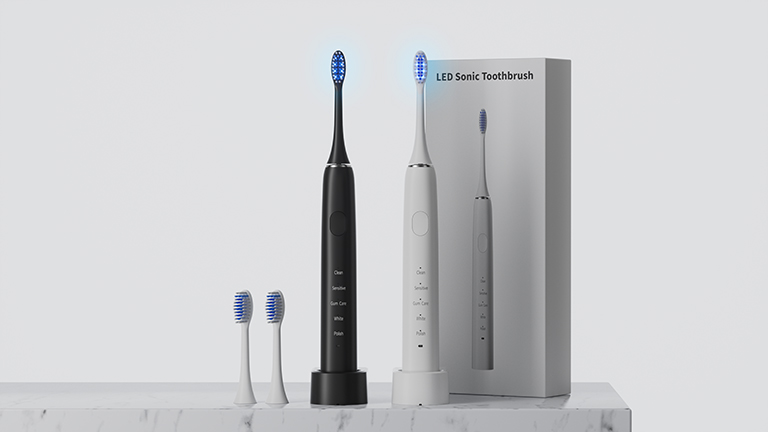
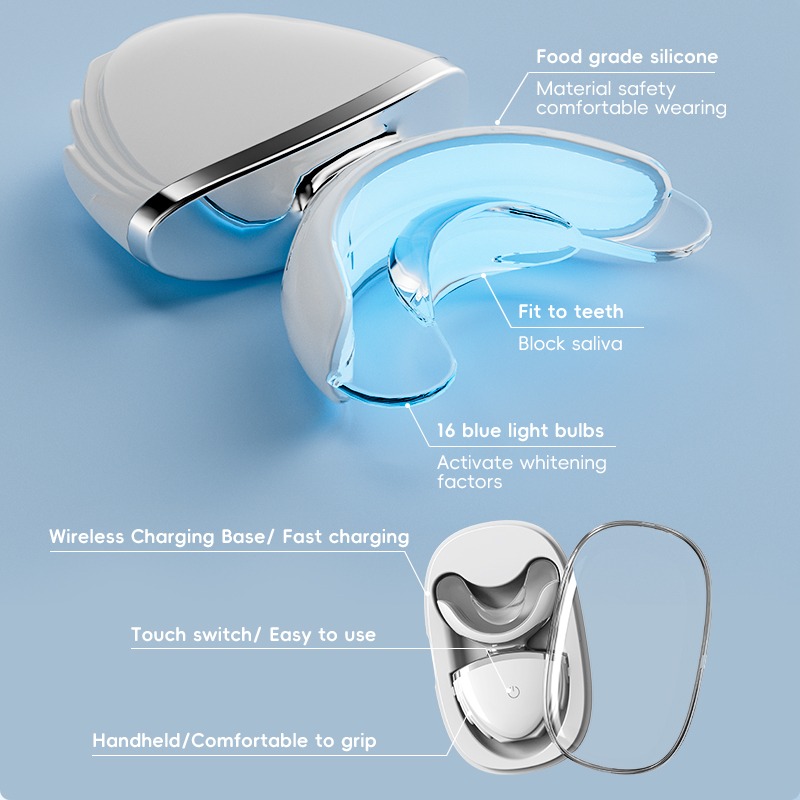
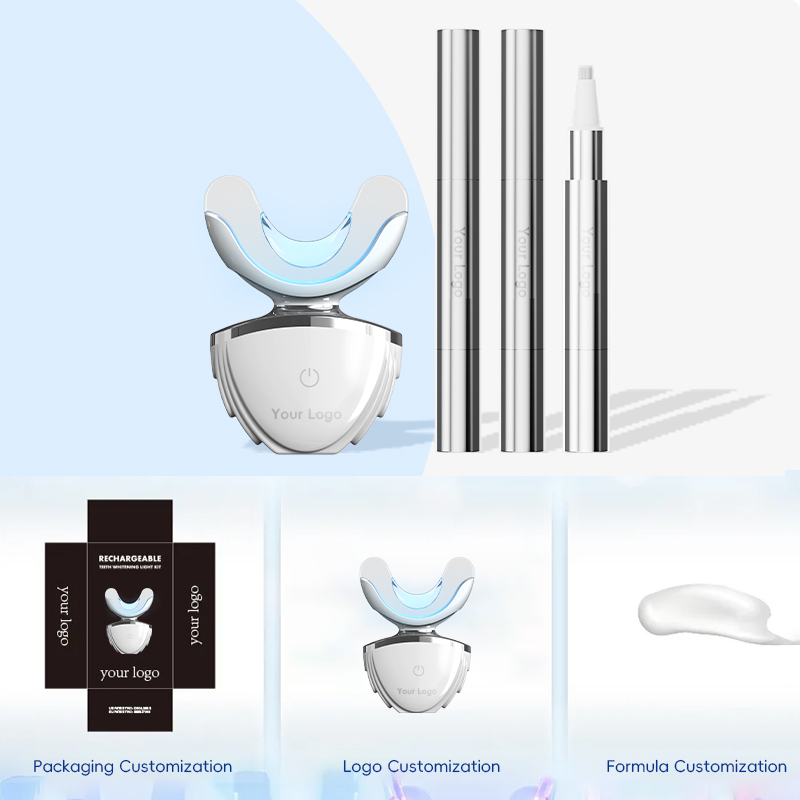
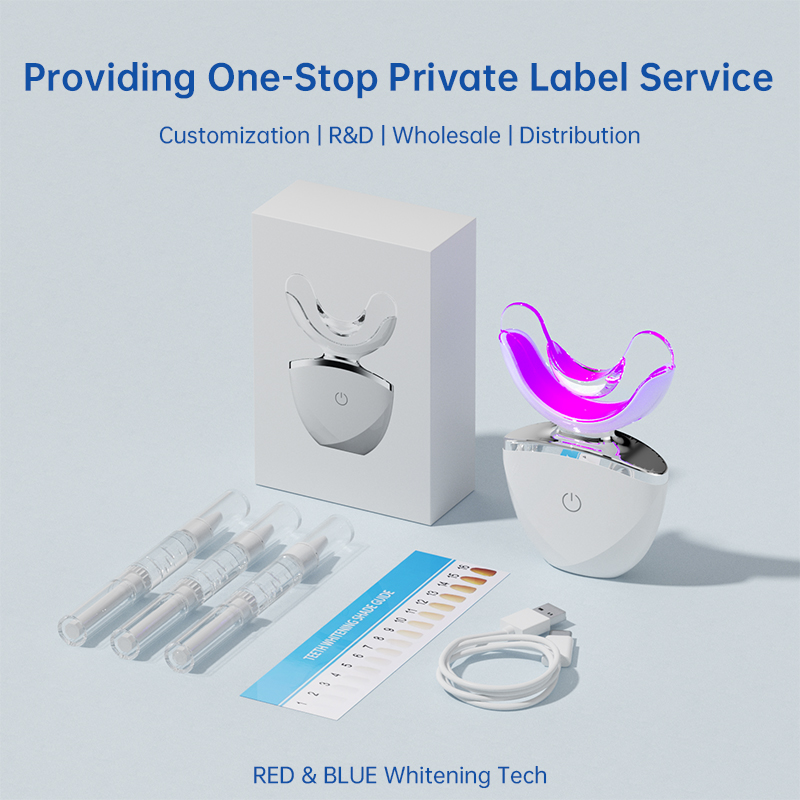
Whitening devices that incorporate LED or UV light can enhance the interaction between Photobleaching Catalysts and Optical Brighteners. The light activates the catalyst, increasing its efficiency, while the brightener reflects more light back, enhancing the visual perception of whiteness. Devices that optimize this interaction can provide professional-level results in less time, making them appealing to both consumers and dental professionals.
As the whitening industry continues to innovate, new advancements in Photobleaching Catalyst and Optical Brightener technology are emerging. Manufacturers are exploring new, safer catalysts that can work more effectively at lower concentrations, as well as brighter, longer-lasting optical brighteners that enhance tooth appearance without altering tooth structure. These innovations promise to push the boundaries of at-home and professional whitening treatments, offering consumers faster, more efficient, and longer-lasting results.
The combination of a Photobleaching Catalyst and Optical Brightener in whitening formulations leads to a more effective, faster, and visually appealing whitening process. By understanding and optimizing their interaction, manufacturers can create advanced products that provide superior whitening results and greater consumer satisfaction. Contact us
.jpg)
Wavelength of Whitening Teeth Device Blue Light (460–490nm) and Red Light (620–660nm)Configuration Guide
Red, Blue & Purple Light: A Complete OEM Solution for Advanced Oral Care Products
Do LED teeth whitening device trays need to be removed and cleaned frequently?
.jpg)
Sync Errors Causing Taste Distortion – Tech Glitch?
Smart Toothbrush India | Modern Oral Care Solutions
-3-scaled.png)
Portable Teeth Whitening Device: How to Make It the Size of travel friendly but Maintain 100% Effectiveness?
What is Teeth whitening LED light? Is it useful?

Market Analysis of Red and Blue Light Teeth Whitening Devices: How to Find a Teeth Whitening Device Breakthrough in Differentiated Technology?
-3-scaled-1.jpg)
Teeth Whitening Tech: Is LED Scientifically Superior to UV for OEM Applications?
Professional vs. Home Use: Key Technical Differences in Teeth Whitening Blue Lights
Does Teeth Sensitivity Worsen Tetracycline Stains? New Whitening Side Effects!
New Technical Possibilities for Wireless Teeth Whitening Devices
Blue Light Whitening Device | Quick & Effective Teeth Brightening for beauty and oral-care OEM brands.
Portable LED Teeth Whitening Kit OEM
Blue Light Whitening Device OEM Solutions for Global Brands
A Few Things You Need to Know Before and After Teeth Whitening


.jpg)
.jpg)
.jpg)
.jpg)
.jpg)






.jpg)