
As oral care technology continues to evolve, Photobiomodulation Therapy (PBMT) is gaining increasing attention for its potential to enhance oral health treatments. The application of low-level laser light to stimulate cellular processes in oral tissues has shown promise in reducing inflammation, promoting healing, and alleviating pain. However, to solidify PBMT’s place in the dental care field, robust scientific evidence is crucial. One effective way to advance this evidence is through a University Research Collaboration. In this blog, we’ll explore how partnering with academic institutions can contribute to further validating Photobiomodulation Therapy in oral care, ultimately improving patient outcomes and supporting the adoption of this technology.
A University Research Collaboration provides access to state-of-the-art laboratories, clinical research settings, and advanced technologies that may not be available in the private sector. These resources can be essential for conducting high-quality clinical trials and experiments to measure the efficacy of Photobiomodulation Therapy. By partnering with a university, oral care companies can leverage expert knowledge in laser technology and biomedicine to refine their PBMT devices and treatments. This collaboration accelerates the pace of research and ensures that the evidence for PBMT is comprehensive and credible.
Photobiomodulation Therapy requires robust clinical data to prove its effectiveness and safety in oral care applications. Universities often have the infrastructure and expertise to conduct controlled, peer-reviewed clinical trials. By working with university researchers, companies can initiate studies that evaluate the impact of PBMT on various oral health issues such as gingivitis, periodontitis, and post-surgical recovery. The findings from these trials are essential in supporting the claims made by manufacturers, which can enhance patient trust and attract regulatory approvals. The results from university-led trials carry significant weight in the medical.
Partnering with a reputable academic institution boosts the credibility of Photobiomodulation Therapy in the eyes of both professionals and patients. Research collaborations with universities provide evidence-based support for PBMT’s efficacy and safety, which can be published in high-impact journals. Peer-reviewed publications from respected researchers not only bolster the scientific foundation of PBMT. This endorsement from academic experts lends authority to the technology and increases.
A University Research Collaboration can open the door to innovative new applications of Photobiomodulation Therapy that may not have been previously considered. University researchers often have the freedom and creativity to explore novel treatment modalities, patient populations, and clinical conditions. By working together, universities and companies can discover new ways to integrate PBMT into oral care.
In the competitive world of oral care technology, staying ahead of the curve is essential. A University Research Collaboration enhances the market acceptance of Photobiomodulation Therapy by producing reliable scientific evidence to support product claims. As PBMT continues to gain traction, this collaboration can serve as a point of differentiation for companies. Consumers and dental professionals are more likely to choose PBMT products that are backed by strong scientific research.
Collaborating with universities is not just a one-time opportunity; it creates a long-term partnership that can lead to continuous improvements in Photobiomodulation Therapy. Universities are constantly evolving their research, and new breakthroughs in technology and methodology can significantly enhance PBMT devices. These partnerships offer a pathway for ongoing innovation, ensuring that your products remain at the forefront of oral care technology. Additionally, long-term collaborations can open doors for further clinical studies, grants, and new market opportunities as PBMT technology evolves.
The partnership between oral care companies and academic institutions through a University Research Collaboration is a powerful way to advance the scientific evidence supporting Photobiomodulation Therapy. With access to cutting-edge resources, rigorous clinical trials. As this therapy continues to prove its effectiveness in reducing pain, inflammation, and promoting healing. Contact us
Oral Care Gift Sets OEM: Curated Collections for Every Occasion
Why is an Alaska travel toothbrush designed as an Alaska rugged toothbrush?
The Impact of Color Matching in Electric Toothbrushes on Perceived Quality
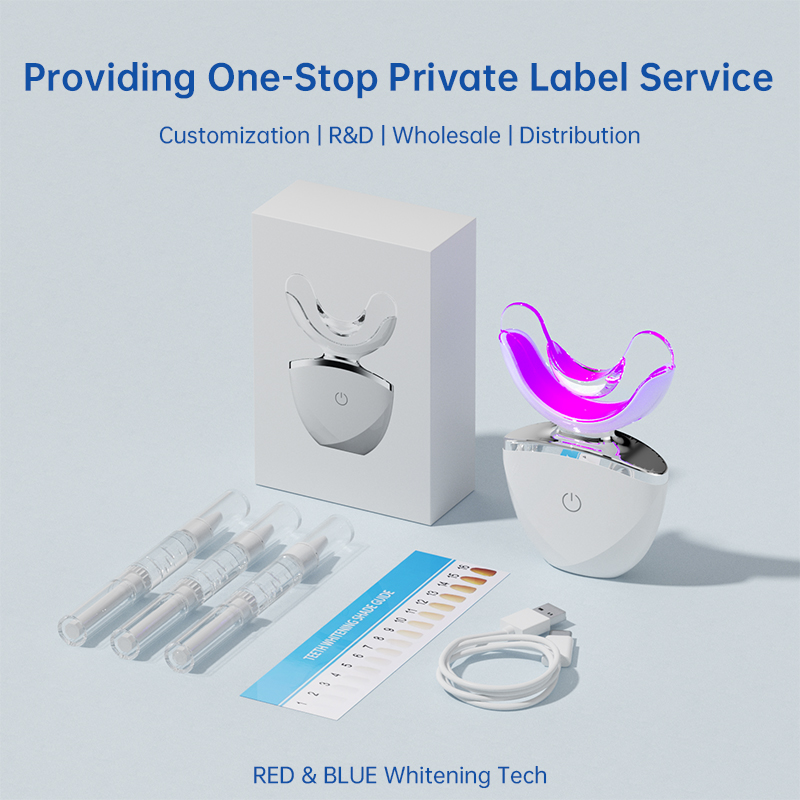
Professional vs. Home Use: Key Technical Differences in Teeth Whitening Blue Lights
.jpg)
Dual-Mode Sonic Toothbrush Supplier
Discover a Great Reason to Switch to an Electric Toothbrush
Light Therapy Electric Toothbrush ODM Development
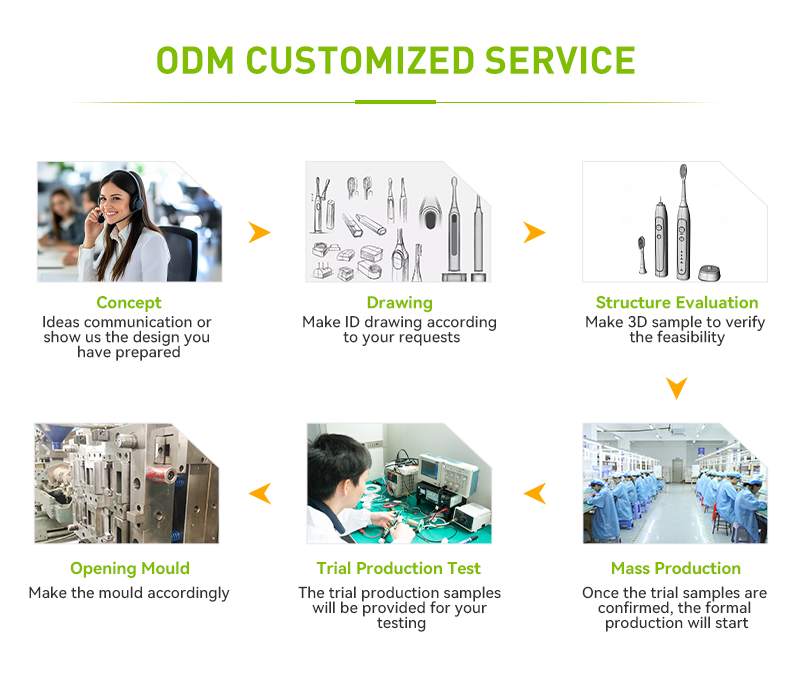
Does Your Contract Manufacturing Agreement Provide Quality Certification Support?

Why Integrate Pump Flow Control with a Light Diffusion Lens for Combined Oral Care?
OEM Electric Toothbrush Quality Manufacturing in USA Texas
Corporate Wellness Toothbrush Gifts Bulk Supplier
Crown Compatibility with Pressure Sensors Tech?
Electric Toothbrush Wholesale Supplier for Global B2B Distribution
Finding the Optimal Light Therapy for Teeth and Gums in OEM Products
Smart Toothbrush for Tech Professionals
.jpg)
Why is a travel case essential for your portable toothbrush?


.jpg)
.jpg)
.jpg)
.jpg)
.jpg)






.jpg)

.jpg)