When customers experience mouth ulcers following allergic rashes, many manufacturers initially dismiss this as unrelated irritation. However, growing evidence suggests that oral ulceration and dermatologic hypersensitivity may share common triggers or reflect systemic reactions. Understanding this connection is essential for brands that prioritize safety and user satisfaction.
This article will explore why these symptoms often occur together, what mechanisms may be responsible, and how manufacturers can proactively reduce the risk.
Allergic rashes typically arise due to:
These rashes frequently manifest as erythematous patches, itching, and localized swelling on the lips, perioral skin, or cheeks.
Mouth ulcers—also called aphthous ulcers—are painful lesions that affect the mucosal lining. They can result from:
Unlike superficial redness, ulcers often penetrate deeper layers and take 7–14 days to heal, impacting user comfort and compliance.
Although they appear distinct, allergic rashes and ulcers may share overlapping causes:
Therefore, when users report both rashes and ulcers, it should not be dismissed as coincidence.
While no product can guarantee zero risk, careful design and formulation can significantly reduce incidents:
Investing in proactive measures strengthens consumer trust and mitigates costly complaints.
If customers experience mouth ulcers after allergic rashes, manufacturers should:
Fast, professional response not only prevents escalation but demonstrates your brand’s commitment to safety.
Beyond reactive support, manufacturers can take strategic steps to limit risks long-term:
This holistic approach protects end-users and differentiates your brand in a crowded market.
The combination of mouth ulcers and allergic rashes is rarely a simple accident. Instead, it often signals design or formulation factors that merit deeper review. By recognizing the connection, manufacturers can create safer, more reliable products—and ensure that oral care never comes at the cost of customer well-being.Contact us
-1-1024x576.png)
.jpg)
Why Choose a Water Flosser for Sensitive Gums as a Core Gentle Oral Care Product?
.jpg)
How Does a Linear Resonant Actuator Enhance the Precision of a Brush Head Attachment Mechanism?
Microplastics-Free Electric Toothbrush Production for Safer OEM Products
Why Is Cavitation Cleaning Technology More Effective With a Micro-Perforated Brush Head?
.jpg)
electric toothbrush with AI sensor supplier
Herbal toothbrush India or Natural bristle toothbrush — which is safer for electric brush programs?
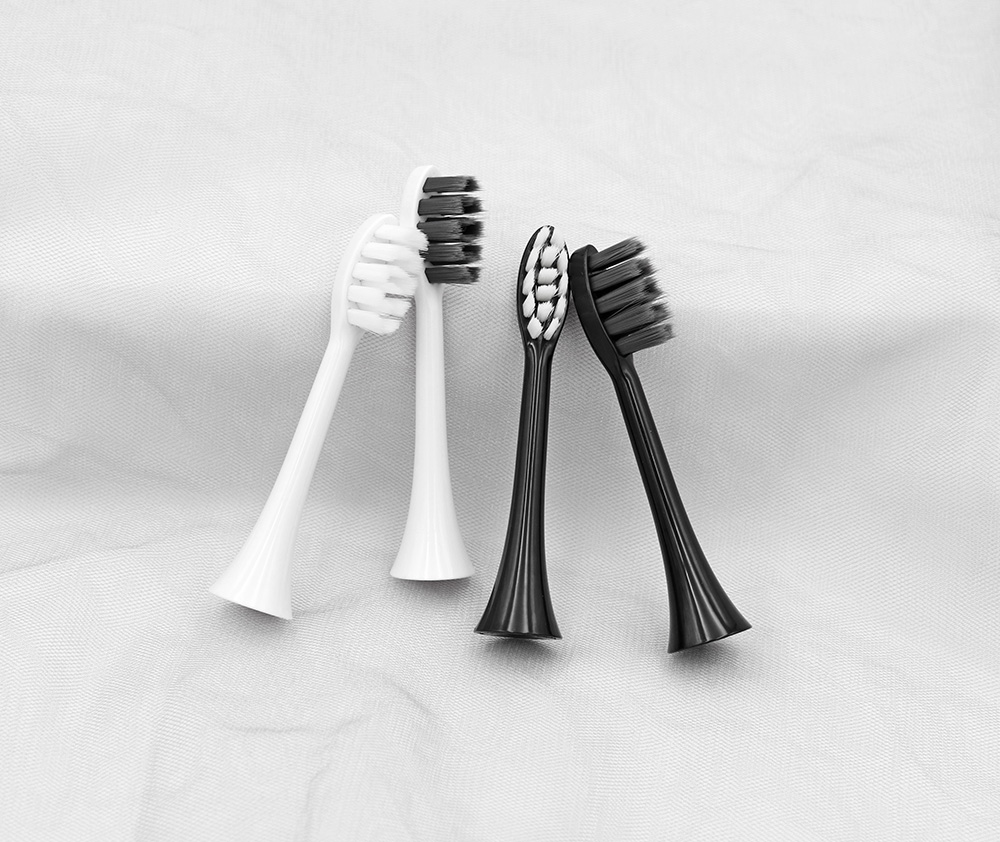
How to Instruct Users to Install a New Brush Head on an Electric Toothbrush Correctly
Powsmart Electric toothbrush Factory Fresno California
dual-action electric toothbrush OEM
Charger Mismatch Causing Battery Incompatibility?
.jpg)
How Does Water Flosser Cordless Design Impact Battery Life Optimization?
Rechargeable Oral Care Kit Supplier | Complete OEM/ODM Solutions
.jpg)
Is Your Toothbrush Head Manufacturer Aligned with the Sustainable Toothbrush Movement?
Sales-Boosting Strategies for Oral Care Brands
-3-scaled.png)
Are You a Teeth Whitening Kit Manufacturer Serving the Beauty Salon Supply Industry?

How Consumption Upgrading Is Redefining Oral Care Product Development


.jpg)
.jpg)
.jpg)
.jpg)
.jpg)



.jpg)
.jpg)