Shop adaptive motor neuron disease toothbrush ALS oral care tools: https://www.powsmart.com/
ADA adaptive oral care guidance for neuromuscular disorder patients: https://www.ada.org/resources/consumer/oral-health/disability-adaptive-dental-care/
.jpg)
OEM smart toothbrush manufacturer
How does a built-in timer ensure a dentist recommended clean?
How Does Psychographic Market Segmentation Inform Our Co-creation Workshop Facilitation with Lead Users?
College Student Toothbrush Guide: Durable, Affordable Electric Brushes for Dorm Life
Charger Mismatch Causing Battery Incompatibility?
Tonsil Crypt Cleaning Water Flosser | Safe Technique for Tonsil Stones
Why Add a UV Sanitizing Component When Oral Care Kit Bundling for Travel?
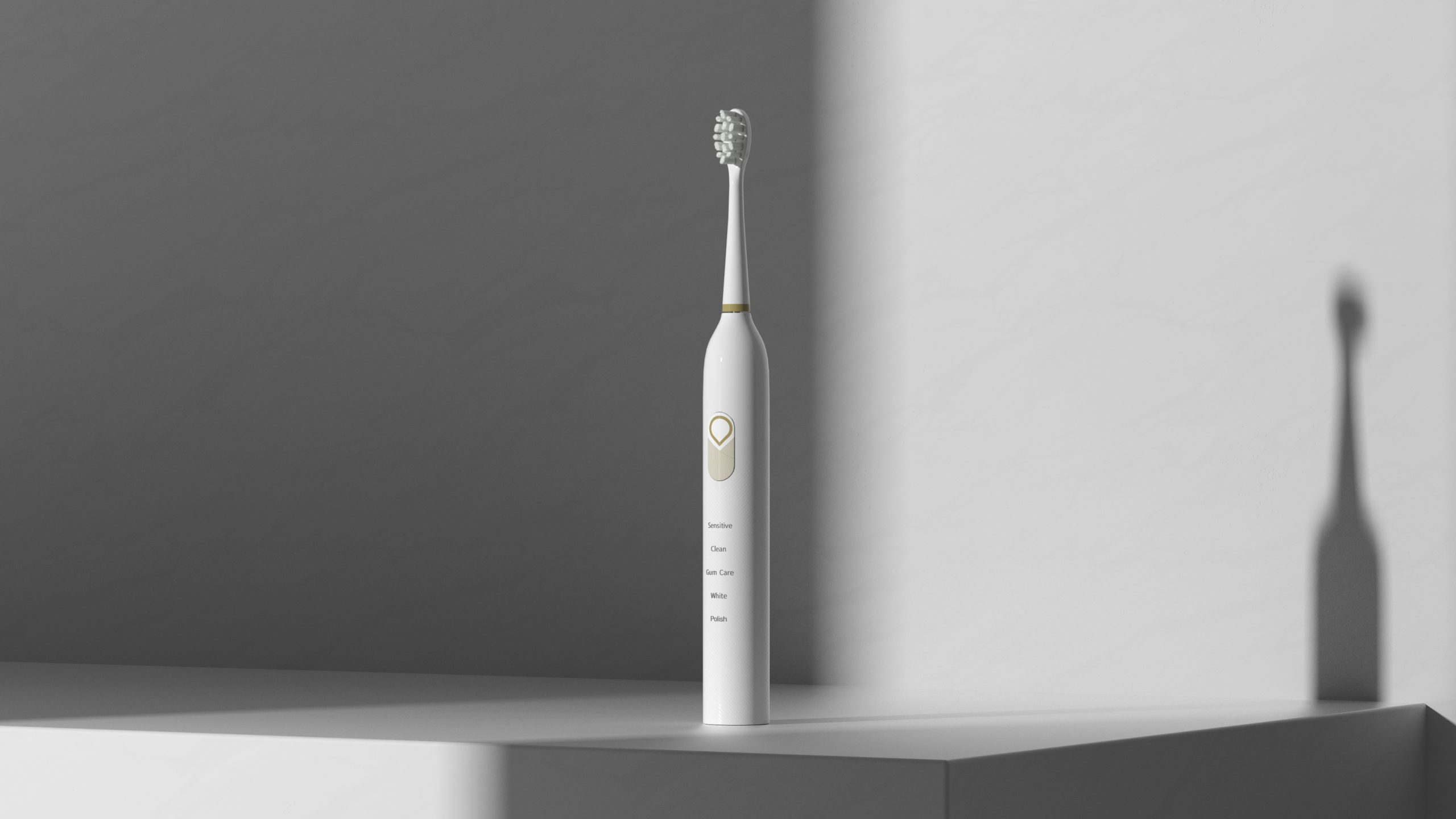
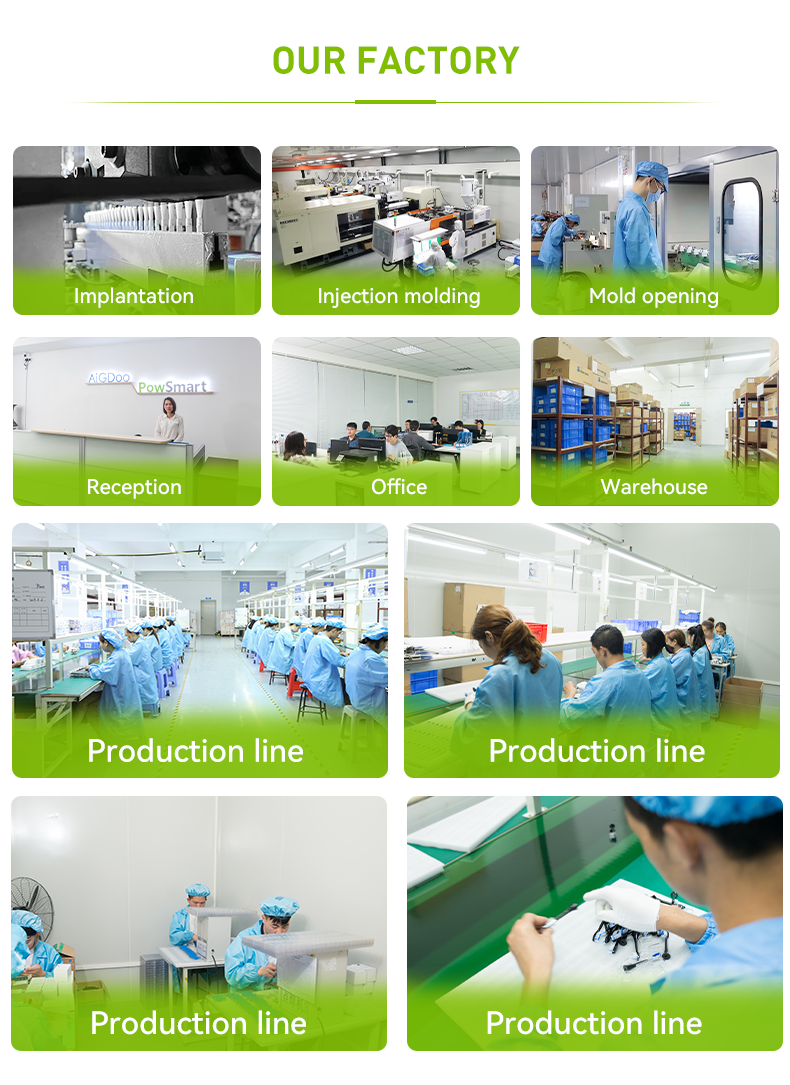
Electric Toothbrush Precision Mold Shell Manufacturing: How to Balance Aesthetics and Durability?
Dual Light Electric Toothbrush Technology: Integrating Blue and Red Light for Advanced Oral Care
.jpg)
Before or After Brushing? Solving the Water Flosser Sequence for Your OEM Brand
How Can Incoterms Optimization Consulting Ease Country-Specific Type Approval Processes?
Electric Toothbrush Production Capacity for OEM & Wholesale Buyers

How Does an Adaptive Learning Algorithm Improve the Accuracy of Predictive Failure Notification?
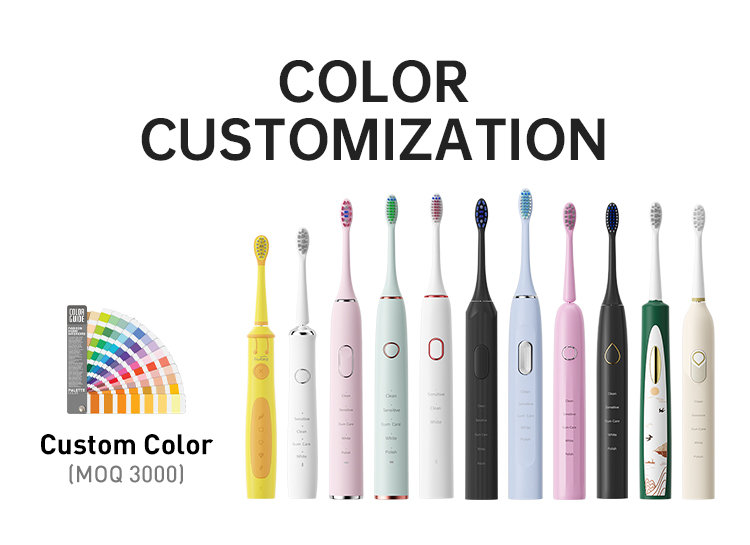
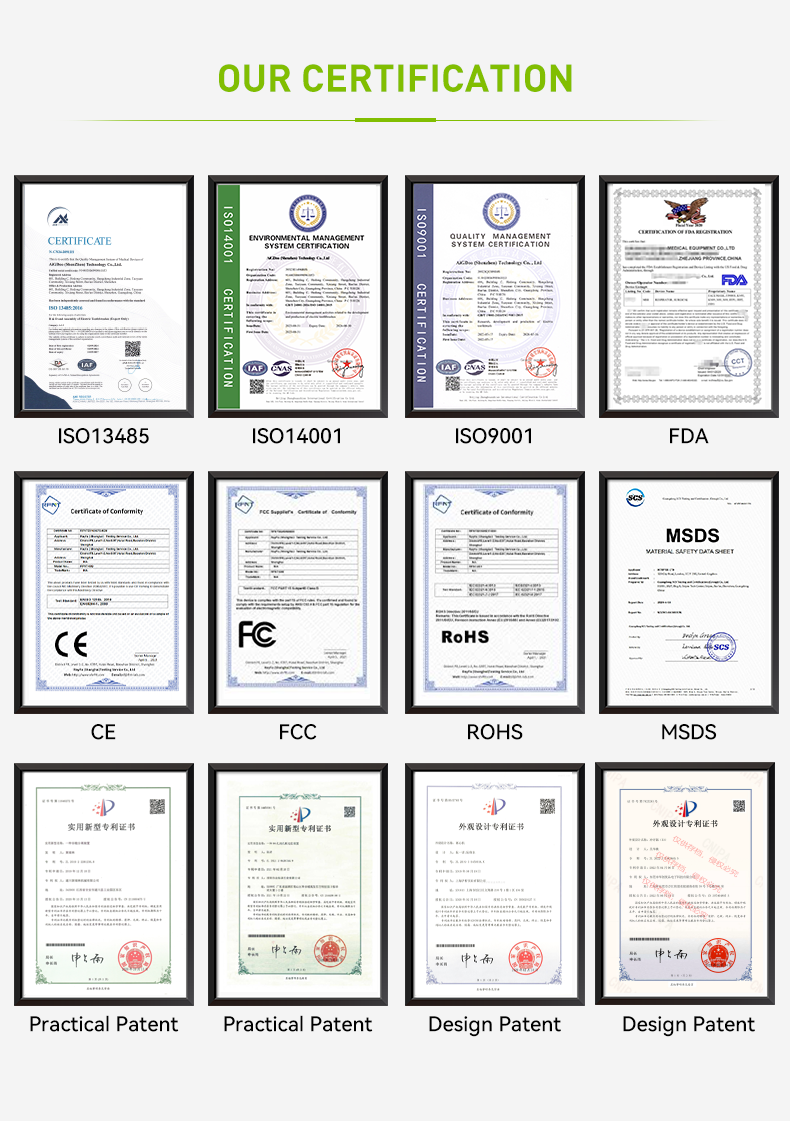
Custom Electric Toothbrush Manufacturer for Private Label Brands
Luxury Electric Toothbrush OEM: Premium Materials and Finishes
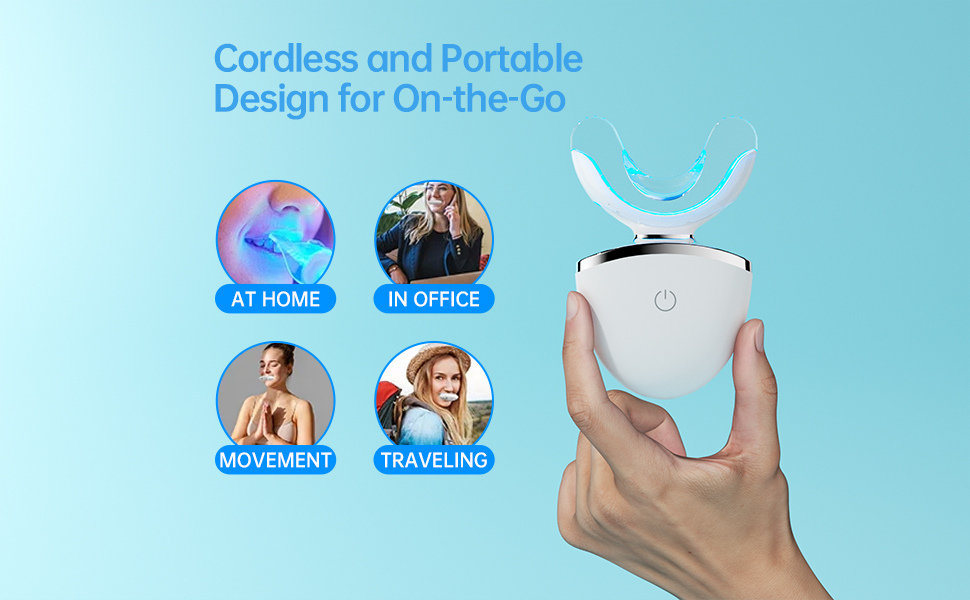
Private Label Teeth Whitening Device Manufacturing


.jpg)
.jpg)
.jpg)
.jpg)
.jpg)






.jpg)