electric toothbrush production capacity is a decisive factor for brands sourcing long-term OEM or ODM partners. As demand fluctuates across regions and seasons, buyers increasingly evaluate suppliers based on their ability to scale output without compromising quality.
For B2B buyers, production capacity reflects not only volume, but also process stability and supply reliability.
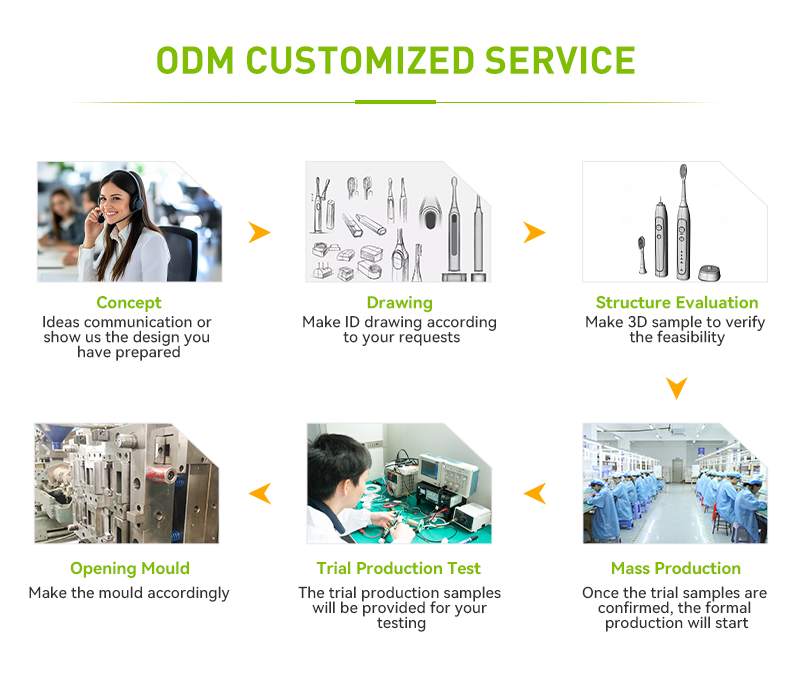
A professional factory’s electric toothbrush production capacity depends on multiple factors. These include automated assembly lines, trained workforce availability, and stable component sourcing.
Moreover, factories with modular production lines can adjust output based on order volume. This flexibility allows buyers to start with pilot orders and scale efficiently as demand grows.
Consistent capacity planning helps prevent delivery delays and quality inconsistencies.
Advanced production facilities typically integrate injection molding, assembly, and testing within one workflow. This integration reduces dependency on external suppliers and improves lead-time control.
In addition, capacity planning software and standardized work instructions help factories maintain consistent output during peak seasons.
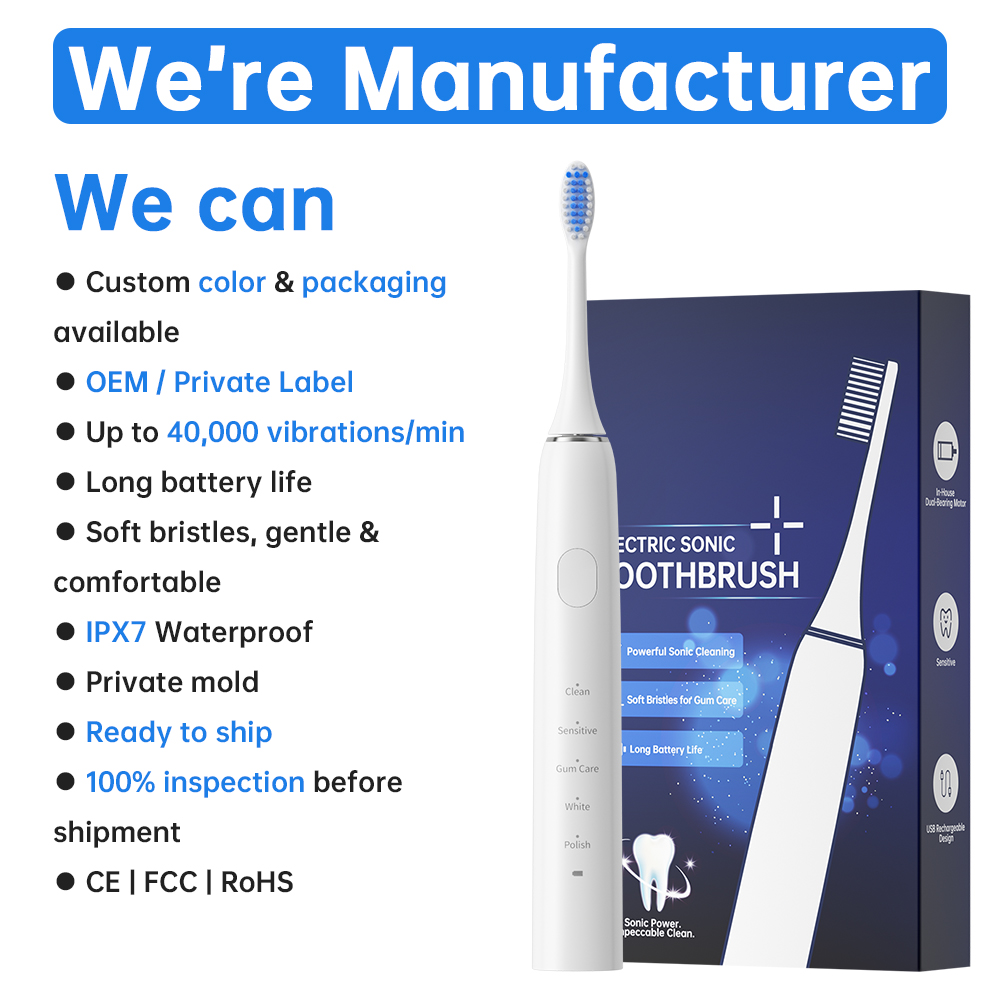
Powsmart operates export-focused production lines designed to support stable electric toothbrush manufacturing for international buyers. Manufacturing capabilities can be explored at:
https://www.powsmart.com/
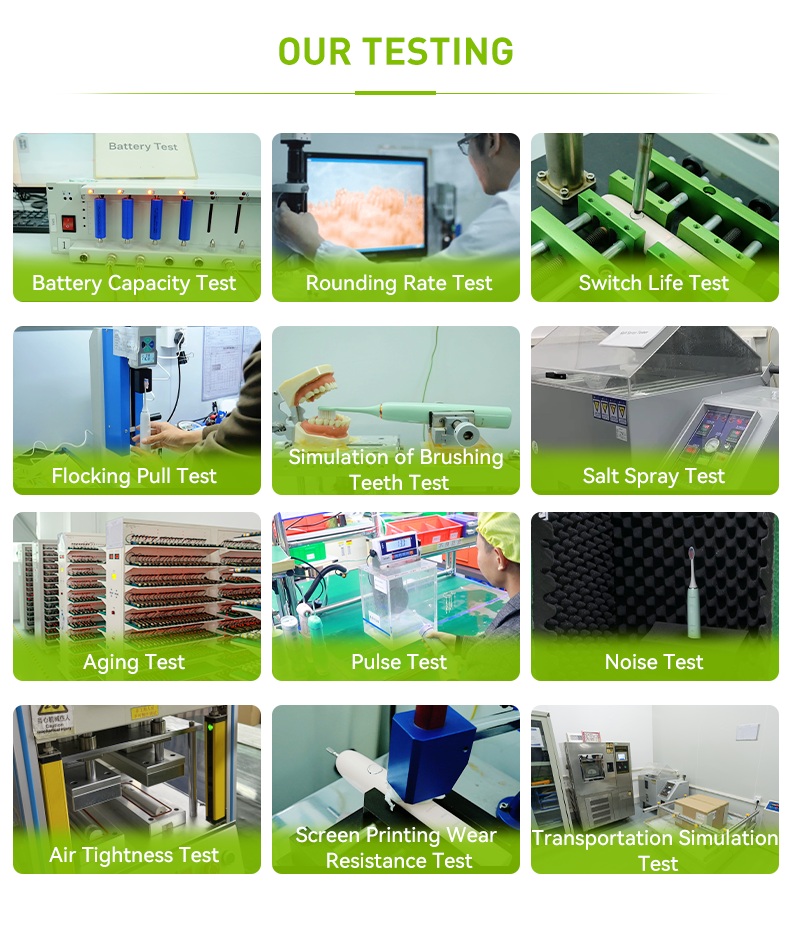
High production capacity must be matched with robust quality control. Professional manufacturers implement in-line inspections, functional testing, and final sampling before shipment.
Furthermore, capacity expansion should never bypass validation steps. Maintaining testing protocols ensures batch consistency regardless of output volume.
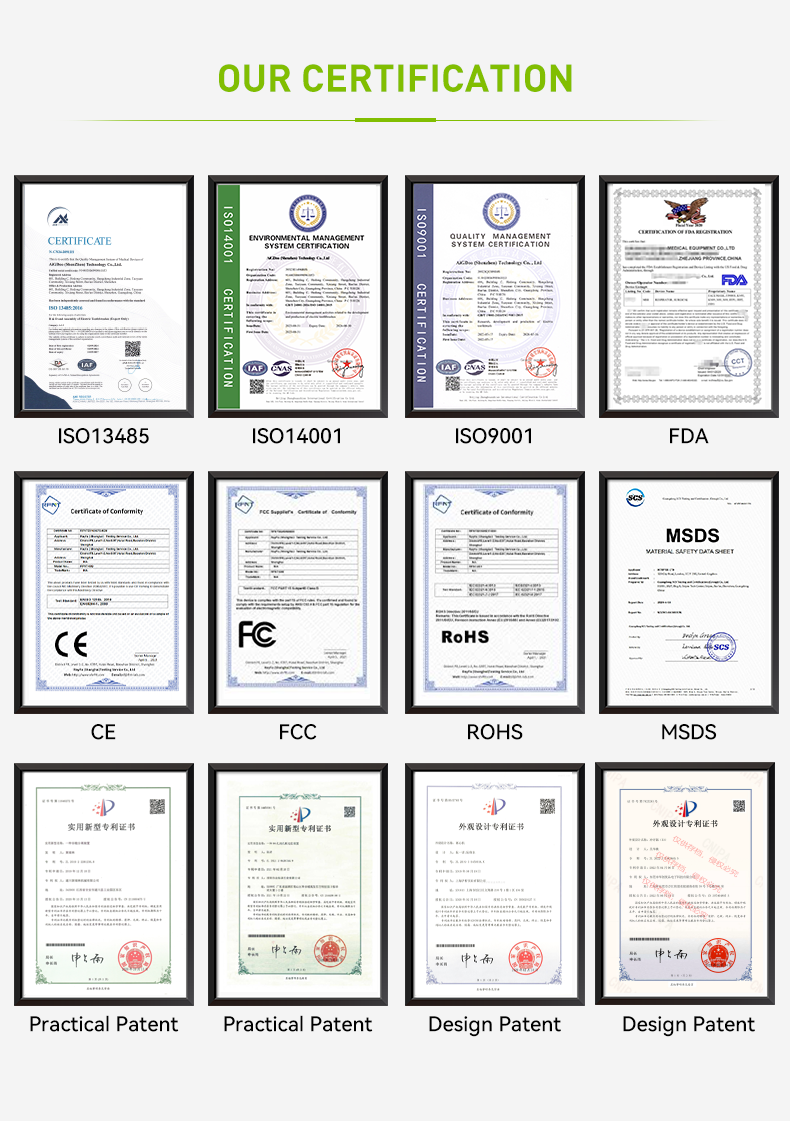
Manufacturing quality system standards can be referenced through the International Organization for Standardization:
https://www.iso.org/
Transparent capacity communication builds trust. Reliable suppliers provide realistic lead times and production forecasts rather than over-promising.
This transparency enables buyers to plan inventory, promotions, and distribution schedules more effectively.
From a commercial standpoint, stable production capacity reduces supply chain risk. Brands can expand market reach without changing suppliers or renegotiating core specifications.
In summary, evaluating electric toothbrush production capacity helps B2B buyers secure long-term partnerships that support growth, reliability, and operational efficiency.
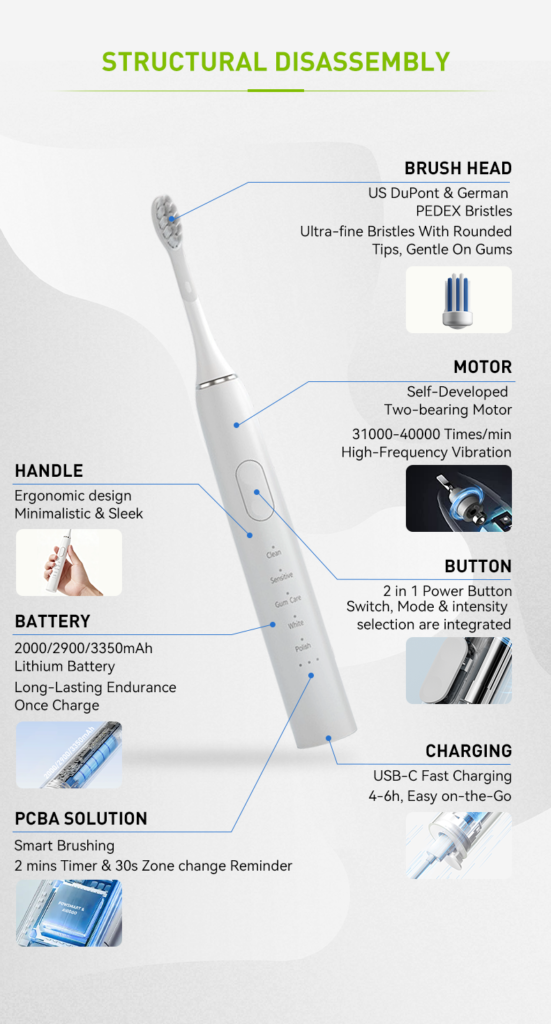
.jpg)
Gentle Sonic Vibrations Electric Toothbrush for Sensitive Teeth
.jpg)
Water Flosser for Braces Supplier for Orthodontic Care Markets
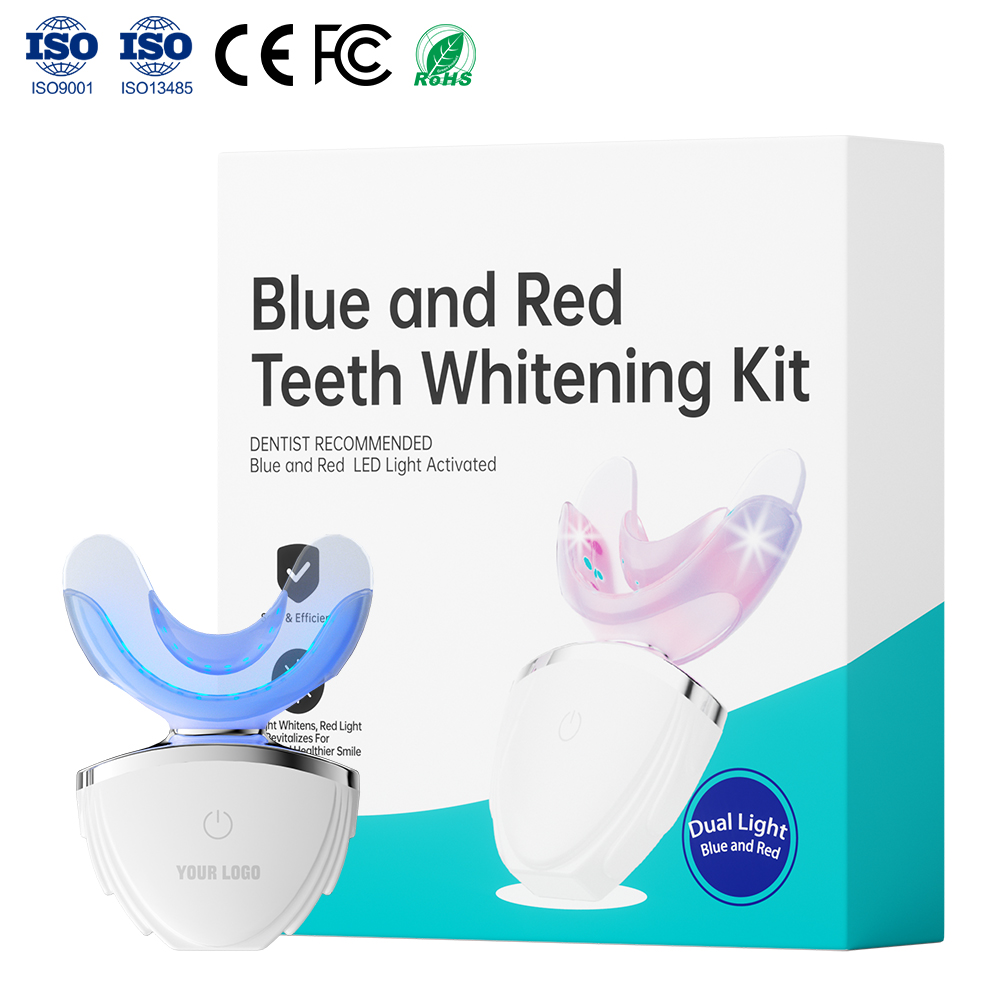
Can a Whitening Booster Solution Enhance Results from UV Whitening Technology?
How Does a Pressure Sensor Protect Gums?
Is Your Whitening Syringe Supplier Qualified for Home Use Whitening System Kits?
How Does Supply Chain Logistics Affect the Integration of a Battery Management System?

Can a Water Pump OEM Ensure Consistency Without a Flow Rate Calibration Tool?
-3-scaled.png)
Why Wireless Charging Gives Whitening Device a Competitive Edge
Can Smart App Connectivity Be Leveraged to Manage Brush Head Replacement Supply?
Can a Rechargeable Battery Solution Efficiently Power an LED Display Module?
Can a Leak-proof Valve Ensure the Simplicity of a Gravity Feed System?
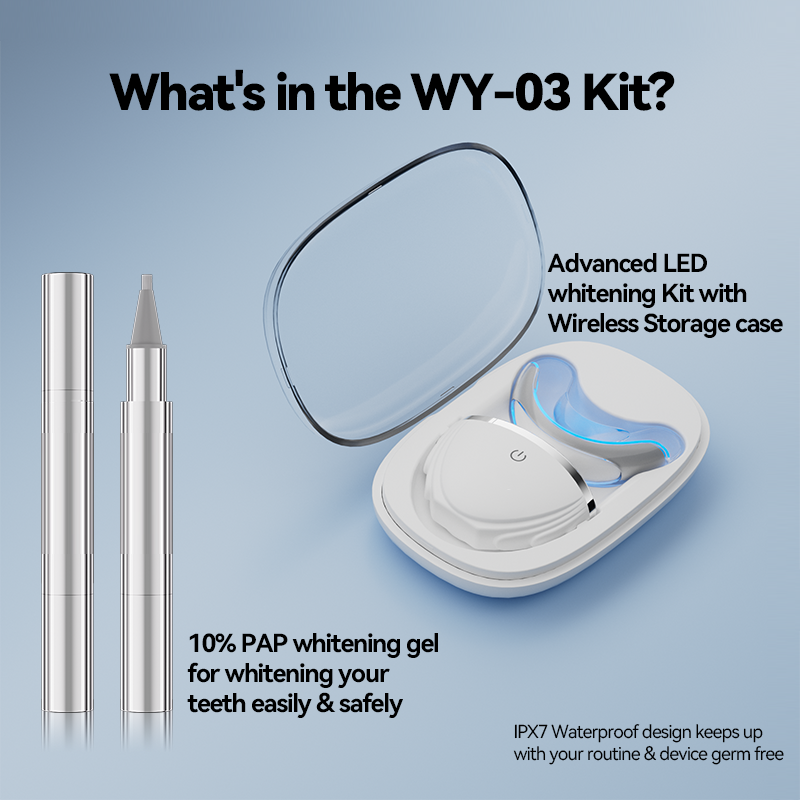
How Wireless Tech is Revolutionizing Oral Care Devices
Gel Leakage with Enamel Translucency – Permanent Damage?
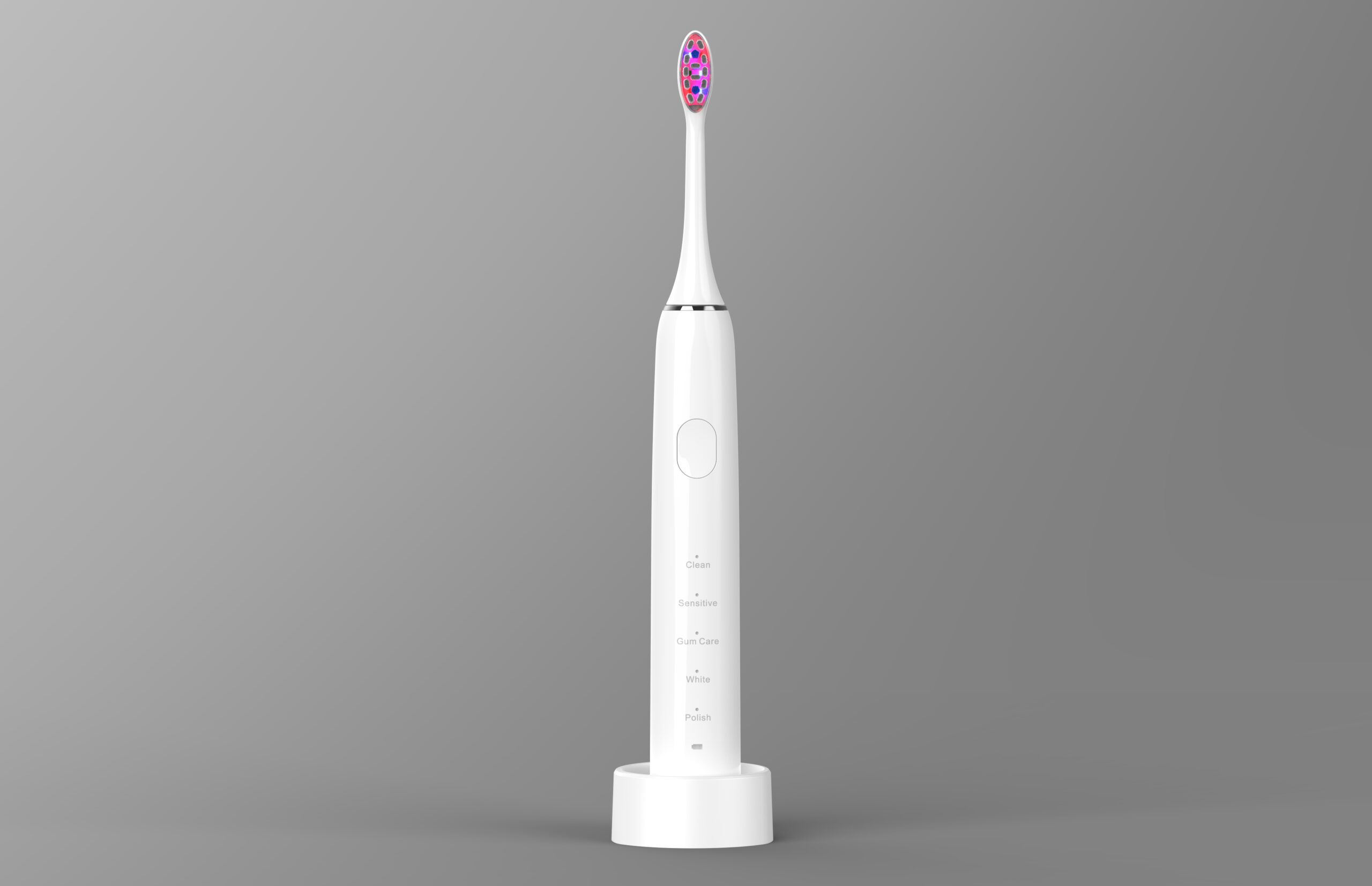
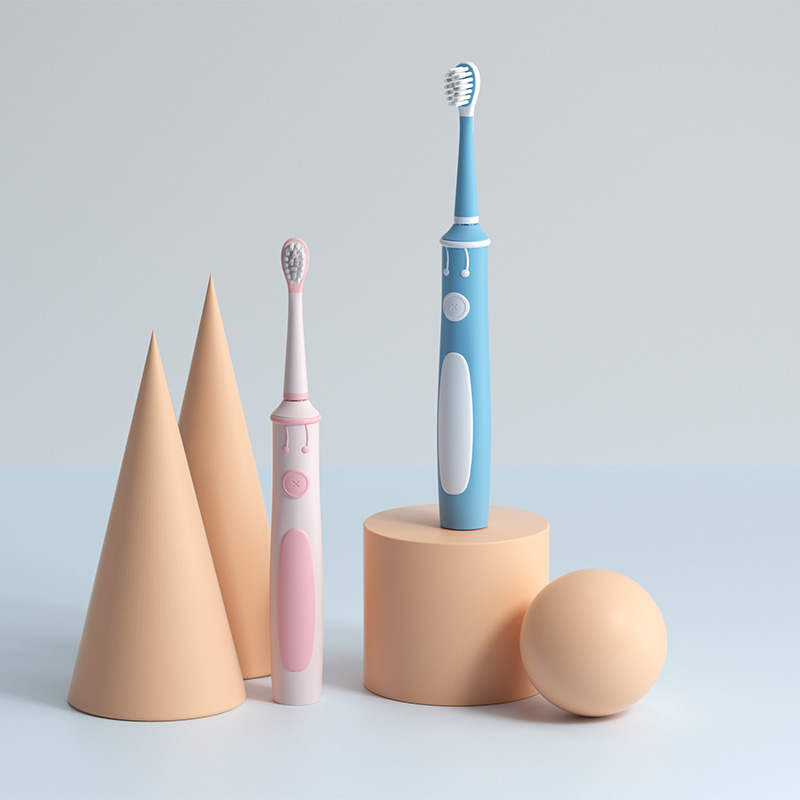
kids electric toothbrush factory
Why Is Pressure Sensor Calibration Important After Brush Head Injection Molding?
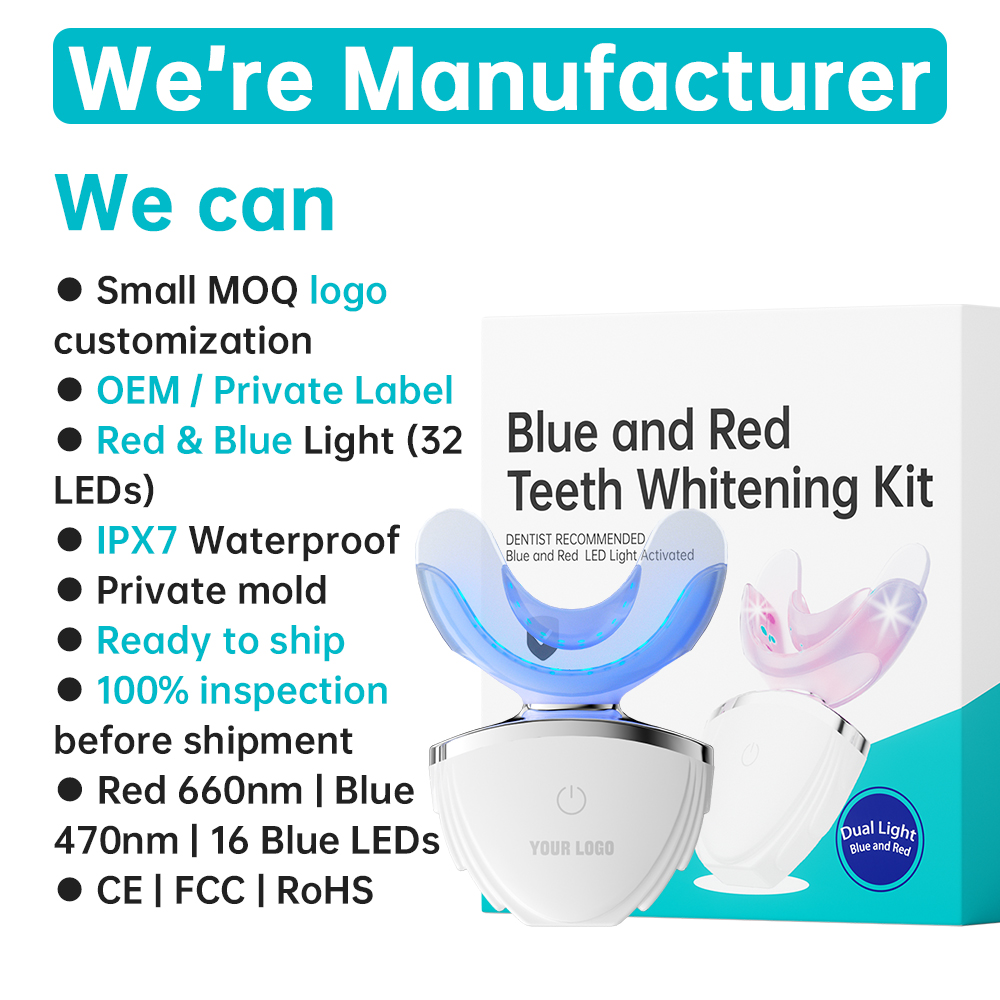
How Does a Modern Touch Interface Design Integrate with an LED Display Module for User Feedback?


.jpg)
.jpg)
.jpg)
.jpg)
.jpg)






.jpg)


.jpg)