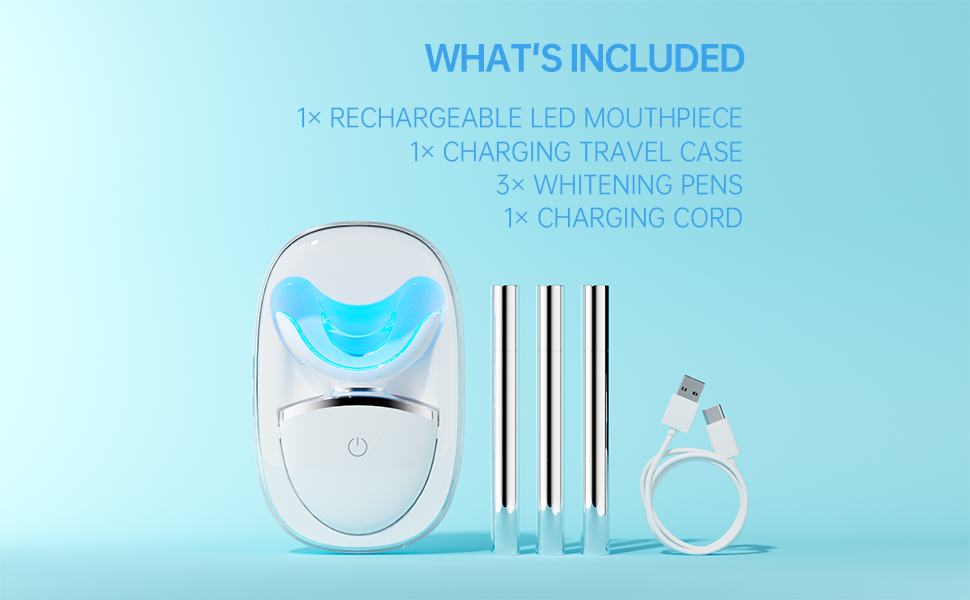
As the global demand for professional and home-use whitening solutions grows, ensuring that your LED Whitening Lamp meets strict Aesthetic Device Compliance standards is critical for market access and brand credibility. Compliance not only protects end users but also strengthens your product’s competitiveness in regulated international markets.
Aesthetic Device Compliance involves meeting safety, performance, and labeling regulations across different regions. For an LED Whitening Lamp, this includes electrical safety, light output control, biocompatibility of contact materials, and adherence to applicable cosmetic or medical device directives.
A compliant LED Whitening Lamp must be engineered to prevent overheating, electrical leakage, and excessive light exposure. Proper circuit design, thermal management, and wavelength control are essential elements evaluated under Aesthetic Device Compliance standards.
Materials used in the housing and oral-contact components play a key role in compliance. High-quality, tested materials help ensure that the LED Whitening Lamp meets Aesthetic Device Compliance expectations for durability, hygiene, and user safety.
Consistent compliance starts on the production line. Robust quality control processes, traceability systems, and routine inspections ensure that every LED Whitening Lamp leaving the factory aligns with documented Aesthetic Device Compliance requirements.
Regulatory audits demand clear and complete documentation. A manufacturer experienced in LED Whitening production should provide test reports, risk assessments, and technical files to support Aesthetic Device Compliance submissions in multiple markets.
Choosing a compliant design from the outset minimizes approval delays and costly redesigns. An LED Whitening developed with Aesthetic Device Compliance in mind enables faster market entry, smoother distribution, and stronger trust with distributors and end users.
Is your LED Whitening fully compliant with Aesthetic Device Compliance standards? By prioritizing safety, material quality, manufacturing discipline, and documentation readiness, brands can confidently deliver reliable whitening devices. Contact us
.jpg)
Unlocking Convenience: Why Cordless Design Makes Water Flossers Perfect for Travel
Moldy Water Flosser Tank? It Harms Users and Your Brand Reputation
Custom Smart Toothbrush Manufacturing: From Design to Mass Production
.jpg)
Teeth Whitening Kit Private Label Solutions for B2B Brands

Does Saline Solution Compatibility Increase the Demand for Filter Cartridge Supply?
How Do Bristle Deformation and Nozzle Clogging Affect Oral Cleaning?
.jpg)
Top 5 Factors When Selecting a UV Sterilizing Water Flosser Manufacturer
Electric Toothbrush vs Manual – Benefits for Oral Health and Efficiency
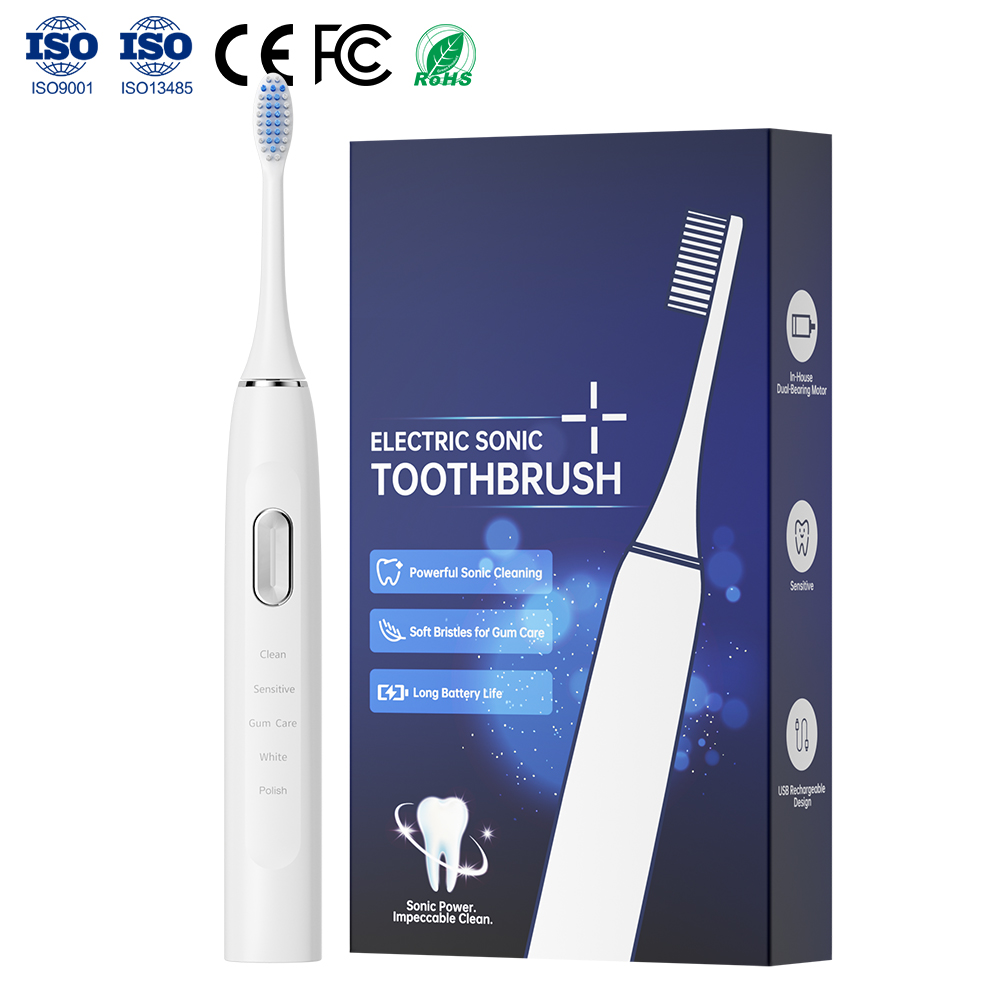
How Does Custom Handle Design Benefit from Full-scale OEM/ODM Manufacturing Capabilities?

Kids’ Smart Toothbrush Customization: Fun & Safe Brushing Solutions
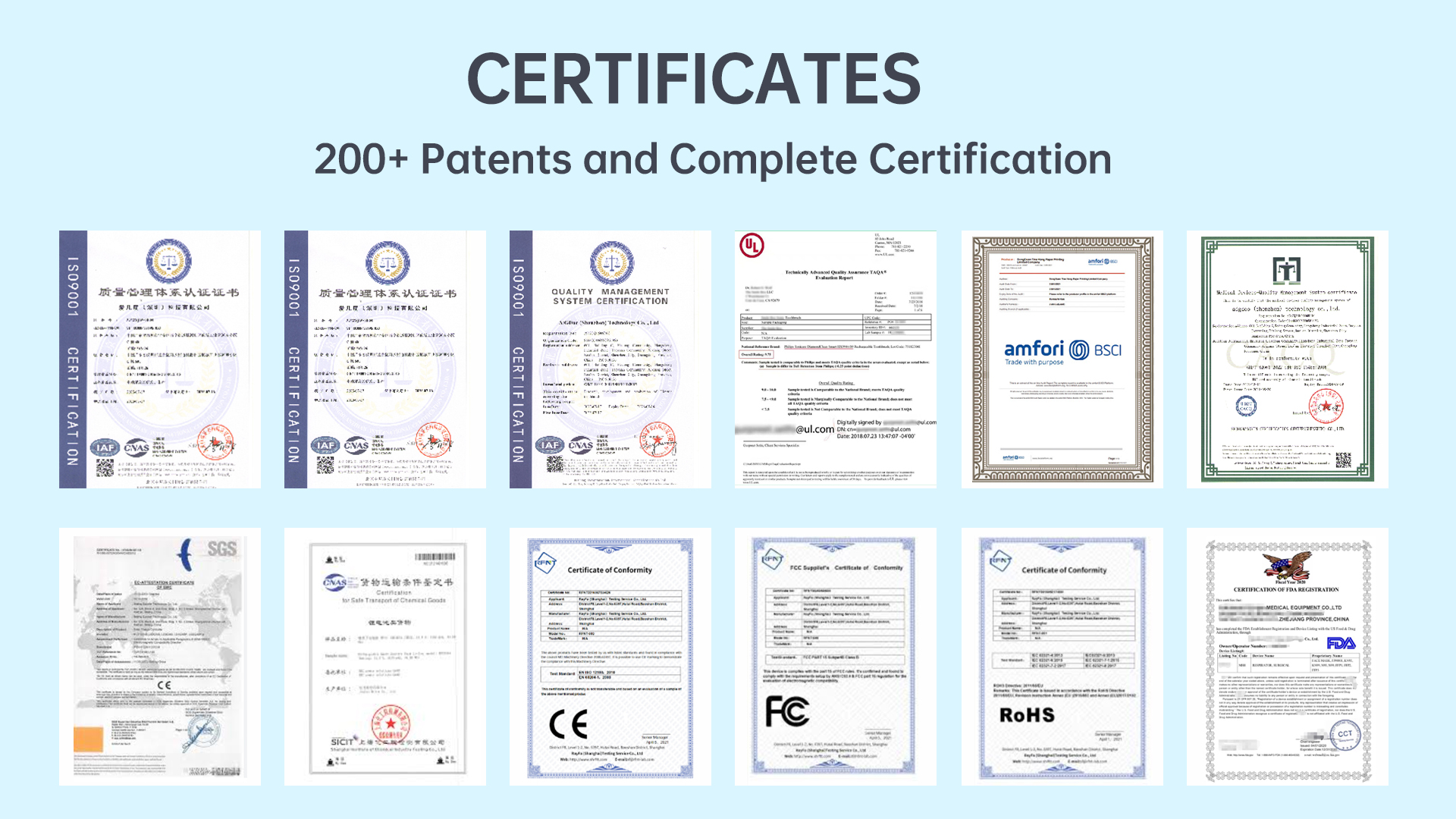
What Are the Mandatory Certifications for the Sale of Dental Electronic Products in EU Countries?
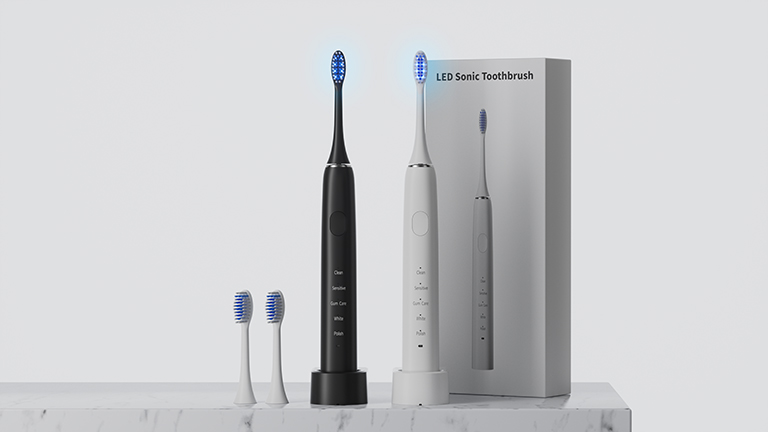
Do Blue Light Toothbrushes Work? A Manufacturer’s Perspective for Smart Brand Choices

Meeting European Demand: Key Features for Eco Water Flosser OEM Production
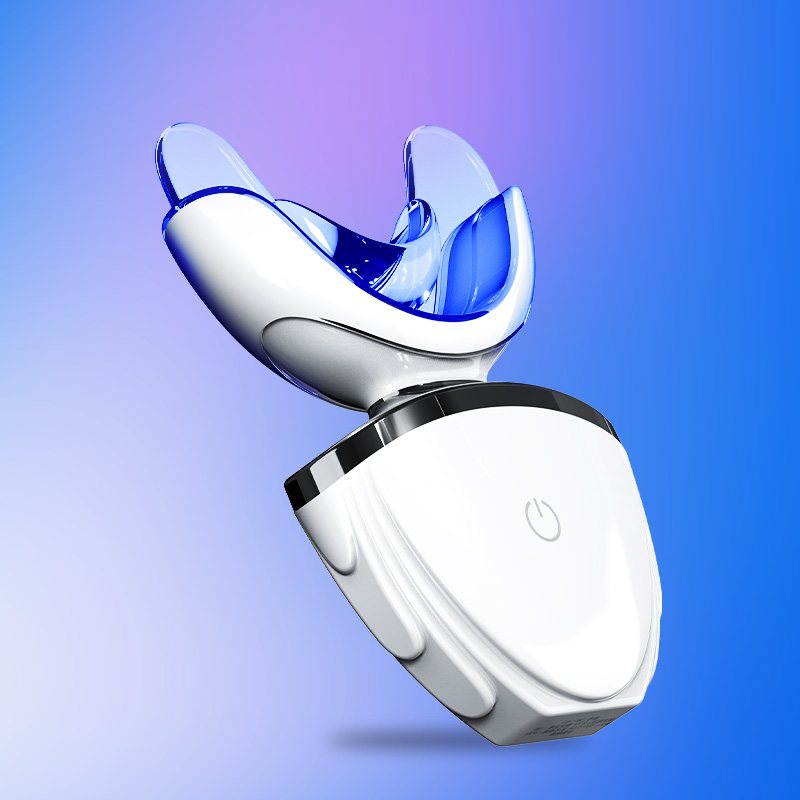
Is Toothbrush for Coffee Stain Teeth’s Whitening Mode Ineffective?
Do I Need FDA Approval to Sell Household Teeth Whitening Products?
Sonic Toothbrush Frequency Control OEM Manufacturing Solutions


.jpg)
.jpg)
.jpg)
.jpg)
.jpg)






.jpg)
.jpg)