Info Center
Home » powsmart Electric Toothbrush blog » LED Whitening Device Lifespan Guide: Maximize Your Device’s Effectiveness

LED Whitening Device Lifespan Guide: Maximize Your Device’s Effectiveness

Date:2026-03-11
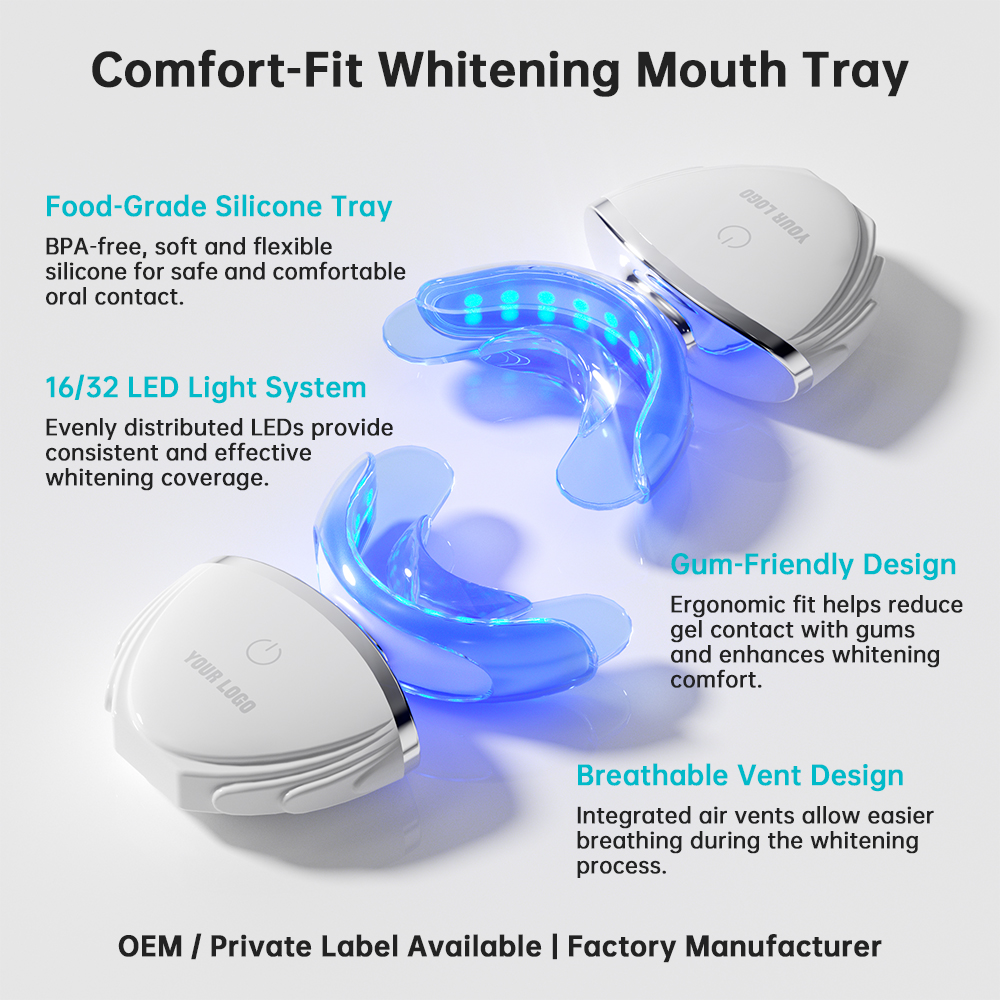
First off, how long do whitening LEDs actually last? This LED whitening device lifespan guide breaks down bulb degradation, replacement timelines, and expert tips to extend your device’s life—critical for maintaining consistent whitening results. LED whitening devices rely on light to activate peroxide gel, but over time, LEDs lose brightness and potency; this directly impacts how well your gel works and how long your device remains useful. For long-lasting LED whitening devices, visit https://www.powsmart.com/.

LED Bulb Degradation: Why Your Whitening Device’s Lifespan Shortens

To start with, LED bulbs in whitening devices degrade for three key reasons, all of which cut into your device’s effective lifespan:
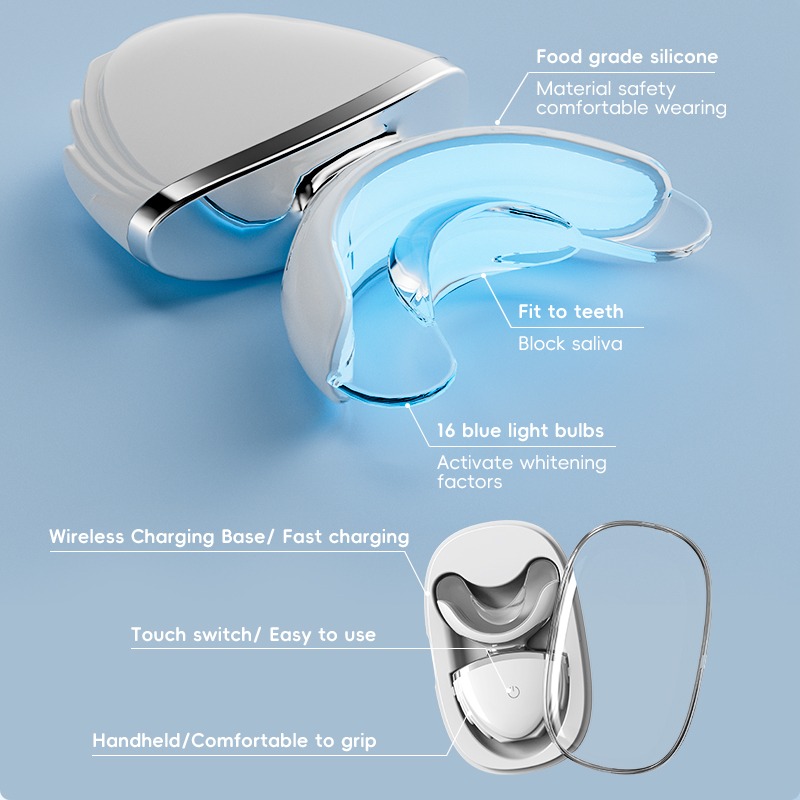
  • Light intensity loss: LEDs gradually dim after 500–1000 hours of use (about 1–2 years with daily 10–15 minute sessions). Weakened light fails to fully activate whitening gel, leading to slow, uneven results—even if the gel itself is fresh.
  • Heat damage: Poor ventilation or overuse causes heat buildup, which breaks down the LED’s internal components and accelerates degradation. Bathrooms (steamy, warm environments) are the worst places to store your device, as humidity and heat speed up bulb wear.
  • Battery drain (portable devices): Rechargeable LED whitening devices lose battery capacity over time, even if the bulb still works. A device that dies after 1–2 uses, even after a full charge, signals battery degradation that impacts overall usability.

Clear Signs Your LED Whitening Device Needs Replacement

Furthermore, watch for these definitive signs your LED whitening device lifespan has ended, and replacement is necessary for optimal results:
  • Dim or flickering light: The LED no longer shines brightly, even after a full charge—this means the bulb can’t deliver enough light to activate whitening gel.
  • No visible whitening results: You follow the instructions (10–15 minutes per session, 2–3 times a week) but see no color change after 2–3 weeks—your LED has lost too much potency to work.
  • Battery life drops sharply: The device dies after one or two uses, even when fully charged—battery degradation makes the device unusable for consistent care.
  • Physical damage: Cracks in the LED casing, frayed charging cables, or loose components create safety hazards and reduce the bulb’s lifespan further.

Pro Tips to Extend Your LED Whitening Device’s Lifespan

In addition, follow these actionable steps to make your LED whitening device last longer and deliver consistent results:
  1. Charge correctly: Avoid overcharging—unplug the device once it’s fully charged to prevent battery strain. For solar-powered models, charge in direct sunlight for 4–6 hours instead of overexposing it.
  2. Store properly: Keep your device in a cool, dry place (60–70°F/15–21°C), away from bathrooms, sunlight, or heat sources. Use the original storage bag to protect it from dust and moisture.
  3. Limit use time: Stick to the recommended 10–15 minutes per session—overusing the LED strains the bulb and shortens its lifespan by up to 30%.
  4. Clean after each use: Wipe the LED surface with a soft, dry cloth to remove whitening gel residue, which can clog the light and cause overheating. Never use water or cleaning products on the LED itself.
  5. Replace parts as needed: If the charging cable or nozzle wears out, swap for brand-specific replacements to avoid damaging the device’s internal components.
In conclusion, this LED whitening device lifespan guide makes one thing clear: most LED whitening devices last 1–2 years with proper care, but degradation signs mean you should replace your device before it stops working entirely. Prioritize safe storage, gentle use, and regular cleaning to maximize your device’s lifespan and get the brightest, most consistent whitening results. For more whitening safety tips, visit https://www.webmd.com/oral-health/teeth-whitening-overview.