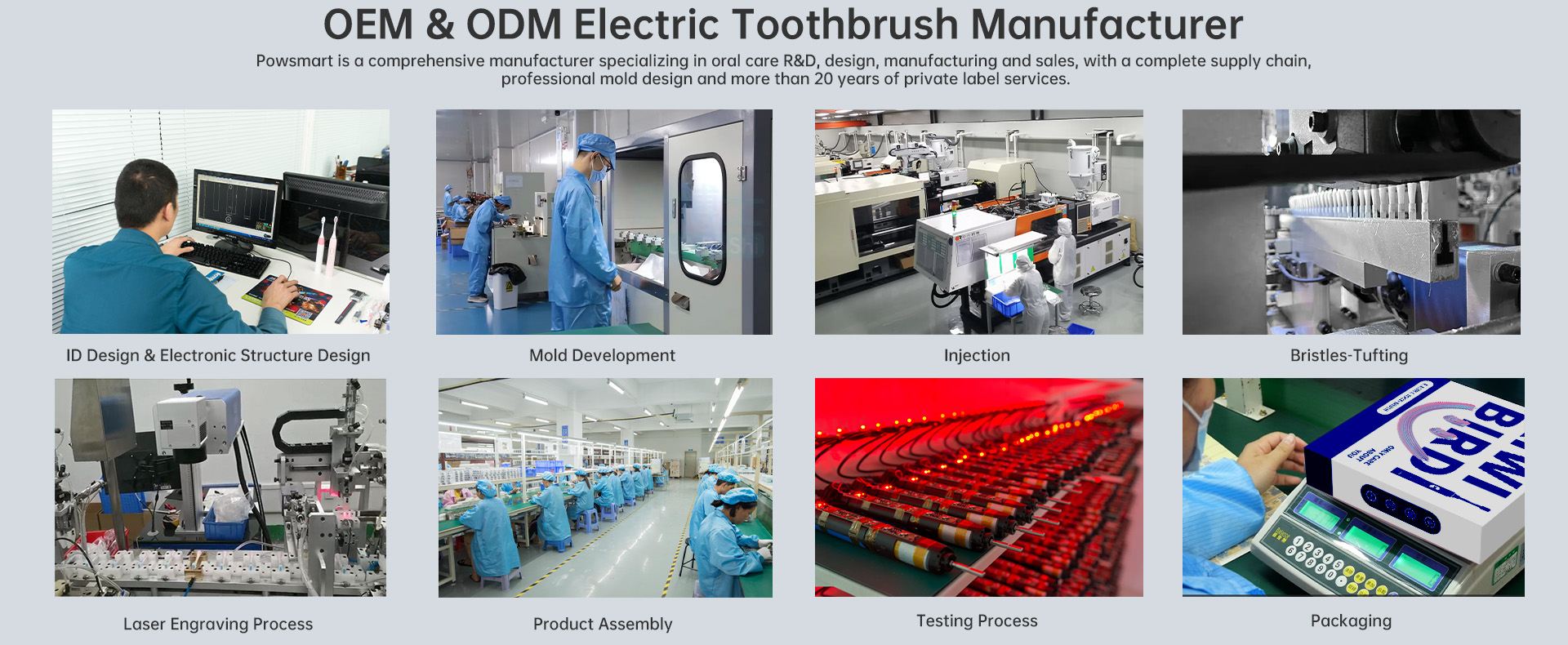
For many oral-care brands planning to enter the booming smart-hygiene market, one question often comes first: Is the electric toothbrush manufacturing process complicated? The short answer is yes—but only if you work alone. For brands partnering with seasoned OEM factories, the process becomes streamlined, predictable, and cost-effective. Below, we break down the complexity into six clear points, helping brand owners understand what truly goes into production and how the right manufacturer can simplify each step.
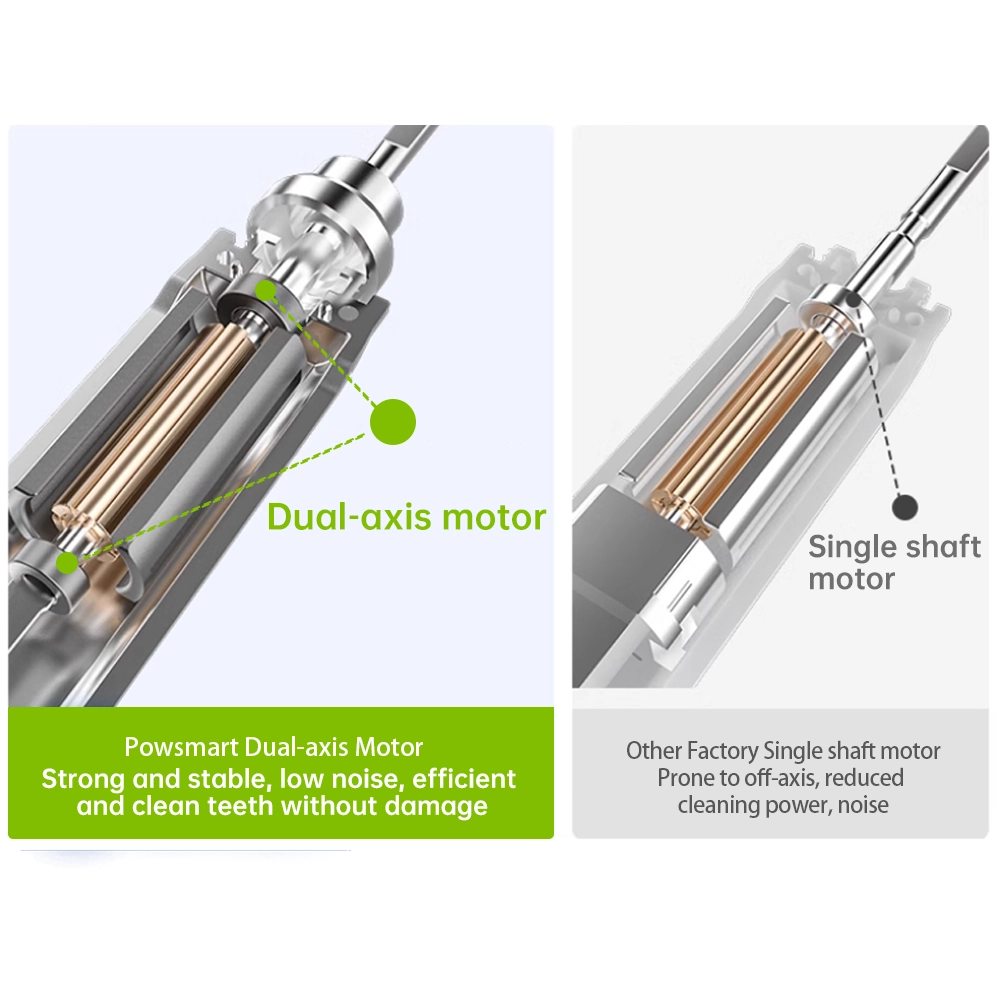
The electric toothbrush manufacturing process begins with designing and producing a precise internal structure. Motors, PCBs, vibration modules, and power-control systems must work seamlessly under strict safety and durability standards.
Because these components require micron-level accuracy, attempting this without OEM expertise typically leads to complicated production, higher defect rates, and unnecessary delays.
Creating the toothbrush shell, waterproof housing, and ergonomic handle involves specialized mold development.
Professional manufacturers invest heavily in CNC machining, 3D modeling, and injection-molding expertise, enabling them to deliver consistent shapes and finishes.
This step often becomes a bottleneck for inexperienced teams, and is a major reason why partnering with an established factory is essential.
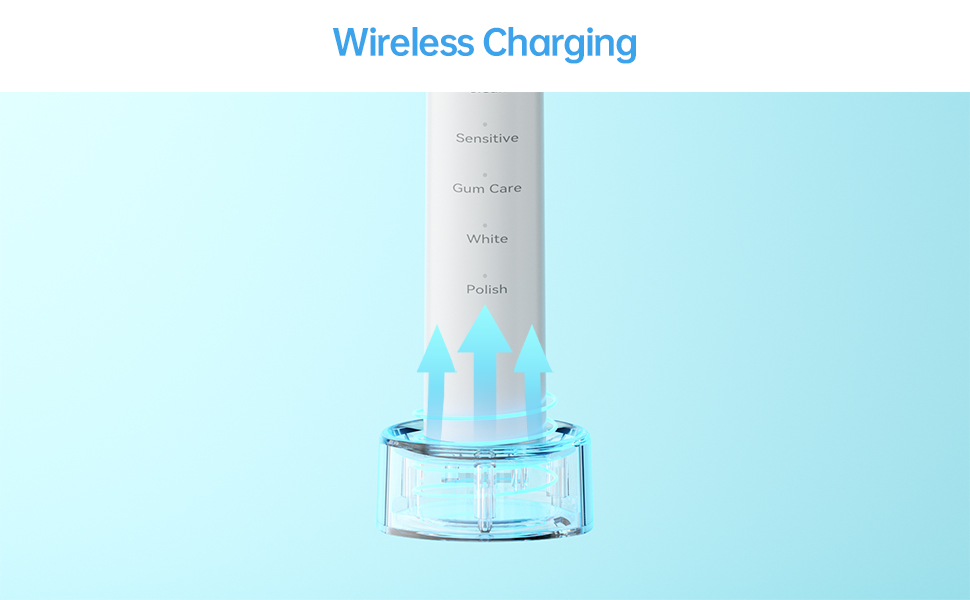
Lithium-ion or NiMH batteries must be safely integrated with protective circuits, charging modules, and insulation barriers.
Ensuring compliance with global electrical standards can make production feel overwhelming for new brands.
OEM suppliers who specialize in electric toothbrushes already follow proven protocols to ensure safety, efficiency, and long cycle life.
Electric toothbrushes must pass IPX7 or IPX8 waterproof tests, drop tests, motor-life tests, and vibration-strength assessments.
This phase is one of the most technically demanding parts of the electric toothbrush manufacturing process.
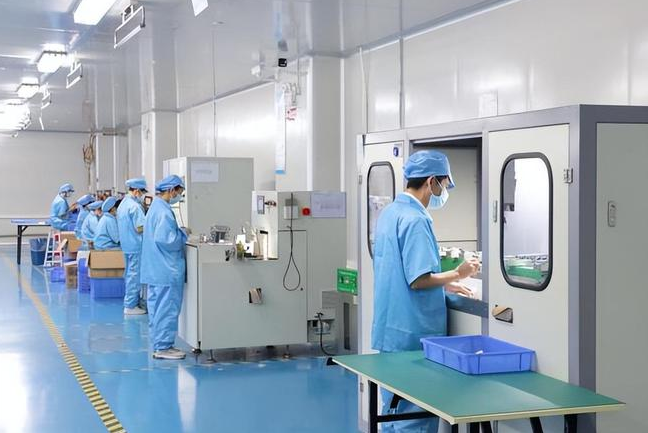
Experienced factories utilize automated testing lines that guarantee consistency—something extremely difficult to replicate in-house.
Once the components are finalized, manufacturers engage in integrated assembly, bringing together motors, batteries, shells, brush heads, and control chips in one coherent workflow.
Integrated assembly environments reduce quality variance, shorten lead times, and allow brands to scale production quickly without compromising reliability.
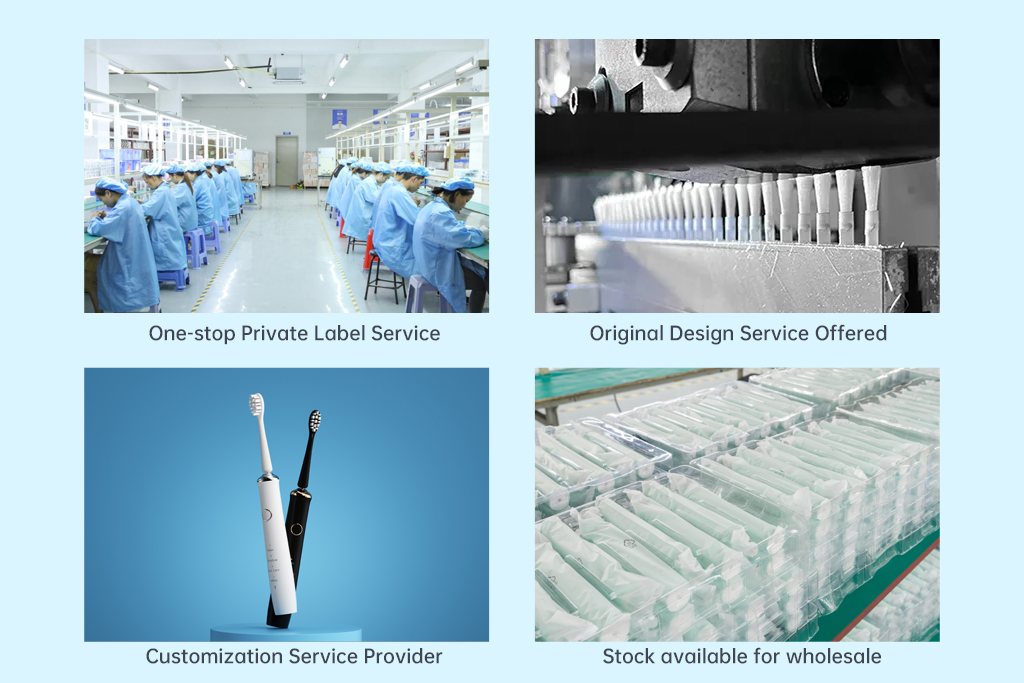
Finally, OEM partners can support brands with logo printing, packaging customization, regulatory documentation (FDA/CE/FCC), and global shipment preparation.
For many oral-care brands, this one-stop support is what transforms a potentially complicated production journey into a smooth, predictable launch process.
Electric toothbrush production involves complex engineering, safety mechanisms, waterproofing, and strict quality control.
However, with a manufacturing partner that has strong OEM expertise, these challenges are handled through optimized workflows and integrated assembly lines—allowing brand owners to focus on marketing, scaling, and product differentiation.
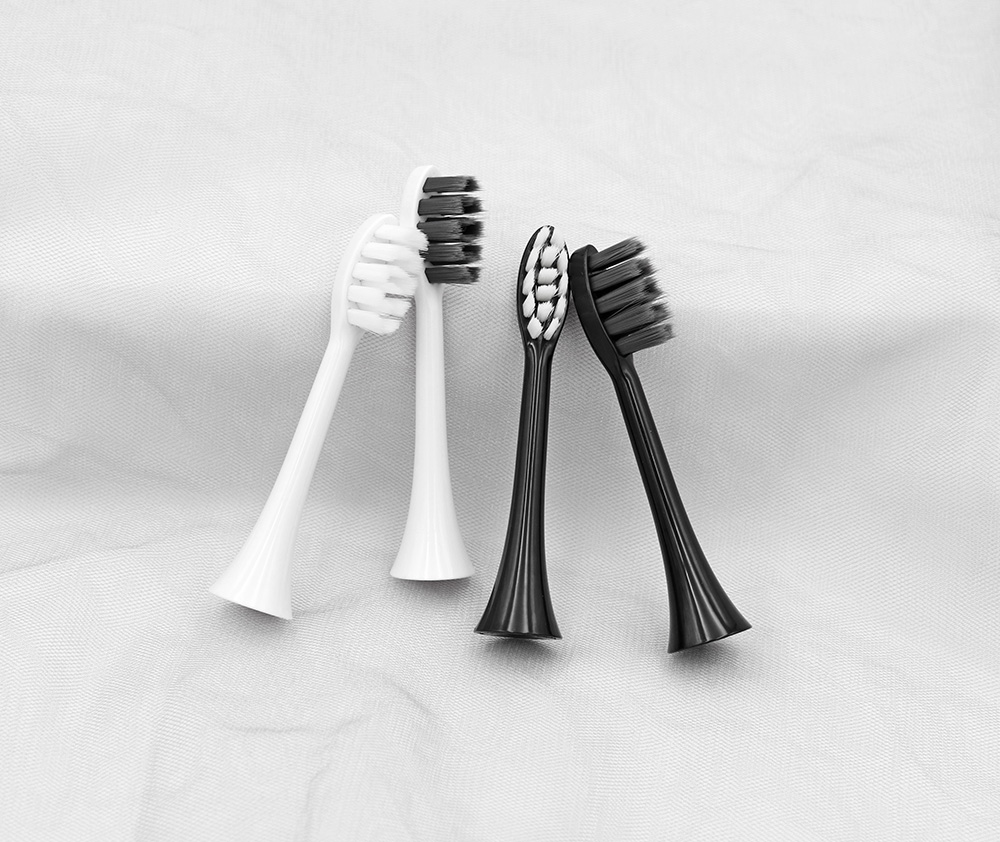
Electric Toothbrush Manufacturers Tell You the Truth About Charcoal Toothbrush Heads
What Are Eco-Friendly Toothbrush Bristles Made Of? A Guide for OEM Brands
How to Manufacture Your Electric Toothbrush Vision with the Right OEM Partner
.jpg)
How Can Travel Flosser Case Accessories Boost Your Dental Flosser Private Label Brand?
Corporate Wellness Gift Ideas in Seattle – Custom Electric Toothbrush Solutions
.jpg)
Does Noise Increase Signal Vibration Inconsistency?
What’s the Difference Between Expensive and Cheap Teeth Whitening light?
Short Battery Life and Motor Overheating in Electric Toothbrushes: How to Enhance Durability?
Can Reliable Water Flosser Component Suppliers Support Cordless Water Flosser Manufacturing?
.jpg)
Are You the Leading Water Flosser Nozzle Supplier for High-Volume Replacement Head Production?
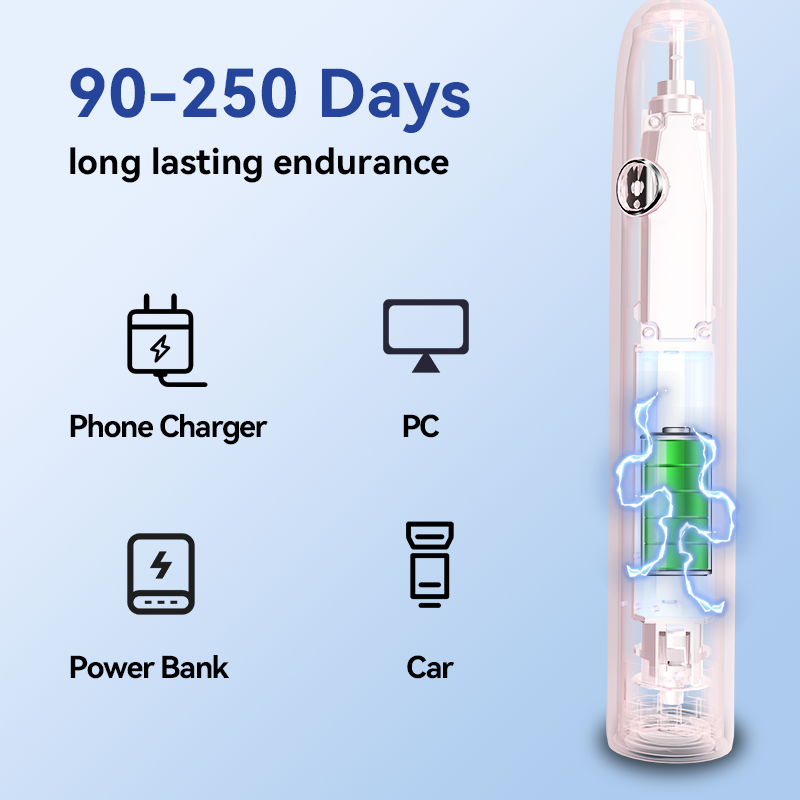
How Do I Know When My Toothbrush Is Fully Charged? OEM Solutions for Clear Indicators
Water Flosser Advantages: Key Selling Points for Brands to Highlight
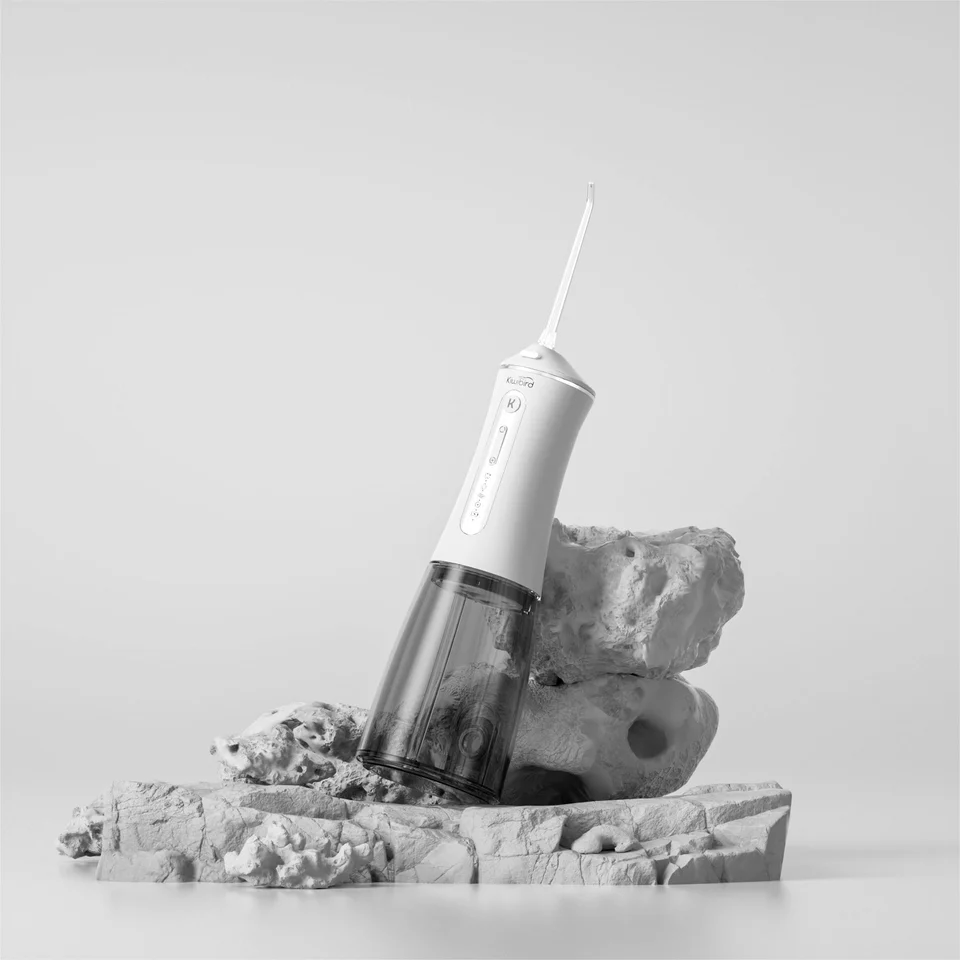
What Happens If the Water Flosser Suddenly Stopped Producing Water During Traveling?

Why Use Medical Silicone Tubing with a Waterproof Motor Housing in Water Flossers?

How to Find High-quality Electric Toothbrush Factories for Cooperation?
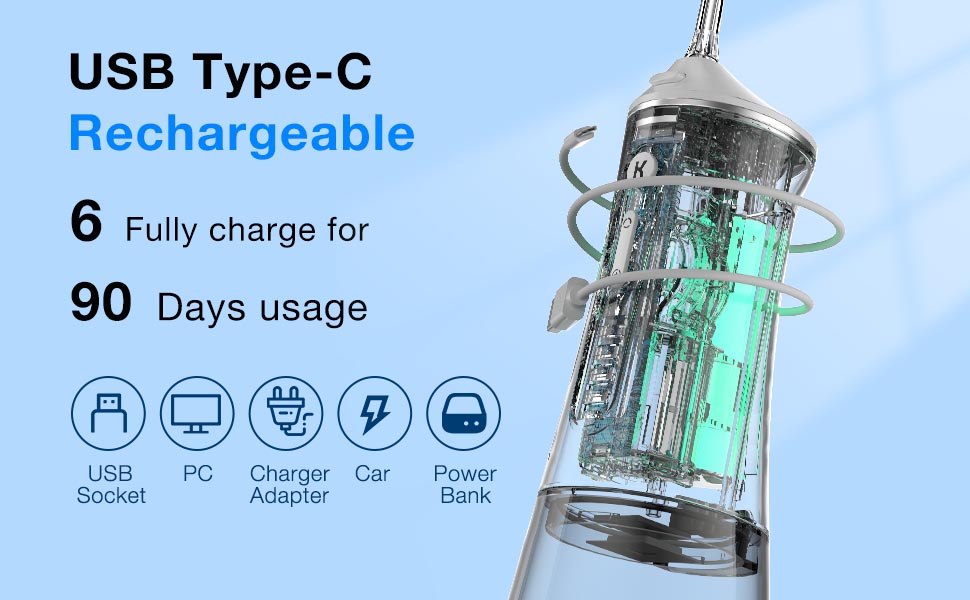
How Much Do You Know About the Knowledge of the Water Pump?


.jpg)
.jpg)
.jpg)
.jpg)
.jpg)