A Human-Centric Algorithmic Audit ensures systems remain aligned with user needs and safety. The Tactile Internet Protocol enables real-time, ultra-low latency interactions. Combining both requires careful evaluation of human impact. This blog explains why auditing such systems is essential.
The Tactile Internet Protocol enables instant data transmission with minimal latency. It supports real-time control in robotics, healthcare, and remote operations. Users can experience immediate feedback through touch-based interfaces. This technology demands high reliability and precision.
A Human-Centric Algorithmic Audit evaluates algorithms based on user safety and fairness. It examines how systems impact human decisions and experiences. The audit identifies biases, risks, and usability concerns. It ensures technology serves human interests effectively.
Systems using the Tactile Internet Protocol directly affect human actions. Any delay or error can lead to serious consequences. A Human-Centric Algorithmic ensures algorithms respond accurately and safely. This is crucial in medical and industrial applications.
A Human-Centric Algorithmic improves system transparency and accountability. Users gain confidence in systems using the Tactile Internet Protocol. Reliable performance builds trust across stakeholders. This is essential for widespread adoption.
Regulations increasingly require human-focused system validation. A Human-Centric Algorithmic Audit helps meet compliance requirements. It ensures ethical use of the Tactile Internet Protocol. This reduces legal and operational risks.
Audit insights help refine system performance over time. A Human-Centric Algorithmic highlights areas for optimization. Systems using the Tactile Internet Protocol can evolve with user needs. This supports long-term innovation and competitiveness.
A Human-Centric Algorithmic is essential for systems using the Tactile Internet Protocol. It ensures safety, trust, and compliance in real-time environments. For B2B manufacturers, this approach supports reliable and human-focused technology deployment. Contact us
Frequency and Tips for Using Your At-Home Mouthpiece Recommended by Your Dentist
.jpg)
Battery Degradation Accelerating LED Dimming – Unavoidable?
Buffalo Electric Toothbrush Retailer Sources Electric Toothbrush from PowSmart Manufacturer in China
Manual vs. Electric Toothbrush Comparison: Which Wins for Clean Teeth?
Electric Toothbrush Supply Chain China
Electric Toothbrush Mississippi | Powsmart Professional Manufacturer
How Does Cold Light Wavelength Affect Bleach Decomposition?
How Does Cold Light Wavelength Align with Pediatric Safety?
Why Do Pediatric Warnings Address Bleach Residuals?
Teeth Whitening with Braces Guide: Safe Options for a Bright Smile Focus Keyword: teeth whitening with braces guide
Teeth Whitening Device OEM Manufacturer
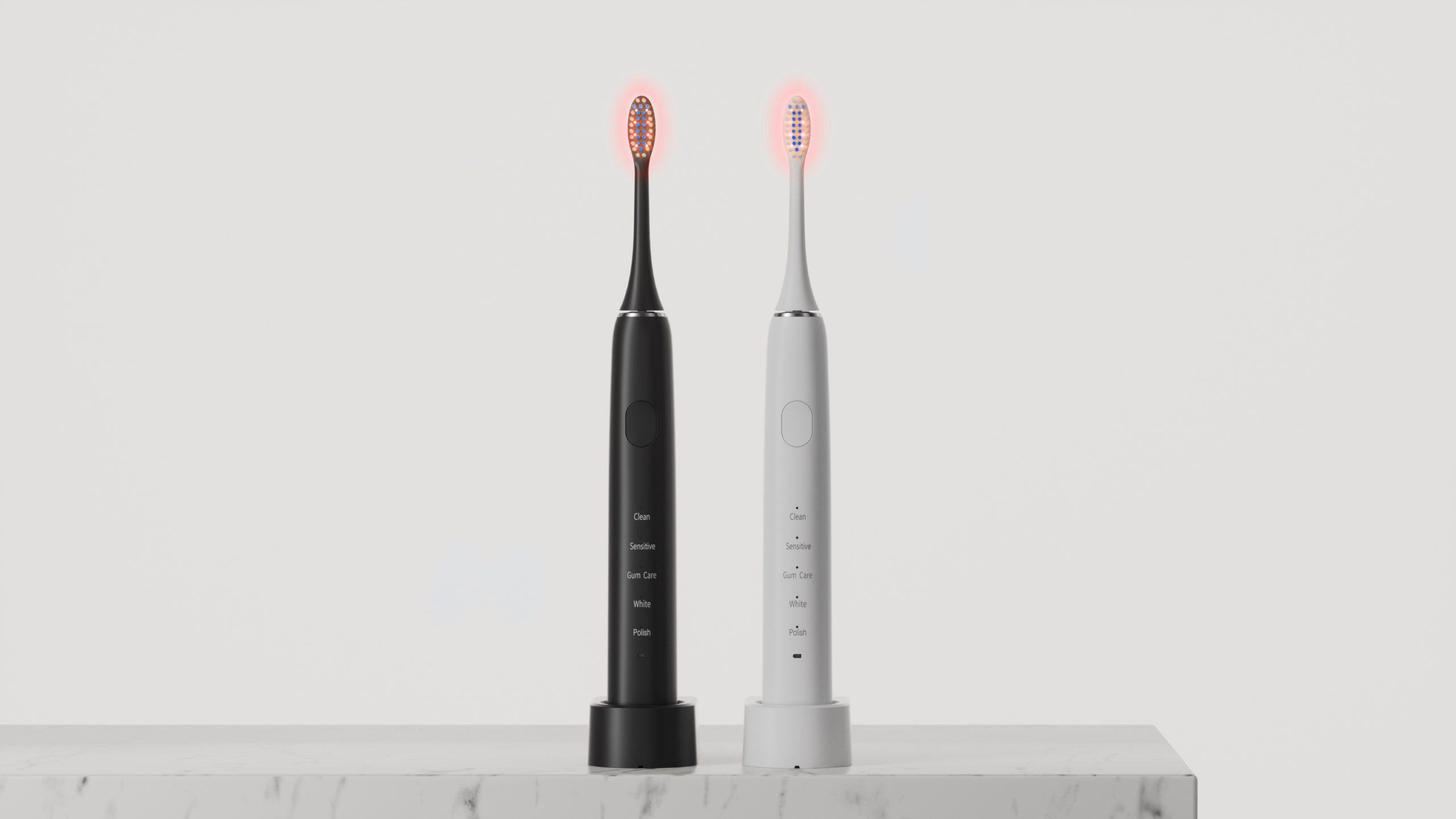
The Science of Light: How Red & Blue LED Technology Enhances Modern Oral Care
Tetracycline Stains Whitening Guide: Best Methods for Stubborn Discoloration
Electric Toothbrush Waterproof IPX8 Manufacturer
Teeth Whitening Device ODM Service
Electric Toothbrush Warranty Coverage Explained: What Your Warranty Actually Covers


.jpg)
.jpg)
.jpg)
.jpg)
.jpg)






.jpg)
.jpg)