
Aggressive brushing techniques combined with improper Bristle Hardness can contribute to Gum Recession, even when users think they’re improving oral hygiene. In fact, a toothbrush that’s too stiff or poorly designed may abrade the delicate gum margin over time. Consequently, manufacturers must understand the interplay between brush design, materials, and brushing behavior to safeguard patients’ periodontal health.
First and foremost, today’s dental professionals and end users expect electric toothbrushes to deliver superior plaque removal without harming soft tissues. As gum health gains prominence in preventative care, the market demands brush heads that balance cleaning power with gentleness. Therefore, selecting the correct Bristle Hardness and head pattern is critical to prevent inadvertent abrasion while still achieving clinically proven results.
Moreover, the gingival margin—the tiny band of tissue at the tooth‑gum interface—is particularly susceptible to mechanical trauma. Repeated scratching or compression can disrupt the epithelial attachment, leading to Gum Recession. In addition, exposed dentin increases sensitivity and caries risk. Understanding this anatomy helps designers engineer toothbrushes that minimize lateral forces against the sulcus.
Furthermore, studies show that medium‑ or hard‑bristled brushes can remove plaque more quickly but at the expense of soft tissue health. Conversely, ultra‑soft bristles reduce abrasion but may lack sufficient cleaning force if not optimally arranged. Key factors include:
Therefore, calibrating bristle composition and geometry is essential to prevent wear on the gingival margin. Company web:https://www.powsmart.com/product/electric-toothbrush/
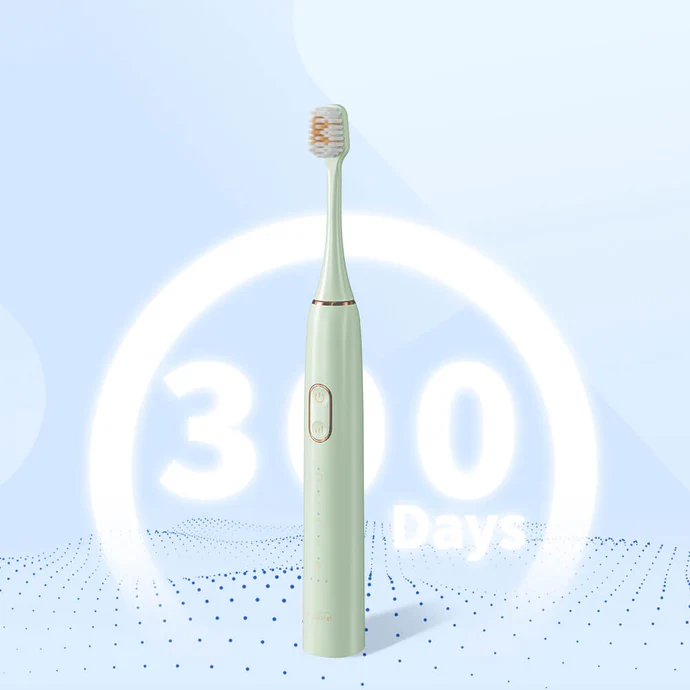
In addition to bristle properties, user technique dramatically affects outcomes. Excessive brushing pressure—even with soft bristles—can cause gingival microtrauma. Likewise, horizontal scrubbing motions exacerbate wear at the cemento‑enamel junction. Integrating pressure sensors that alert users to over‑forceful brushing and providing visual or haptic feedback can mitigate these behaviors, thereby reducing Gum Recession risk.
To address both efficacy and safety, B2B manufacturers should consider:
These multi‑pronged design enhancements ensure comprehensive care without compromising gum integrity.
Finally, in an industry founded on trust, rigorous quality control and ongoing R&D are paramount. Manufacturers should implement:
By committing to these standards, B2B partners can deliver electric toothbrush solutions that maximize plaque removal while actively protecting against Gum Recession and user discomfort.
Conclusion
Could your toothbrush be contributing to gum damage? By carefully balancing Bristle Hardness, head design, and user feedback mechanisms—and by rigorously testing abrasion and pressure impacts—manufacturers can create products that clean effectively without compromising soft tissue health. For customized solutions or clinical testing partnerships, please contact our team of oral‑care technology experts.
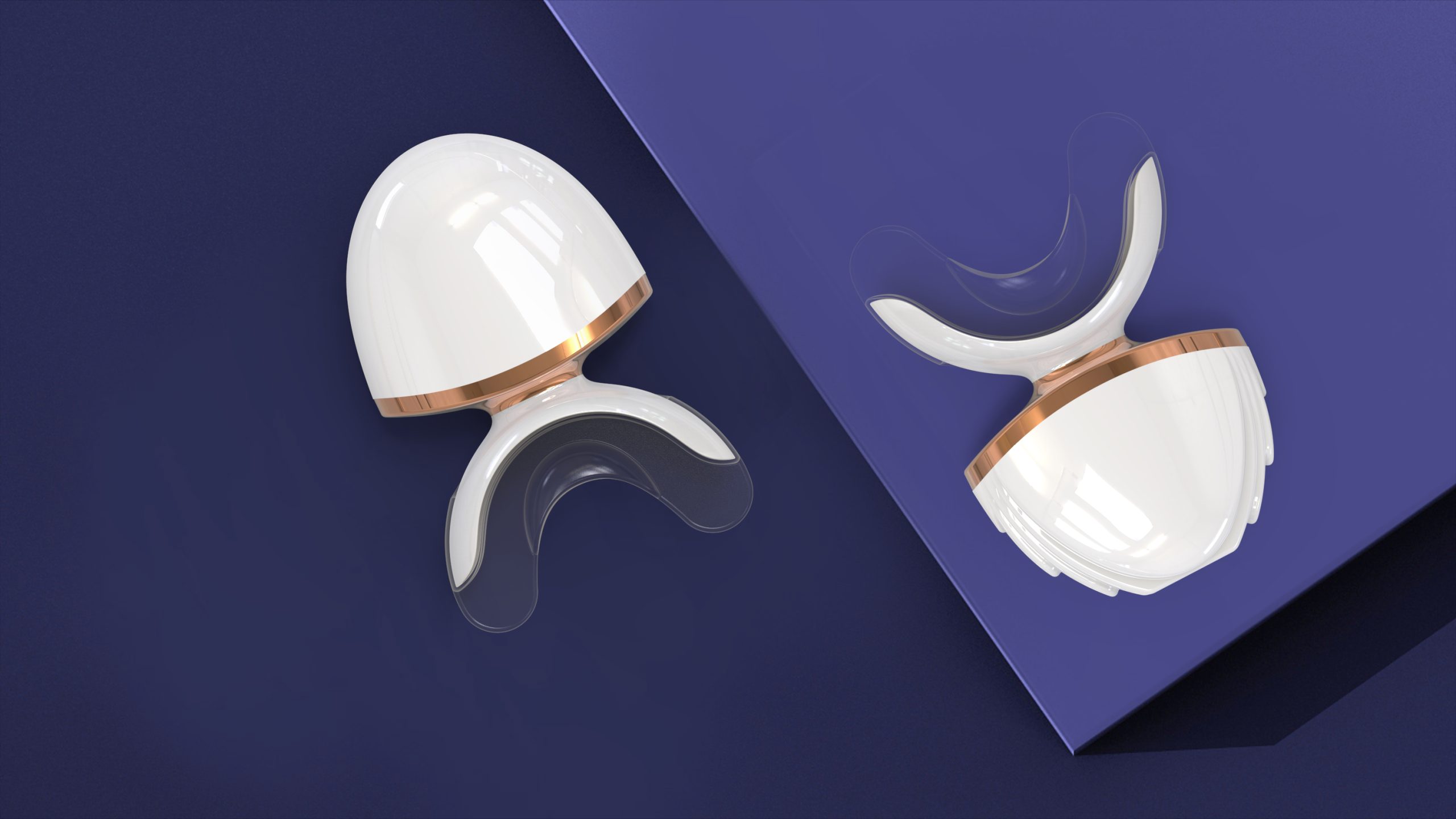
Is Blue Light Under 480nm Safe for Teeth Whitening Devices?
.jpg)
How to Handle Temperature Spikes and Handle Slippage?

water Flosser Technology Innovation Leads to New Oral Care Trends

Preventing Mold in Water Flosser Tanks: Silver Ion vs. UV Sterilization

Enjoy Using a Water Flosser to Boost Oral Hygiene
Is Your Electric Toothbrush Losing Power Too Fast?
Is Your Kids’ Electric Toothbrush Too Loud?
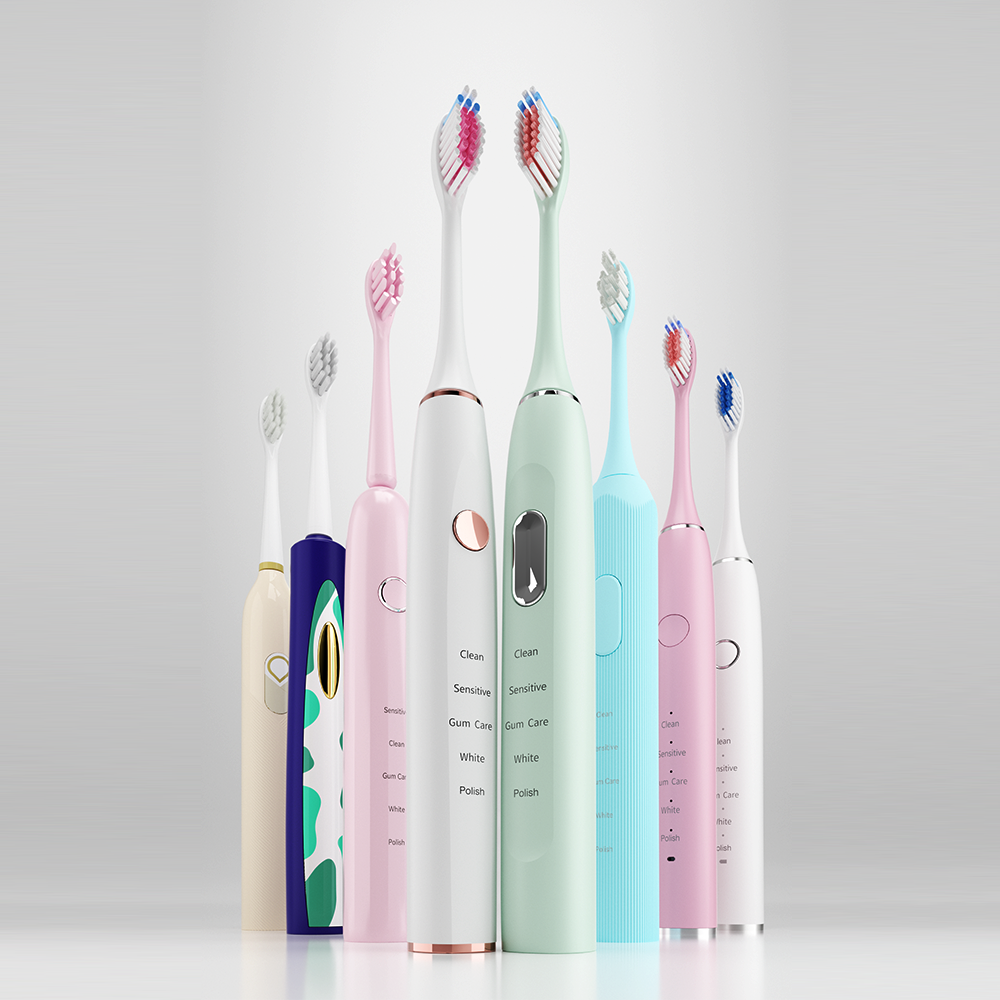
Difference between sonic toothbrush and sweeping electric toothbrush

Scientific Oral Care: An All-Inclusive Guide to Preventing Oral Diseases
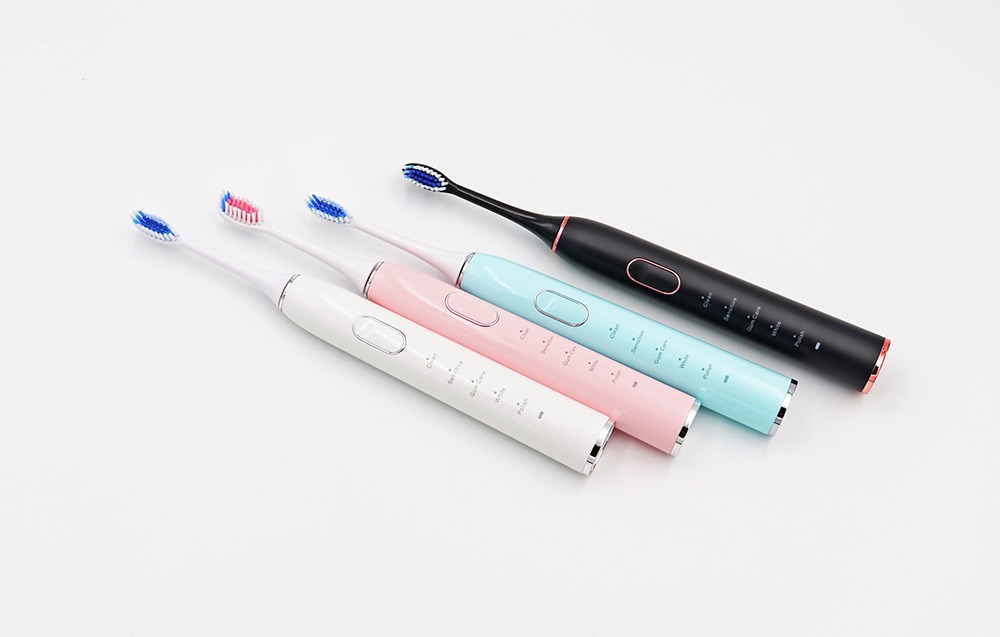
From manual to electric toothbrushes: a revolution in changing toothbrush habits
Gift for Software Engineer Electric Toothbrush Bangalore
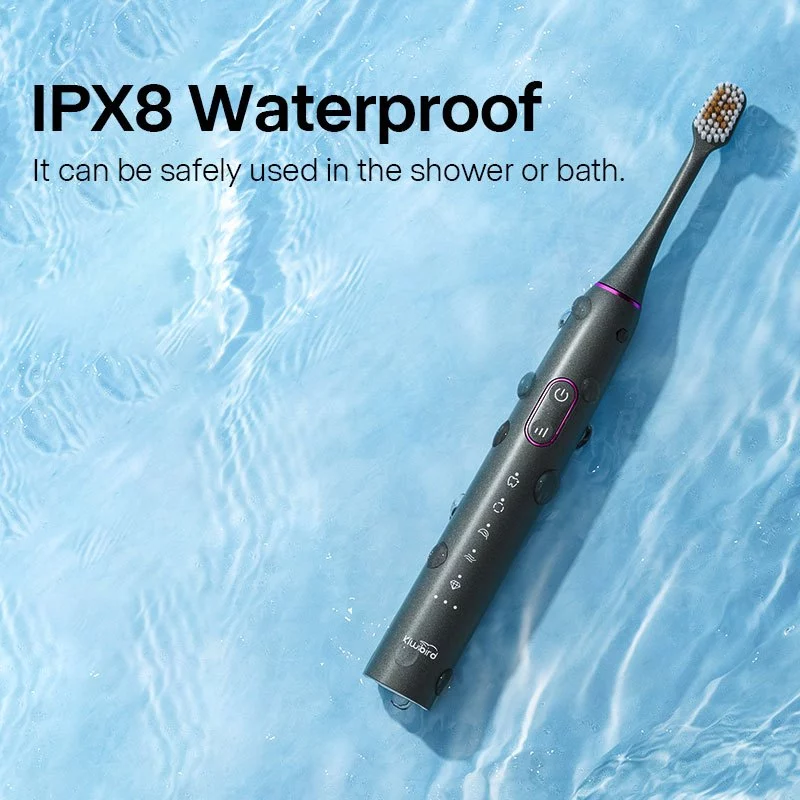
Can a Bangalore AI toothbrush boost your Efficient brushing tech routine?
Common quality problem with electric toothbrushes
Are Filter Degradation and Voltage Drops Linked?
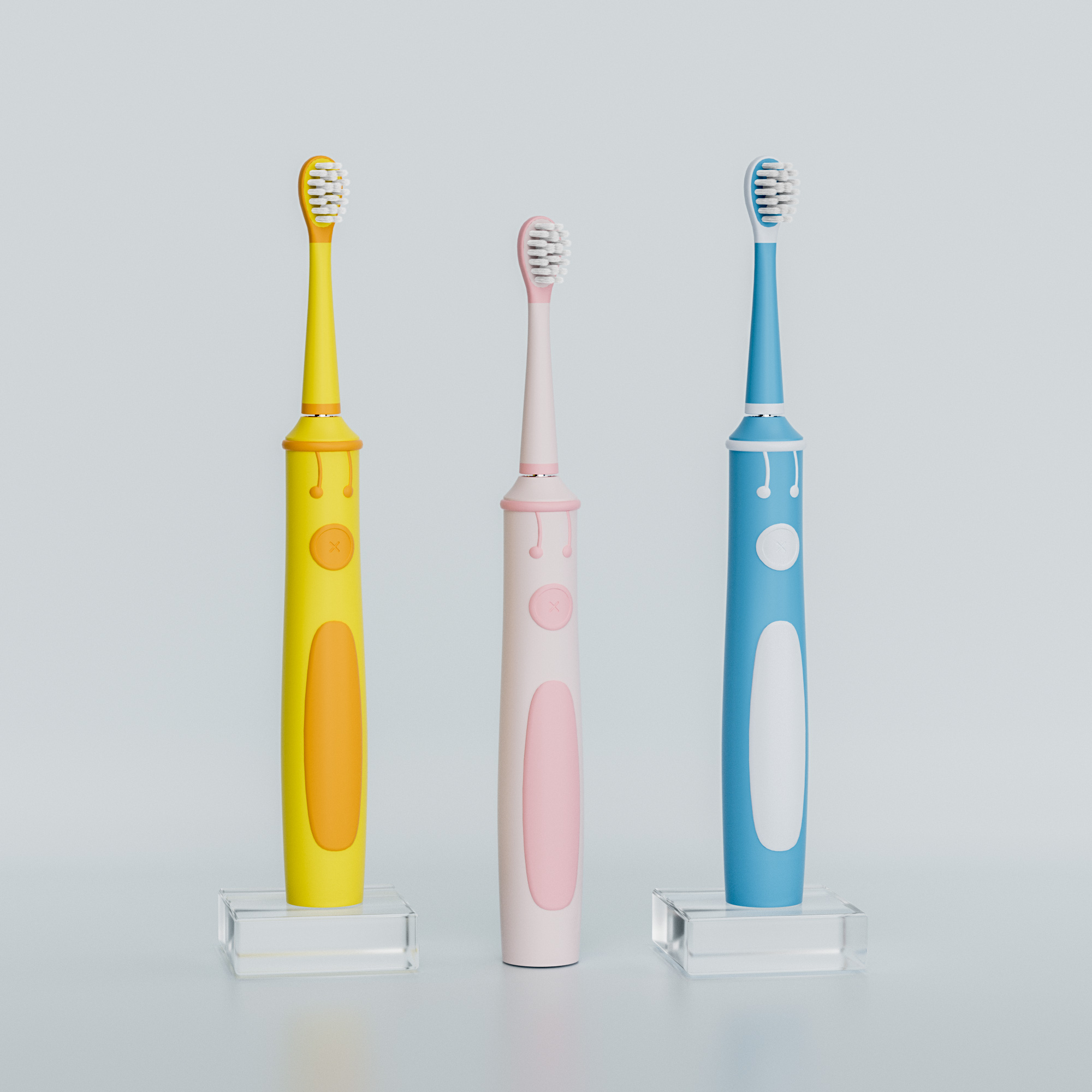
Children’s Oral Care: Developing Good Oral Habits at an Early Age
Dentist’s Guide: Choosing the Right LED Whitening Device for Stains


.jpg)
.jpg)
.jpg)
.jpg)
.jpg)






.jpg)

.jpg)
.jpg)