In modern oral care product design, gingival recession and cervical hypersensitivity are increasingly reported issues. While cervical hypersensitivity typically presents as sharp pain along the gum line, it may also be an early sign of progressive gingival recession. This raises a critical question for oral device manufacturers: is the damage reversible, or are design flaws compounding these conditions?
Gingival recession refers to the gradual withdrawal of gum tissue from the tooth surface, exposing the roots and increasing the risk of infection. Key contributing factors include:
Once gingival tissue recedes, full restoration is often difficult without surgical intervention.
Cervical hypersensitivity arises when dentin near the gum line becomes exposed. Consumers report sudden sharp pain triggered by:
Inadequate pressure sensing and overpowered motors can unintentionally aggravate this sensitivity during daily brushing routines. Company web:https://www.powsmart.com/product/electric-toothbrush/
Yes. Cervical hypersensitivity can act as an early warning for impending gingival recession. When hypersensitivity pain causes consumers to alter brushing behavior or skip certain areas, plaque accumulates, worsening gum health. Alternatively, users ignoring pain signals may over-brush sensitive zones, accelerating gum tissue loss.
Hence, the two issues are closely interconnected in product failure diagnostics.
Several design factors contribute to these conditions:
Manufacturers must address these risks at both the hardware and software levels to prevent irreversible damage.
To minimize the risk of gingival recession and cervical hypersensitivity, leading brands should:
Such solutions not only enhance safety but also improve consumer trust in product reliability.
While early-stage cervical hypersensitivity is manageable, advanced gingival recession is often irreversible without surgical intervention. For manufacturers, the goal must be preventive design. Devices that adapt to sensitive zones, minimize mechanical stress, and guide users effectively are key to avoiding irreversible oral tissue damage.
Looking to develop safer, gum-friendly oral care devices? Contact us for OEM/ODM solutions that integrate protective design for healthier smiles.Contact us
.jpg)
.jpg)
How to Choose the Best Water Flosser for Your Dental Needs?
.jpg)
What Causes a Water Flosser to Stop Working? A Manufacturer’s Analysis
What is the Most Sanitary Way to Keep a Toothbrush? OEM Solutions for Modern Oral Care
.jpg)
How to Manage an Electric Toothbrush ODM Project From Concept to Launch
Can Sonic Vibration Motor Technology Synergize With Pressure Sensor Technology for Smarter Oral Care?
Small Batch Electric Toothbrush OEM for Flexible B2B Brands
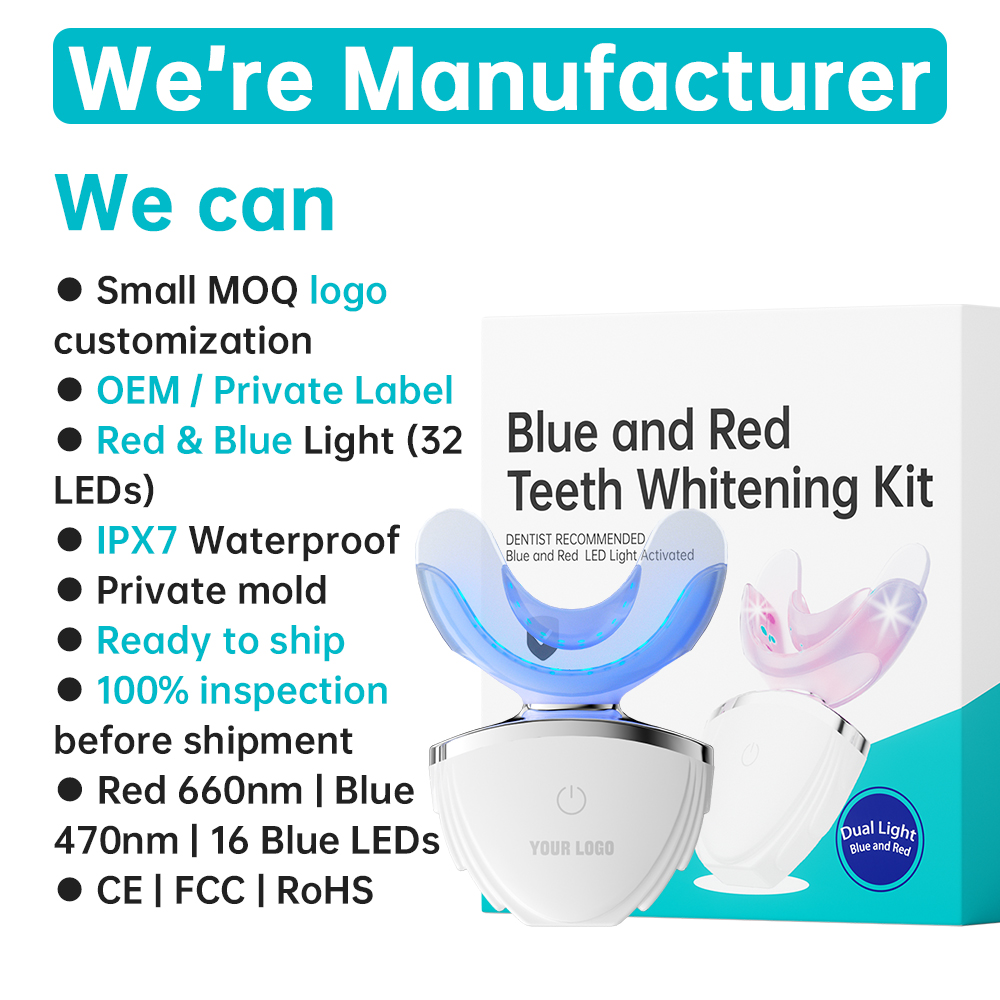
Why Should Advanced Material Integration Include Embedded Self-diagnostic Componentry?
Interested in a Revenue Sharing Partnership to Launch a Micro-current Skin Tightening Device?
.jpg)
An Essential Ingredient for Success in the Dental Care Brand Business
Dentist Recommended Toothbrush Guide: Choose a Dentist-Approved Brush

How Does Blue LED Technology in Whitening Ensure Gum Protection?
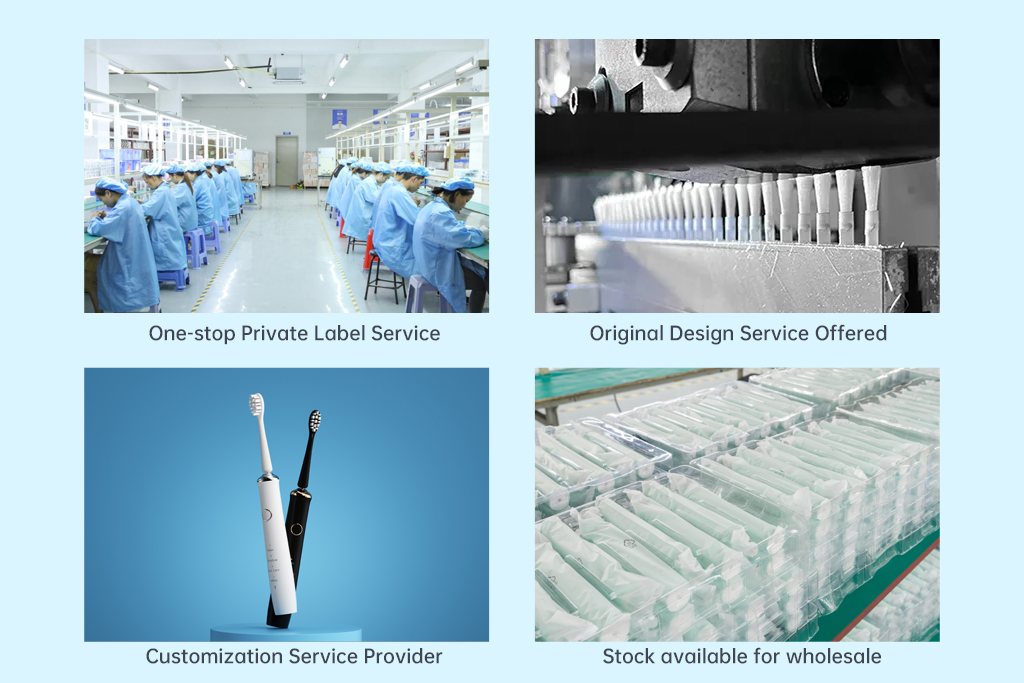
How to Find Reliable Electric Toothbrush Manufacturers for Your Oral Care Brand
USB Charging Sonic Toothbrush Supplier
Hotel Electric Toothbrush Bulk Supply for Hospitality & OEM Programs
Excessive Noise and Grip Failure Damaging Toothbrush Reputation?

Cost Structure Analysis and Risk Avoidance of Small Batch Trial Production for Whitening Teeth Devices


.jpg)
.jpg)
.jpg)
.jpg)
.jpg)



.jpg)
.jpg)