In the world of whitening treatments, gel leakage has emerged as a critical factor threatening enamel integrity and user confidence. Many B2B customers report a growing incidence of enamel translucency—the gradual thinning and see-through appearance of tooth enamel—following gel leakage incidents during whitening sessions. But is this just a cosmetic setback, or could it signify permanent structural damage? Let’s examine why this problem happens, how serious it is, and what manufacturers can do to safeguard both product quality and consumer trust.
Gel leakage occurs when whitening agents, typically peroxide-based gels, escape from their trays or reservoirs due to:
Once the gel seeps beyond intended areas, it contacts unprotected soft tissue and enamel surfaces, prolonging exposure far beyond safe thresholds.
Enamel translucency is characterized by a glassy, almost grey appearance of the teeth. This can be more than an aesthetic concern:
Thus, when gel leakage is left unchecked, the damage can transition from temporary discoloration to long-term vulnerability.
It’s no coincidence that gel leakage and enamel translucency frequently appear in tandem. The reasons include:
These factors create a perfect storm where the enamel is repeatedly etched, leading to visible translucency. Company web: https://www.powsmart.com/product/electric-toothbrush/
Failing to control leakage carries significant business risks:
Proactive engineering and clear usage instructions are essential to avoid these pitfalls.
To protect customers from enamel translucency and safeguard your brand, manufacturers should:
These measures ensure that whitening agents remain where they belong—on the enamel surface and nowhere else.
Even the best-designed products require proper handling. B2B partners should be equipped to:
When education and engineering align, the likelihood of permanent enamel damage drops significantly.
While gel leakage and enamel translucency can be linked to user technique, they often trace back to overlooked design details. To prevent these issues from escalating into claims of permanent damage, manufacturers must commit to smarter containment solutions and proactive customer education. In a market where trust is everything, protecting enamel health isn’t just good ethics—it’s good business. Contact us
.jpg)
Charging Corrosion Causing Motor Burnout?
Electric Toothbrush Production Capacity for OEM & Wholesale Buyers

Can a Water Pump OEM Ensure Consistency Without a Flow Rate Calibration Tool?
Premium Oral Care Product Selection Strategies in the Consumer Upgrade Era
-2-scaled.png)
Clinical Validation of Modern Teeth Whitening Technologies: A Guide for Oral Care Product Brands
Enamel Erosion with Cavity Acceleration – Vicious Cycle?
How Does a Pressure Sensor Protect Gums?
Is Your Whitening Syringe Supplier Qualified for Home Use Whitening System Kits?
How Does UV Whitening Technology Comply with Dental Grade Whitening Standards?
.jpg)
Powsmart Electric toothbrush Factory San Diego California
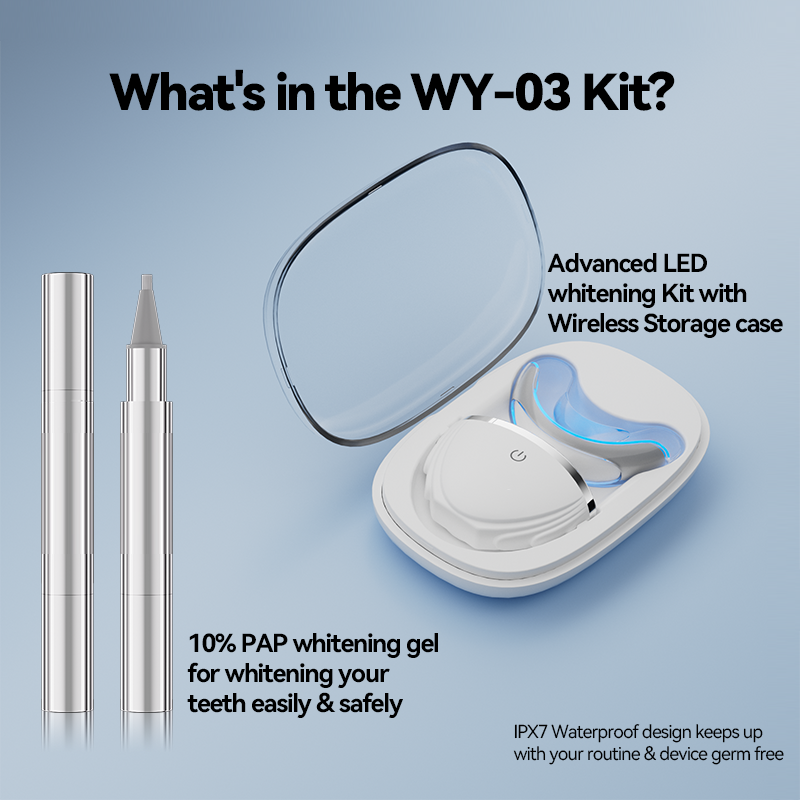
Clinical Results: Effectiveness of Home Teeth Whitening Device results
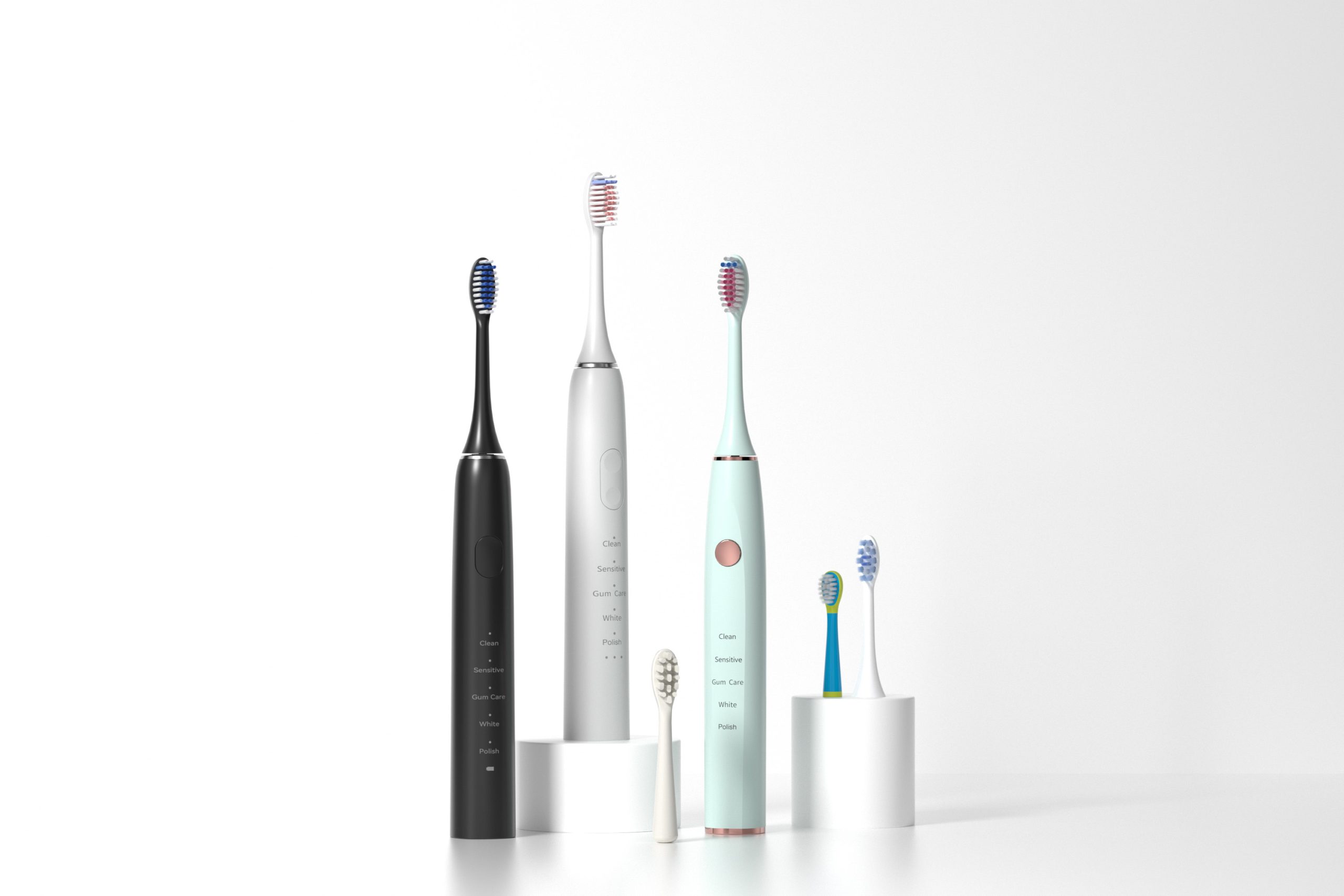
Gentle Yet Effective Cleaning: Sonic Toothbrush for Receding Gums
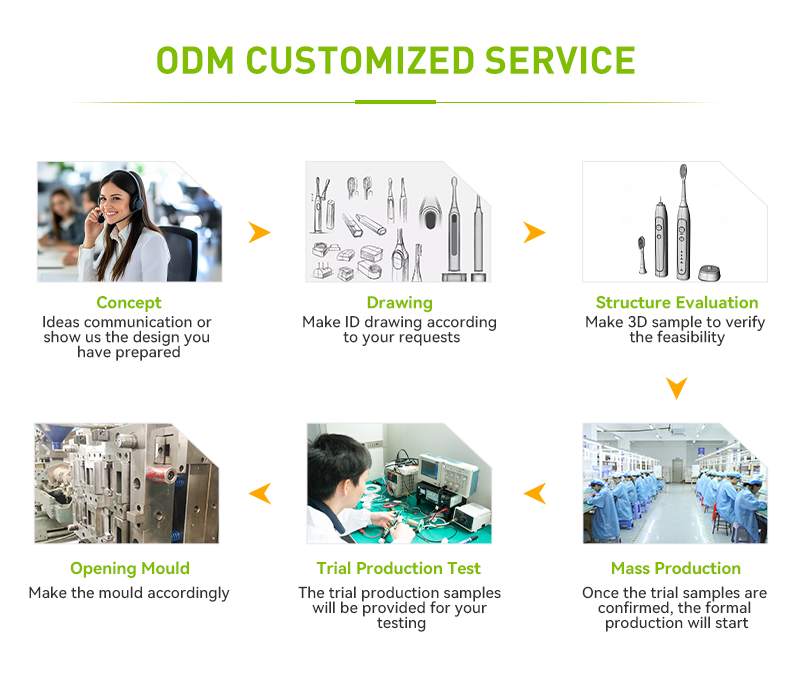
Does Your Contract Manufacturing Agreement Provide Quality Certification Support?
Why Are Safe Whitening Ingredients Paramount in a Wearable Whitening Strip?
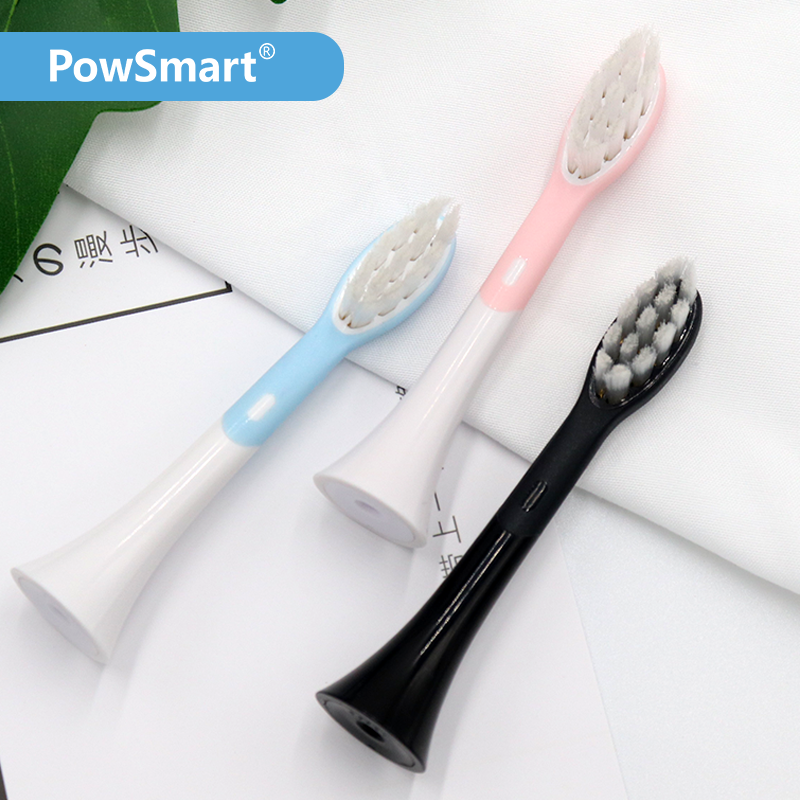
The Brush Head Was Shedding Bristles While Brushing My Teeth
Why Build a Pressure Control System with Medical-grade Material for Professional Flossers?


.jpg)
.jpg)
.jpg)
.jpg)
.jpg)



.jpg)