For many oral care device manufacturers, button decay has quietly emerged as an underestimated contributor to unexpected sensitivity spikes in end users. While it is tempting to assume that incorrect operation is to blame, in reality, deteriorating button components often trigger irregular performance that no amount of user diligence can prevent. In this article, we explore how these failures arise, why they create unexpected discomfort, and what manufacturers can do to eliminate the risk at the design level.
Button decay refers to the gradual degradation of mechanical or capacitive switch components. Over time, exposure to moisture, toothpaste residue, and repeated pressure can lead to:
When buttons decay, they may fail to engage properly or, worse, generate unintended commands that activate higher-intensity settings without the user realizing it.
Sensitivity spikes are sudden, pronounced sensations of discomfort during brushing or treatment cycles. They typically stem from:
As button decay progresses, these random shifts in intensity become more frequent, compromising both safety and comfort. Company web: https://www.powsmart.com/product/electric-toothbrush/
It is common to attribute these sensitivity spikes to user mistakes—such as failing to set the correct mode. However, evidence shows that even experienced users encounter sudden sensitivity when decaying buttons misfire commands. This misconception can harm customer relationships:
Recognizing that hardware degradation is the root cause is essential for a fair resolution.

For B2B customers, persistent button decay issues can escalate quickly:
In highly competitive markets, ignoring such defects can erode brand loyalty and damage relationships with distributors.
To prevent button decay from triggering sensitivity spikes, manufacturers should consider these measures:
These steps can dramatically reduce the likelihood of decay-related failures.
Proactive engineering doesn’t just protect your brand—it creates an opportunity to stand out:
By investing in robust design, you can transform a potential liability into a point of differentiation.
While it’s easy to blame consumers for incorrect settings, button decay is a hidden factor behind many unexpected sensitivity spikes. Manufacturers who acknowledge this and commit to better materials, smarter firmware, and clear communication will build stronger relationships with B2B partners and end users alike. Ultimately, ensuring consistent performance is not just about user education—it’s about designing for real-world wear and tear. Contact us
Is It Because Water Ingressed That the Water Flosser Can’t Be Charged?
.jpg)
Enamel Scratching from Gum Irritation – Reversible?
Quiet Sonic Toothbrush OEM Manufacturer for Global Brands
Why is Quality Certification Support integral to a successful Contract Manufacturing agreement?
As a Micro Motor Supplier, Do You Also Provide the UV Sanitizing Component?
.jpg)
adult electric toothbrush factory
powsmart adult electric toothbrush
Multi-Mode Electric Toothbrush Manufacturer for OEM Oral Care Projects
.jpg)
OEM Essentials for Electric Toothbrush Production
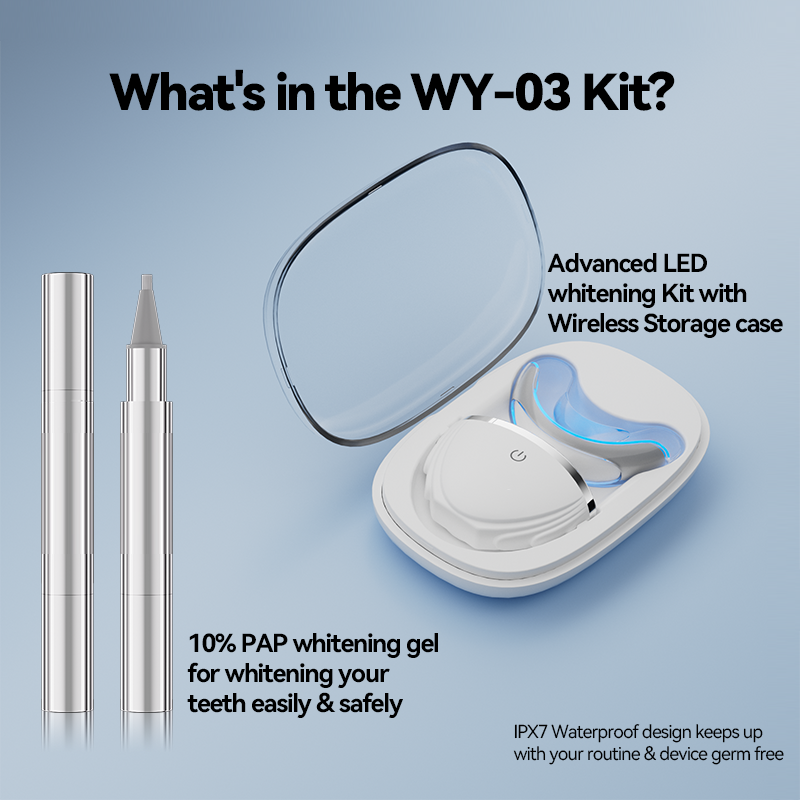
Clinical Results: Effectiveness of Home Teeth Whitening Device results
Head Detachment During Lip Abrasions – Design Fault?
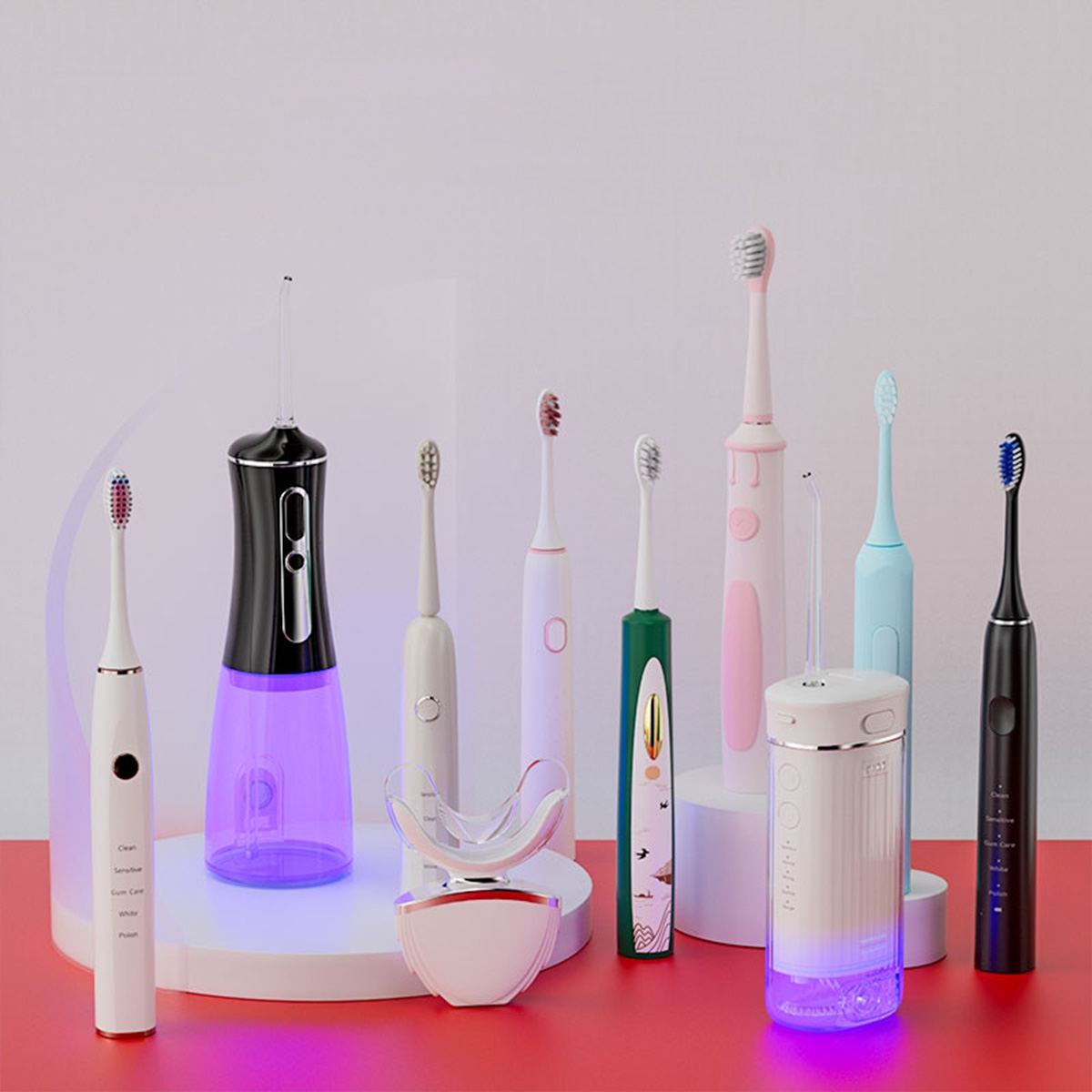
comprehensive oral care solutions: Why Consumers Prefer Them
Can Smart App Connectivity Be Leveraged to Manage Brush Head Replacement Supply?
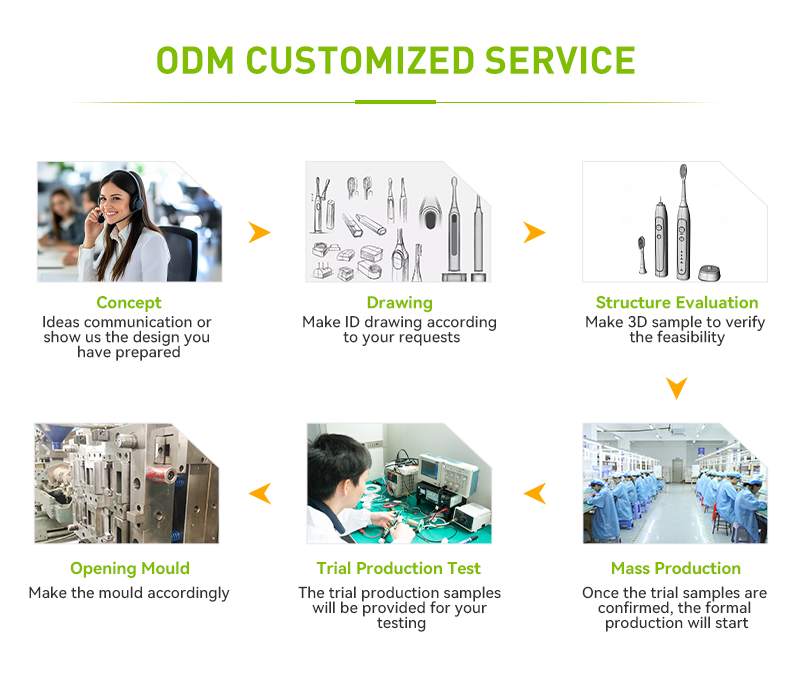
Does Your Contract Manufacturing Agreement Provide Quality Certification Support?
.jpg)
Powsmart Electric toothbrush Factory San Diego California
Seal Degradation Plus Battery Swelling – Safety Risk?


.jpg)
.jpg)
.jpg)
.jpg)
.jpg)