
In recent customer feedback, some users of water flossers and oral irrigators have reported unexpected tooth loosening after periods of irregular use. While such symptoms may be attributed to pre-existing oral health issues, a growing body of field data suggests that flow inconsistency in water-based oral care devices could be an overlooked contributor. Is this correlation coincidental—or a potential early warning sign manufacturers need to investigate? In this article, we explore the possible mechanical-biological link and what it means for B2B product development.
Flow inconsistency refers to unpredictable variations in water pressure, pulse timing, or jet volume during device operation. This can manifest as sudden surges, irregular bursts, or weak intermittent streams. Causes may include:
Even minor instability in flow can reduce cleaning efficiency or, in worse cases, apply erratic force on soft oral tissues and interdental areas.
Though the gums are resilient, repeated mechanical stress from flow inconsistency can have unintended consequences:
In users with weakened gums or prior bone loss, this pressure imbalance may accelerate tooth loosening, particularly in molars and premolars that absorb higher directional forces.
A number of post-market surveillance reports have documented cases where consumers experienced sensitivity, shifting teeth, or bleeding—later traced back to devices exhibiting flow inconsistency. In many instances:
This indicates a design oversight that, while not acutely dangerous, can lead to chronic issues if left unresolved. Company web:https://www.powsmart.com/product/electric-toothbrush/
To mitigate risks, manufacturers must focus on the root causes of flow inconsistency:
A stable flow isn’t just about performance—it directly impacts safety in high-frequency use.
Modern water flosser development should include targeted testing for pressure tolerances and gingival response. Suggested protocols:
Through such robust testing, manufacturers can validate whether tooth loosening is a credible risk or an isolated misuse case—and refine designs accordingly.
While more clinical data is needed to declare a direct causal link between flow inconsistency and tooth loosening, the correlation is too strong to ignore. For brands committed to user safety and product longevity, addressing this issue at the engineering and QA level is critical. Remember: even slight deviations in flow uniformity can translate to real-world biological stress in sensitive oral regions. Better flow control means better user outcomes—and fewer red flags down the line. Contact us
-3-1024x576.png)
.jpg)
Why Does the Vibration of My Electric Toothbrush Seem to Have Decreased?
.jpg)
Sonic Cleaning Electric Toothbrush Manufacturer: Advanced Oral Care Technology
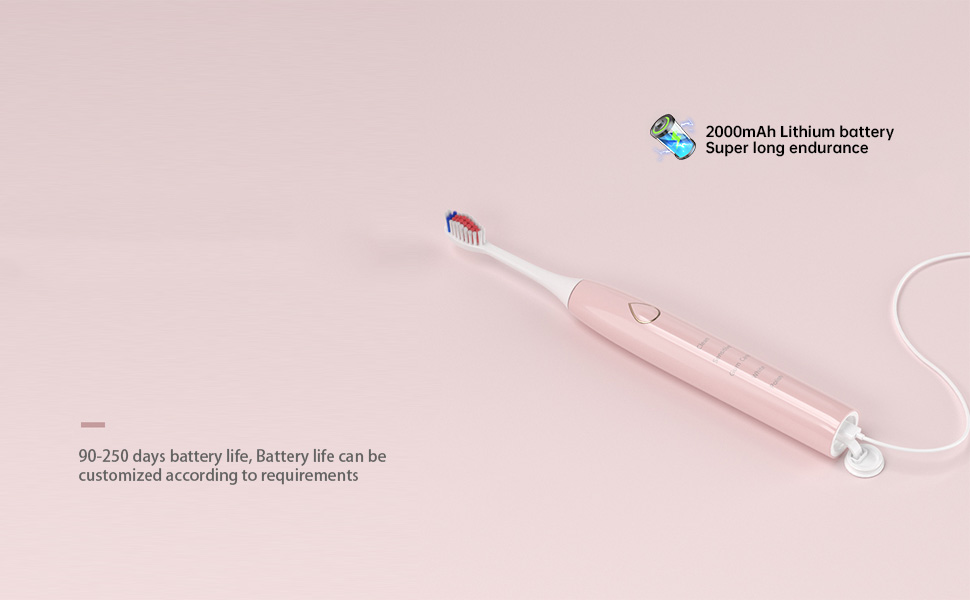
What Should I Do If My Oral Irrigator Fails to Charge?
.jpg)
Gentle Sonic Vibrations Electric Toothbrush for Sensitive Teeth
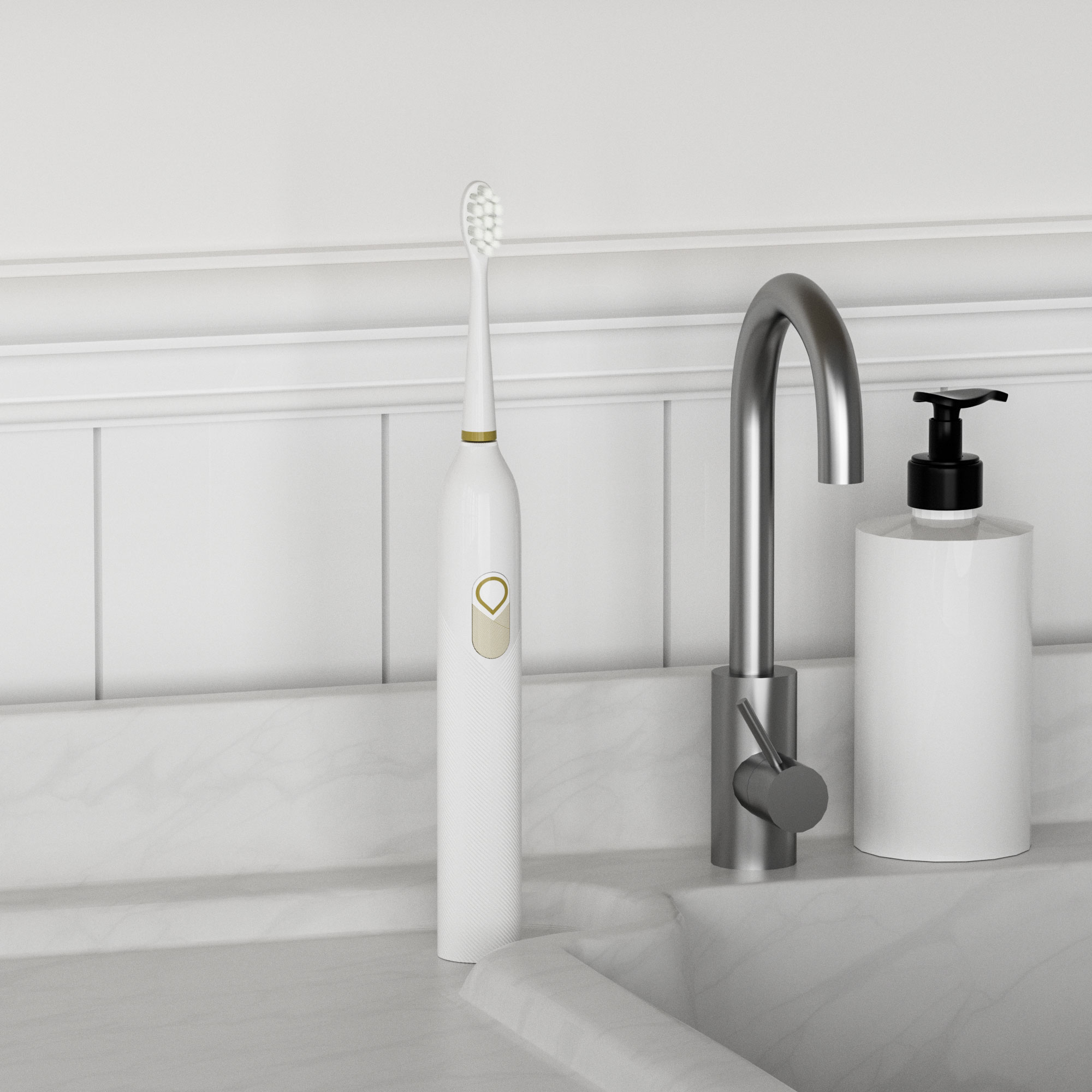
The proper way to use an electric toothbrush
Sonic Toothbrush Bulk Supplier

Designing a Prenatal Oral Health Program Kit? Have You Considered Circular Design-as-a-Service?
Wholesale Long Lasting Rechargeable Sonic Electric Toothbrush PTR-C4/C8/C9S OEM Custom Logo
Anti Slip Electric Toothbrush Handle OEM: Ergonomic & Safety Design Guide
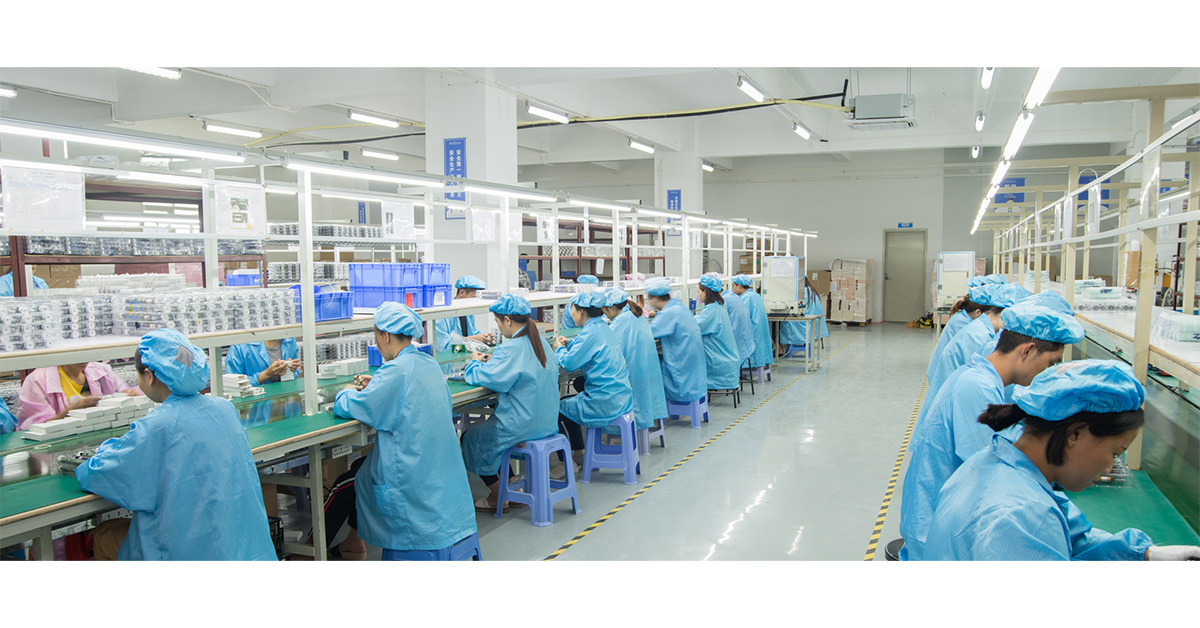
What is the process of customizing an exclusively designed electric toothbrush?
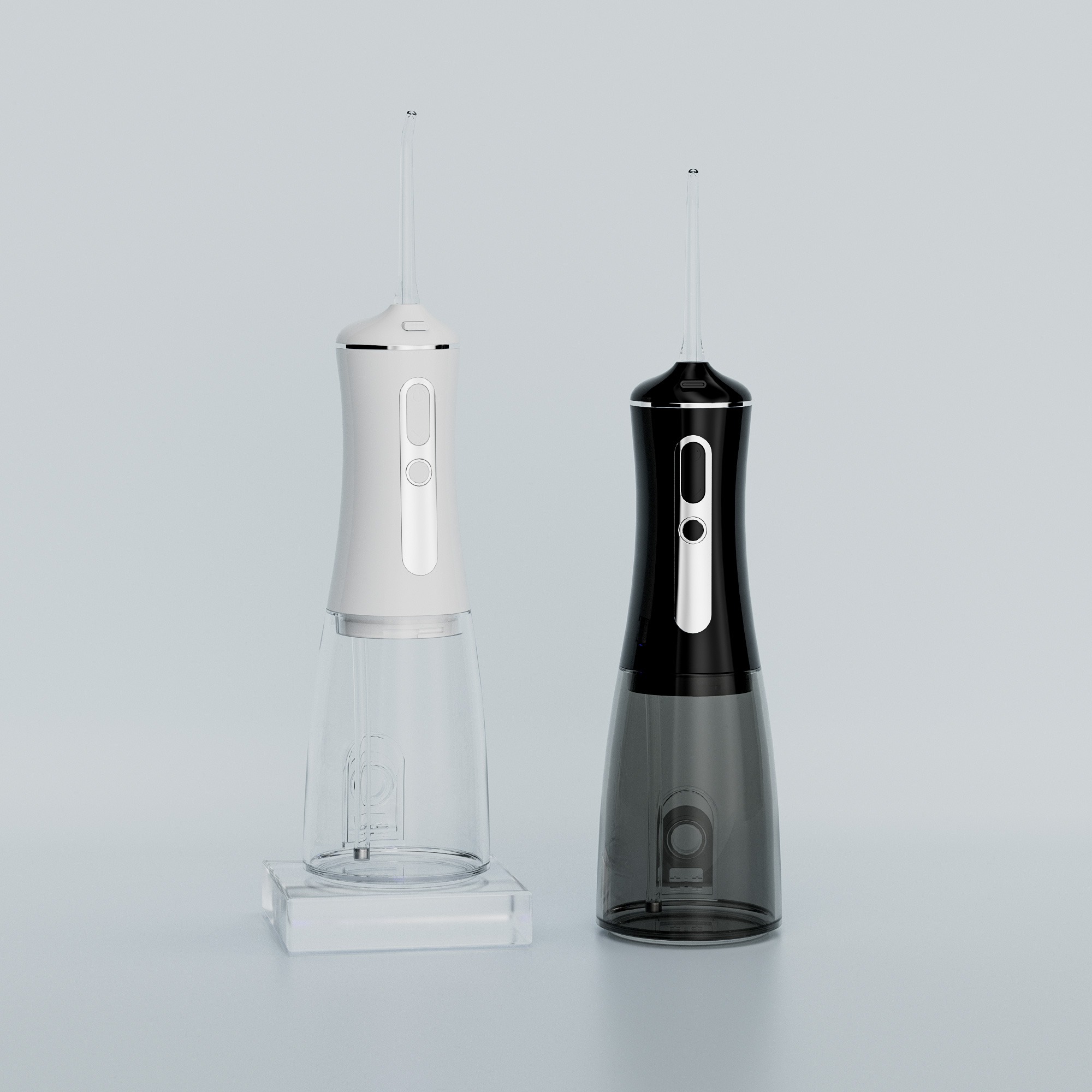
Modern technology in oral care: innovative products and services
Mother’s Day Dental Care Gift Packages WA | Wholesale Supply
How to Choose a Reliable Electric Toothbrush OEM Factory and Build Long-Lasting Product Lines?
small batch electric toothbrush production for startups
High Torque Electric Toothbrush Supplier
Waterproof Failure Causes Battery Leakage? Deadly Electric Toothbrush Flaw!


.jpg)
.jpg)
.jpg)
.jpg)
.jpg)



.jpg)
.jpg)