A Registry Data Partnership provides structured access to large-scale clinical and operational healthcare datasets. An Evidence Synthesis Service combines multiple evidence sources into actionable healthcare insights. Combining both improves research quality and decision-making. This blog explains key advantages.
Reliable datasets improve research accuracy significantly. A Registry Data Partnership supplies long-term patient and treatment information systematically. An Evidence Synthesis Service integrates this data with broader research findings. This improves evidence quality.
Broader datasets strengthen analytical reliability. A Registry Data Partnership captures diverse patient populations and healthcare environments effectively. An Evidence Synthesis Service benefits from richer comparative insights. This improves research relevance.
Healthcare organizations require timely analytical insights. A Registry Data Partnership provides continuously updated clinical information streams. An Evidence Synthesis Service transforms complex data into practical recommendations. This accelerates decision-making.
Healthcare authorities increasingly require real-world evidence. A Registry Data Partnership supports credible long-term clinical documentation. An Evidence Synthesis Service strengthens reimbursement and regulatory submissions. This improves compliance readiness.
Evidence-driven innovation improves product competitiveness. A Registry Data Partnerships identifies treatment trends and unmet clinical needs effectively. An Evidence Synthesis Service supports strategic product optimization decisions. This enhances innovation planning.
Reliable evidence improves organizational credibility. A Registry Data Partnerships demonstrates commitment to structured data collection standards. An Evidence Synthesis Service supports transparent healthcare evaluations. This strengthens stakeholder trust.
Combining a Registry Data Partnerships with an Evidence Synthesis Service improves research depth, regulatory readiness, and evidence-based healthcare planning. For B2B healthcare organizations, this approach supports stronger innovation and long-term market competitiveness. Contact us
.jpg)
Sonic Toothbrush Bulk Supplier

Electric Toothbrush Houston | Powsmart Official Manufacturer
Event Teeth Whitening Timeline Guide: Plan for Your Big Day
Can a Portable Water Flosser incorporate elements of Desktop Irrigator Design for versatility?
Sonic vs. Ultrasonic Toothbrushes Explained
Toothbrush Timer Benefits Explained: Why Timed Brushing Matters
Integrating Brush Head Sterilization Technology? Need a Quiet Water Flosser Motor Too?
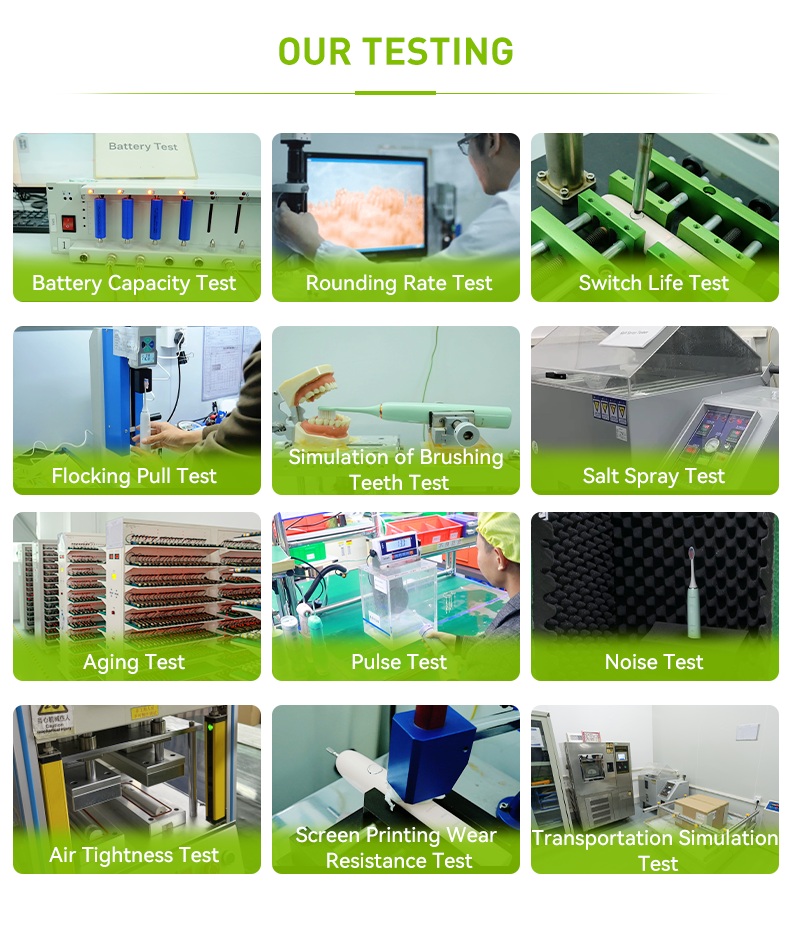
Electric Toothbrush Durability Test
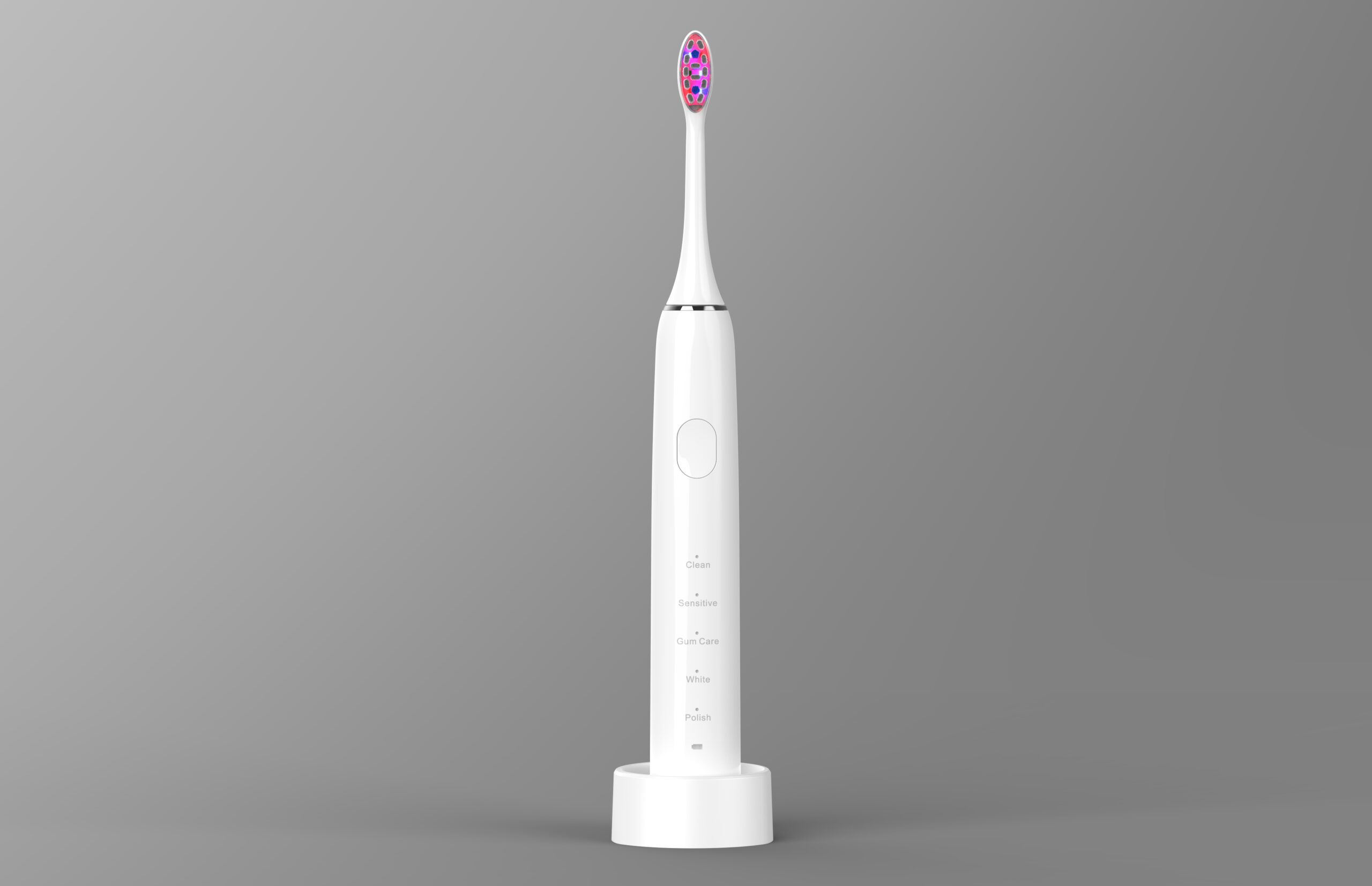
Electric Toothbrush Vibration Level Selection Guide for OEM Product Development
Rechargeable Electric Toothbrush Supplier
Mat-Side Oral Care | Quiet Electric Toothbrush for Yoga Instructors
How Can AI Cavity Risk Analytics Be Leveraged Within a Secure Data Monetization Framework?
Deep Cleaning Electric Toothbrush Mode: Science Behind the Specialized Setting
Electric Toothbrush Charging Safety OEM: Reliable and Secure Power Design
thin enamel whitening safety: gentle methods
LED Whitening Kits Effectiveness Comparison: Which Works Better?


.jpg)
.jpg)
.jpg)
.jpg)
.jpg)