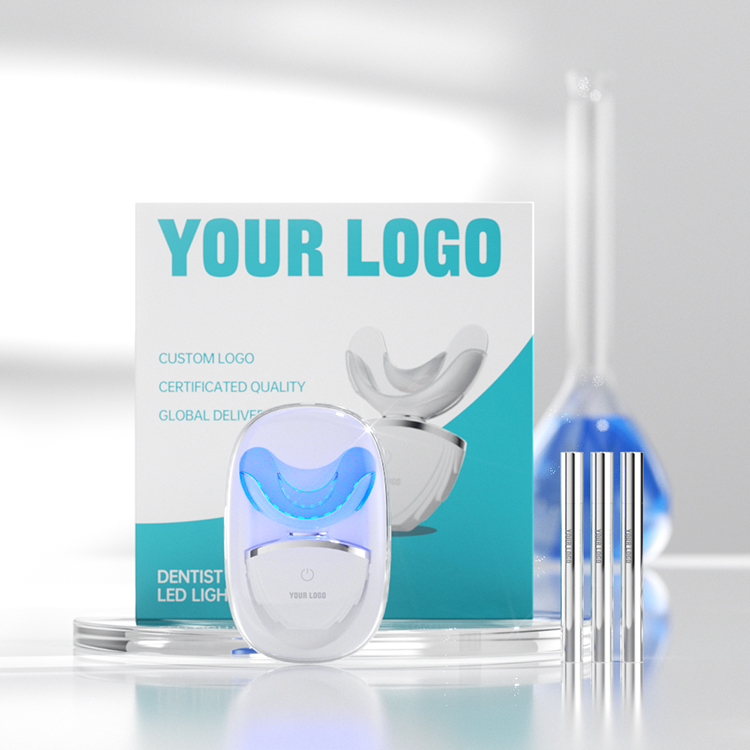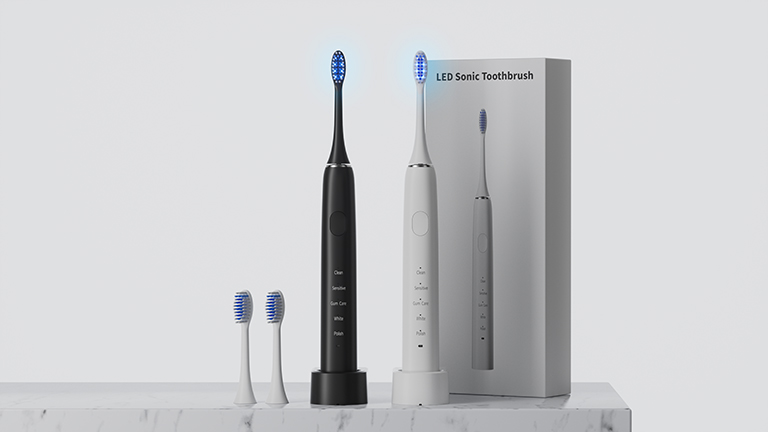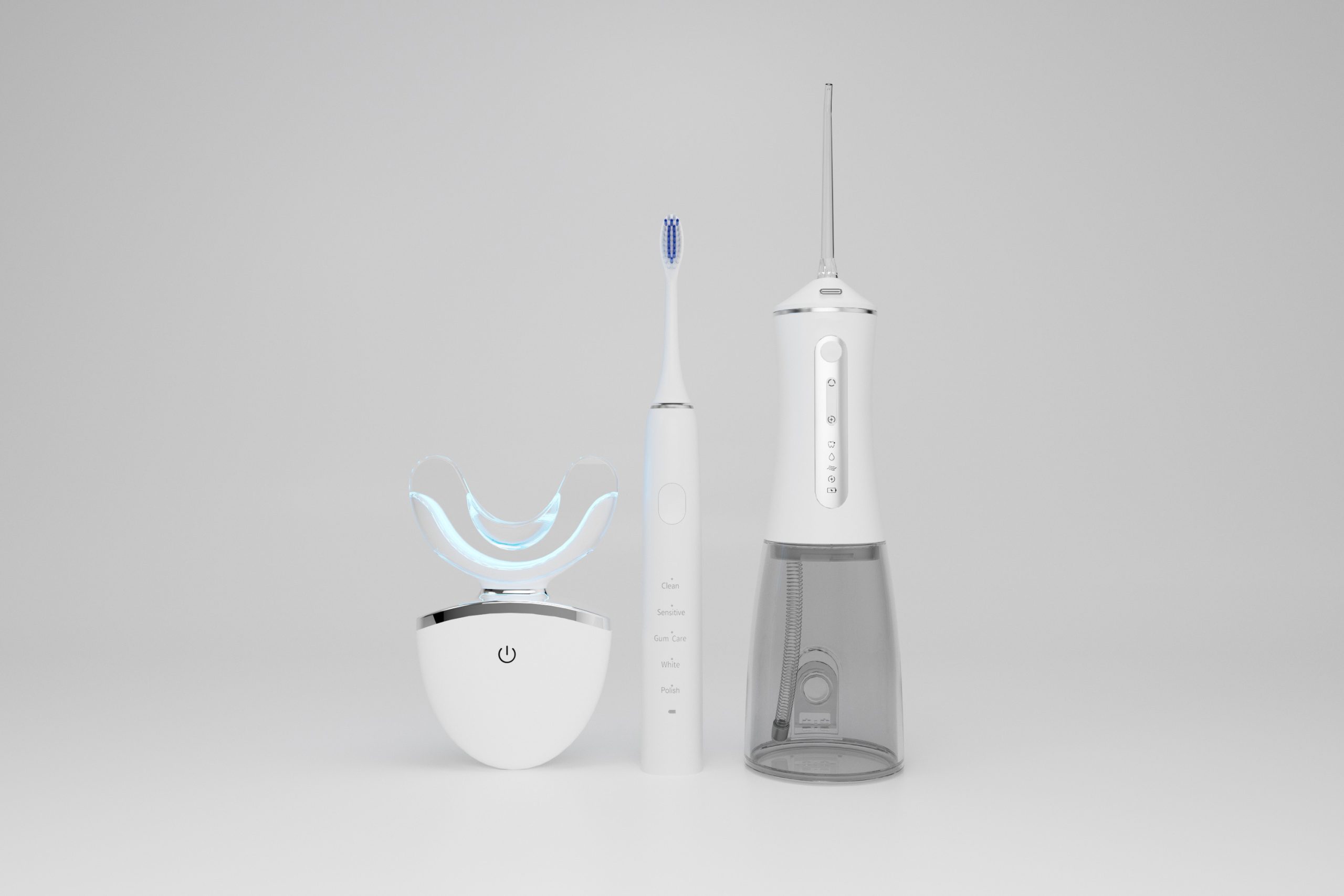
When it comes to maintaining long-term quality in electric toothbrushes, one of the most overlooked issues is mold growth in the electric toothbrush handle. Mold thrives in humid and enclosed environments—conditions often found in bathrooms. Water infiltration, poor drainage design, and the use of non-hydrophobic materials can accelerate this process. For OEM manufacturing brands, identifying these root causes early is key to preventing long-term damage to brand reputation and product lifespan.
To effectively prevent mold, the choice of materials plays a critical role. Using high-quality, anti-bacterial plastics, waterproof silicone seals, and corrosion-resistant metal parts can drastically reduce the chance of moisture buildup inside the handle. In OEM manufacturing, selecting materials that have passed mold-resistance and durability tests is an investment in long-term quality. This step ensures that the toothbrush maintains both function and aesthetic appeal throughout its product cycle.
A well-engineered electric toothbrush handle design can be a powerful mold-prevention strategy. Features such as airtight seals, proper ventilation, and water drainage channels help reduce internal humidity. Additionally, manufacturers can integrate quick-drying or detachable handle parts to make daily maintenance easier. These structural enhancements not only prevent mold but also improve user experience and product reliability.
High-precision OEM manufacturing techniques ensure consistent product quality and structural integrity. Techniques such as ultrasonic welding, over-molding, and injection sealing are used to create tight, waterproof joints. During mass production, applying strict quality inspection—like moisture testing and environmental simulation—helps confirm that every electric toothbrush handle meets long-term quality standards before it reaches the market.
Even with the best engineering, consumer habits play a role in mold prevention. Brands should provide clear maintenance instructions, such as keeping the toothbrush dry after use, storing it in a ventilated area, and regularly cleaning handle crevices. OEM manufacturing partners can assist brand clients by offering customized instruction manuals and after-sales support to reinforce proper care habits, ensuring long-term quality in daily use.
A professional manufacturer understands how to balance design innovation, material science, and production efficiency. In order to create durable, mold-resistant electric toothbrush handles. By integrating advanced R&D and continuous testing, OEM partners help brands deliver reliable, hygienic, and premium-quality oral care products to their consumers.
Mold prevention isn’t just about appearance—it’s about protecting the long-term quality and reputation of your brand. By focusing on smart design, proper materials, strict quality control, and reliable OEM manufacturing, brands can ensure that every electric toothbrush handle remains clean, safe, and durable for years of use.
.jpg)
Why Don’t Dentists Recommend Floss Picks? Insights for Oral Care Brands
.jpg)
How Does a UV Sanitizing Component Complement an Anti-bacterial Hose in a Flosser?
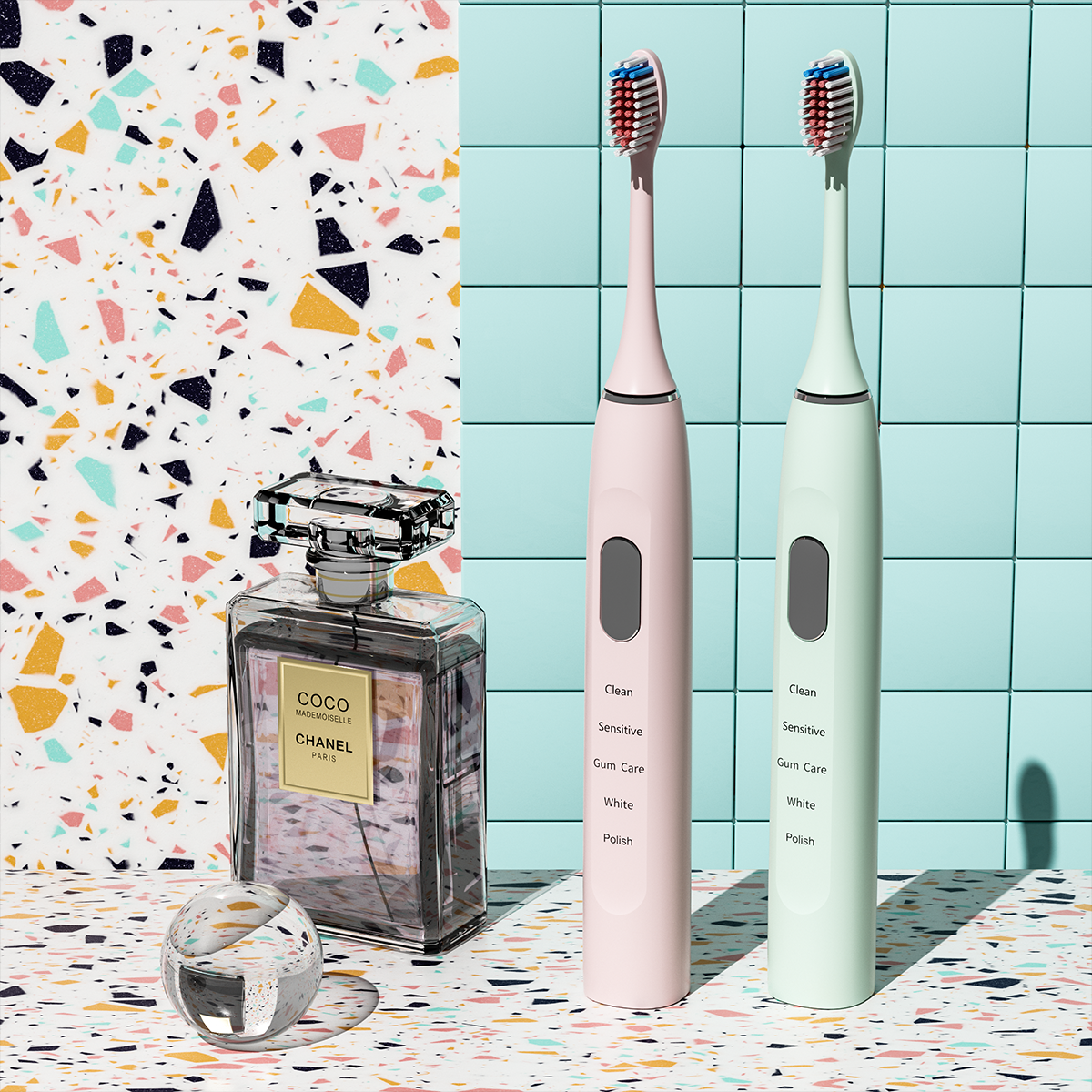
Oral Care Brand Style Trends 2026 – Connecting Aesthetics with OEM Strategy

Quality vs Price in Electric Toothbrush Manufacturing – OEM Guide for Brand Owners
.jpg)
Fast Lead Time Electric Toothbrush Supplier for Global B2B Buyers
Bad Breath Causes Effective Solutions: Eliminate Odor at the Source
.jpg)
Best Electric Toothbrush for Braces in San Antonio?
Can Your Water Flosser Handle Braces?
How Changing Consumer Attitudes Are Shaping Oral Care Product Demand
Why Market Orthodontic Oral Care Products Through a Dental Clinic Partnership Program?
Does Reservoir mold in Water Flosser Tanks Block Spray Tips?
Electric Toothbrush Brush Head OEM Solutions for Global Brands
.jpg)
Struggling with patient acquisition? Dental marketing that converts

Why Is Water Tank Mold Design Key for Efficient Portable Water Flosser OEM Production?
How Does the Orthodontic V-Brush Enhance the Powsmart Ortho Head Functionality?
How Charging Methods Impact Your OEM Electric Toothbrush Strategy


.jpg)
.jpg)
.jpg)
.jpg)
.jpg)






.jpg)

.jpg)