Electric toothbrush warranty policy OEM supplier is a crucial factor that global buyers evaluate when selecting manufacturing partners. In today’s competitive oral care market, warranty policies not only reflect product confidence but also directly influence purchasing decisions. Therefore, OEM suppliers must establish clear, transparent, and reliable warranty frameworks to meet international expectations.
First of all, warranty policies reduce buyer risk. When distributors or brands place large-volume orders, they require assurance that defective products will be handled efficiently. Without a clear policy, trust becomes difficult to establish.
Moreover, warranty terms impact brand reputation. If end-users experience issues and cannot receive proper support, negative feedback may spread quickly. Consequently, OEM suppliers with strong warranty systems gain long-term partnerships.
In addition, many retailers and e-commerce platforms require defined warranty terms before listing products. Therefore, compliance with warranty expectations becomes essential for market entry.
Typically, electric toothbrush warranties range from 1 to 2 years. However, premium products may offer extended coverage. The policy should clearly define:
Therefore, clarity prevents disputes between suppliers and buyers.
An efficient warranty system includes:
As a result, both parties can manage after-sales service smoothly.
OEM suppliers often agree on acceptable defect rates. For example, a 0.3%–0.5% failure rate is common in the industry. Therefore, warranty policy should align with quality benchmarks.
In the EU, consumer protection laws may require minimum warranty periods. Therefore, OEM suppliers must ensure compatibility with local regulations.
Reference:
https://ec.europa.eu
In the U.S., warranty disclosures must follow guidelines from regulatory bodies such as:
https://www.ftc.gov
Consequently, clear documentation is essential.
Warranty claims often result from production defects. Therefore, improving QC processes reduces long-term costs.
By analyzing defect patterns, manufacturers can identify root causes. As a result, product reliability improves.
Leading suppliers integrate after-sales support into their OEM services. For instance,
https://www.powsmart.com
offers structured warranty support alongside manufacturing solutions.
However, some suppliers still face challenges such as:
These issues can damage business relationships. Therefore, continuous improvement is necessary.
Recently, digital warranty systems have become popular. QR codes and online registration simplify claim processes. Therefore, adopting digital solutions enhances customer experience.
In conclusion, electric toothbrush warranty policy OEM supplier is a key element in building trust, reducing risks, and strengthening long-term B2B cooperation. Suppliers who offer transparent and efficient warranty systems gain a strong competitive advantage.
.jpg)
Red Blue Light Oral Care Device B2B Solutions for Global Brands
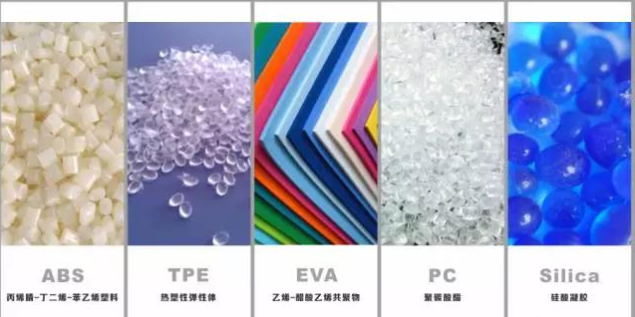
Which Electric Toothbrush Shell Material is More Durable?
What is the Market Size of Toothbrushes in the US? A Strategic OEM Overview
-2-scaled.png)
The Scientific Principle of Red and Blue Light Teeth Whitening Device: How Can 460nm Blue Light and 630nm Red Light Safely Whiten Teeth?

Building a Teeth Whitening Brand from 0 to 1: Differentiation Strategy Under the OEM Model
Smart Brush Heads & Wireless Charging

Do U-Shaped Toothbrushes Work?
Which Teeth Whitening Products Actually Work? An OEM Manufacturer’s Evidence-Based Guide
.jpg)
OEM Essentials for Electric Toothbrush Production
How to Fix LCD Glitches and Sensor Errors?

Developing a Whitening Kit Custom Formulation? Need CE/FDA Certification Guidance?
Light Therapy Electric Toothbrush ODM for Global Brands
Bulk Electric Toothbrush: 2026 Buying Guide
.jpg)
Can Water Flossers Be Safely Shared in Households?
USB-C Charging Electric Toothbrush OEM
Navigating Biocidal Product Regulation for Sanitizing Products?


.jpg)
.jpg)
.jpg)
.jpg)
.jpg)







.jpg)