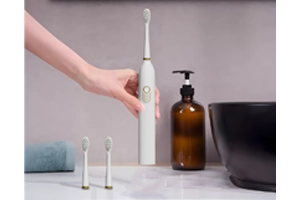
Choosing the right electric toothbrush shell material is crucial for brand customers and manufacturers aiming to produce/sell high-quality, long-lasting, and environmentally responsible products. The durability, safety, and sustainability of the materials used directly impact consumer satisfaction and market competitiveness. In this blog, we will conduct a shell material comparison and provide a durability analysis to help you select the best option.
Electric toothbrush shells are typically made from various types of plastics and composites. The most commonly used materials include:
ABS (Acrylonitrile Butadiene Styrene)
PC (Polycarbonate)
PP (Polypropylene)
PLA (Polylactic Acid) – a biodegradable option
Each material has distinct characteristics that affect its durability and suitability for toothbrush manufacturing.
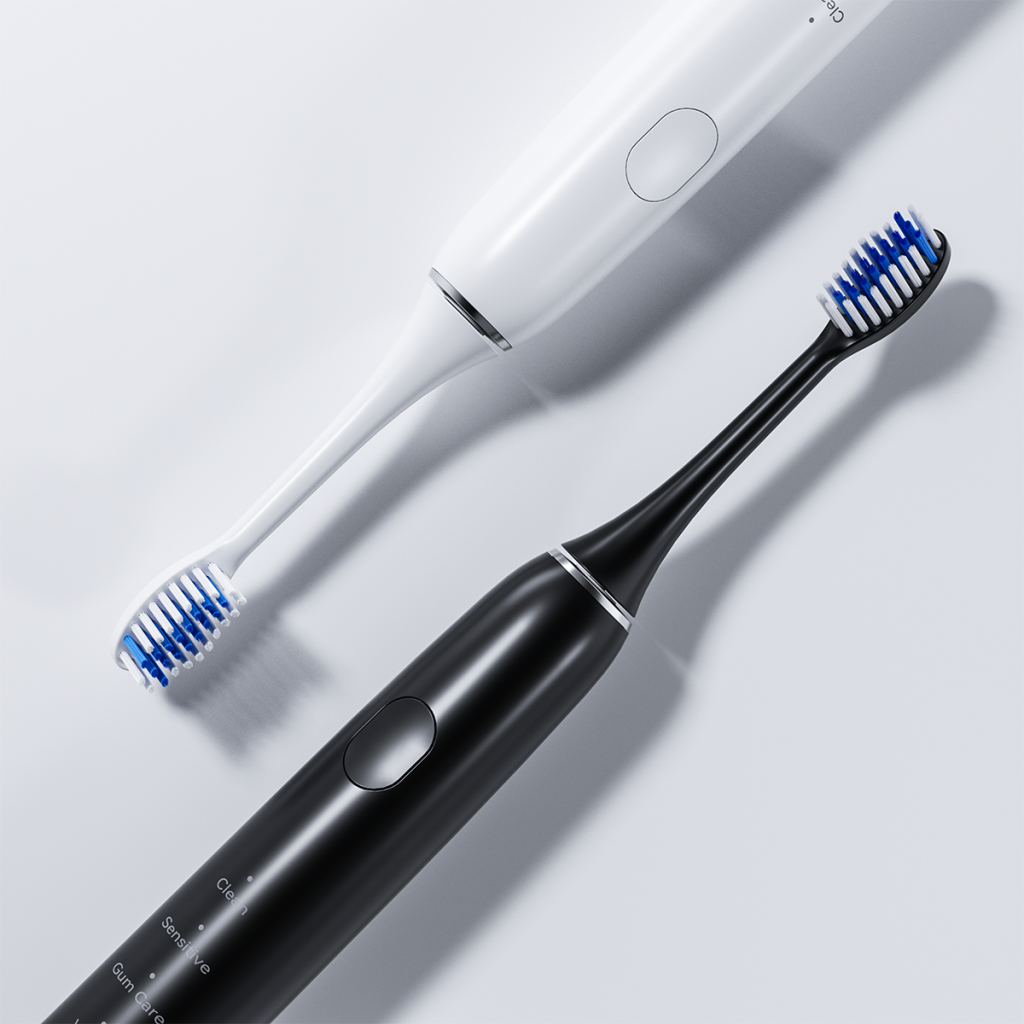
When evaluating the durability of electric toothbrush shell materials, factors such as impact resistance, wear and tear, and resistance to moisture must be considered.
ABS: Offers excellent impact resistance and toughness, making it a durable choice for long-term use.
PC: Known for its high strength and heat resistance, ensuring it withstands daily exposure to water and friction.
PP: Lightweight and resistant to chemicals, but may not be as tough as ABS or PC.
PLA: While an environmentally friendly material selection, its durability is lower than synthetic plastics, making it less suitable for long-term use.
The durability of an electric toothbrush shell is largely influenced by its ability to withstand accidental drops and prolonged use.
PC ranks highest in impact resistance, making it ideal for premium models.
ABS follows closely, providing a good balance of strength and cost-effectiveness.
PP is less resistant to physical stress, but its chemical resistance makes it a viable choice for specific applications.
PLA is biodegradable but not as robust, making it suitable for eco-friendly, short-term use products.
Manufacturers are increasingly considering environmentally friendly material selection in response to growing sustainability concerns.
PLA: The best biodegradable alternative, derived from renewable sources.
Recycled ABS/PC: Reduces plastic waste while maintaining durability.
Bio-based plastics: Emerging as a potential alternative, offering durability with reduced environmental impact.
The cost of materials impacts production scalability and profitability.
ABS and PP: Cost-effective and widely available.
PC: More expensive but justifiable for high-end products.
PLA and sustainable alternatives: Require investment but appeal to eco-conscious consumers.
When choosing the best electric toothbrush shell material, manufacturers must balance durability analysis, shell material comparison, and sustainability.
Durability: PC and ABS are the best choices.
Affordability: ABS and PP offer a budget-friendly option.
Sustainability: PLA and recycled materials are the preferred options.
By considering these factors, manufacturers can select the optimal material to enhance product performance and brand customers could select the reliable manufacturers to produce the high-quality products and meet consumer expectations.https://www.powsmart.com/about-powsmart/
.jpg)
Electric Toothbrush Safety Standards Europe: OEM Compliance and CE Strategy
How Much Do You Know About the Manufacturing Industry of Home Teeth Whitening Products?
What Should You Consider in Cordless Flosser Manufacturing Regarding Flosser Battery Solution Choice?
Smart Toothbrush B2B Solutions for Global Distributors
Dental Crowns Electric Toothbrush Guide: Clean Around Crowns Safely
Electric Toothbrush with Magnetic Charger OEM
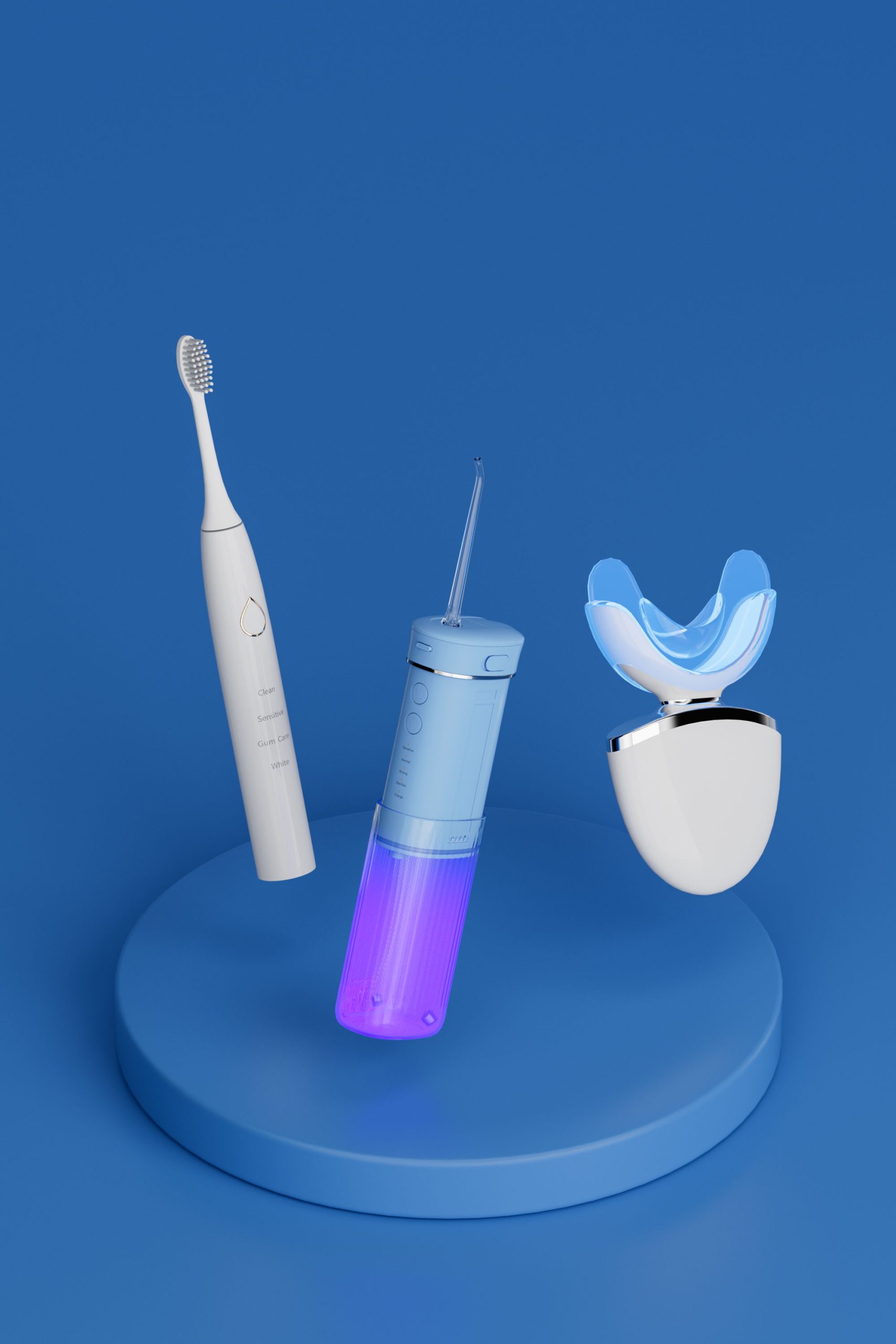
Smart Home Health Devices: Connected Toothbrush OEM Solutions
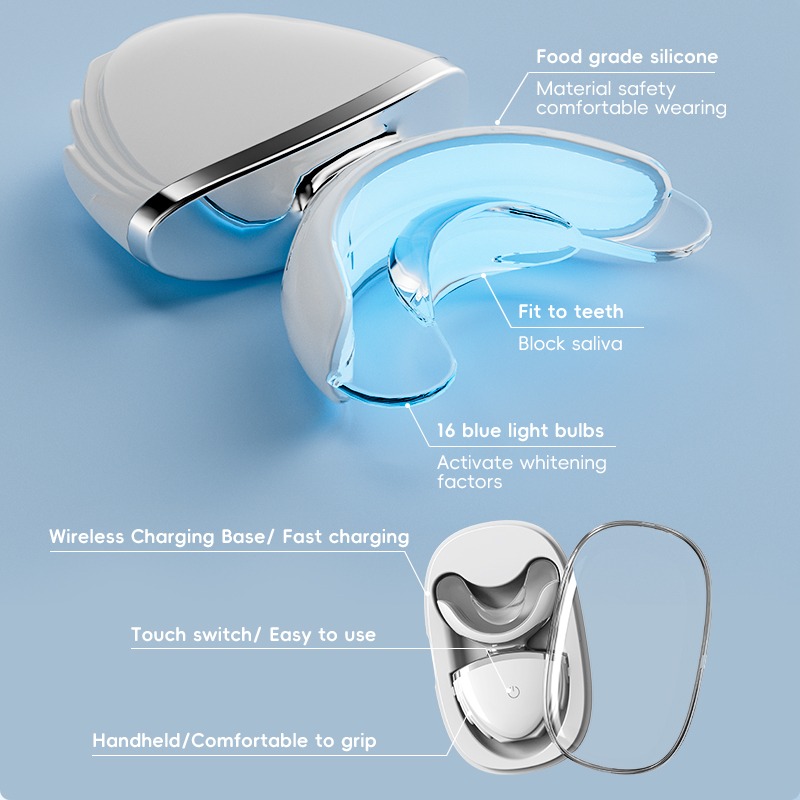
Market share and competitor analysis of Dental Masks
Sonic Toothbrush Frequency Control OEM Manufacturing Solutions
Crown Cement Removal Water Flosser | Safe Irrigation For New Dental Crowns
USB rechargeable sonic toothbrush supplier

Why NY dental recommended brands use NYC pressure sensor tech

What Are the Necessary Conditions for Professional Teeth Whitening Device Suppliers?
Gingival Abrasion with Saliva Depletion – A Silent Crisis in Oral Care Design?
dentist-approved sonic toothbrush factory
Intrinsic Teeth Stains Whitening Guide | Safe Methods for Deep Stains


.jpg)
.jpg)
.jpg)
.jpg)
.jpg)




.jpg)