The electric toothbrush market is crowded. Many products look similar, use similar claims, and compete mainly on price. For brand owners, this creates a problem: if the product has no clear difference, customers compare only cost. This electric toothbrush product differentiation guide explains how B2B buyers can build a stronger product concept before placing an OEM order.
Differentiation does not mean adding random features. It means choosing a clear reason for customers to prefer your product. A product can be positioned around value, premium design, long battery life, gentle brushing, travel convenience, children’s use, retail packaging, or a specific customer group.
Before discussing price, buyers should define the role of the product in the brand line. Is it an entry-level model for volume sales, a mid-range model for daily family use, or a premium product for stronger shelf appeal? Each answer leads to a different model choice.
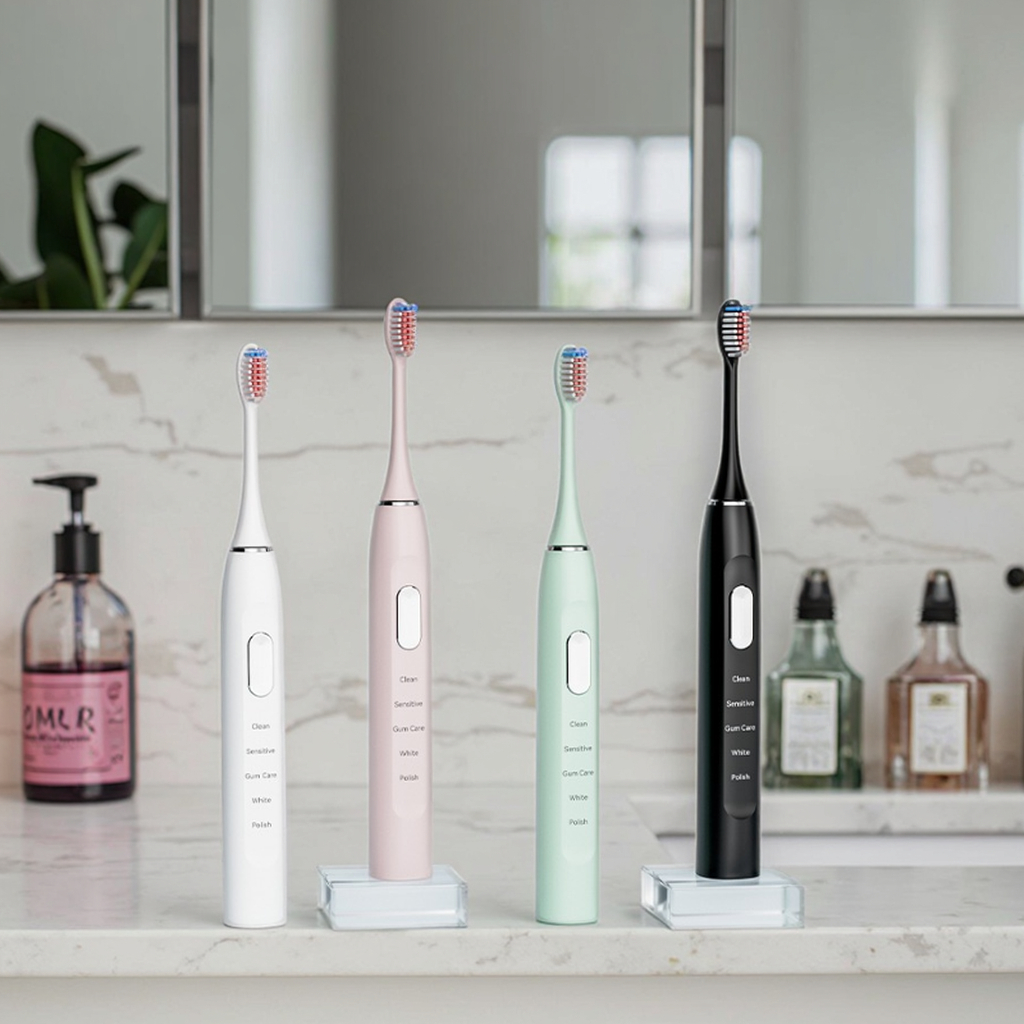
Consumers often judge quality before they use the toothbrush. Handle shape, surface finish, button feel, color matching, charging base, and packaging all influence perceived value. A matte texture, metal ring, slim body, or clean minimalist design can make the product feel more premium without changing the entire function set.
For private label buyers, design consistency also matters. The toothbrush, box, manual, accessory bag, and online listing images should tell the same story.
The brush head is where users feel the product every day. Soft bristles, rounded filament tips, compact head size, gum-care design, and replacement brush head availability can influence comfort and repeat purchase. A strong product line should consider brush head compatibility and replacement sales from the beginning.
If the target audience includes children, teens, or sensitive users, brush head comfort may be more important than adding extra modes. If the product is aimed at premium users, brush head design and packaging presentation can support a higher price point.
Many electric toothbrushes offer multiple modes such as clean, sensitive, gum care, whitening, or polish. These can help marketing, but only if the user can understand them easily. Too many modes with unclear differences can reduce user satisfaction.
For brand owners, the better approach is to match modes with customer needs. A family product may need simple daily modes. A premium product may benefit from a more refined mode system. A sensitive-care product should focus on gentler brushing feel.
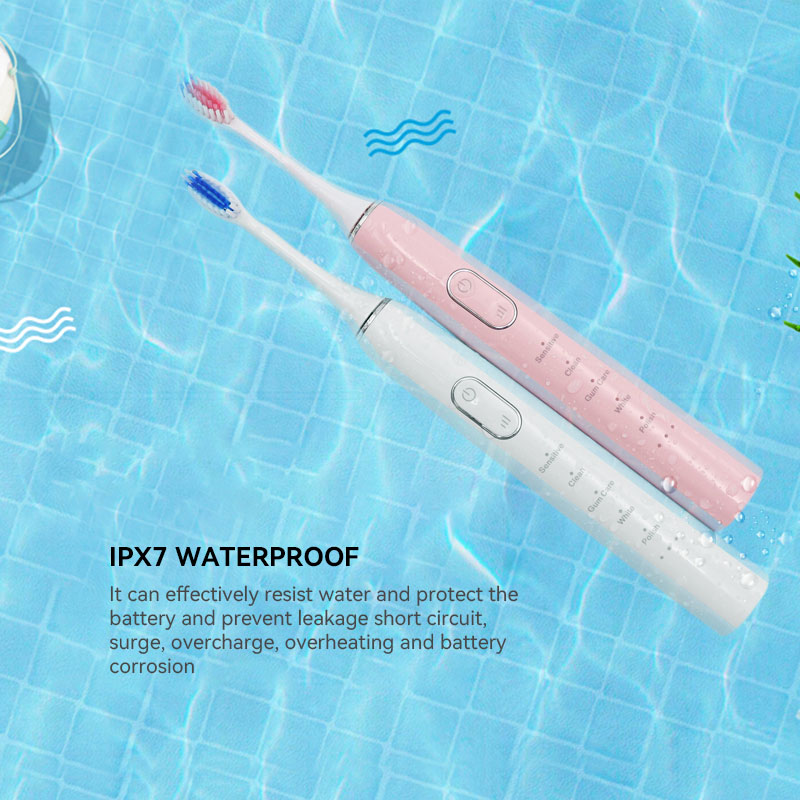
Differentiation is not only visual. Long battery life, stable charging, and reliable waterproof performance reduce frustration and support better reviews. These points are especially important for online brands, where reviews can decide whether advertising spend turns into repeat sales.
Quality proof should be included in the product story. Instead of only saying “high quality,” explain the testing process, certification support, and reliability checks behind the product.
Packaging is one of the easiest places to improve differentiation. A good package explains the core value quickly, protects the product during shipping, and gives customers confidence. For Amazon, packaging should also support clear photos and customer understanding. For retail, shelf visibility and carton consistency matter more.
For general consumer information about toothbrush selection, buyers can review the linked official consumer guidance consumer guidance and then translate market expectations into product design choices.
PowSmart can help buyers compare available electric toothbrush models, brush head options, colors, packaging, and customization possibilities. The goal is not only to supply a product, but to help brands build a line that fits their market and reduces avoidable sourcing risk.
The easiest ways are clear market positioning, better packaging, suitable brush head design, strong battery life, reliable waterproof performance, and consistent visual identity.
No. The number of modes should match the customer group. Useful and easy-to-understand modes are better than a long list of confusing features.
Yes. Good packaging improves shelf appeal, customer trust, online presentation, and perceived quality.
Contact PowSmart to discuss electric toothbrush model selection, product positioning, and customization options for your brand.
.jpg)
Yellow Mustard Teeth Whitening | Condiment Stains
Breakthrough in Electric Toothbrush Waterproofing Technology: How to Achieve Full Waterproofing?
Clinic strength brush vs. Medical professional brush — what’s the hierarchy for electric toothbrushes?
Electric Toothbrush Starter Guide: Easy Transition for Beginners
Market Potential of Electric Toothbrush & Whitening Device Combos
How Should the Oral Care Products Brand Create a Distinctive Brand Image?
Smart Toothbrush for Professionals | Tech Lifestyle Care
How Do Motor Noise and Pump Noise Disrupt User Experience?
How Does a Direct-to-Patient Channel Work for a Pharmacist-prescribed Device?
Child Compatibility Meets Cold Light Sensitivity: Safe?

Need Reliable B2B Sonic Toothbrush Heads and a Cordless Water Flosser OEM Partner?
Sourcing Electric Toothbrush Travel Case Wholesale from a Sonic Toothbrush Manufacturer China?

Electric Toothbrush Patent War: How to Avoid Design Infringement and Technical Disputes?
Premium Electric Toothbrush OEM Manufacturer for Global Markets
Electric Toothbrush Vibration Stability Design: OEM Engineering Guide
Electric Toothbrush Durability Design OEM: Long-Term Performance Solutions


.jpg)
.jpg)
.jpg)
.jpg)
.jpg)