Battery performance directly affects how consumers judge an electric toothbrush. A product can have a good appearance and strong vibration, but if it needs charging too often or fails after a short period, the brand will face complaints. This electric toothbrush battery testing guide helps OEM buyers understand what to check before confirming production.
Battery testing should cover more than capacity on a specification sheet. Buyers should review actual runtime, charging time, standby time, cycle life, charging stability, protection circuit design, and consistency across production batches. A 1200 mAh or 2000 mAh battery is only meaningful if the whole power system is designed and tested properly.
Runtime should be discussed based on real use assumptions, such as brushing frequency, mode selection, and brushing duration. If the product claims long battery life, the factory should explain the testing condition behind that claim.
Battery capacity is the stored energy of the cell. Runtime is the user-facing experience created by the battery, motor, circuit board, and power consumption design. Two toothbrushes with similar battery capacity may deliver different runtime if the motors or electronics consume power differently.
Buyers should not compare only the battery number. They should compare the full power system and ask for realistic use estimates.
Charging failure is one of the most frustrating problems for users. Buyers should confirm whether the product uses USB-C charging, wireless charging, charging base, or another structure. Each option should be tested for repeated use, connection stability, moisture exposure, and user convenience.
For USB-C products, port alignment and internal protection are important. For wireless charging products, charging position, charging speed, and heat control matter. The right choice depends on the product price point and customer expectations.
A battery may perform well during the first week but degrade after repeated charging. Battery cycle testing helps buyers understand how the product may perform over time. For private label brands, this matters because warranty claims often appear months after launch.
Ask whether the factory performs charge-discharge cycle testing, aging tests, and final charging inspection before shipment. These checks help reduce hidden failures.
Because many electric toothbrushes use lithium batteries, buyers should confirm battery safety design and transport documentation. Export, air shipment, platform warehousing, and retailer requirements may involve battery-related documents. These should be prepared early, not after the goods are ready to ship.
For official reference about dangerous goods testing and transport rules, buyers can review the linked official transport reference transport reference and then confirm details with their logistics provider.
A longer battery life can support premium positioning, travel convenience, and better customer reviews. However, a larger battery may increase cost and affect structure design. For entry-level products, a balanced battery setup may be enough. For premium or travel-focused models, longer runtime may be a stronger selling point.
PowSmart can help buyers compare electric toothbrush models by battery capacity, charging method, runtime expectation, and market positioning. This makes it easier to choose a model that fits both the customer experience and the target price.
Not always. A bigger battery may improve runtime, but buyers should also consider cost, structure, charging time, weight, and product positioning.
Buyers should ask about battery specifications, safety-related documents, and transport documents required by their market or logistics channel.
Runtime depends on brushing mode, motor power, circuit design, battery quality, and user habits, not only the listed battery capacity.
Contact PowSmart to compare battery options, charging structures, and runtime expectations for your electric toothbrush project.
.jpg)
Pre-Clinic Training Brush | Electric Toothbrushes for Dental Students
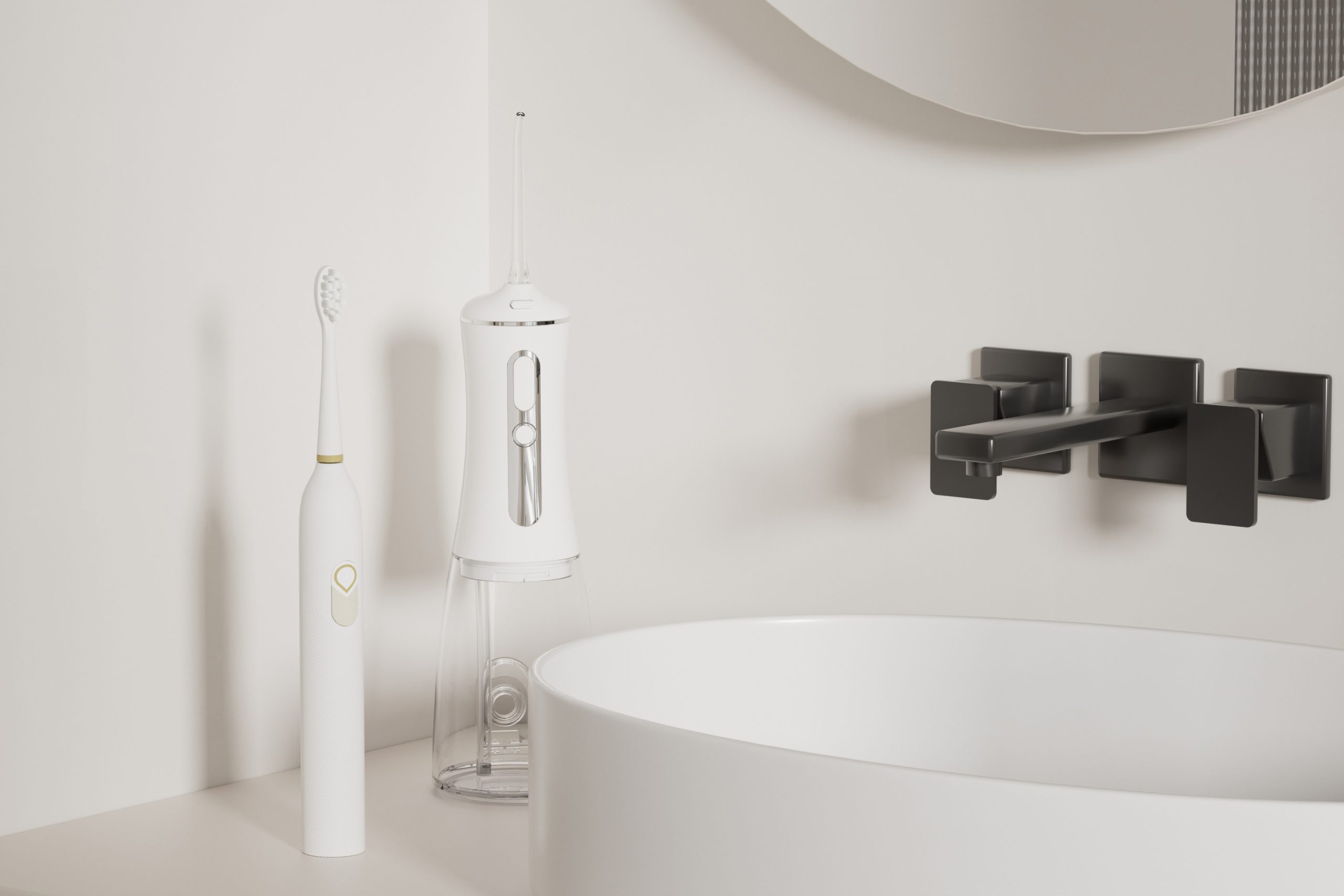
The Combination of Electric Toothbrush and Oral Irrigator: How to Achieve Comprehensive Oral Care?
.jpg)
Can a custom Texas brush deliver a big Texas brush clean?
How Can a Community Health Worker Network Utilize a Refugee Camp Deployment Kit?
What Can an Experienced Oral Care Products Factory Help You When Creating Your Own Brand?
Dallas Toothbrush Sale: Factory-Direct Discounts with Global Shipping
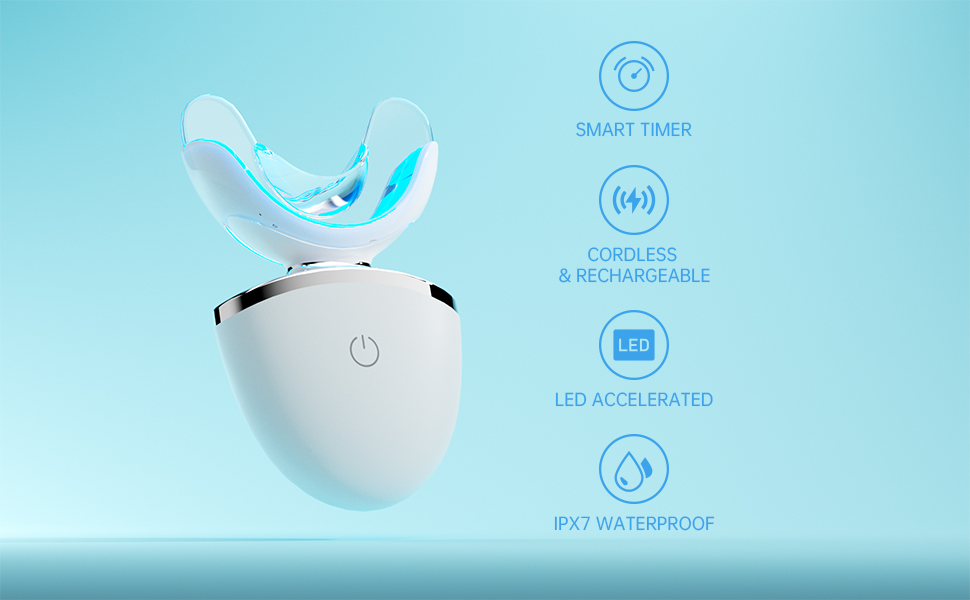
Is Whitening Kit Packaging Production Crucial for Whitening Product Export Packaging?
DuPont Nylon Bristle Toothbrush OEM: Premium Material Selection for High-Quality Brush Heads

Looking for a Custom Logo Water Flosser as a Premium Corporate Gift and Incentive?
Electric Toothbrush Design OEM
Electric Toothbrush Product Advantages OEM: How to Build Competitive Differentiation
Diabetes Water Flosser Benefits: Gum Health for Diabetic Patients
Incomplete Flushing after Flow Interruption?
Can Duty Drawback Recovery Service Increase the ROI of Your In-country Value Addition Strategy?
memory loss toothbrush reminder: smart brushes
IPX8 Electric Toothbrush Durability Test: Ensuring Long-Term Waterproof Performance


.jpg)
.jpg)
.jpg)
.jpg)
.jpg)



.jpg)