When launching an OEM teeth whitening kit, one of the most important decisions you’ll face is the choice of whitening gel concentration. The percentages—10%, 15%, 20%, 35%, or 45%—aren’t just numbers. They determine the product’s effectiveness, safety, target audience, and brand positioning. Choosing the right formula requires balancing customer needs, regulatory compliance, and manufacturing capabilities with your dental whitening supplier. This guide walks you through how to choose whitening gel concentration wisely for your private-label whitening line.
Low concentrations (10%–15%): Gentle on enamel, ideal for sensitive teeth, longer treatment times.
Medium concentrations (20%): Balanced option for at-home whitening kits, noticeable results with reduced risk of sensitivity.
High concentrations (35%–45%): Fast, visible results, typically used in professional whitening gel formulations for in-office or premium kits.
Knowing these distinctions allows you to match product performance with your brand’s promise.
Are you targeting dental professionals who need fast chairside solutions?
Or are you aiming at mass-market consumers who prefer mild, gradual whitening?
Your ideal audience will heavily influence the whitening gel concentration you select.
A higher percentage does not always mean a better choice. Sensitivity, gum irritation, and regulatory limitations must be considered. Collaborating with an experienced dental whitening supplier ensures your formula complies with local health regulations while delivering effective results.
Entry-level brands may benefit from 10–20% gels in convenient, affordable kits.
Premium or professional brands may lean toward 35–45% professional whitening gel options to deliver faster results.
Your choice should reinforce your brand identity and market promise.
Different regions (EU, US, Asia, etc.) have varying rules about maximum allowable whitening gel concentrations. Partnering with a knowledgeable dental whitening supplier helps you avoid compliance risks and costly reformulations.
Your OEM journey doesn’t end at choosing the concentration. A trusted manufacturer provides guidance on stability testing, packaging compatibility, and scalability. Selecting the right partner ensures your OEM teeth whitening kit not only meets customer expectations but also stands out in a competitive market.
Selecting between 10%, 15%, 20%, 35%, or 45% whitening gels isn’t just a technical decision—it’s a strategic one. By carefully assessing your target audience, safety standards, and brand positioning, you’ll be able to confidently choose whitening gel concentration that aligns with your vision. With the right dental whitening supplier by your side, your OEM teeth whitening kit can shine as bright as the smiles it creates.
.jpg)
Enamel Transparency Plus Taste Loss – Permanent Damage?
Want Hollywood smiles? Dental veneers via cosmetic dentistry — worth it?
Oral care beauty trend :How Oral Care Became Beauty’s Sexiest New Category
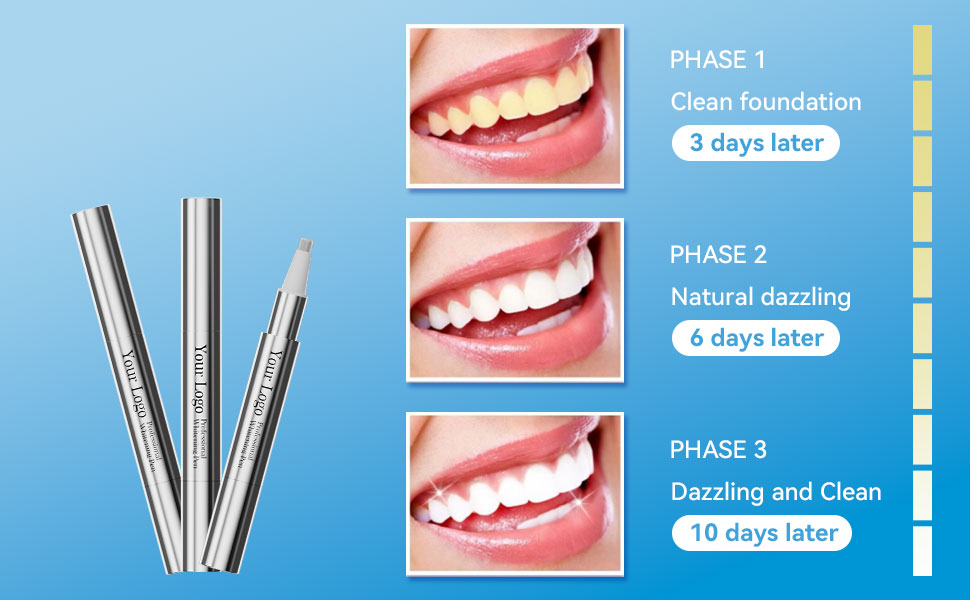
A Comprehensive Guide to Teeth Whitening Gel Ingredients
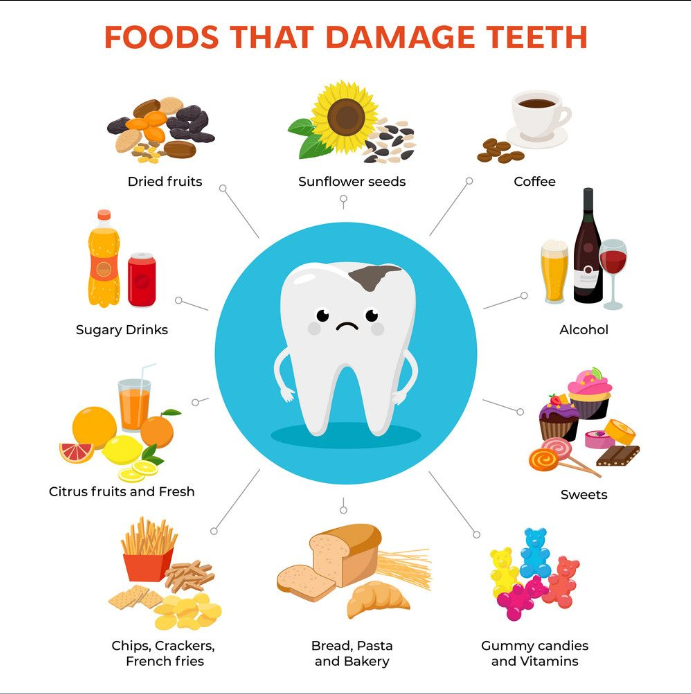
The Healthy Oral Care Routine Suggested by Oral Care Products Factory
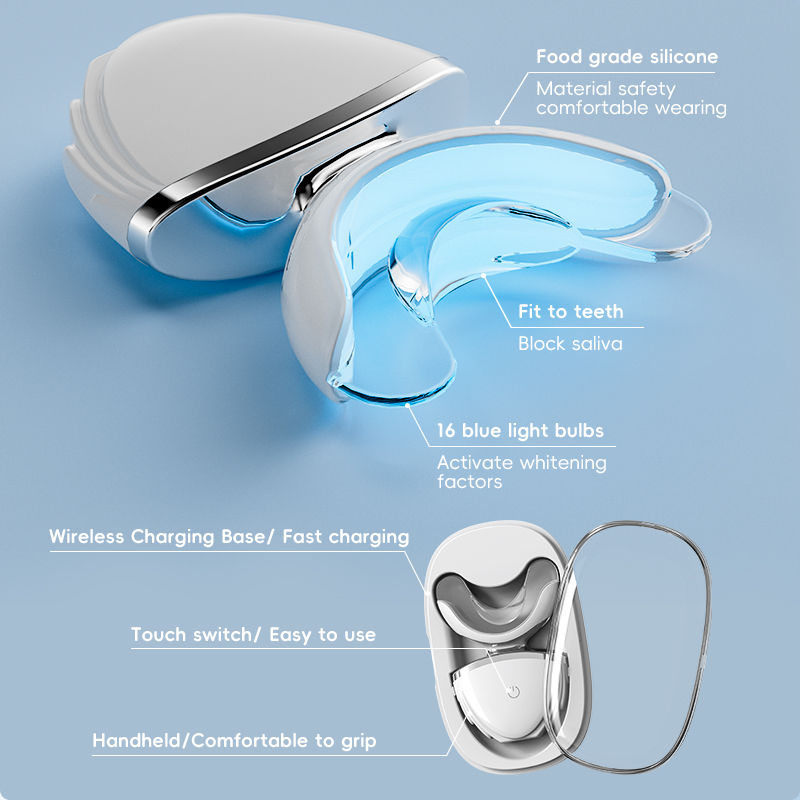
There Are Different Ways to Whiten Your Teeth, Which One Is Best for You?

Do You Know What PAP+ Is? Why Is It So Popular in Teeth Whitening?
Home Teeth Whitening Device – A Must-Have Before a Date
Precautions During Use – Maximize the Effectiveness of the Home Teeth Whitening Device
Frequency and Tips for Using Your At-Home Mouthpiece Recommended by Your Dentist
One-Stop OEM Factory for Electric Toothbrushes, Water Flossers & Whitening Kits
Excessive Noise With Pulp Inflammation? Dual Threats From Electric Brushes!
.jpg)
Considering Whitening Kit Private Label?
Does your electric toothbrush hit your teeth when brushing?
How Much Do You Know About the Manufacturing Industry of Home Teeth Whitening Products?
What’s Driving the Oral Care Industry Now?


.jpg)
.jpg)
.jpg)
.jpg)
.jpg)