Navigating the global oral hygiene market requires a deep understanding of manufacturing economics today. For procurement managers, decoding the financial breakdown of product manufacturing is essential for sustainable profitability. Analyzing a detailed electric toothbrush OEM cost structure helps businesses negotiate better pricing models with production plants. This financial transparency ensures that your brand allocates its sourcing budget efficiently across critical components. By understanding where every dollar goes, you can optimize retail pricing without sacrificing product quality. Our manufacturing facility provides complete cost clarity to help your business achieve long-term financial success.
Furthermore, a professional financial breakdown looks beyond the total unit price. True budgeting efficiency requires a deep dive into individual technical components, assembly labor, and regulatory compliance fees. This guide outlines the core cost drivers that shape modern sonic device manufacturing budgets today.
The primary cost allocation in dental device manufacturing involves the internal hardware components. Superior engineering requires premium materials, which naturally influence the final pricing framework of your product portfolio.
The internal motor platform represents a significant financial pillar in production. Advanced factories utilize proprietary Duplex Bearings Maglev Motors to guarantee excellent durability. These systems generate up to 40,000 vibrations per minute and cost more than old mechanical offset motors. Additionally, battery cell quality influences the overall electric toothbrush OEM cost structure deeply. Equipping devices with top-grade, regulated 3.7V 2000mAh 18650 lithium-ion batteries ensures excellent energy efficiency. These premium cells feature exceptionally low internal resistance and maintain peak capacity over hundreds of cycles. Investing in reliable internal hardware protects your brand from expensive warranty claims later.
Electronic circuitry and external housing design form the next major operational expenditure categories. Cutting corners on these essential elements frequently leads to catastrophic product failures in damp bathroom environments.
Our engineering teams utilize a high-quality MCU paired with specialized protection ICs on the PCBA board. This advanced hardware configuration manages power allocation effectively and provides crucial charging protection. While this premium architecture increases the initial electronics budget slightly, it dramatically extends the device lifespan. This technical investment saves your business significant capital by reducing customer returns.
External handle workmanship requires high-precision custom injection molds to eliminate visible parting lines. The outer housing must feature a genuine IPX7 waterproof rating using patented structural sealing. Achieving this standard requires rigorous testing, withstanding 1-meter depth immersion for 30 minutes without leakage. The cost of executing these premium molding techniques influences the baseline pricing, but it guarantees unmatched field reliability.
To help your procurement team map out initial manufacturing investments, consider these primary budget categories during your factory negotiations:
Internal Powertrain Cost: This covers the high-torque maglev motor mechanism and drive shaft components.
Energy Storage Electronics: This includes graded lithium-ion batteries and Type-C charging port assemblies.
PCBA Control Systems: This covers the smart timer microchips, mode-switching controllers, and power ICs.
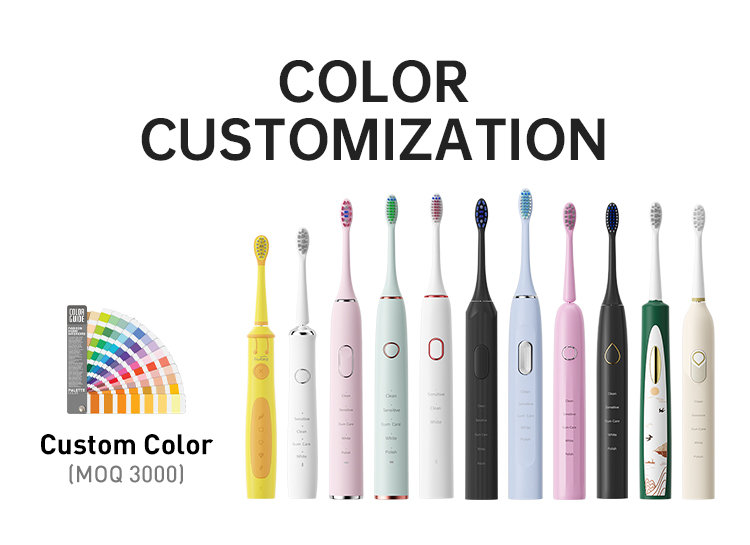
Branding and Retail Packaging: This includes logo silk-screening, custom color matching, and stacked inner box configurations.
Our factory optimizes every segment of this electric toothbrush OEM cost structure to deliver maximum value. We balance premium engineering with manufacturing efficiency to support your business expansion.
Regulatory verification and industrial product testing also represent crucial variables in your total procurement budget. A professional factory must enforce strict quality control protocols to protect your brand from global market disruptions.
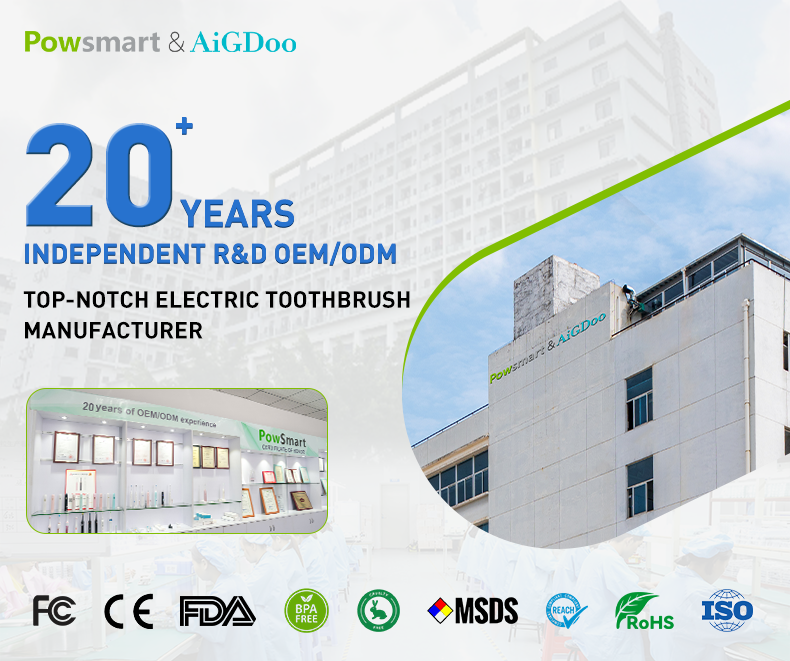
Before shipping, our quality teams execute a strict gauntlet of 38 distinct reliability tests on our production lines. This comprehensive evaluation includes drop tests, button lifespan cycles, noise level verification, and high-humidity storage stability. Furthermore, our underlying sonic platform has earned a remarkable 9.75 out of 10 rating from Underwriters Laboratories (UL). The laboratory data proves our battery longevity lasts three times longer than top national brands. While independent testing requires initial investment, it secures your international market access seamlessly. Finally, our flexible MOQ frameworks—ranging from 1,000 to 5,000 pieces—allow you to manage your inventory scaling efficiently.
To review our complete component price list and download technical spec sheets, please visit the powsmart.com sonic electric toothbrush series. To explore international product safety compliance histories, you can read the digital archives maintained by the Underwriters Laboratories organization.
In conclusion, mastering manufacturing economics empowers your brand to secure strong retail profit margins. Evaluating the complete electric toothbrush OEM cost structure ensures that you invest wisely in premium components. Partnering with an engineering-focused factory provides access to top-tier maglev motors, certified UL safety ratings, and optimized assembly workflows. Contact our procurement experts today to build a transparent manufacturing plan tailored to your business scale.
.jpg)
LED Electric Toothbrush OEM Manufacturing Solutions
China Electric Toothbrush Factory Shipping Seattle Port | Reliable Supply
LED teeth whitening kit private label | OEM & Branding Solutions for Global Brands
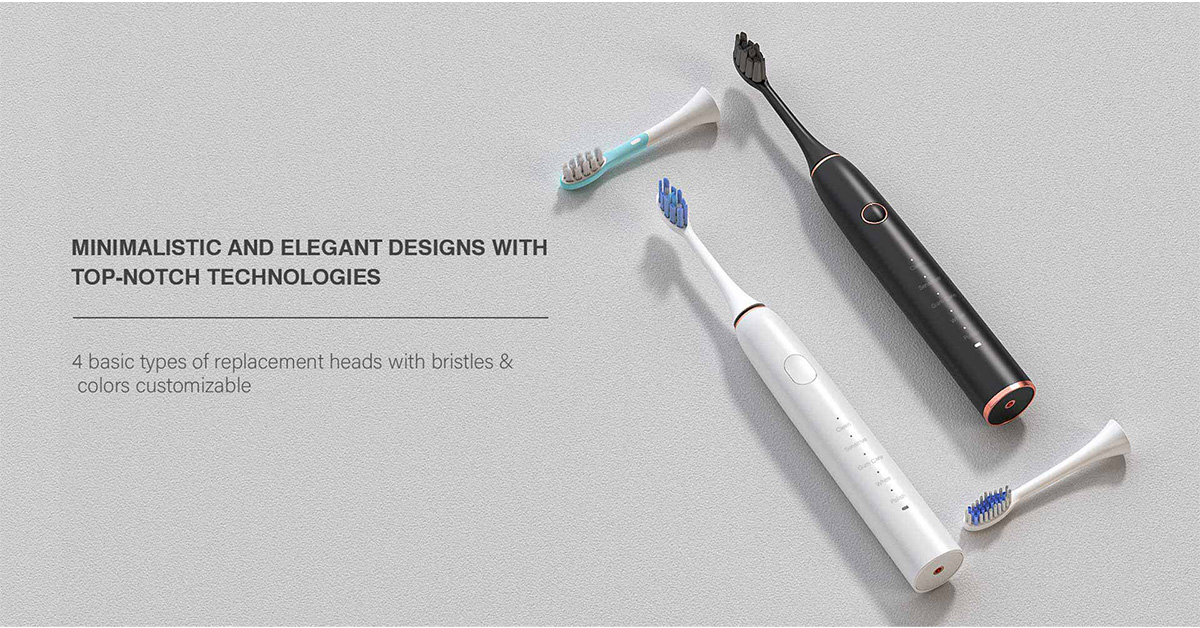
Manufacturing Process and Quality Control for Electric Toothbrushes
Compatibility Confusion with Nozzle Replacement? What OEM Buyers Must Know
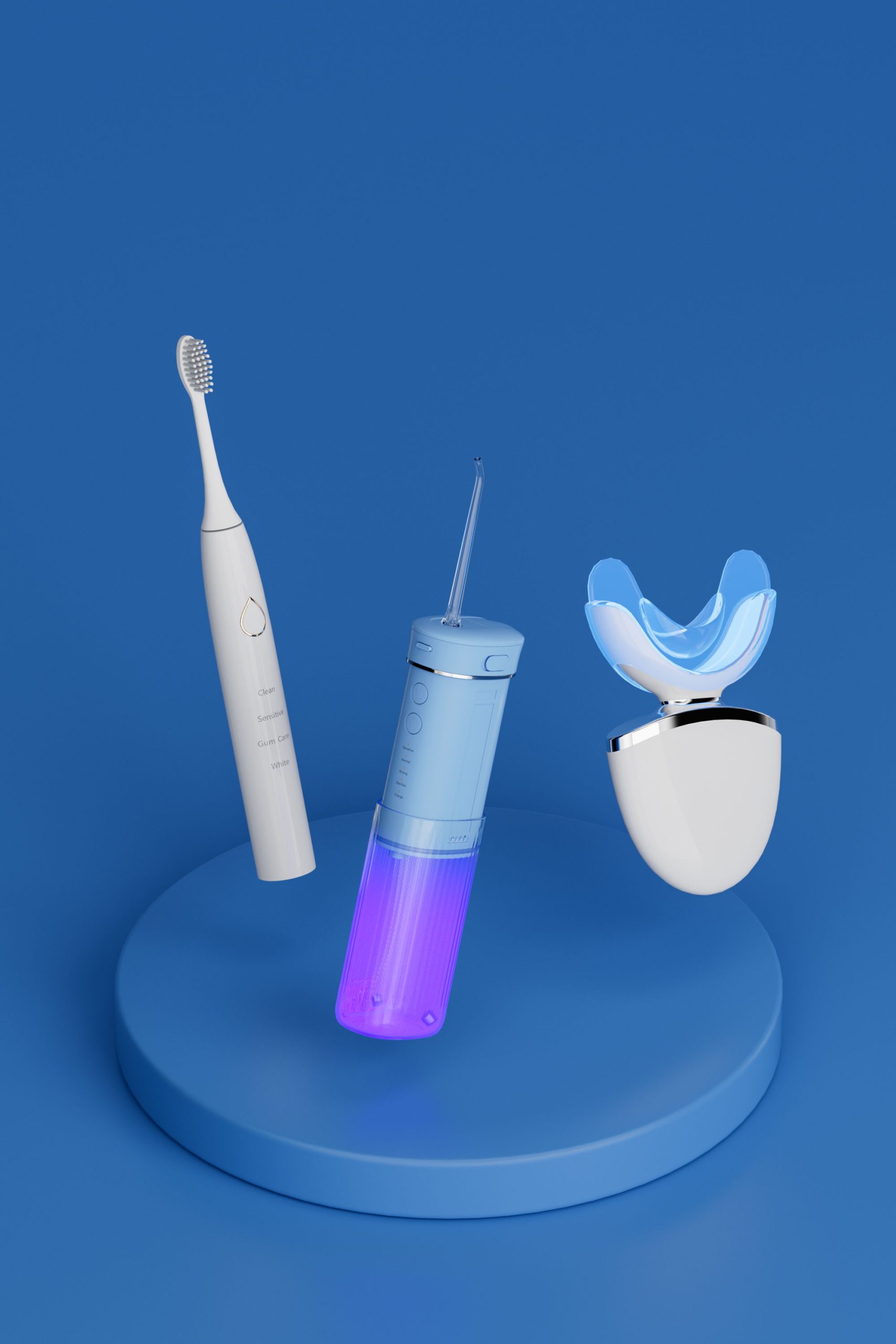
Private Label Teeth Whitening Kits with LED Technology: A Complete OEM Guide
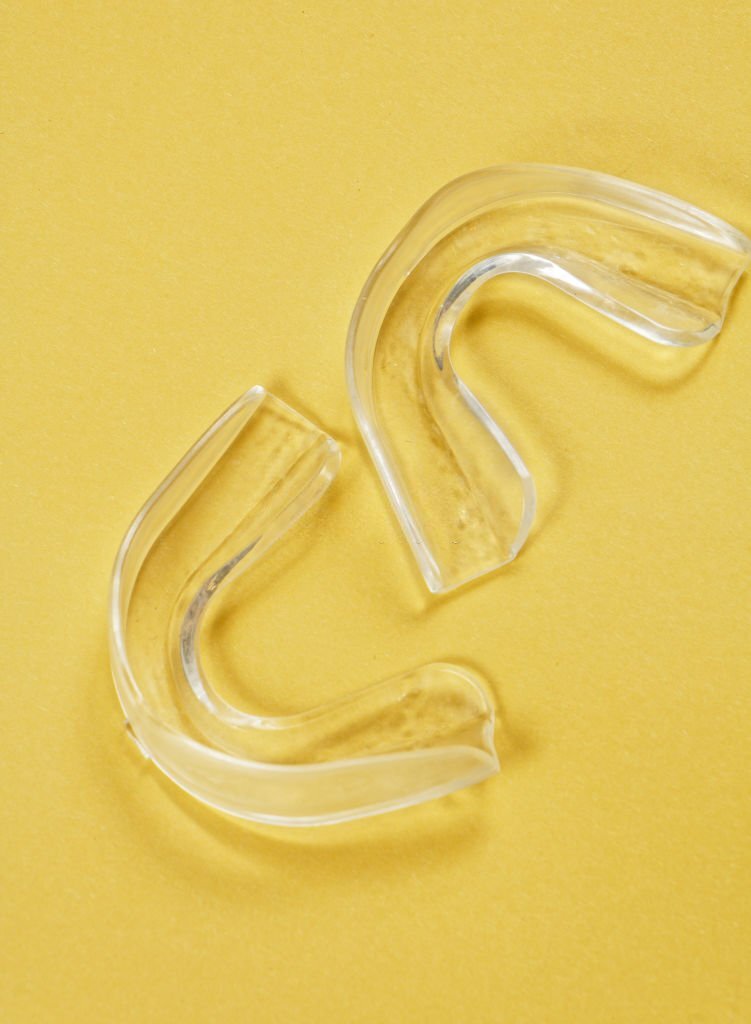
Why choose ABS material for teeth whitening trays
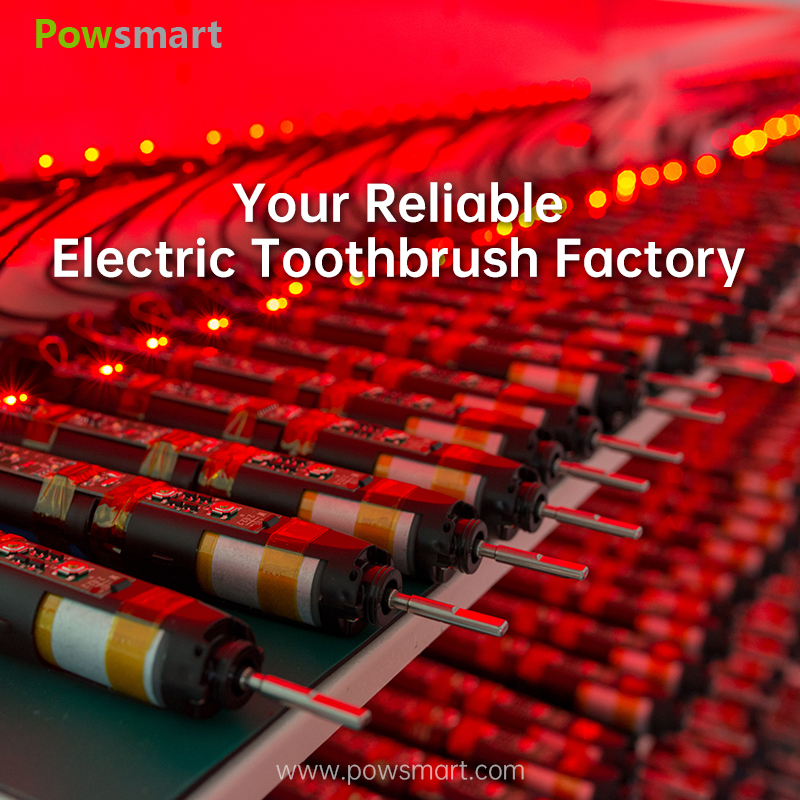
UVC vs. Ozone Sterilization: Which is Better for OEM Oral Care Products?
Electric Toothbrush Gift Set Supplier
Sonic Toothbrush Bulk Supplier
Wireless vs. Contact Charging: Which Is Better for Electric Toothbrushes?
As a B2B Teeth Whitening Distributor, Are You a Full Whitening Kit Accessory Supplier?
Can an Anomaly Detection System Automatically Feed into AI-driven Compliance Reporting?
How Does Waterproof IPX7 Design Enhance the Durability of a Wireless Charging Base in B2B Oral Care Products?
Electric Toothbrush with Dual Motor Technology OEM
DuPont Bristle Toothbrush OEM Factory: Premium Material & Quality Guide


.jpg)
.jpg)
.jpg)
.jpg)
.jpg)







.jpg)