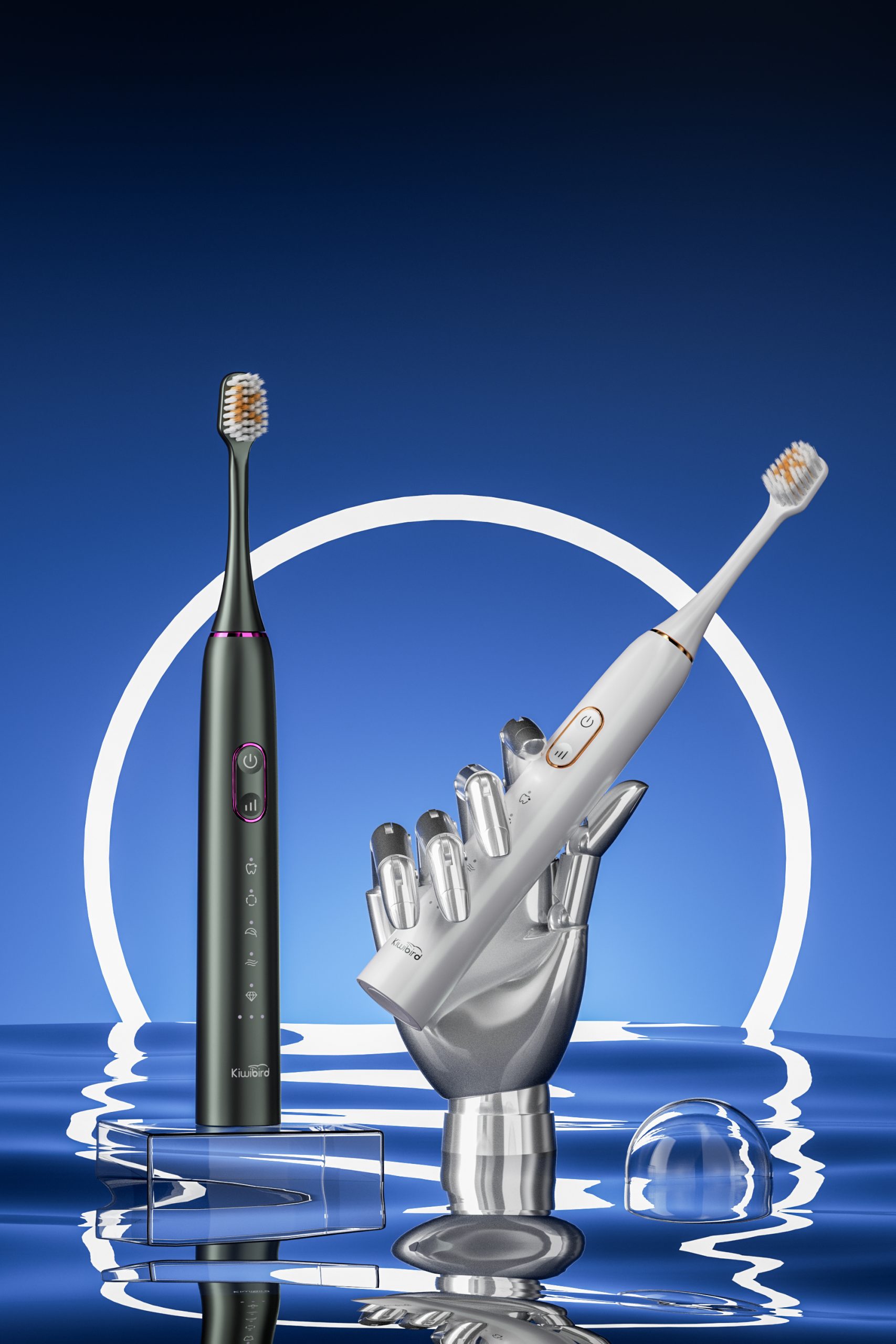
electric toothbrush noise reduction design has become a critical factor in product differentiation, especially in mid-to-high-end oral care markets. As consumers increasingly value comfort and quiet operation, brands are prioritizing low-noise engineering as a key selling point. Therefore, OEM manufacturers must integrate advanced design strategies to meet evolving expectations.
To begin with, noise in electric toothbrushes mainly originates from motor vibration, internal structural friction, and resonance within the housing. As a result, controlling these elements is essential for achieving a premium user experience. At the same time, effective noise reduction enhances perceived product quality, which directly influences purchasing decisions.
First of all, motor operation generates mechanical vibration. Consequently, if the motor is not properly balanced, excessive noise will occur.
In addition, internal components such as drive shafts and gears can create friction. Therefore, precise engineering and material selection are required to minimize unwanted sound.
Moreover, housing resonance amplifies noise levels. As a result, structural design plays a significant role in overall acoustic performance.
Organizations like the International Organization for Standardization provide guidelines related to noise testing and product quality management.
Accurate alignment reduces vibration transfer between components. As a result, overall noise levels decrease significantly.
Manufacturers often incorporate damping materials inside the housing. Consequently, vibration energy is absorbed rather than amplified.
Optimized shell structures minimize resonance. Therefore, sound transmission is effectively controlled.
Motor quality directly impacts noise output. For example, high-precision motors operate more smoothly and generate less vibration.
Furthermore, brushless motor technologies are increasingly used in premium models. As a result, noise reduction performance improves significantly.
For OEM solutions, visit:
https://www.powsmart.com/electric-toothbrush/
First, automated assembly ensures consistent component placement.
Second, strict quality control reduces variation between units.
Finally, acoustic testing verifies compliance with noise standards.
Additionally, batch-level inspection ensures stable performance across shipments.
Currently, consumers prefer quieter devices, especially for early morning or late-night use. Therefore, low-noise design is becoming a standard expectation.
At the same time, premium brands emphasize silent operation as a core feature. Consequently, OEM suppliers must continuously improve engineering capabilities.
When selecting a manufacturer, buyers should evaluate:
Furthermore, suppliers with proven OEM experience can provide better technical support.
electric toothbrush noise reduction design is essential for delivering high-quality user experiences in modern oral care products. By partnering with experienced OEM manufacturers, brands can achieve quieter operation, improved comfort, and stronger market competitiveness.
.jpg)
What Should Be Noted When Developing or Selecting Children’s Oral Care Products?
How much does it cost to manufacture a toothbrush?
.jpg)
Multi-Mode Sonic Toothbrush for OEM Buyers | Advanced Cleaning Modes & Customizable Designs
Is 3% Hydrogen Peroxide Strong Enough to Whiten Teeth? An OEM Manufacturer’s Insight
ergonomic electric toothbrush design OEM | Human-Centered Toothbrush Manufacturer
Private Label Sonic Toothbrush Packaging Design
Electric Toothbrush for Pharmacy Chain Supply | Reliable OEM for Retail Pharmacy Channels
Why Is an FDA Approved Device Crucial for Aesthetic Device Compliance?
Are Cheap Brush Heads Worth It?
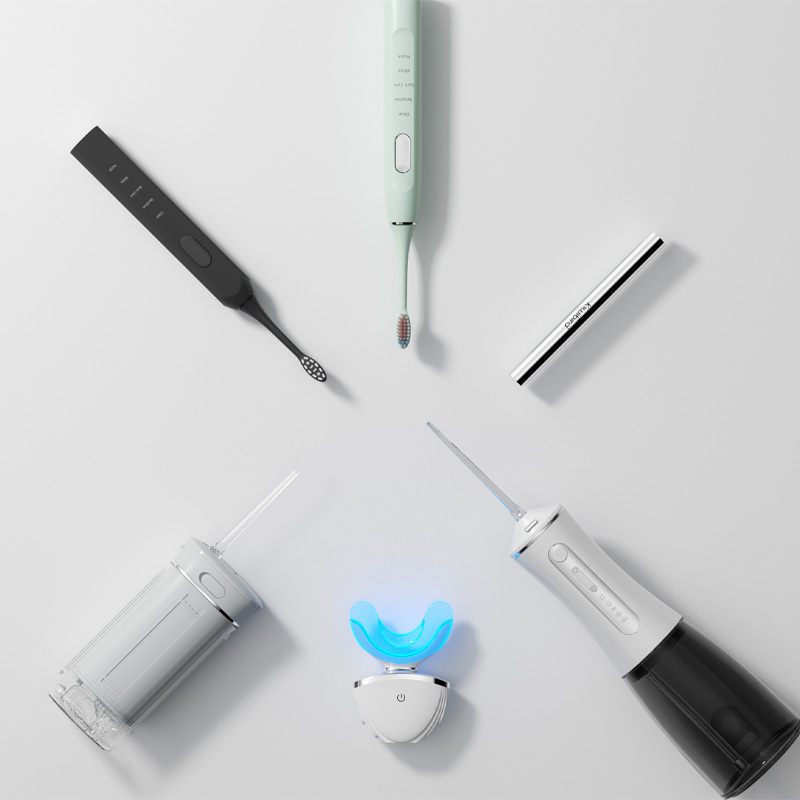
Why the Colorado outdoor toothbrush is the ultimate Colorado adventure toothbrush
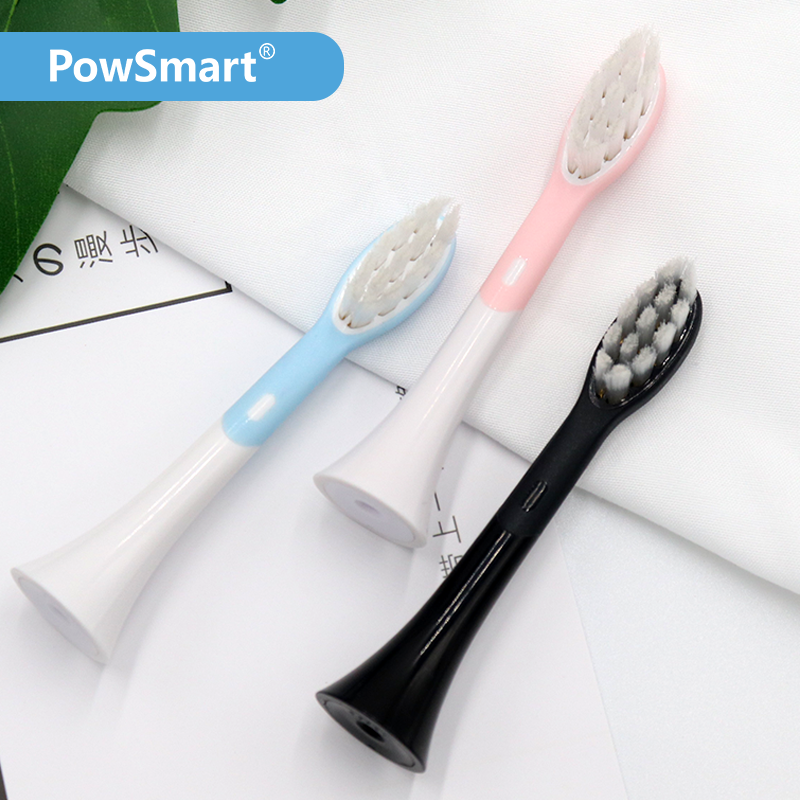
Are the Benefits of Charcoal Bristle Brush Head Real?

Life Expectancy of an Electric Toothbrush: OEM Quality Considerations
How to Use Electric Toothbrush First Time Guide Hindi
Rechargeable Sonic Toothbrush for Dental Clinics
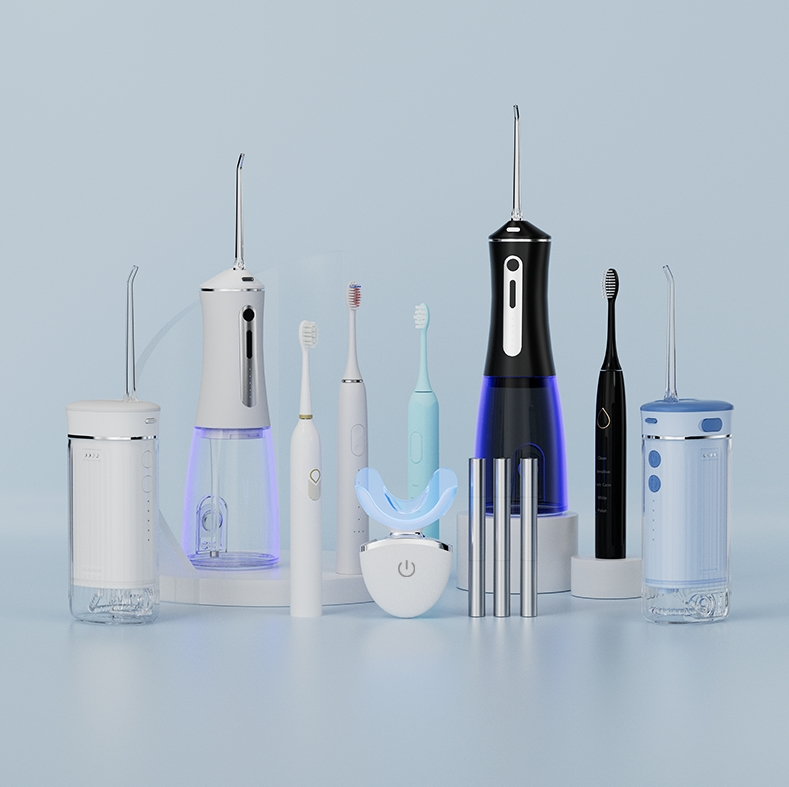
How Can Oral Care Brands Enhance User Confidence Through Product Upgrades and Expansion?
Are Oral Care Products Suitable for TK Small Businesses?


.jpg)
.jpg)
.jpg)
.jpg)
.jpg)






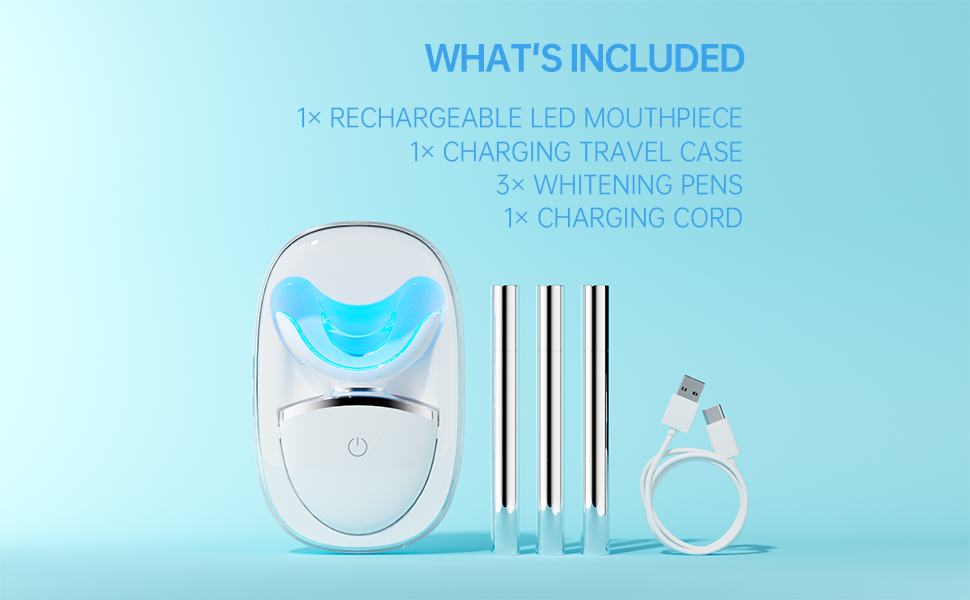
.jpg)
.jpg)