Info Center

Electric Toothbrush for Dental Phobia

Date:2026-04-08
Dental phobia can make professional cleanings feel impossible, and this fear of dentist brushing guide shares electric toothbrush features to maximize at-home care for those avoiding the dentist. Dental phobia affects millions of people, leading to skipped cleanings, poor oral health, and increased risk of cavities and gum disease. The right electric toothbrush can help compensate for missed professional care, keeping teeth clean and healthy at home.

Why Dental Phobia Impacts Oral Health

Fear of the dentist often leads to avoided or delayed professional cleanings. Without regular deep cleanings, plaque and tartar build up on teeth, leading to cavities, gum disease, and bad breath. Over time, poor oral health can cause pain, tooth loss, and even systemic health issues. Maximizing at-home care becomes critical for people living with dental phobia.

Key Electric Toothbrush Features for Dental Phobia

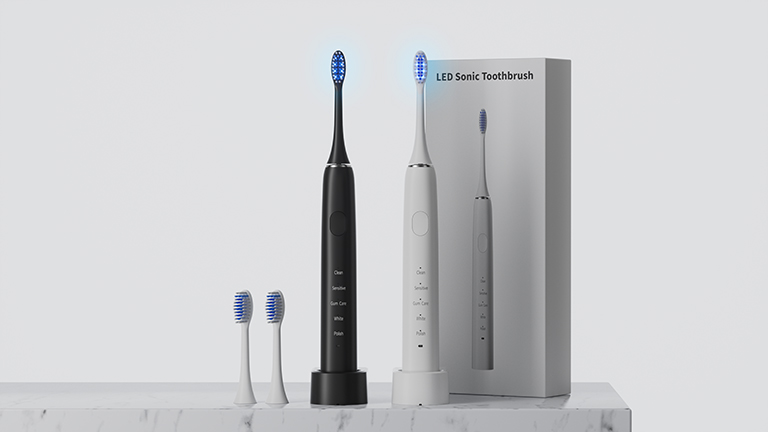
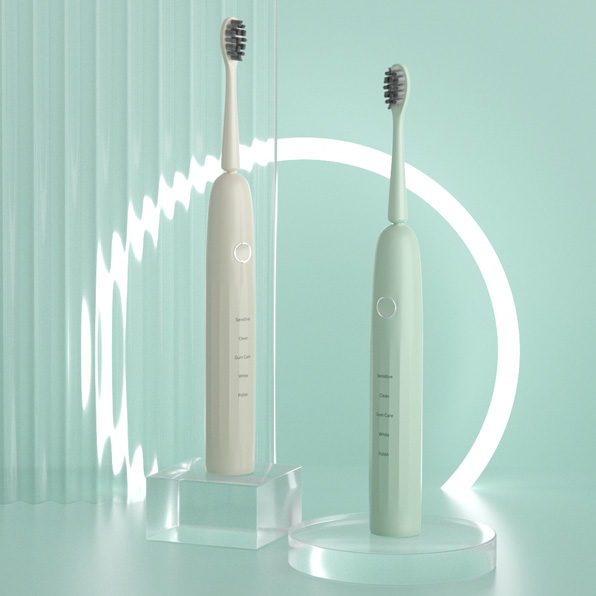
Choose an electric toothbrush with high-frequency vibration to remove more plaque than manual brushing, compensating for missed professional cleanings. Look for a built-in 2-minute timer to ensure thorough brushing, even if you rush through sessions. A pressure sensor prevents over-brushing, which can damage enamel and gums. Opt for a quiet, low-vibration model to reduce sensory discomfort during brushing.

At-Home Care Routine to Compensate for Missed Cleanings

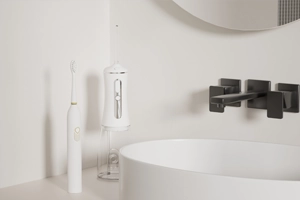
Brush twice daily for 2 minutes with your electric toothbrush, focusing on hard-to-reach back teeth. Use a water flosser daily to clean between teeth and along the gumline, removing plaque that brushing misses. Use an alcohol-free, fluoride mouthwash to kill bacteria and strengthen enamel. Schedule regular at-home fluoride treatments to protect against cavities.

Overcoming Dental Phobia Gradually

If you’re ready to face the dentist, start with small, low-stress visits, like a simple checkup without cleaning. Choose a dentist who specializes in treating patients with dental phobia. Use distraction techniques, like listening to music or watching a show, during appointments. Over time, you can work up to regular professional cleanings to maintain optimal oral health.
For dental-phobia-friendly electric toothbrushes, visit https://www.powsmart.com/.

For more information on dental phobia, visit https://www.ada.org/resources/consumer/oral-health/dental-anxiety.
Conclusion

This fear of dentist brushing guide helps people with dental phobia maintain good oral health at home. The right electric toothbrush and routine can compensate for missed professional cleanings, reducing cavity and gum disease risk. With time and support, many people with dental phobia can gradually overcome their fear and access regular dental care.