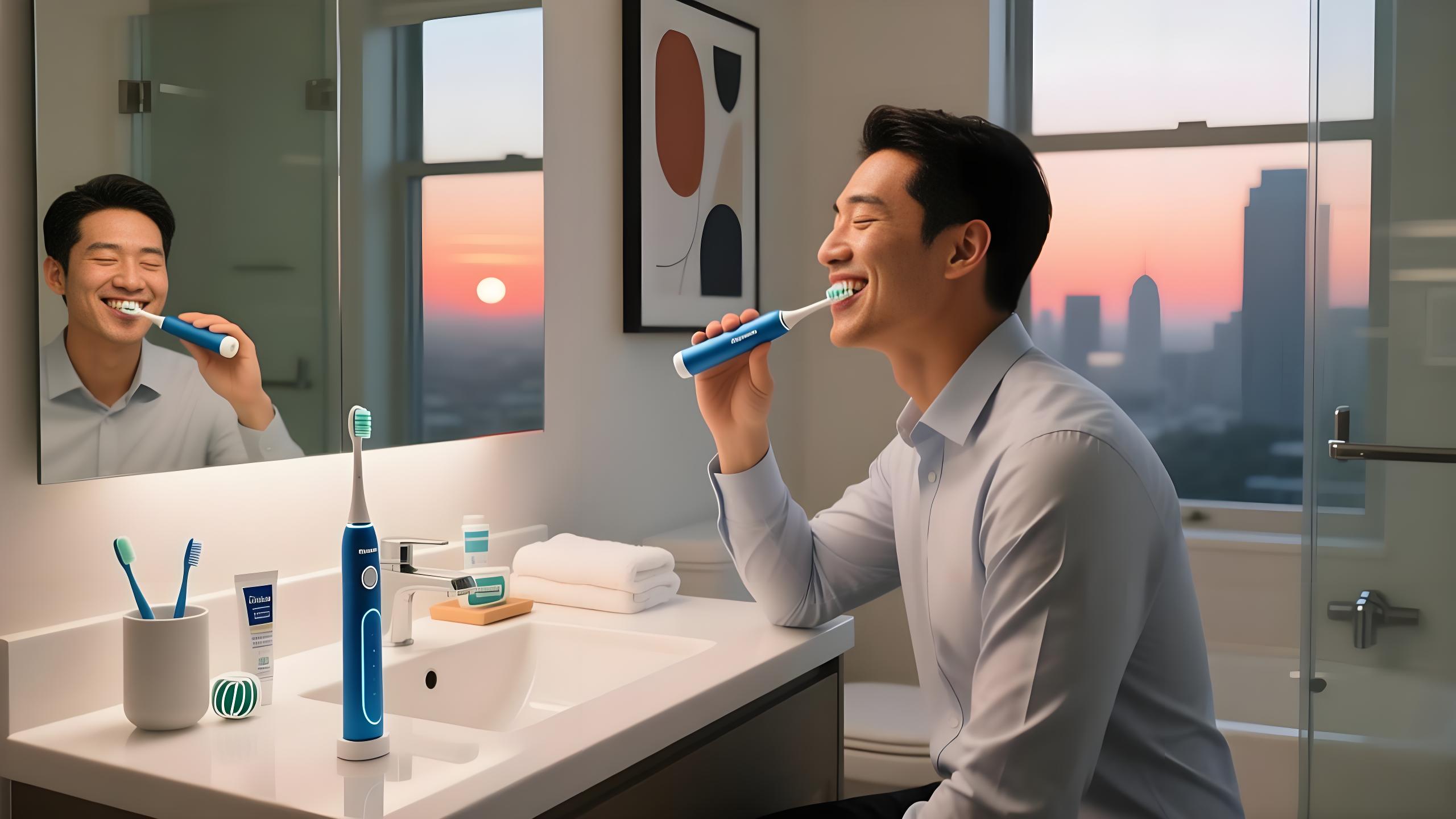
electric toothbrush food grade material compliance is becoming increasingly important as consumers pay more attention to health, safety, and product quality. For OEM buyers and brands, ensuring material safety is not only a regulatory requirement but also a strong selling point in competitive markets.
Food grade material compliance refers to the use of materials that are safe for contact with the human body, especially in oral environments.
Since toothbrush heads and handles come into direct contact with the mouth, materials must meet strict safety standards.
Moreover, compliance ensures that no harmful substances are released during use.
Different regions have specific requirements for material safety.
For example:
As a result, global brands must align materials with multiple standards.
For official material safety reference:
FDA Food Contact Materials Guidelines
To meet compliance requirements, manufacturers typically use:
In addition, coatings and colorants must also meet safety standards.
A professional OEM manufacturer ensures that all materials meet required standards.
They typically:
Furthermore, experienced suppliers help brands choose suitable materials based on target markets.
You can explore compliant material solutions here:
Electric Toothbrush OEM Manufacturing
Material compliance is verified through testing.
This may include:
Moreover, third-party labs are often used for certification.
However, many brands face challenges such as:
Consequently, products may fail compliance checks.
To achieve compliance:
In addition, maintaining documentation is essential for audits.
From a business perspective, compliance provides multiple advantages.
For instance:
Therefore, it is both a safety requirement and a marketing advantage.
Looking ahead:
As a result, brands must continuously update their material strategies.
In conclusion, electric toothbrush food grade material compliance is a key factor in ensuring safety, meeting regulations, and building brand trust. By working with experienced OEM partners and prioritizing material quality, brands can successfully compete in global markets.
.jpg)
Orthodontic Electric Toothbrush OEM: Specialized Care Solutions
Power vs Portability: OEM Manufacturing for Both Desktop & Portable Water Flossers
Can a Bangalore AI toothbrush boost your Efficient brushing tech routine?
Frequency and Tips for Using Your At-Home Mouthpiece Recommended by Your Dentist
.jpg)
Texas Themed Gift Electric Toothbrush
Fort Worth Electric Toothbrush Supplier
Can You Use Generic Electric Toothbrush Replacement Heads Safely?
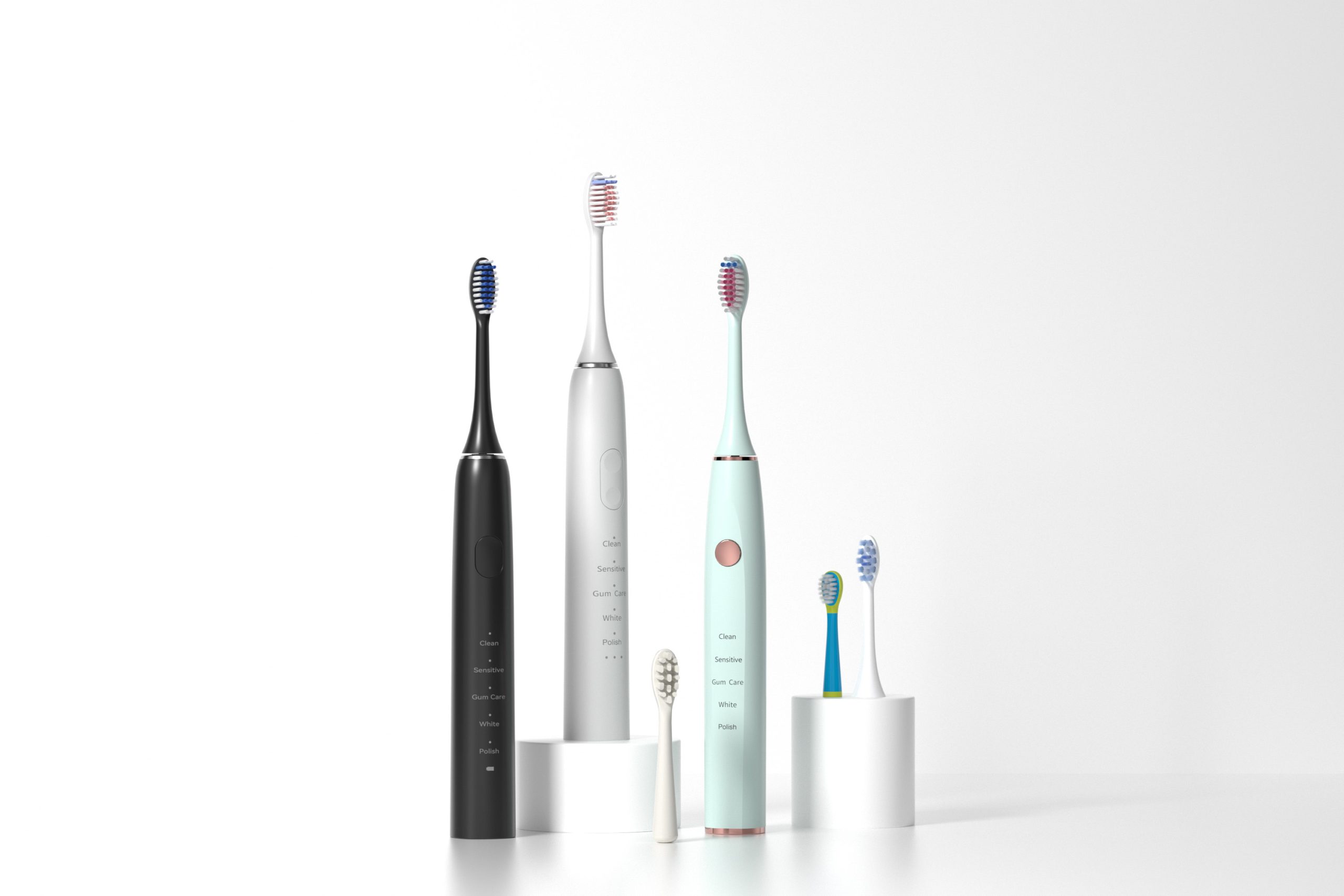
San Diego Military-Grade Durable OEM Electric Toothbrush Suppliers
.jpg)
Tampa bulk electric toothbrushes
Kids Electric Toothbrush Hyderabad | Fun & Gentle Care
Are App Pairing Failures Linked to Timer Sync Issues?
Sync Errors Causing Taste Distortion – Tech Glitch?
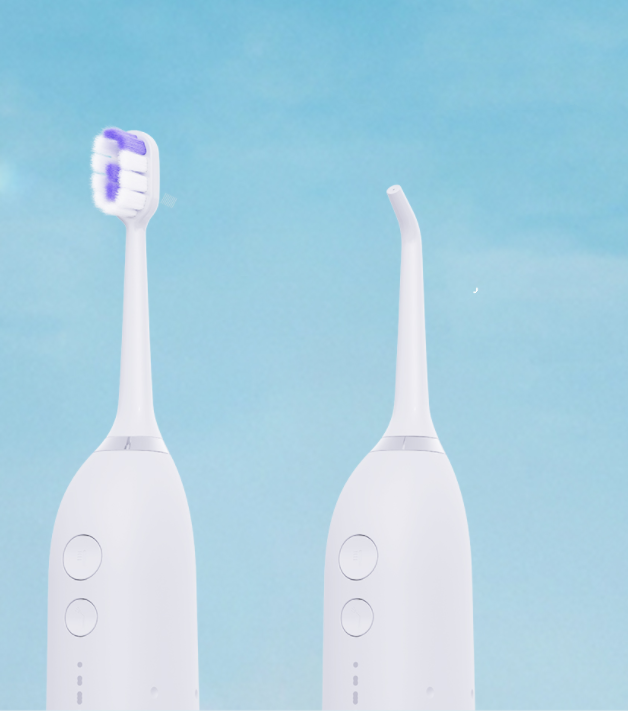
Deep Clean Interdental Electric Toothbrush Manufacturing Solutions
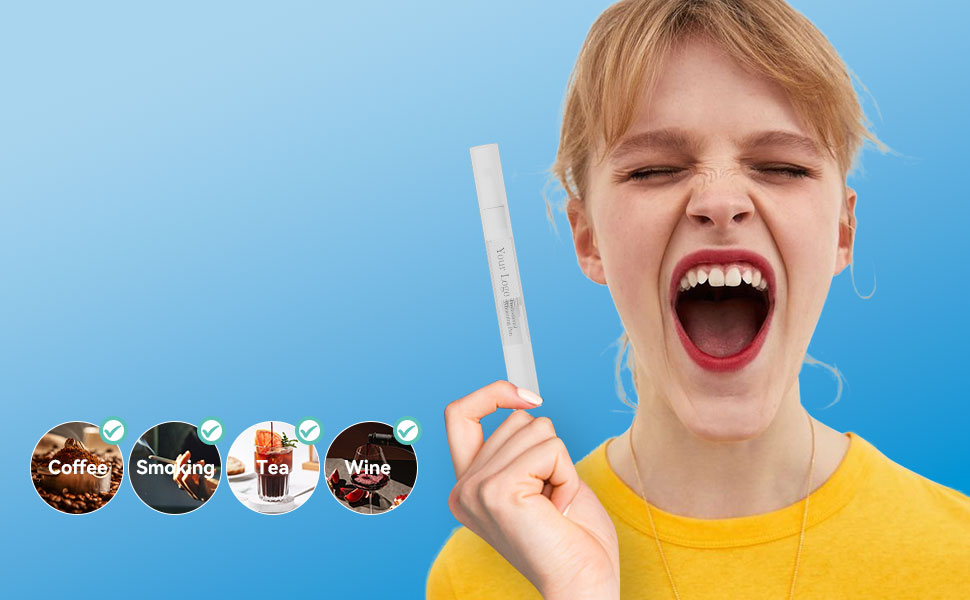
Can a High Endurance Motor Deliver Long Battery Life for 90 Days?
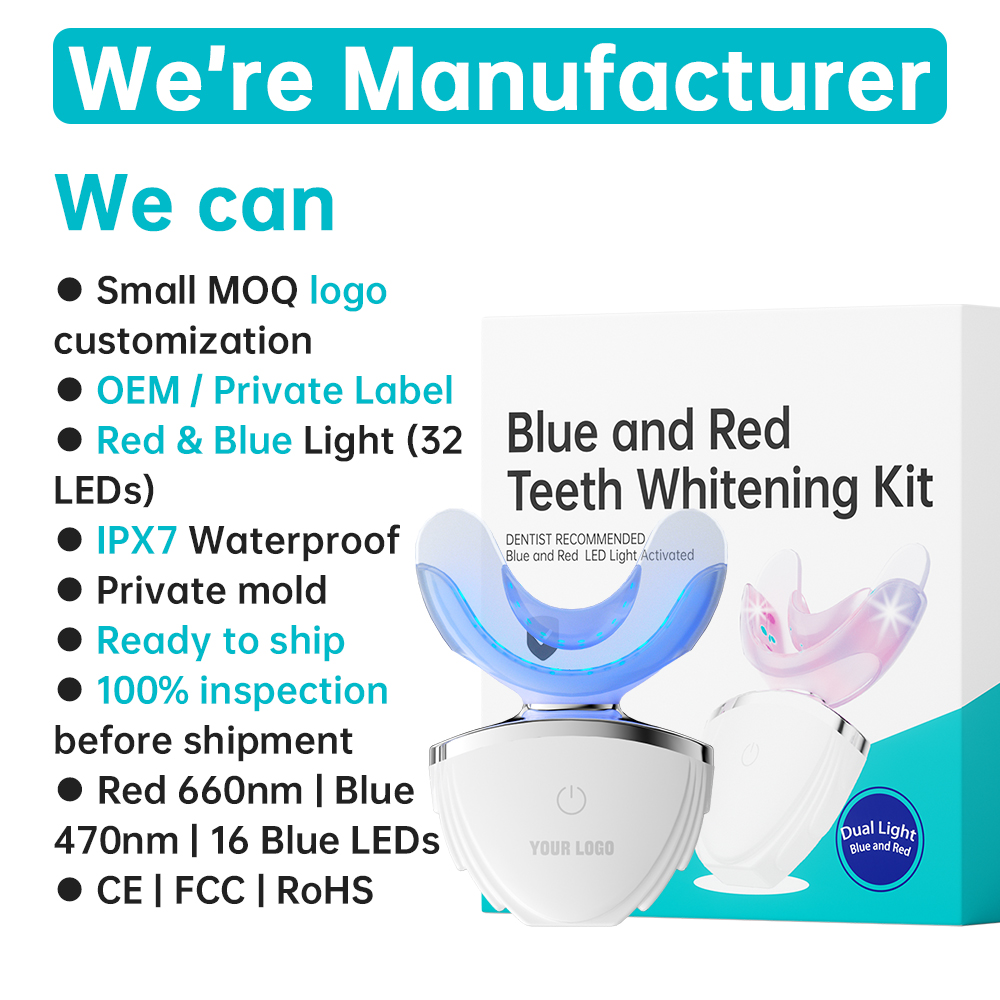
How Is an Acoustic Vibration Plate Protected by a Robust Watertight Seal Design?
.jpg)
How the GUM post-surgery ultra-soft toothbrush achieves gentle and non-irritating cleaning


.jpg)
.jpg)
.jpg)
.jpg)
.jpg)