Info Center
Home » powsmart Electric Toothbrush blog » Electric Toothbrush Ergonomic Grip Guide: Comfort for Consistent Brushing

Electric Toothbrush Ergonomic Grip Guide: Comfort for Consistent Brushing

Date:2026-03-12
Comfort matters for consistent brushing, and this electric toothbrush ergonomic grip guide compares handle designs and grip materials to help you find the most comfortable option. A poorly designed handle can cause hand fatigue, wrist pain, or even make you skip brushing entirely. The right ergonomic grip makes brushing easier and more enjoyable, leading to better oral health. For ergonomic electric toothbrushes, visit https://www.powsmart.com/.

Common Handle Designs & Their Ergonomic Pros & Cons

First, let’s break down the most popular handle designs and how they impact comfort:
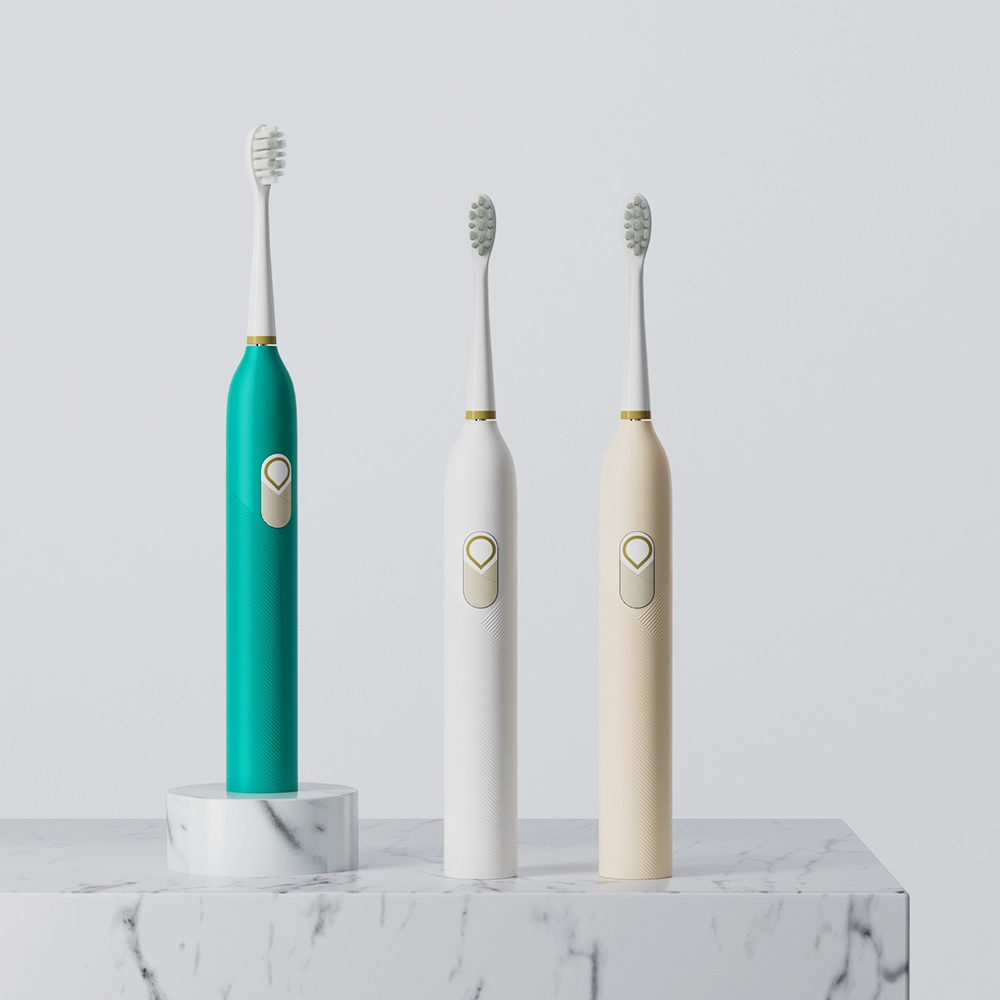
  • Cylindrical handles: The most common design, lightweight and easy to hold for most people. It fits well in small hands but can slip if wet, requiring more grip strength.
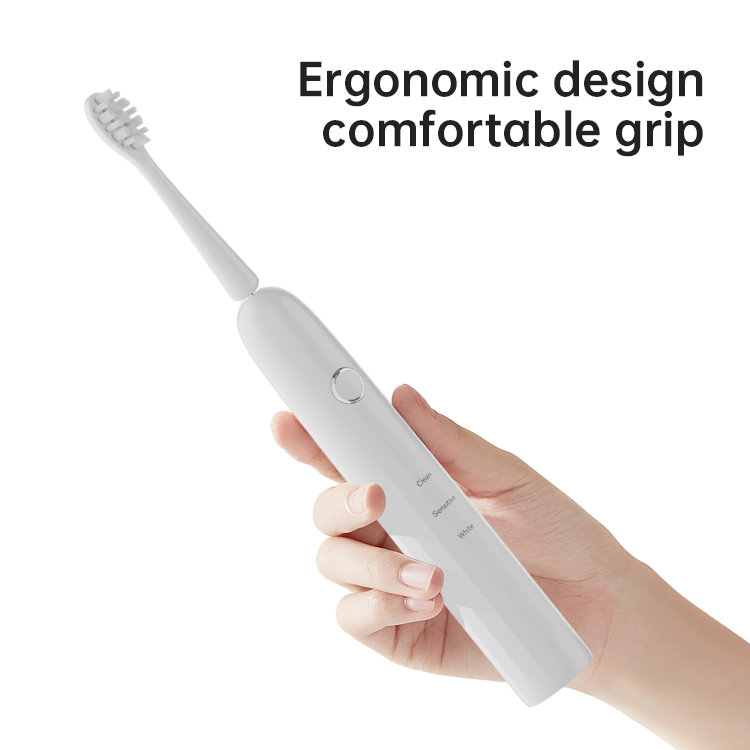
  • Contoured handles: Shaped to fit the natural curve of your hand, reducing wrist strain and fatigue. Ideal for people with arthritis or limited dexterity, as it requires less effort to hold.
  • Thick, non-slip handles: Wider handles with a textured surface prevent slipping, even when wet. Great for people with sweaty hands or limited grip strength, but may feel bulky for smaller hands.
  • Slim, lightweight handles: Perfect for travel or people who prefer a minimal feel, but can cause hand cramping with prolonged use due to the narrow grip.

Grip Materials: Which Is Best for Ergonomics?

Furthermore, the material of the handle directly impacts comfort and grip:
  • Rubber/silicone: Soft, non-slip, and shock-absorbent. It conforms to your hand, reducing pressure points and fatigue—ideal for long brushing sessions.
  • Textured plastic: Affordable and lightweight, with a grippy surface to prevent slipping. Less comfortable than rubber but more durable.
  • Metal: Durable and stylish, but cold to the touch and slippery when wet. Best for people who prefer a premium feel, not for sensitive hands.
  • Bamboo: Eco-friendly and lightweight, but can absorb moisture and grow mold if not dried properly. Less ergonomic than synthetic materials.

How to Hold an Electric Toothbrush for Maximum Comfort

In addition, follow these ergonomic holding tips to reduce fatigue:
  • Hold the brush like a pencil, not a fist—this reduces wrist strain and allows for more precise movements.
  • Keep your wrist straight, not bent, to avoid pain and cramping.
  • Let the brush do the work—don’t apply pressure, which can cause hand fatigue and gum irritation.
  • Test different handle sizes and materials in a store before buying to find the most comfortable option.
In conclusion, this electric toothbrush ergonomic grip guide helps you find a brush that fits your hand and lifestyle. Prioritize contoured, non-slip handles with soft materials to make brushing a comfortable, consistent habit. For more brushing technique tips, visit https://www.ada.org/en/resources/consumer/oral-health/brushing-and-flossing.