Info Center
Home » powsmart Electric Toothbrush blog » Electric Toothbrush Durability Testing

Electric Toothbrush Durability Testing

Date:2026-02-25
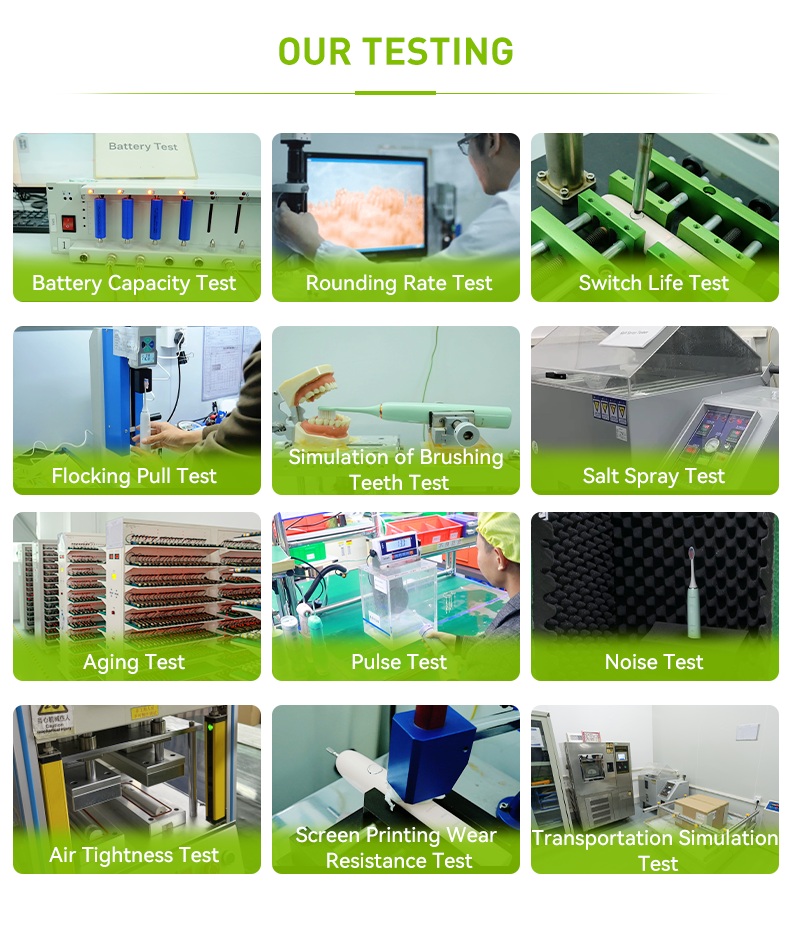
The electric toothbrush durability testing process is a rigorous, multi-step series of evaluations. Every electric toothbrush must pass these tests before hitting store shelves. The process ensures the device is safe, reliable, and built to withstand daily use for years. Electric toothbrushes are an investment in dental health. Consumers expect them to perform consistently, hold up to daily brushing, and stand up to accidents. Before a single brush is sold, manufacturers test every component for durability, waterproofing, safety, and performance. These tests are non-negotiable. For electric toothbrushes built to pass rigorous durability testing, visit https://www.powsmart.com/.

Waterproof Testing for Daily Bathroom Use

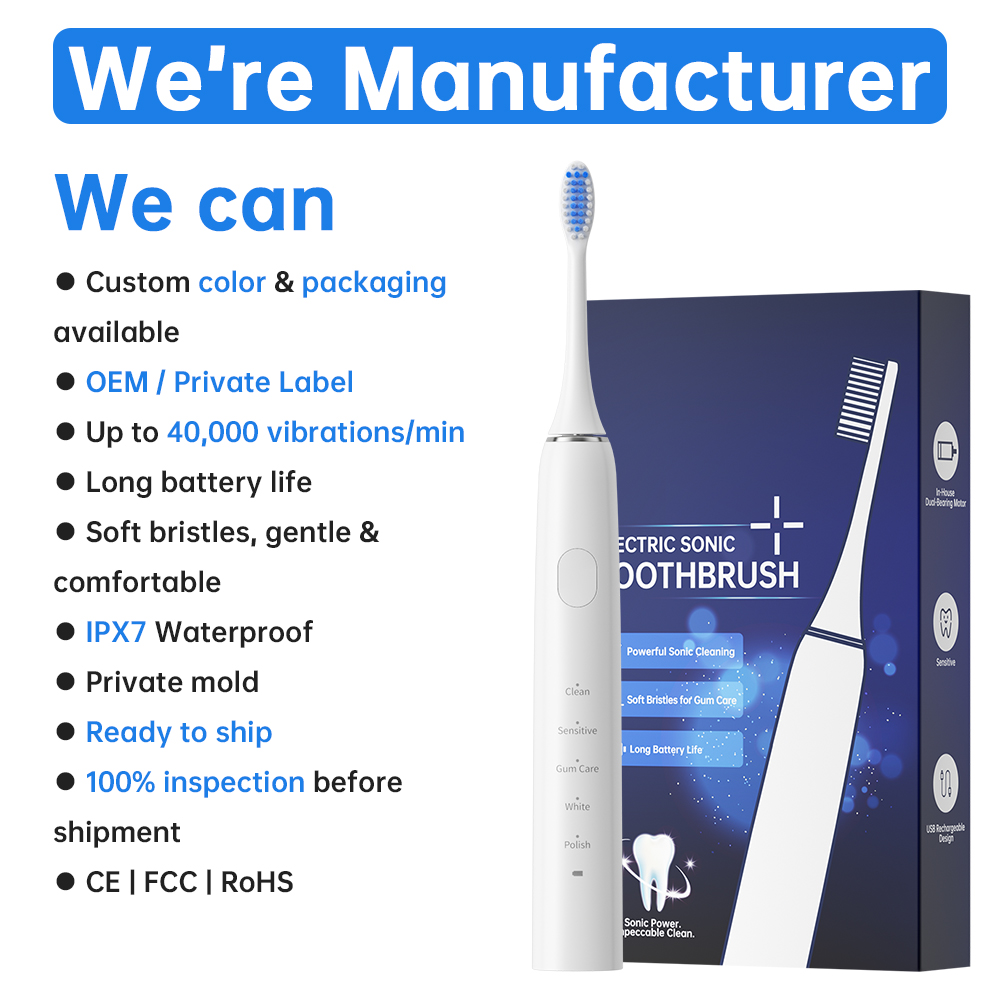
Waterproof testing is one of the most critical steps in durability testing. Electric toothbrushes get used in wet bathrooms and often in the shower. All modern electric toothbrushes have an IPX (Ingress Protection) rating. The gold standard is IPX7: the brush can be submerged in 1 meter of water for 30 minutes with no water seeping into internal components.
During testing, technicians fully submerge the toothbrush in a water tank for 30 minutes. They immediately test it for functionality afterward. The motor must run at full power. The battery must remain undamaged. No water leakage or electrical shorting is allowed. Some manufacturers also test with hot water and toothpaste residue. This ensures waterproof seals hold up to real-world use. A failed test means a complete redesign—water damage tops the list of brush failures.

Motor Endurance: Ensuring Long-Term Performance

Motor endurance testing checks the heart of the electric toothbrush: its motor. The motor must perform consistently for thousands of hours. Electric toothbrushes use either sonic or rotary motors. Technicians test both for overheating, wear, and loss of power.
During testing, technicians run the motor continuously in its most power-intensive mode for 1,000+ hours. This simulates 3–5 years of daily use (2 minutes, twice a day). Manufacturers monitor temperature, vibration speed, and power output closely. The motor must maintain performance without overheating or breaking down. If it fails, designers adjust the model for better reliability. This ensures your brush cleans effectively for years.

Drop Testing for Accidental Impacts

Drop testing simulates the accidental drops every electric toothbrush will face. Technicians drop the brush from 3 feet (standard bathroom counter height) onto a hard tiled surface. They repeat this hundreds of times from multiple angles.
After each series of drops, technicians inspect the brush for cracks or damage. They test it to ensure the motor, battery, and controls still work properly. Handles feature shock-absorbent materials and reinforced plastic. Drop testing confirms these features work as intended. A brush that cracks or malfunctions fails the test—real-world durability is non-negotiable.

Safety Testing for All Ages

Safety testing is the final, most important step in the process. It ensures the device is safe for daily use by people of all ages. Technicians check for harmful materials (lead, BPA, phthalates) in the handle and brush head. They verify electrical components are insulated to prevent shocks. They also make sure the brush head is secure and won’t detach during use.
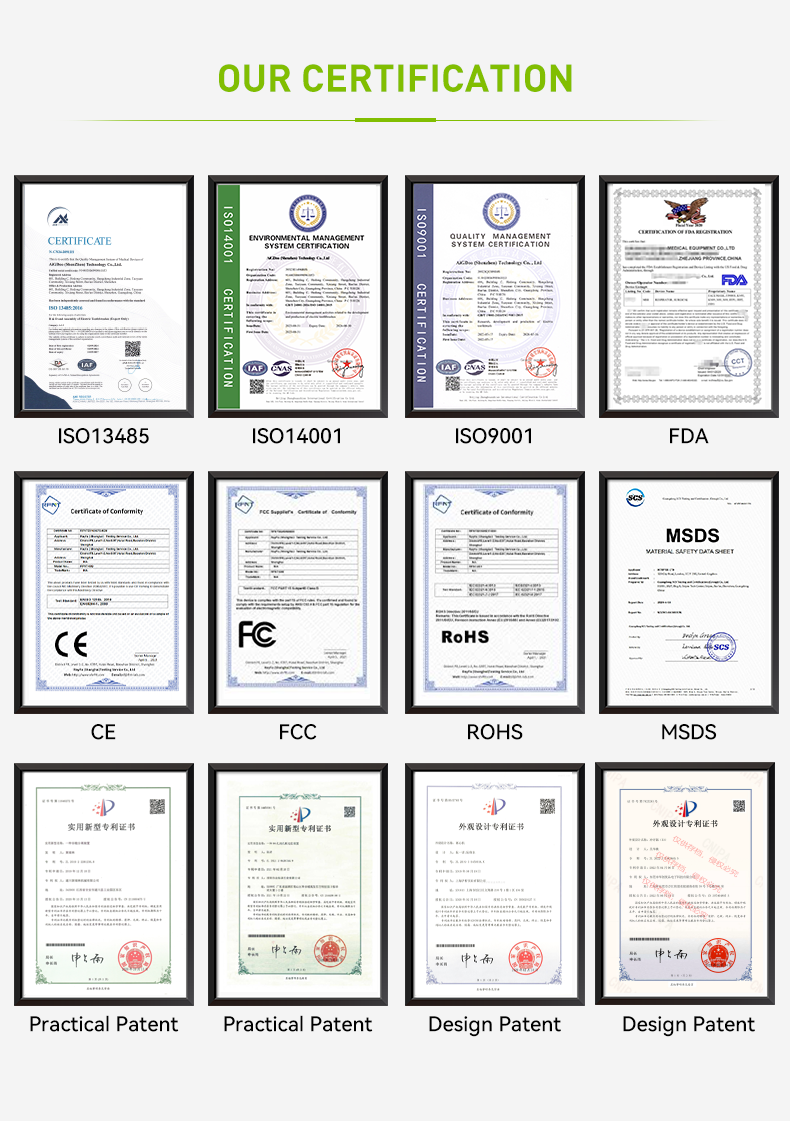
Manufacturers also test the charging system. The charger must not overheat. The brush must have built-in protections against overcharging and short-circuiting. All brushes must comply with international safety standards (FDA, CE). They must pass these tests to be sold to consumers. For more on product safety testing, visit https://www.fda.gov/medical-devices/device-approval-clearance-and-authorization/medical-device-testing.

Additional Evaluations for Quality

Beyond core tests, manufacturers conduct extra evaluations to ensure quality. They test battery life, brush head compatibility, and ergonomics. They make sure the brush is comfortable to hold and easy to use. Every test simulates real-world use. The goal is a brush that’s effective, durable, safe, and reliable.
When you buy an electric toothbrush, you’re buying a product tested for months. The electric toothbrush durability testing process proves manufacturers’ commitment to quality. It ensures your investment pays off in a healthier smile and years of reliable use. Your brush is built to last, perform, and keep your smile healthy—thanks to this rigorous testing.