
For companies entering the European market, compliance is not optional—it is mandatory. The keyword electric toothbrush CE certification OEM represents a critical requirement for selling products legally within the European Economic Area.
Without CE certification, electric toothbrush products cannot be distributed in Europe. Therefore, OEM buyers must ensure that their suppliers fully understand and comply with CE requirements from the early stages of product development.
CE marking indicates that a product meets EU safety, health, and environmental protection standards. For electric toothbrushes, this typically involves compliance with several directives:
As a result, CE certification is not a single test but a comprehensive compliance process.
To meet CE requirements, electric toothbrushes must satisfy:
In addition, proper documentation is required, including technical files and test reports.
The CE certification process usually includes:
Moreover, manufacturers must maintain records for inspection.
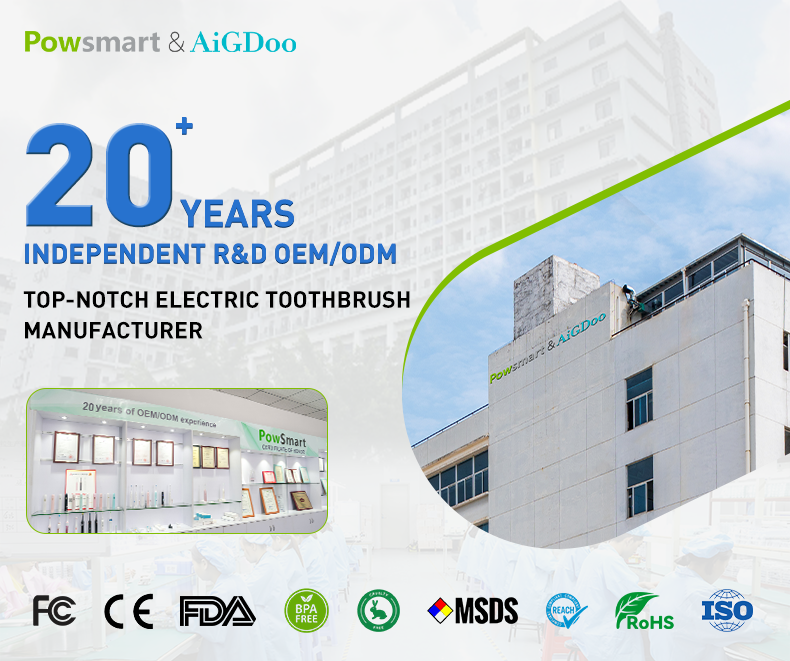
OEM suppliers play a critical role in ensuring compliance. Responsibilities include:
Therefore, choosing an experienced OEM partner significantly reduces compliance risks.
Many buyers face challenges such as:
However, these issues can be avoided through early planning and supplier cooperation.
CE certification involves both time and cost:
Consequently, OEM buyers should include certification in project planning from the beginning.
View compliant product solutions:
https://www.powsmart.com/electric-toothbrush/
For CE regulations:
https://ec.europa.eu/
In conclusion, electric toothbrush CE certification OEM is essential for entering the European market. By working with experienced manufacturers and understanding compliance requirements, OEM buyers can ensure smooth market access and long-term success.
.jpg)
What’s Next in Smart Toothbrush Technology for Advanced Dental Health Monitoring?
.jpg)
Dual-Motor Electric Toothbrush OEM Solutions for Premium Oral Care Brands
Electric Toothbrush Battery Safety OEM
Chai Tea Teeth Stains | Whitening Tips
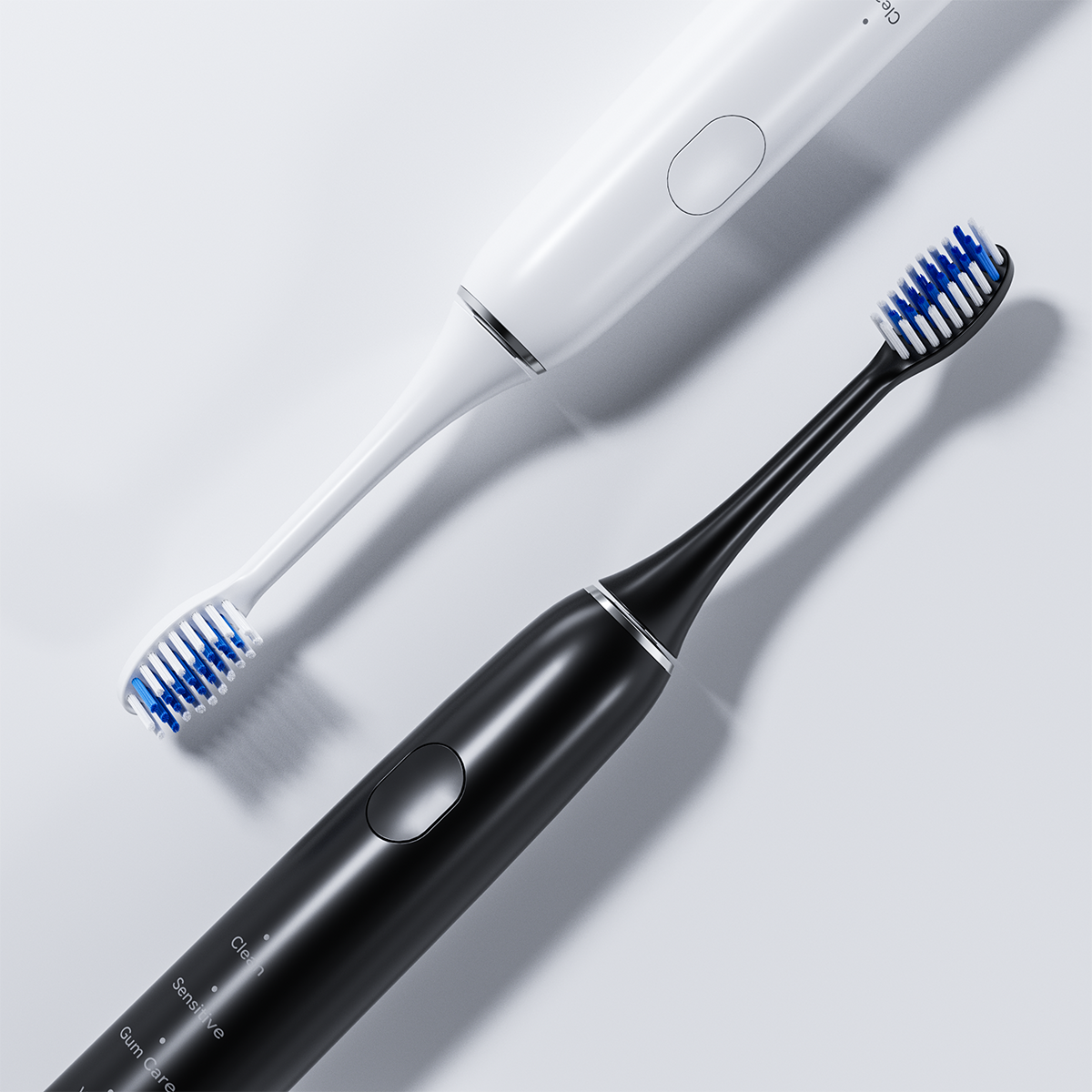
When Is It Better to Choose an Electric Toothbrush?
As a B2B Oral Irrigator Distributor, Do You Prioritize Models with Precise Water Flosser Pressure Control?
E-commerce Toothbrush Supplier for Online Brands & Distributors
.jpg)
Smart Toothbrush Private Label: Build Your Brand with OEM Support
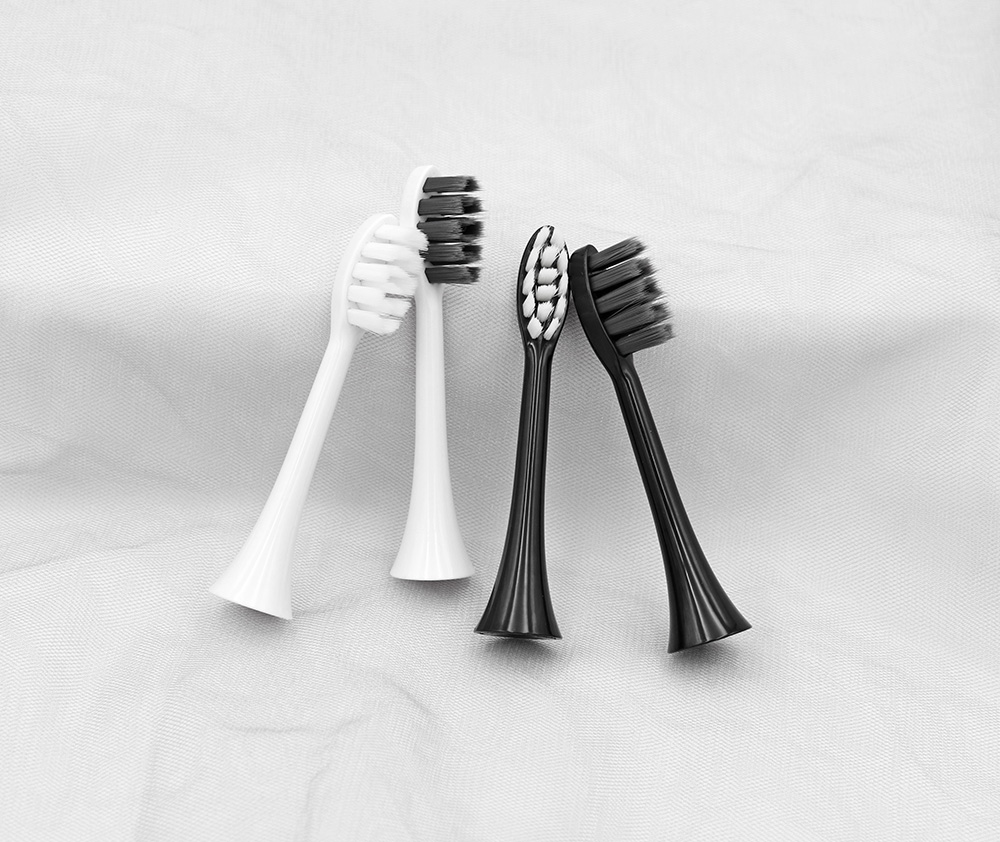
3-Month Brush Head Replacement Reminder: Why It Matters for brand owners
Low Quantity Electric Toothbrush Manufacturing
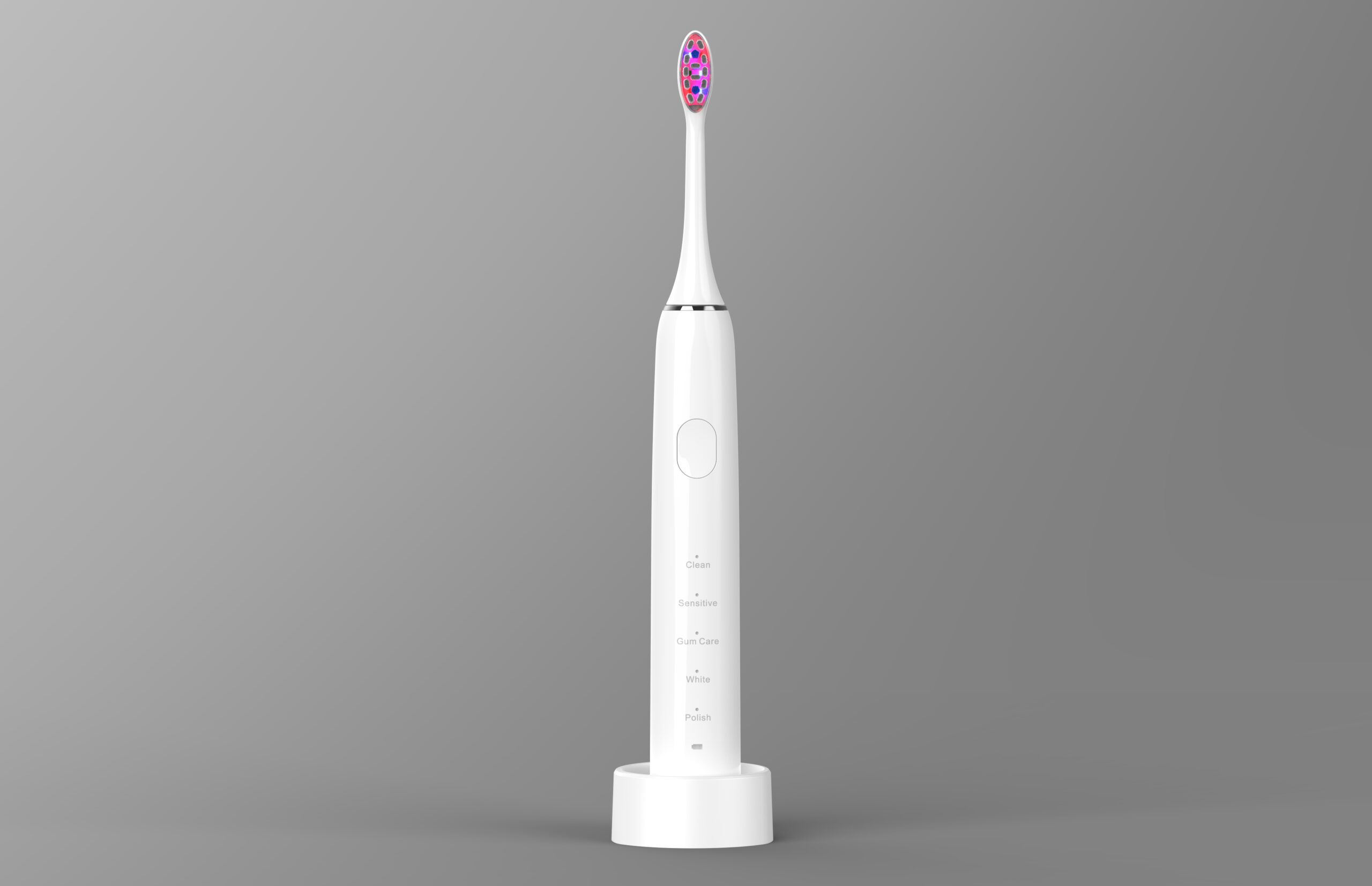
How Can Intuitive Touch Interface Design Incorporate a Reliable Child Lock Function?
LED Whitening Toothbrush OEM | Advanced Oral Care Manufacturing Solutions
The Importance of Electric Toothbrushes with Self-Developed Motors for Manufacturers
-1-scaled.png)
Why Invest in Teeth Whitening Equipment from a Professional Whitening Kit Manufacturer?
.jpg)
Can Your Private label toothbrush production Scale ?
Sjogren’s dry mouth flosser: saliva compensation


.jpg)
.jpg)
.jpg)
.jpg)
.jpg)




.jpg)
.jpg)
.jpg)