In the landscape of modern consumer and professional electronics, two hardware concerns are becoming increasingly critical—Dock Failure and Battery Swelling. While often regarded as separate reliability issues, these malfunctions can work in tandem to compromise device performance and user safety. From portable grooming tools to medical diagnostics equipment, manufacturers must recognize how these risks interact and what they imply for overall product safety in demanding real-world use scenarios.
Dock Failure refers to the malfunction of the charging dock or connection base that facilitates power transfer and often data synchronization. Causes range from poor contact design and corrosion to mechanical wear or foreign matter ingress. In B2B use cases, docks are often subjected to repeated cycles of docking and undocking, increasing the chances of degraded alignment or loose connections over time.
When a dock fails, not only does it interrupt charging, but it can also lead to unexpected power drops, incomplete firmware updates, and unsafe charging conditions—especially if the dock fails mid-cycle. The situation becomes more severe when Battery Swelling is involved, compounding both mechanical and thermal stresses.
Battery Swelling occurs when a lithium-ion battery builds up internal gases due to overcharging, overheating, deep discharging, or manufacturing defects. As pressure accumulates inside the battery cell, the outer pouch expands, exerting pressure on the device’s internal components and, in severe cases, rupturing the casing.
Swelling compromises not only structural integrity but also thermal management. When a swollen battery continues to be charged—especially through a faulty dock—it poses real fire and explosion risks. These scenarios are more common in devices lacking real-time charge monitoring or thermal feedback mechanisms.company web:https://www.powsmart.com/product/electric-toothbrush/
When Dock Failure and Battery Swelling occur in the same system, the risks multiply:
In professional environments—such as dental clinics, cosmetic treatment centers, or field service operations—devices are used and charged continuously. Undetected battery swelling deforms components, eventually making devices hazardous. Some critical examples include:
These incidents not only damage equipment but can also cause injury or even initiate workplace fires.
To mitigate the safety risks associated with Dock Failure and Battery Swelling, OEM/ODM manufacturers should adopt a multi-level design and QA strategy:
Dock Failure and Battery Swelling are not merely hardware nuisances—they are potential safety hazards with serious consequences in both professional and consumer contexts. Combined faults cause minor failures to dangerous malfunctions harming users or reputations.
B2B electronics manufacturers must anticipate failures, invest in smart charging, and deepen lifecycle simulations.. Focusing on design details and reliability testing builds devices that perform safely and reliably for demanding users.
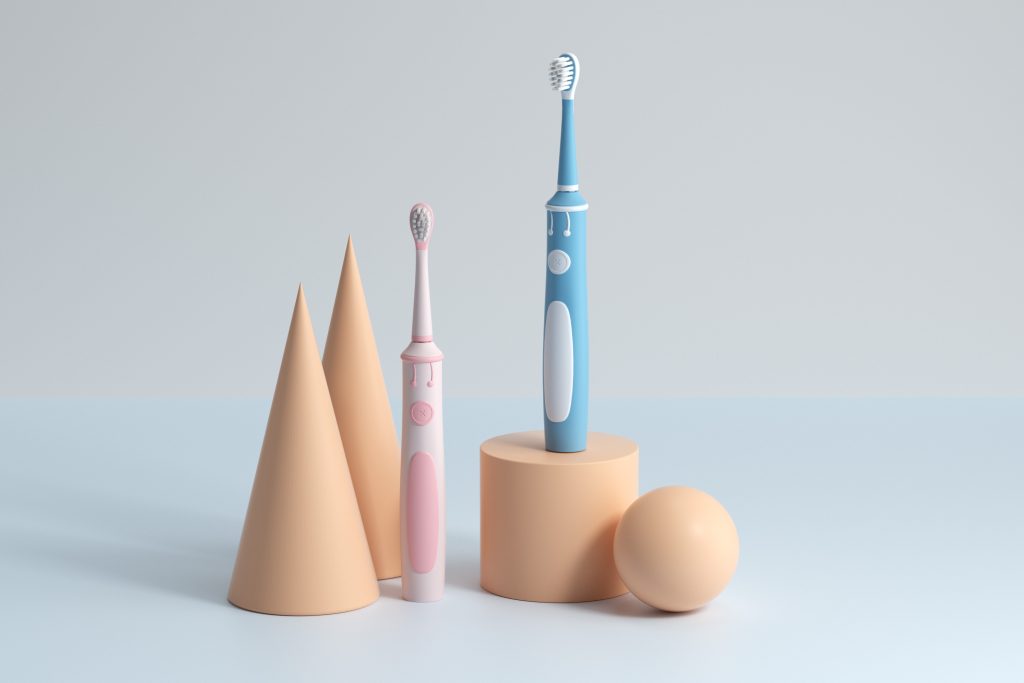

Can an Electric Toothbrush Help Relieve Tooth Sensitivity?
What makes Portable Flosser Design dependent on integrating a Quiet Flosser Motor?
.jpg)
Why Is Enamel Vulnerability Linked to Staining Residuals?
How to Avoid Legal Risks in the OEM Process of Electric Toothbrushes
.jpg)
Does Post-Surgery Oral Care Brush Aggravate Gum Recession?

The Ultimate Checklist for Evaluating an Oral Care Product Manufacturer
Handle Grip Design Affecting Mucosal Irritation?
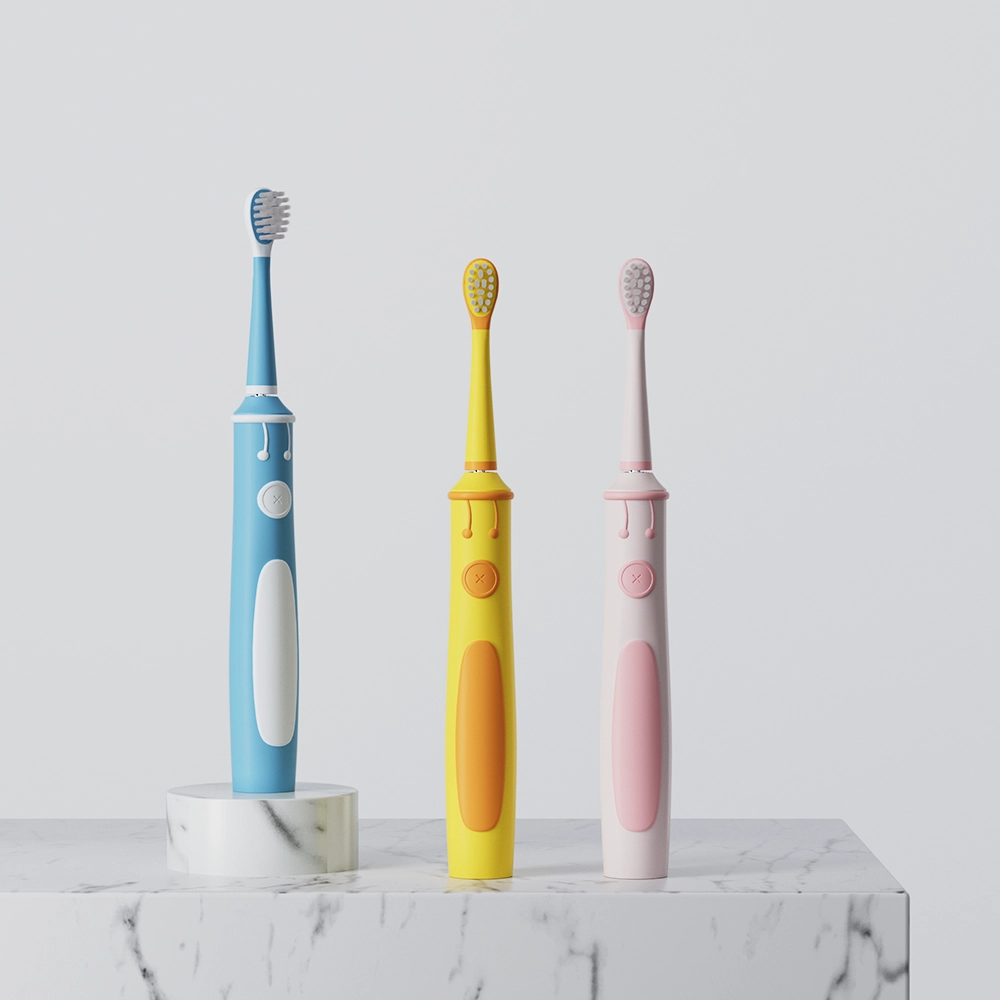
Does Children’s Cavity Prevention Brush Have App Connectivity Flaws?
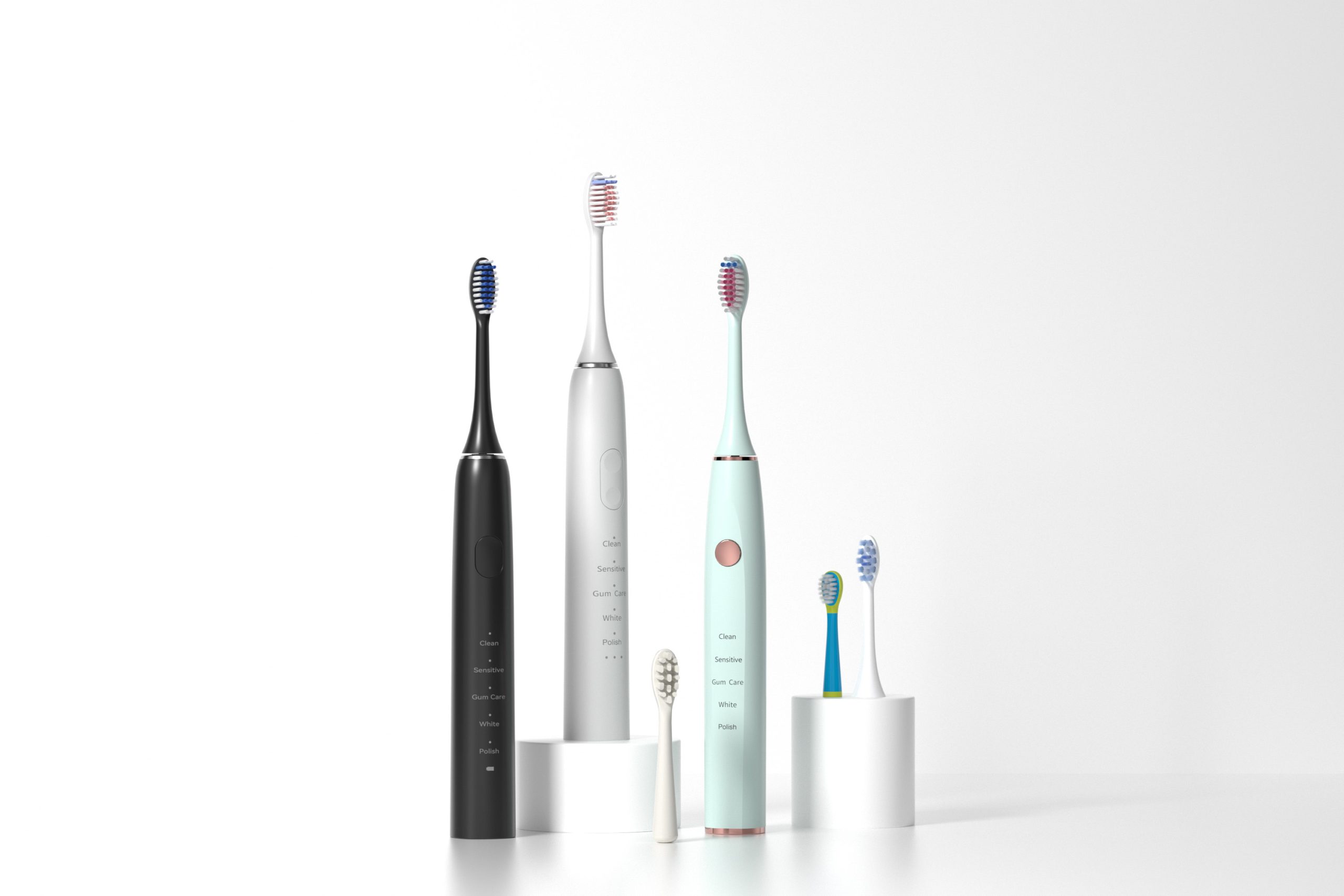
Does Gum Health Sonic Toothbrush Worsen Jaw Discomfort?
Can Charging Overheat Worsen Joint Leakage?

IPX7 Waterproof Electric Toothbrush Customization for Global Markets

Wavelength of Whitening Teeth Device Blue Light (460–490nm) and Red Light (620–660nm)Configuration Guide
How does a high-performance Water Pump OEM partnership ensure the success of Precision Nozzle Manufacturing?
Why Do Pediatric Warnings Address Bleach Residuals?
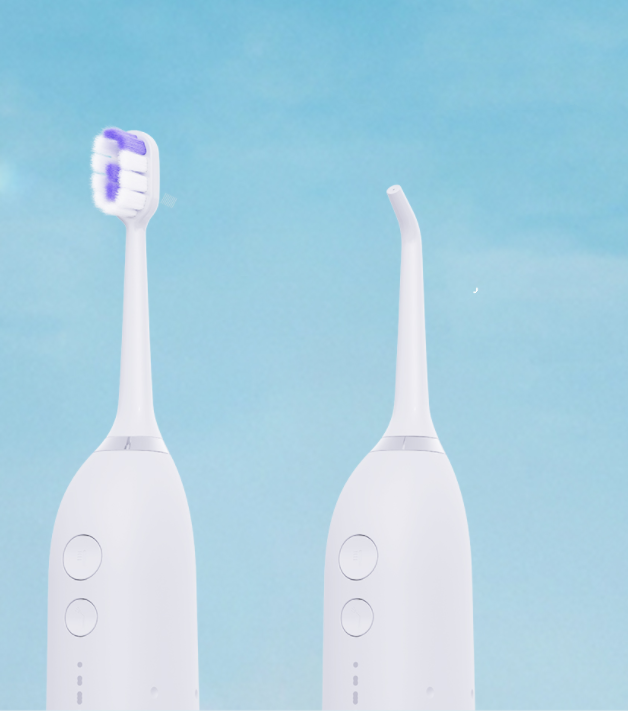
Deep Clean Interdental Electric Toothbrush Manufacturing Solutions
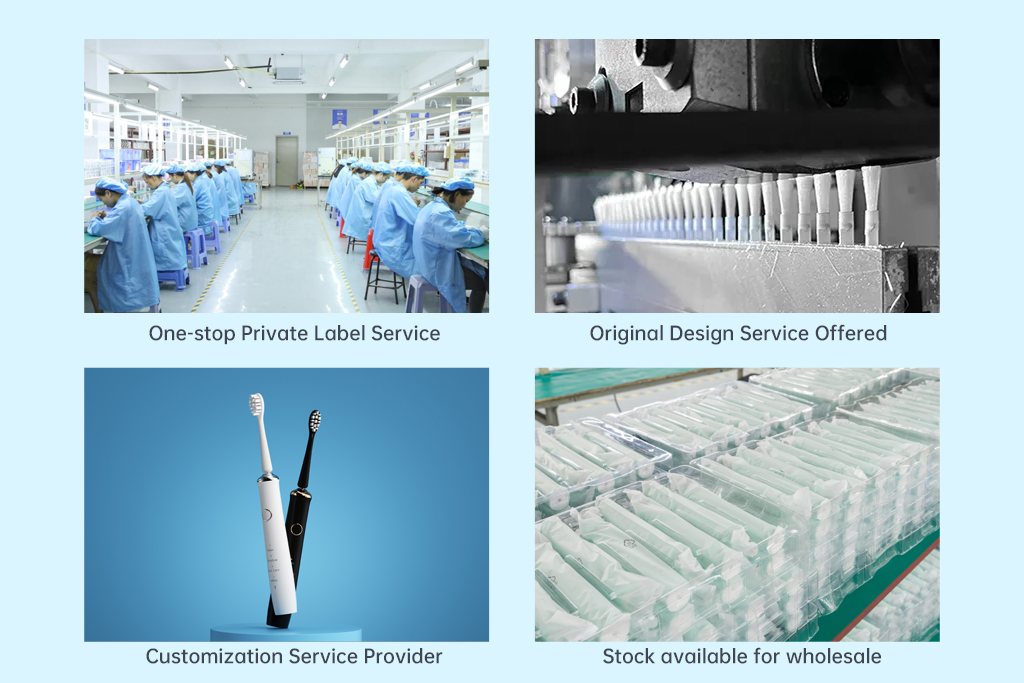
How to Find an Electric Toothbrush Factory with Strong Comprehensive Capabilities


.jpg)
.jpg)
.jpg)
.jpg)
.jpg)