
As sustainability becomes a core strategy for oral-care brands, one question often arises when evaluating toothbrush materials: Do nylon toothbrush bristles release microplastics? As an OEM manufacturer working closely with global oral-care brands, we are frequently asked this question during product development. Below, we provide a clear, science-based explanation—along with practical considerations for brands looking to launch eco-responsible products.
The majority of manual and electric toothbrushes on the market still use nylon toothbrush bristles, most commonly Nylon-6 or Nylon-6,12. These materials are favored because they offer the ideal balance of flexibility, durability, and water-absorption resistance. For manufacturers, nylon remains the most stable and predictable filament option during mass production.
The short answer is yes, but minimally. Like all synthetic polymers, nylon bristles can wear down over time due to brushing friction. This abrasion may cause microscopic particles to detach; however, the amount is generally low and significantly less than many everyday plastic products.
For brands concerned with the “release microplastics” issue, proper filament selection, polishing, and end-rounding during production can substantially reduce particle shedding.
Although sustainability is a rising priority, nylon remains the most reliable bristle material for oral-health performance. Clinical studies consistently show that nylon filaments clean effectively without damaging enamel or gums when properly rounded.
For brand owners, nylon offers predictable brushing behavior that alternative materials sometimes struggle to achieve.
To meet evolving market demand, manufacturers now offer eco-friendly bristles made from bio-based nylon, castor-oil nylon, and partially renewable polymers. These materials reduce dependency on petroleum while maintaining the functional properties of standard nylon.
Brands looking to position themselves as eco-conscious can consider hybrid options that balance sustainability with proven oral-care performance.
A responsible sustainable OEM partner ensures quality at every production step. Key practices include:
Precision end-rounding to reduce filament breakage
High-temperature stabilization to strengthen nylon fibers
Laser inspection to monitor bristle quality in real time
Use of bio-based or degradable materials for brands requiring greener solutions
These measures ensure your toothbrush line meets both performance and environmental expectations.
For oral-care brands, selecting a toothbrush factory is more than sourcing materials—it’s establishing a long-term partnership. When searching for a manufacturer, consider whether they can offer:
Material science expertise
Flexible customization options
Experience with sustainable materials
Quality systems that control microplastic risks
A knowledgeable OEM partner can guide you through material selection, compliance, and product differentiation, ensuring your final product aligns with your brand’s sustainability vision.
While nylon toothbrush bristles can release microplastics in small quantities, modern manufacturing methods and sustainable material innovations allow brands to create high-performance toothbrushes with reduced environmental impact. Partnering with a capable sustainable OEM ensures you deliver products that align with consumer expectations for both oral health and ecological responsibility.
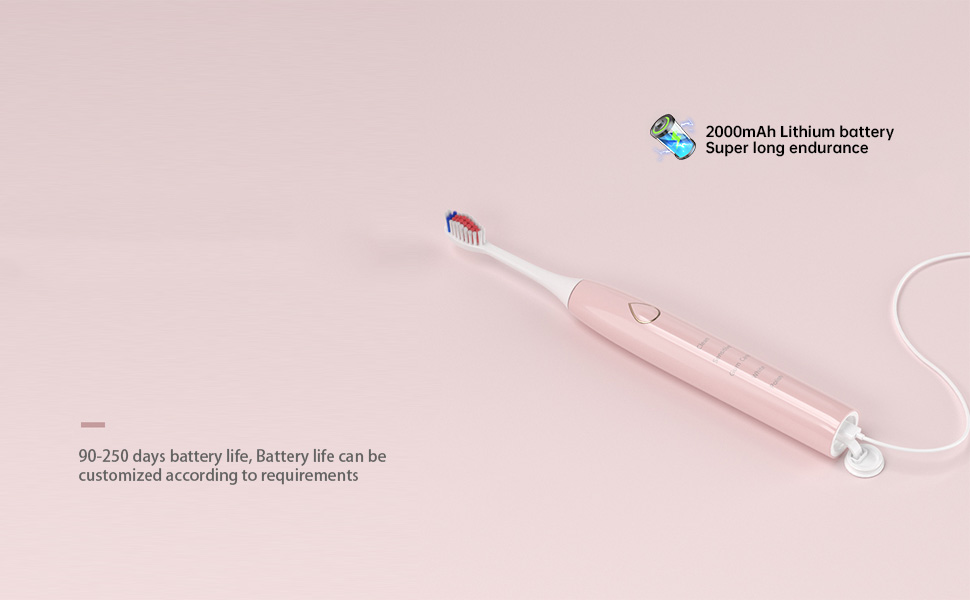
Lithium Battery Knowledge for Electric Toothbrushes

What Are the Necessary Conditions for Professional Teeth Whitening Device Suppliers?

How to Choose the Right Manufacturer Before Expanding Whitening Products
.jpg)
Electric Toothbrush for IT Employees | Tech-Friendly Oral Care
Need a Reliable Water Flosser Pump OEM for Your Oral Irrigator Components?
.jpg)
Queens toothbrush store — should it honor Long Island deals? A B2B Playbook for Seamless Cross-Borough Promotions
Durable Electric Toothbrush for Frequent Travelers Gujarat
.jpg)
How Does a Dental Clinic Water Flosser Require a Reliable Water Flosser Pump Supplier?
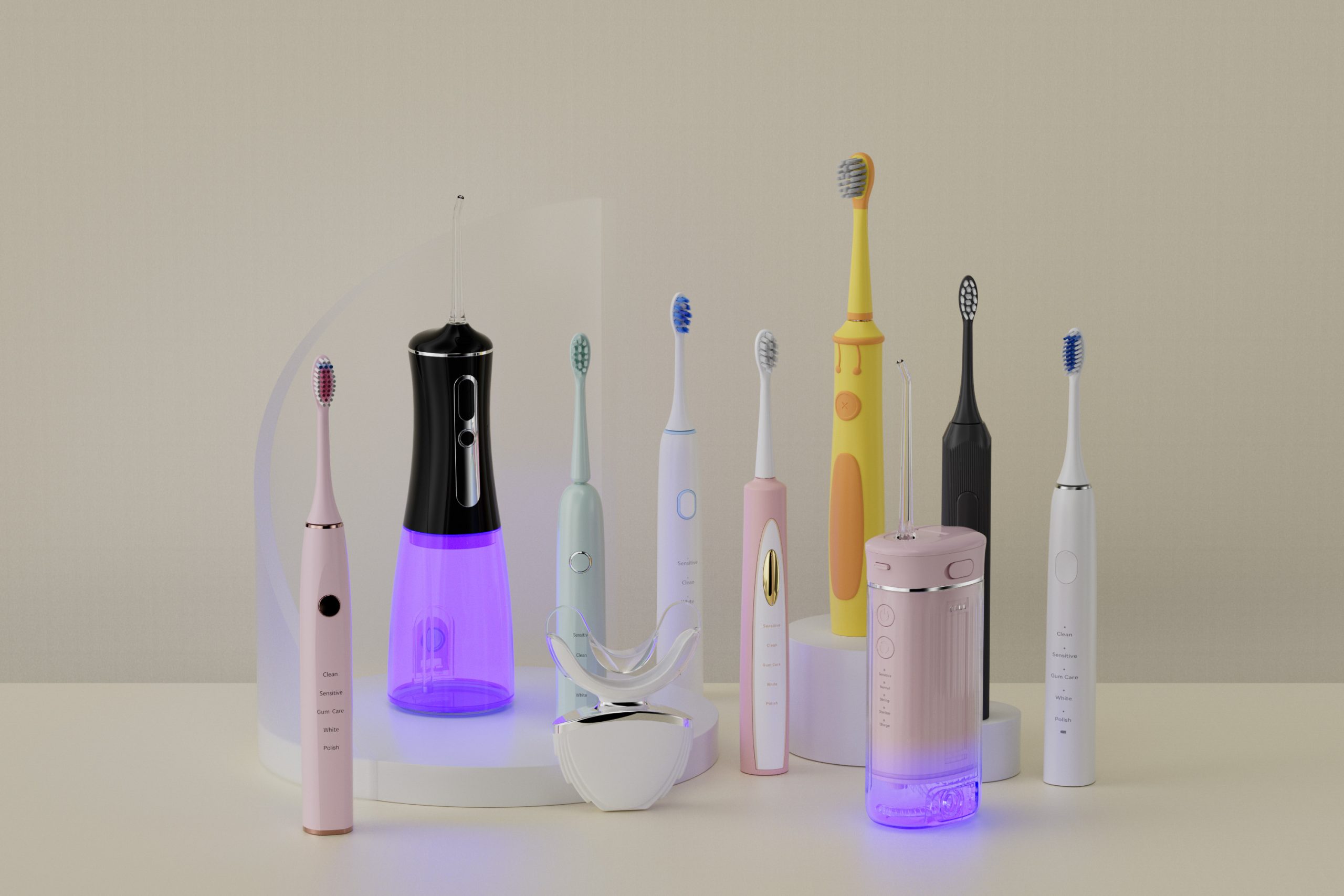
Premium Oral Care Product Selection Strategies in the Consumer Upgrade Era
Plaque Removal Science Brushing Techniques: Disrupt Biofilm for Cleaner Teeth
-3-scaled.png)
Home vs. Professional Red and Blue Light Teeth Whitening Devices: Wavelength Stability and Energy Density Comparison
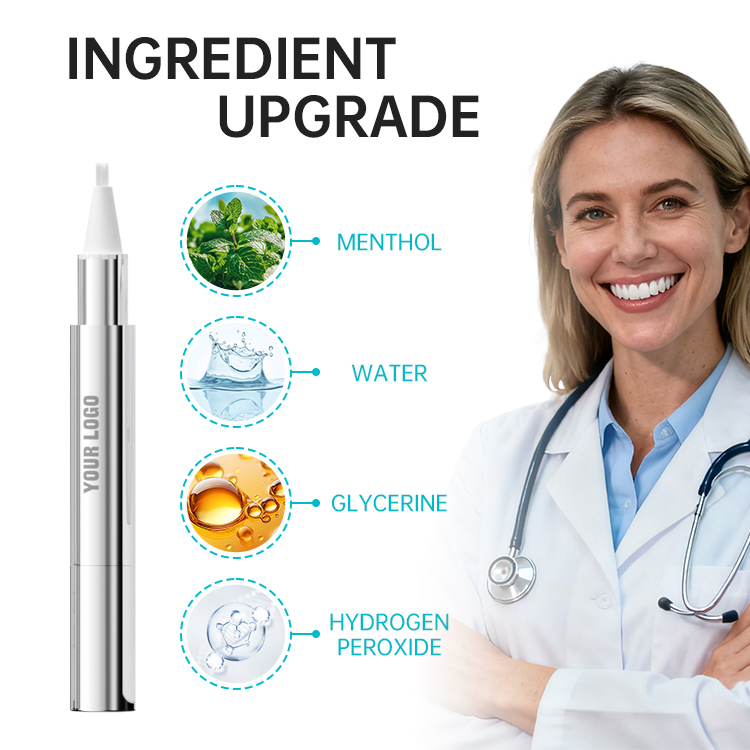
7 Dentist-Approved Tips to Safely Whiten Your Teeth — and How They Can Help You Create Your Own Teeth Whitening Brand
Why Does Whitening Efficacy Decline Trigger Pulse Intensity Spikes?
Western Style Electric Toothbrush
Why Water Flosser Pressure Calibration Matters for OEM Buyers
Bristle Splaying Leading to Gum Recession – Negligence?


.jpg)
.jpg)
.jpg)
.jpg)
.jpg)




.jpg)

.jpg)