
In recent years, the Functional Electric Toothbrush has become one of the most popular oral care gadgets on the market. From whitening promises to gum-massaging features, the product claims sound compelling—but how much of this is rooted in evidence-based oral care, and how much is clever OEM marketing? For oral care brands seeking reliable manufacturing partners, understanding the gap between innovation and proof is critical.
As oral health awareness grows, consumers are no longer satisfied with basic cleaning. They want electric toothbrush functional options like multiple brushing modes, sonic vibration, smart pressure sensors, and even UV sterilization. These features make electric toothbrushes highly marketable, especially for brands that want to differentiate in a crowded marketplace. But not every feature is clinically proven to provide added oral health benefits.
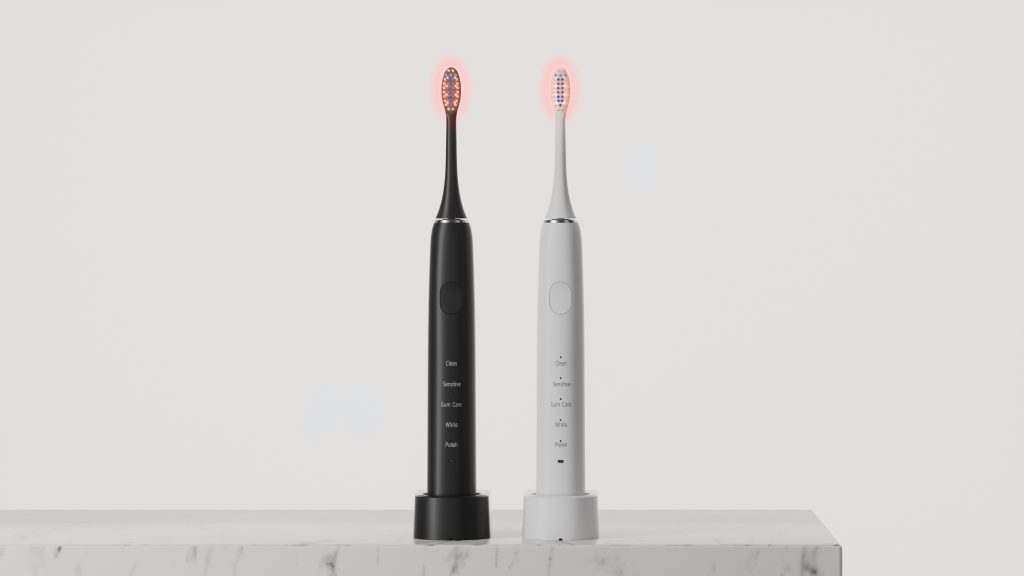
A key challenge lies in separating hype from science. Some functional claims—like reduced plaque with oscillating or sonic brushes—are supported by evidence-based oral care studies. However, features such as “teeth whitening in 7 days” or “gum rejuvenation” often lack clinical validation. For brands, relying solely on flashy OEM brochures risks undermining consumer trust if claims cannot be substantiated.
When choosing a manufacturing partner, brands must push beyond the sales pitch and demand OEM product validation. Reputable factories should provide:
Test reports for durability and safety
Clinical trial references (when available)
Certifications such as FDA, CE, or ISO compliance
This step ensures that product functionality is more than just a marketing angle.
Not every feature is fluff. Some electric toothbrush functional options genuinely enhance user experience and oral hygiene outcomes:
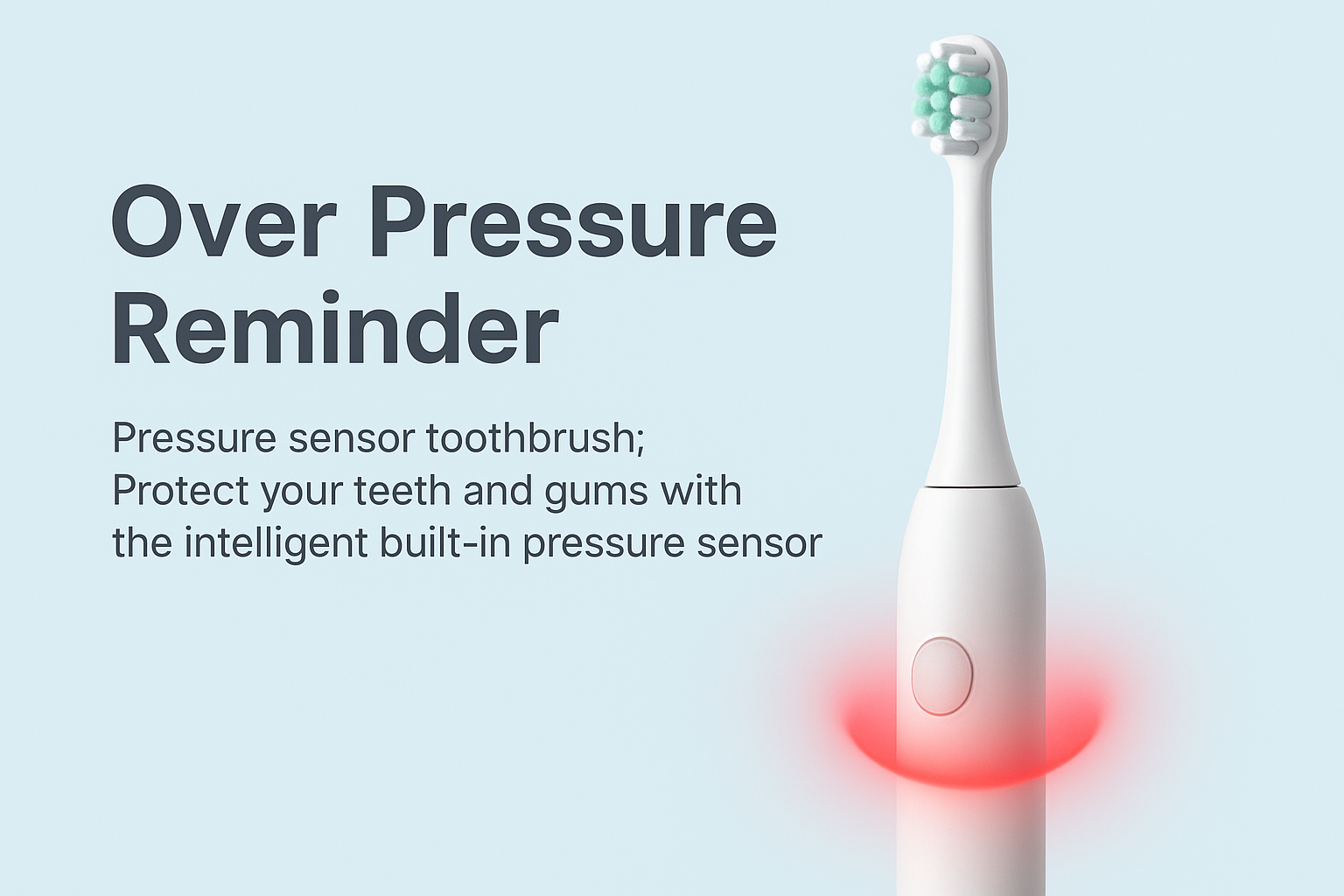
Pressure sensors that prevent enamel erosion
Timers that encourage recommended brushing duration
Adaptive cleaning modes tailored to sensitive teeth or orthodontic care
These features align well with consumer needs and evidence-backed benefits, making them safer bets for long-term brand reputation.
OEM suppliers often highlight innovative features as unique selling points. While innovation drives differentiation, overpromising without data can harm both the brand and consumer confidence. Savvy brands should approach claims like “professional whitening” or “gum repair” with caution unless validated through clinical evidence.
For oral care brands, success lies in balancing innovation with credibility. Consumers are becoming more discerning, and regulatory scrutiny is increasing. Partnering with manufacturers that prioritize OEM product validation and invest in real-world testing can help build a brand that stands out for trustworthiness, not just marketing flair.
By focusing on evidence-based oral care, insisting on OEM product validation, and carefully selecting functional options that are both innovative and credible, oral care brands can deliver products that truly improve consumer health—while avoiding the pitfalls of overhyped marketing.
Looking for a Toothbrush Maker that Produces Toothbrush for Braces?
.jpg)
Chip Overheating with Cavity Acceleration – Hidden Link?
How Long Is the Average Service Life of Electric Toothbrushes and Oral Irrigators?
electric toothbrush with fast charging OEM
Kids Electric Toothbrush Bulk: Wholesale Options for Businesses
Travel-Friendly Smart Toothbrush Supplier | Portable Oral Care Partner
Electric Toothbrush Certification Requirements for OEM and ODM Manufacturing
How Does Brush Head OEM Production Integrate with Toothbrush PCB Design for Smart Toothbrush Development?
How to Solve the Common Charging Problems When Using a Water Flosser?
Gasket Mold Plus Bacterial Regrowth – Health Hazard?
Effectiveness of dentistry devices from user feedback: improvements and challenges
Teeth Whitening Device Factory for OEM & Private Label Production
.jpg)
Why Choose a Water Flosser for Sensitive Gums as a Core Gentle Oral Care Product?
Can a Gingival Sulcus Cleaner integrate a Thermochromic Indicator for safety monitoring?
Rechargeable Teeth Whitening Device Wholesale
Why Is Regular Colorimeter Calibration Essential for Measuring Opalescence Enhancement in Whitening Treatments?


.jpg)
.jpg)
.jpg)
.jpg)
.jpg)






.jpg)

.jpg)