As the oral care industry evolves, dental irrigators and electric toothbrushes have emerged as essential products for consumers seeking enhanced dental hygiene. While these products serve different purposes—one focusing on interdental cleaning and the other on surface brushing—their production processes share remarkable similarities. In this blog, Powsmart is going to explore the shared aspects of manufacturing these products, from design to quality assurance, shedding light on what makes them reliable and effective as a manufacturer.
Both dental irrigators and electric toothbrushes start with meticulous design and prototyping. Engineers focus on ergonomics, functionality, and aesthetics to ensure the products are user-friendly and appealing. Advanced 3D modeling software is used to create prototypes, enabling manufacturers to visualize the final product and make iterative improvements. For example, the compact design of a dental irrigator and the ergonomic grip of an electric toothbrush undergo similar validation steps during this phase.
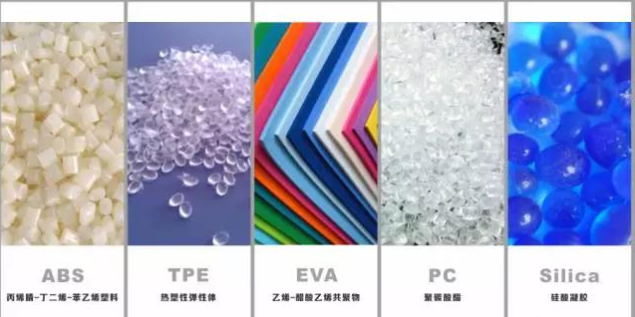
A critical common point in the production process is selecting high-quality components. Both devices rely on motors for vibration or water propulsion, rechargeable batteries for portability, and durable plastic or silicone casings for hygiene and longevity. Ensuring that these components meet stringent industry standards is crucial for both product categories, guaranteeing performance and safety.
Precision plays a pivotal role in producing dental irrigators and electric toothbrushes. Automated machinery is used to assemble components with exceptional accuracy, particularly for small, intricate parts such as nozzles in irrigators and bristle heads in toothbrushes. This precision ensures that both products operate seamlessly and provide a comfortable user experience.
Given their frequent exposure to water, both dental irrigators and electric toothbrushes require robust waterproofing. Powsmart employ advanced sealing technologies, such as ultrasonic welding, to protect the internal electronics from water damage. This step is integral to enhancing the durability and safety of the devices, as it prevents malfunctions and extends their lifespan.
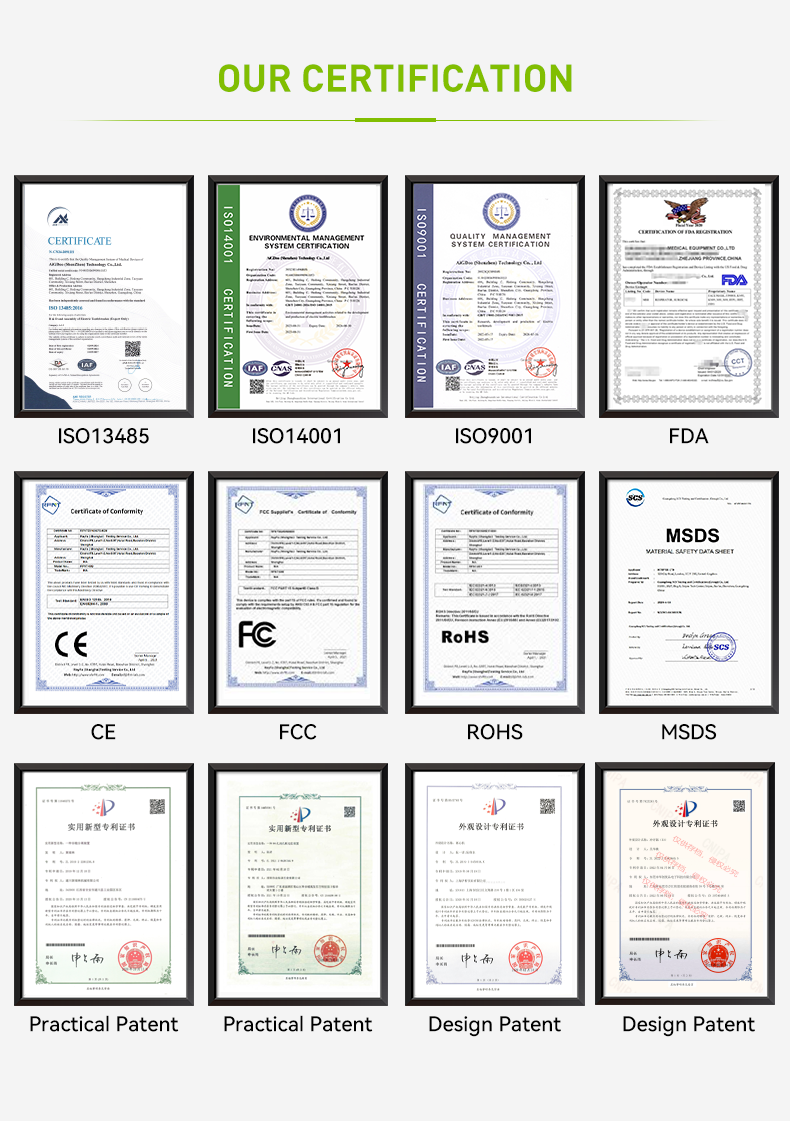
Before reaching consumers, both types of devices undergo rigorous testing to ensure they meet performance and safety standards. Functional tests evaluate aspects like motor efficiency, battery life, and waterproofing integrity. Additionally, Powsmart simulate real-world usage scenarios to verify that the products perform reliably under typical conditions. This shared emphasis on quality assurance underscores the commitment to delivering top-notch oral care solutions.

Sustainability is becoming a priority in the production of dental irrigators and electric toothbrushes. Powsmart is adopting eco-friendly materials and practices to reduce their environmental impact. For instance, recyclable packaging and energy-efficient production lines are common initiatives aimed at aligning with global sustainability goals.
The production processes of dental irrigators and electric toothbrushes reveal a striking alignment in their emphasis on design, precision, and quality. From selecting premium components to ensuring waterproofing and sustainability, these common points demonstrate the meticulous efforts involved in creating reliable and effective oral care devices. Understanding these shared processes not only highlights the techhttps://www.powsmart.com/oral-care-products-private-label/nological advancements in the industry but also assures consumers of the quality embedded in their everyday dental tools. Send us your inquiries if you’re ready to start your oral care brand!
Why Measure Whitening Results Using the CIE Whiteness Index and Hue Saturation Lightness Metrics?
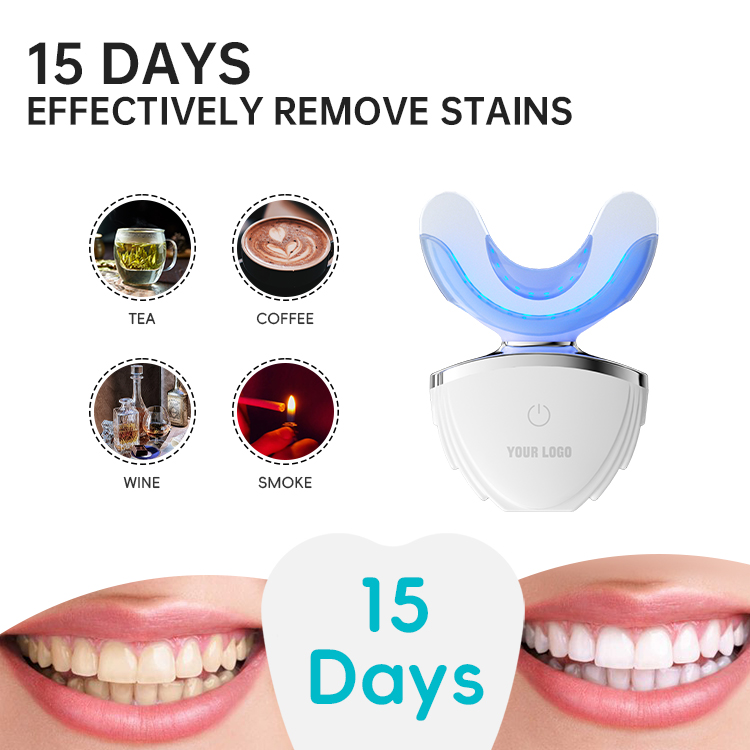
Manufacturing the Most Effective Home Teeth Whitening Products for Your Brand
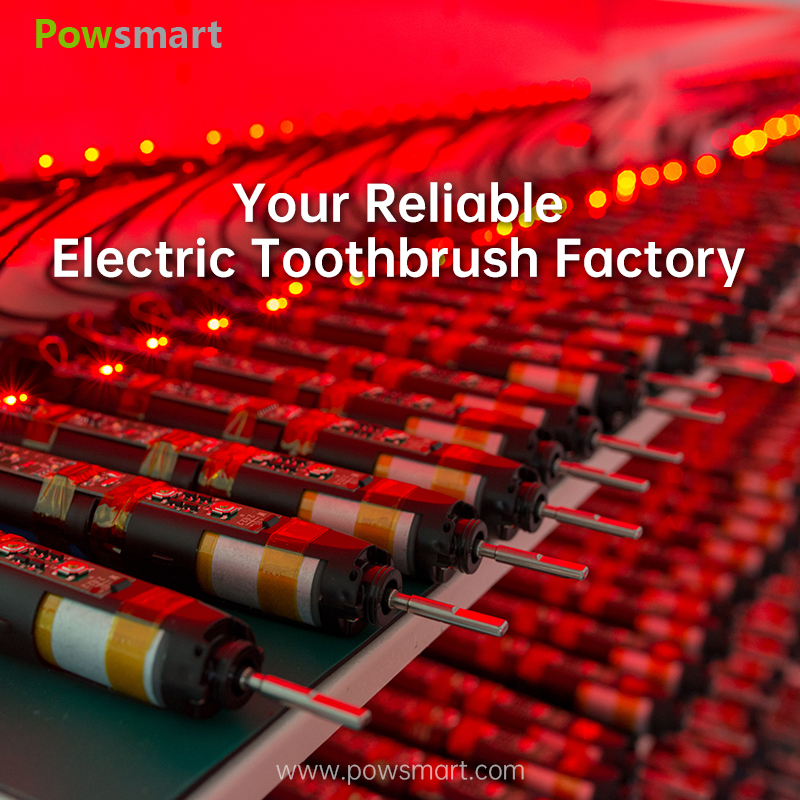
Can I Overcharge My Electric Toothbrush? Battery Safety Explained by OEM Experts
.jpg)
Countertop vs. Cordless Flosser?
How Can Servo Motor Customization Enhance Your OEM/ODM Manufacturing Capabilities for Precision Toothbrushes?
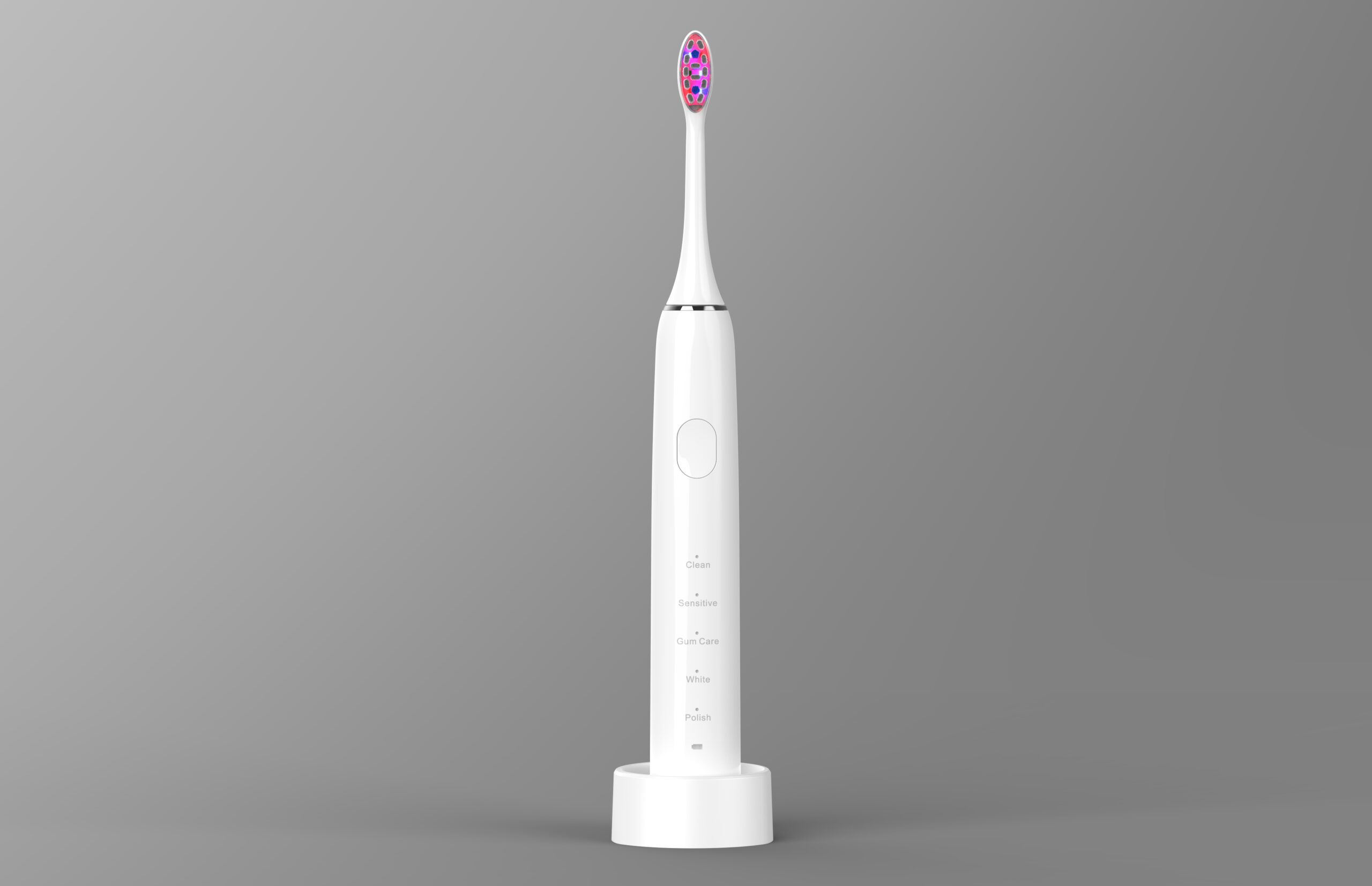
How Does a Bidirectional Vibration Motor Influence Optimal Brush Head Mold Design for Deep Cleaning?
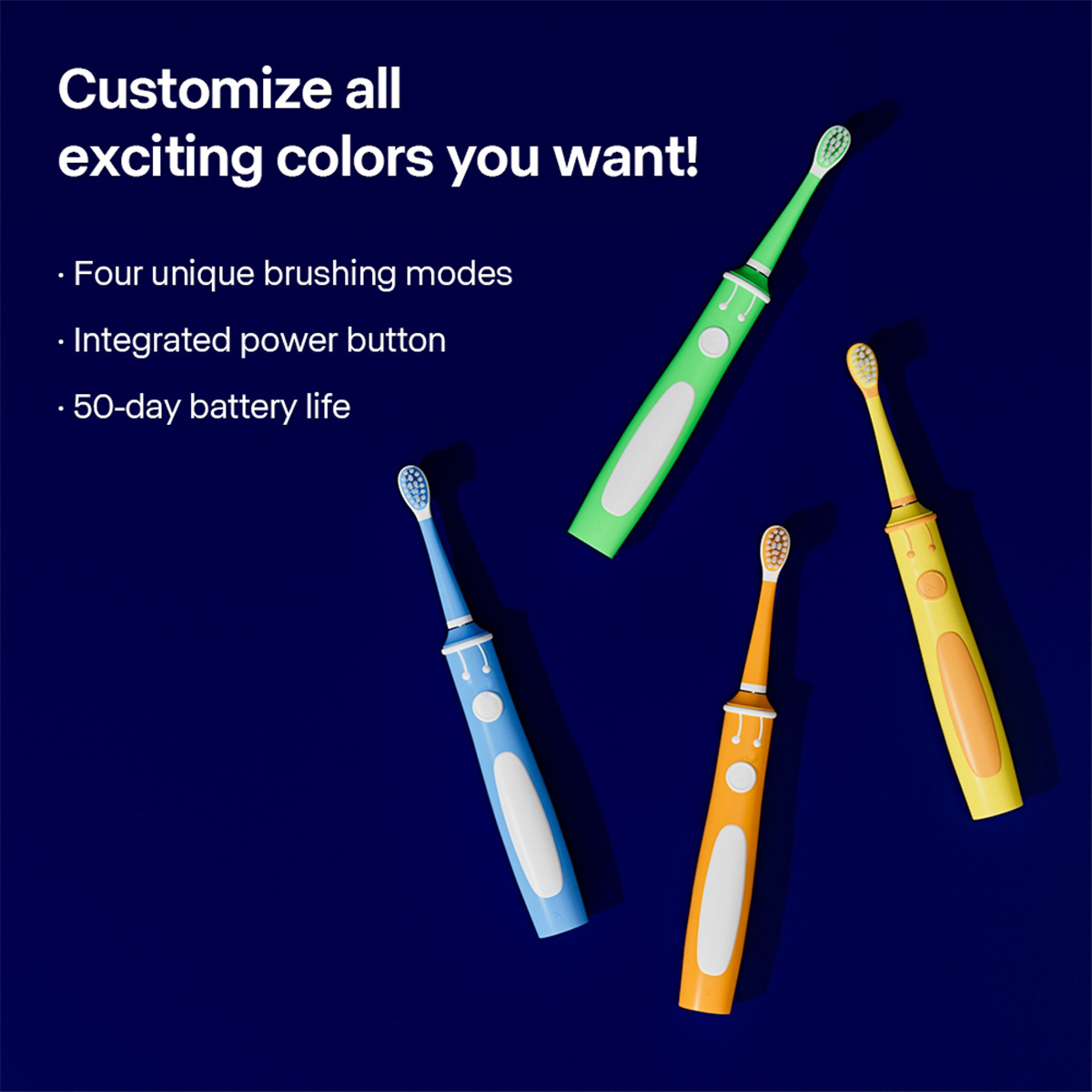
Ultrasonic vs. Sonic Toothbrush – Pros and Cons
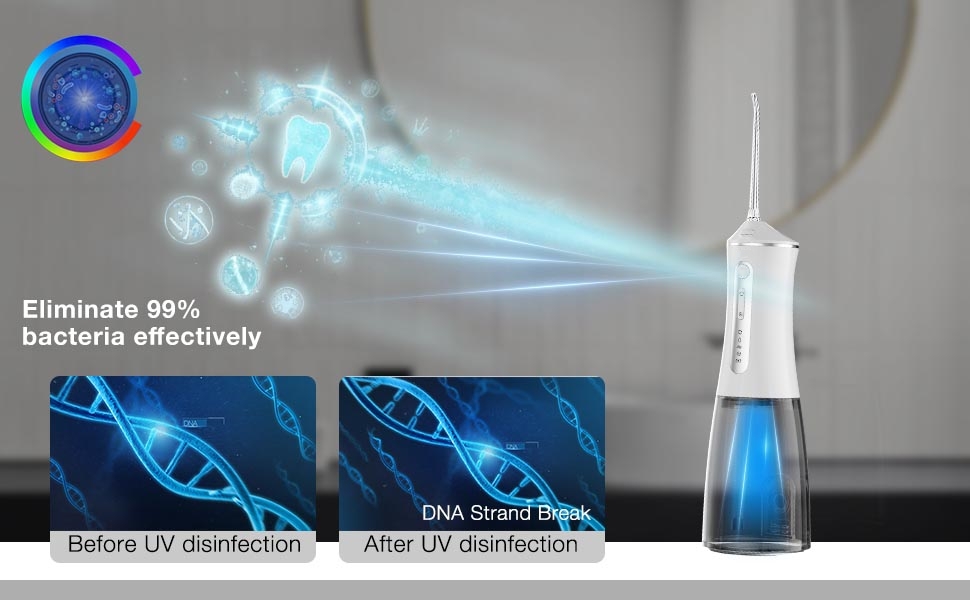
The Sterilizing Function of the Dental Flosser You’d Love to Know
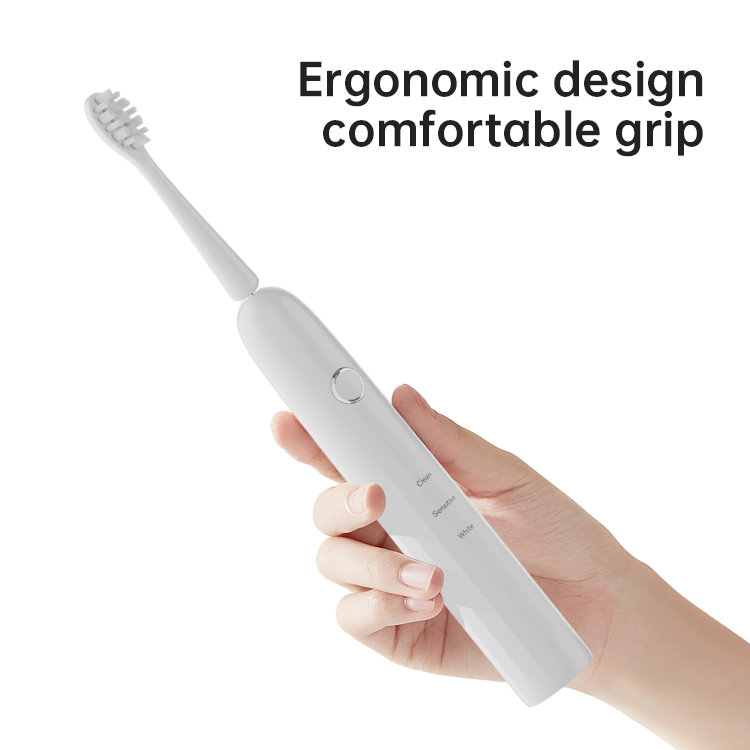
Who Shouldn’t Use an Electric Toothbrush? Professional Advice from Manufacturers
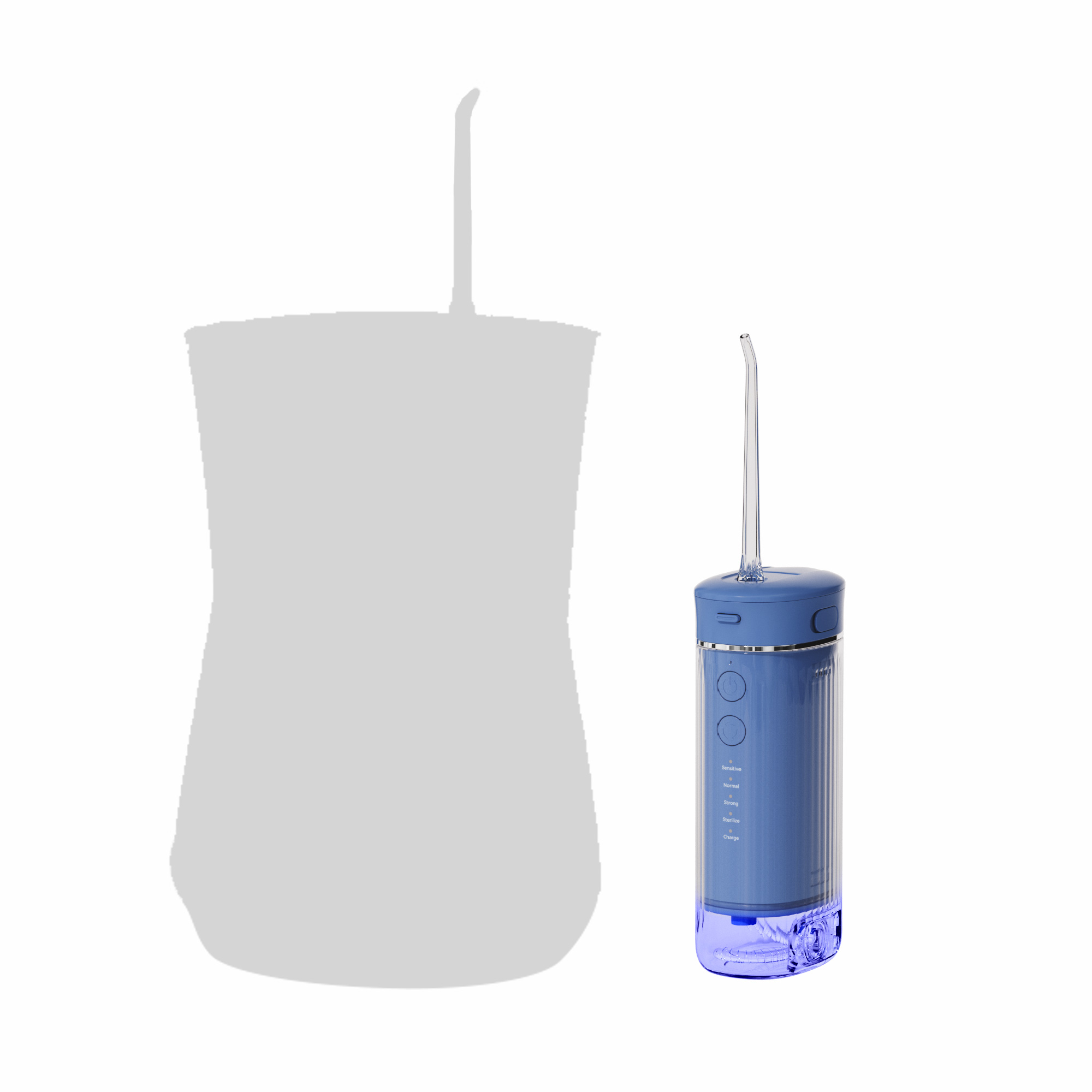
Space-Saving Oral Care: Compact Electric Toothbrush Designs
.jpg)
Can a custom Texas brush deliver a big Texas brush clean?

How to choose a reliable electric toothbrush factory?
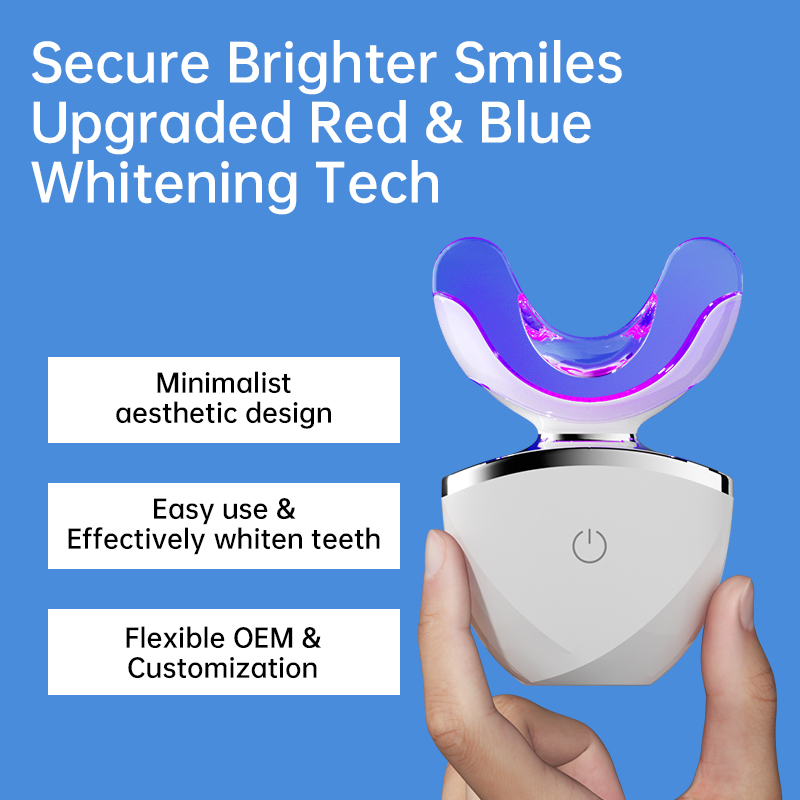
Red vs Blue Light Teeth Whitening: Choosing the Right OEM Technology for Your Brand
multi mode electric toothbrush OEM | Customized Sonic Toothbrush Manufacturer
How to Avoid Infringement Issues When Developing a Private Brand Electric Toothbrush
Teenage Electric Toothbrush Buying Guide: Build Healthy Oral Habits


.jpg)
.jpg)
.jpg)
.jpg)
.jpg)