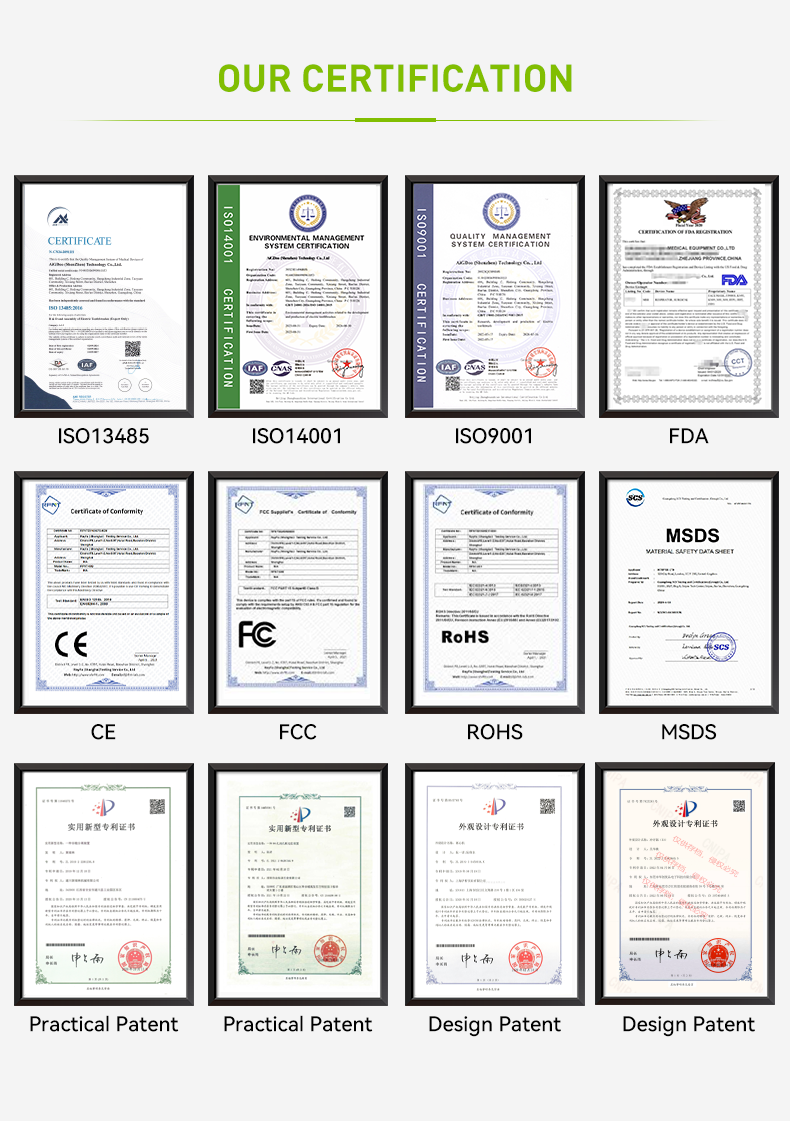
Strong dental hygiene is the cornerstone of Preventive care, and for B2B partners—manufacturers, distributors, and dental clinics—understanding how modern electric toothbrushes fit into that equation unlocks measurable value. In short, shifting the conversation from reactive treatment to prevention not only improves patient outcomes but also creates repeatable product and service opportunities across the supply chain.
First, good oral hygiene reduces the incidence of caries, gingivitis, and periodontal disease — conditions that are expensive to treat and often preventable. Moreover, oral health is linked with systemic health (for example, diabetes and cardiovascular risks), so Preventive care at the mouth level contributes to broader public-health goals. Consequently, clinics that prioritize consistent hygiene education and tools can demonstrate reductions in restorative procedures and improved patient satisfaction.
In addition, prevention-oriented strategies enable clinics to transition from episodic revenue models toward ongoing care programs: think subscription replacement brush heads, hygiene-focused patient bundles, and app-driven follow-ups. Therefore, manufacturers who supply reliable, evidence-backed electric toothbrushes are positioned to be long-term partners in clinics’ preventive programs.
Electric toothbrushes are no longer commodities — they are clinical tools when engineered and positioned properly. Below are the core ways electric toothbrushes meaningfully support Preventive care:
Below are six actionable priorities that manufacturers and clinics should adopt when building electric-toothbrush–centered Preventive care offerings. These steps are written for a B2B audience aiming to turn oral-hygiene best practices into scalable business and clinical outcomes.
To summarize, dental hygiene delivered through well-designed electric toothbrush programs is a high-leverage component of Preventive care. For B2B teams, the commercial opportunity lies in:
Key metrics to monitor include brushing adherence rates, average replacement head interval, reduction in plaque index over 3–6 months, and patient-reported satisfaction. These indicators help manufacturers prove that their devices are more than products—they are enablers of preventive clinical success.
If your organization is evaluating how to position electric toothbrushes as part of a Preventive care offering, begin by piloting a small clinic program: supply 50–100 prevention kits, train staff, track KPIs for 6 months, and iterate. In doing so, you’ll compile the clinical evidence and operational learning needed to scale.
Would you like a one-page pilot template (budget, KPI dashboard, and training checklist) tailored to your product line? I can draft that next to help you convert this Preventive care narrative into a sellable program. Contact us
.jpg)
.jpg)

Do Your Data Sovereignty Solutions Help Secure Cybersecurity Insurance Support?
Can a Swarm Logistics Optimizer Inherently Perform Cross-border VAT Optimization?
Does Your Sensitivity Reduction Gel Allow You to Offer a Results Guarantee Program?
.jpg)
The Future: AI in Oral Care
E-commerce Toothbrush Supplier for Online Brands & Distributors
Anti Slip Grip Electric Toothbrush OEM
How Can a Reliable Brush Head Supply Chain Support a Subscription Business Model?
Seeking an Orthodontic Toothbrush for Your Braces Care Products Line?
The Ultimate Guide to Sonic Electric Toothbrushes for Better Oral Care
Electric Toothbrush Production Capacity for OEM & Wholesale Buyers
Ear Ringing Brushing Guide | Ultra-Quiet Vibration-Dampened Electric Toothbrush For Tinnitus
Grip Fatigue with Noise Pollution – Design Flaw?
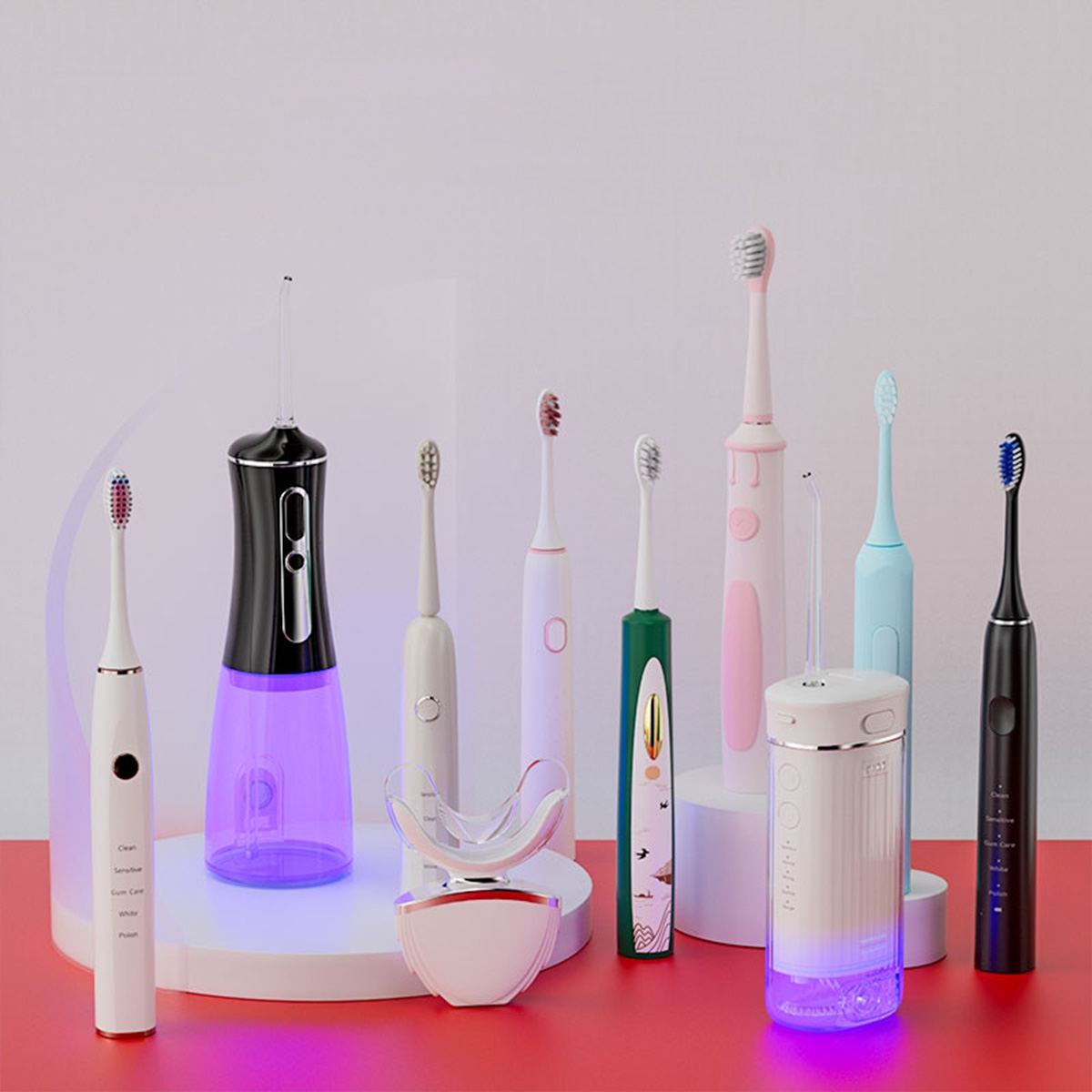
What Does the Doctor Think About the Use of Electric Toothbrushes and Water Flossers?
Are Firmware update failures Linked to False Advertising Claims?
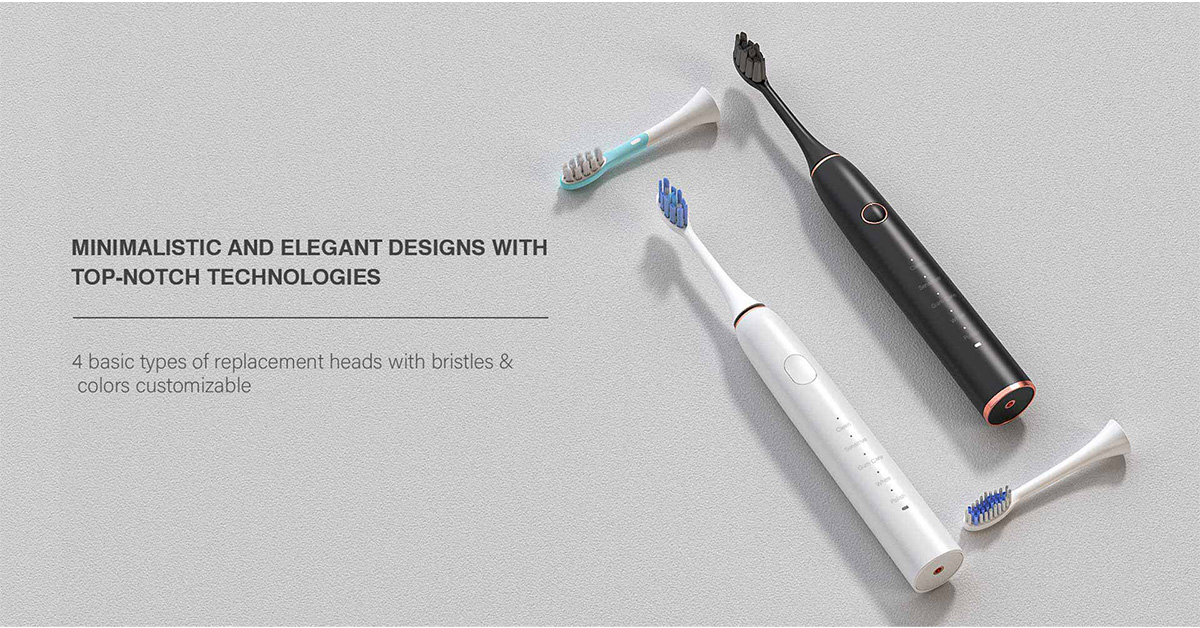
Environmentally Friendly Manufacturing and Sustainable Development of Electric Toothbrushes
Travel-Friendly Electric Toothbrush Design Trends


.jpg)
.jpg)
.jpg)
.jpg)
.jpg)



.jpg)