For dental abscess and fistula care tips, visit https://www.ada.org/resources/consumer/oral-health/abscessed-tooth.

.jpg)
Custom LED Teeth Whitening Toothbrush OEM
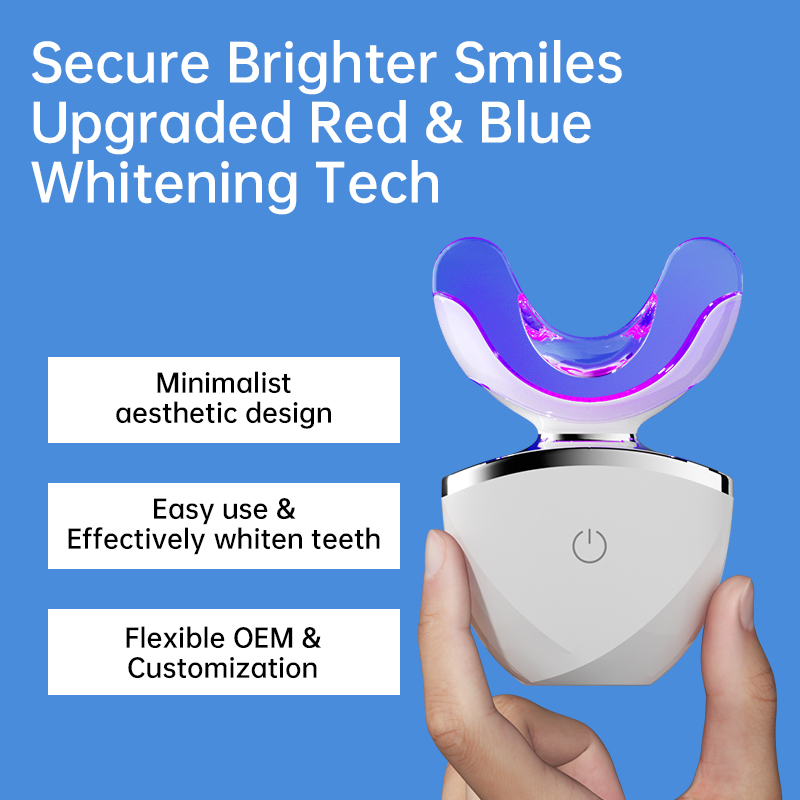
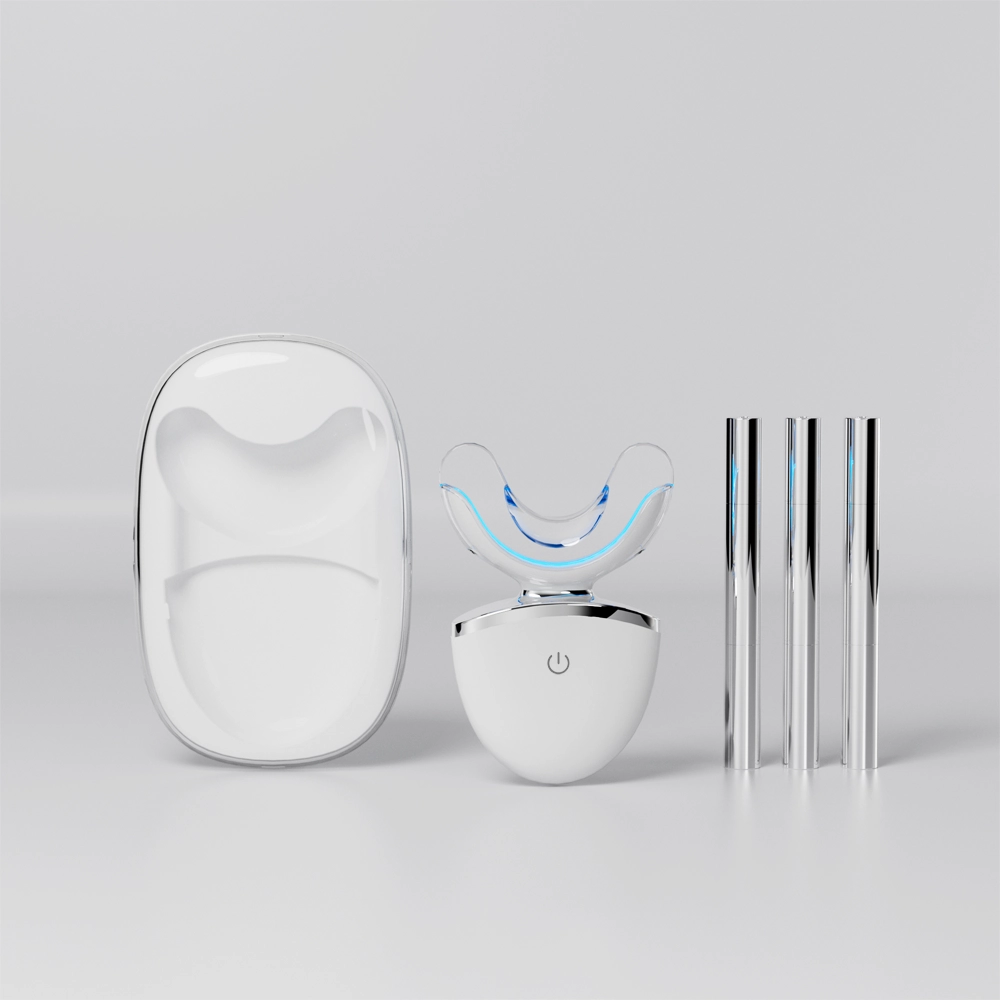
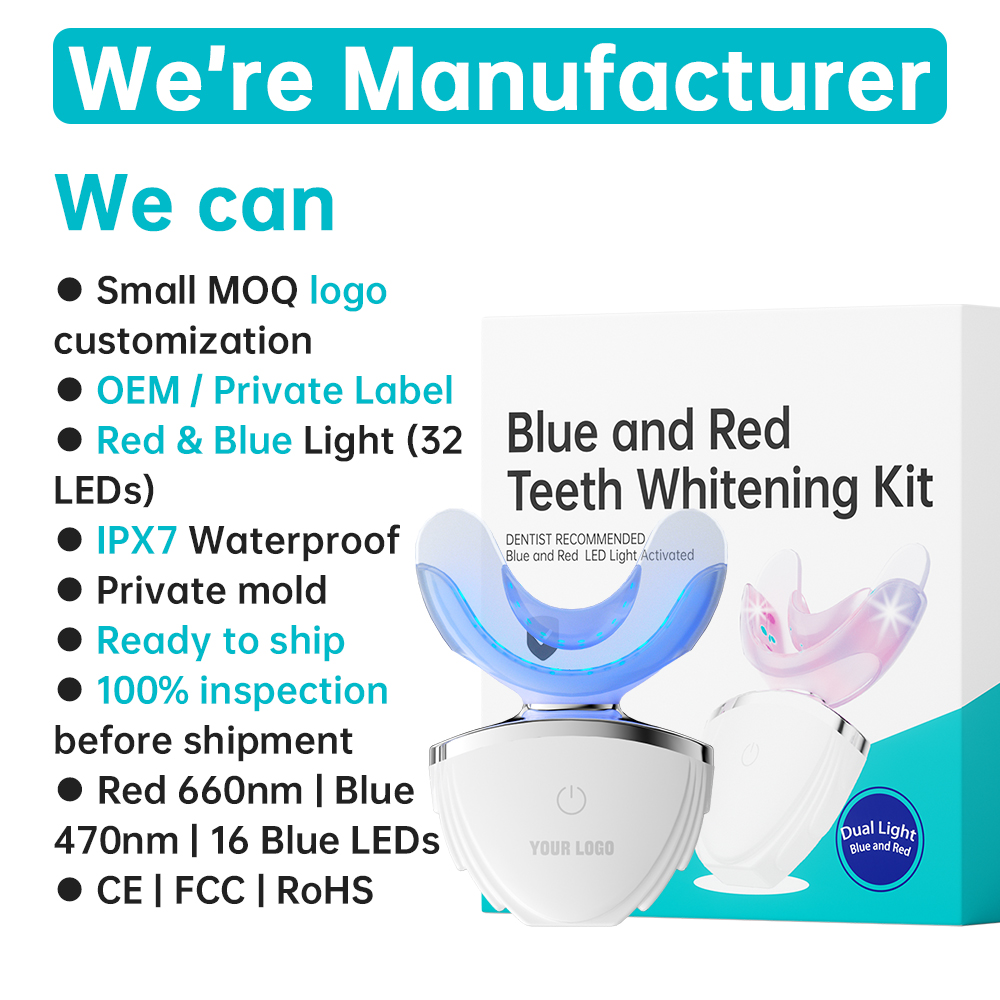
Red Blue Light Teeth Whitening Kit OEM Manufacturing
Red Light Electric Toothbrush Manufacturer
Manual vs. Electric Toothbrush Comparison: Which Wins for Clean Teeth?

Could an Emotion-responsive Device Be Used for Gamified Professional Training of Dentists?
How Does a Contract Manufacturing Agreement Secure a Steady Brush Head Replacement Supply?
Gel Crystallization with Gingival Discoloration – Alarming?
Can a MEMS Motion Sensor and a Touch Sensor IC Work Together to Create a Smarter Brushing Experience?
The Evolution of the User Experience: How Dentistry Technology is Changing Everyday Oral Care
Why Perform Ultrasonic Welding for Housings in a Cleanroom Class 8 Assembly Environment?
LED Module Electric Toothbrush Customization: Flexible Design Solutions for OEM Brands
Electric Toothbrush Warranty Coverage Explained: What Your Warranty Actually Covers
Dual Light Electric Toothbrush Technology: Integrating Blue and Red Light for Advanced Oral Care
Want Hollywood smiles? Dental veneers via cosmetic dentistry — worth it?
Carbon Nanotube Conductive Paste or Liquid Metal Circuit: Which is Better for Flexible Dental Heaters?
Charcoal Toothbrush Whitening Effectiveness: Does It Actually Whiten Teeth?


.jpg)
.jpg)
.jpg)
.jpg)
.jpg)






.jpg)