Info Center
Home » powsmart Electric Toothbrush blog » Crowns and Bridges Water Flosser Cleaning Guide | Protect Dental Work

Crowns and Bridges Water Flosser Cleaning Guide | Protect Dental Work

Date:2026-03-27
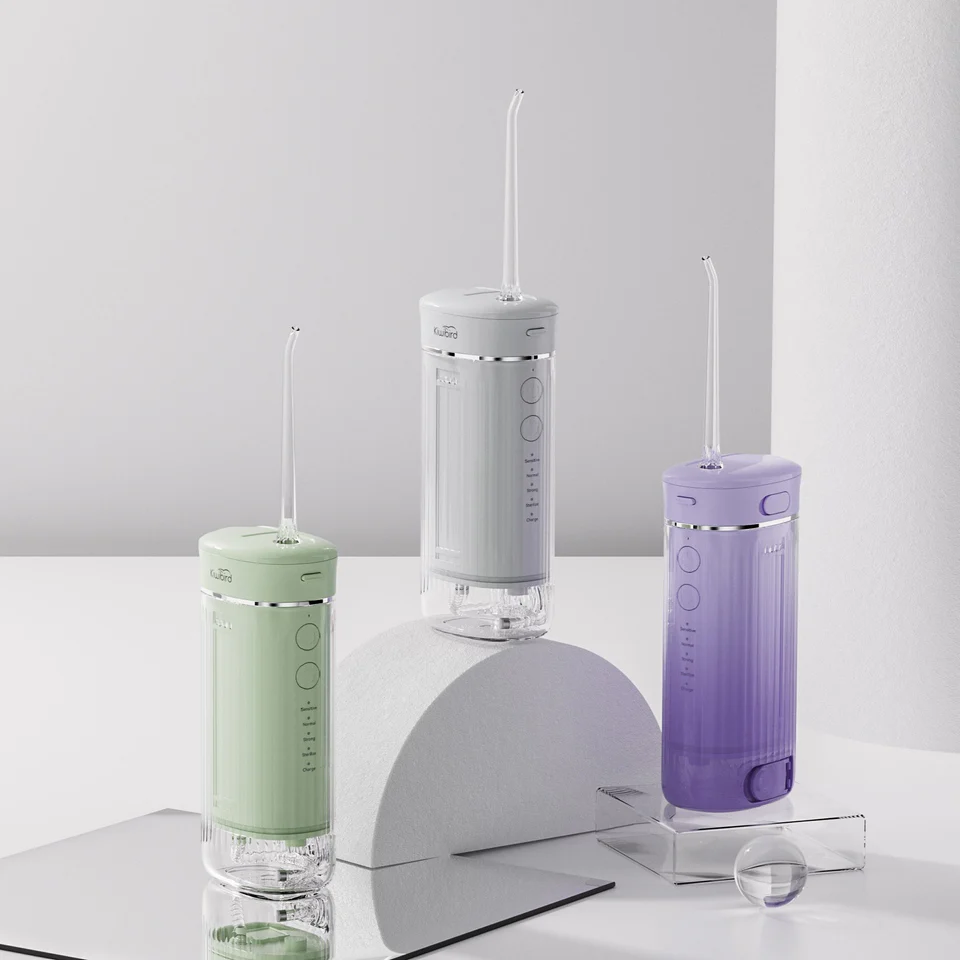
Don’t let dental work fail due to neglect. This crowns bridges water flosser cleaning guide teaches the precise water pressure and tip angles to clean around crowns and bridges safely. Crowns and bridges are vulnerable to plaque buildup and bacteria growth, especially in the gaps between the restoration and natural teeth. Traditional floss can be hard to use around these structures, but water flossers offer a gentle, effective way to clean without damaging your dental work. For crowns-and-bridges-friendly water flossers, visit https://www.powsmart.com/.

Why Crowns and Bridges Need Special Cleaning

Crowns and bridges create tight gaps where food and plaque can get trapped, leading to decay under the restoration or gum inflammation. Unlike natural teeth, dental restorations can’t be repaired if they develop cavities—so thorough cleaning is critical to protect your investment. Harsh cleaning methods can scratch or damage crowns and bridges, making them more prone to staining or breakage.

How Water Flossers Safely Clean Dental Work

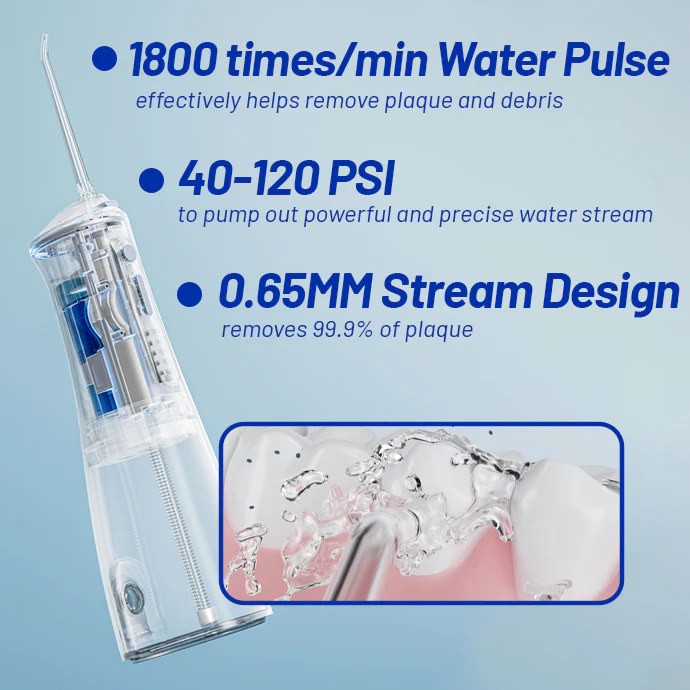
Water flossers use a gentle stream of water to remove plaque and food particles from around crowns and bridges, without touching the restoration directly. The adjustable pressure settings let you customize the stream to be gentle enough for sensitive dental work, while still effectively cleaning hard-to-reach areas. The water stream also hydrates the gums, reducing inflammation and supporting healing around the restoration.

Step-by-Step Water Flossing for Crowns and Bridges

Follow these steps to clean your dental work safely:
  1. Set the water flosser to the lowest pressure setting to avoid damaging crowns or bridges.
  2. Hold the nozzle at a 45-degree angle to the gumline, aiming at the gaps between the restoration and natural teeth.
  3. Move the nozzle slowly along the edge of the crown or bridge, spending 5–10 seconds on each area to remove plaque.
  4. Avoid direct contact with the restoration itself to prevent scratching or loosening the crown.
  5. Finish with a warm water rinse to remove remaining bacteria and hydrate your gums.
Consistent cleaning helps extend the life of your dental work.

Additional Care Tips for Dental Restorations

Beyond water flossing, these habits protect your crowns and bridges:
  • Brush twice a day with a soft-bristle toothbrush to remove surface plaque.
  • Avoid hard, crunchy foods that can chip or crack crowns and bridges.
  • Visit your dentist every 6 months for professional cleanings and checkups.
  • Use a fluoride toothpaste to strengthen natural teeth around the restoration.
For more dental restoration care tips, refer to professional guidelines.

Conclusion

A water flosser is a safe, effective tool for cleaning around crowns and bridges. This crowns bridges water flosser cleaning guide shows how precise pressure and technique can protect your dental work while removing plaque and bacteria, extending the life of your restorations. For more dental care advice, visit https://www.ada.org/resources/consumer/oral-health/dental-crowns-bridges.