
When customers or dental professionals encounter chip overheating inside powered oral care devices and simultaneously observe cavity acceleration, the combination can seem puzzling—even coincidental. However, these issues may share more common ground than many manufacturers realize. Understanding how electronic thermal failures can indirectly impact oral health is essential for brands determined to deliver reliable, safe, and scientifically validated products.
Below, we examine why chip overheating matters, how it could contribute to faster cavity formation, and what preventive measures B2B suppliers should adopt to protect their customers.
Chip overheating typically originates from:
As the chip heats up, surrounding components—including those that regulate dosing of gels, water flow, or vibration speed—can also lose accuracy.
At first glance, it seems unlikely that a tiny overheating chip could have any connection to cavity acceleration. However, the link emerges through indirect pathways:
Over weeks or months of daily use, these small inefficiencies can combine to accelerate cavity development. Company web: https://www.powsmart.com/product/electric-toothbrush/
Overlooking chip overheating carries serious consequences:
For B2B suppliers, proactive design and monitoring are essential to protect market share and reputation.
Manufacturers can significantly reduce chip overheating risk with the following strategies:
These measures not only protect the electronics but also help maintain consistent performance critical to oral hygiene.
When a distributor or clinic reports cavity acceleration in users and suspects a link to chip overheating, manufacturers should:
Quick, clear support demonstrates professionalism and helps retain long-term B2B relationships.
As dental devices become more advanced, with smart sensors and higher power densities, overheating will remain a risk factor. Forward-thinking brands can:
These steps not only reduce warranty issues but also deliver a superior end-user experience.
While chip overheating and cavity acceleration may seem unrelated, the connection becomes clear when viewed through the lens of degraded performance and incomplete cleaning. By prioritizing robust thermal engineering and responsive support, manufacturers can prevent small defects from growing into major health risks—and demonstrate their commitment to both innovation and safety.
If your teams are developing or refining powered dental products, our engineering specialists are ready to help you optimize thermal resilience and protect your brand’s reputation. Contact us
.jpg)
.jpg)
.jpg)
Top Electric Toothbrush Replacement Heads in Manhattan?
.jpg)
Sonic Electric Toothbrush Wholesale Solutions for Global B2B Buyers

The Role of Blue and Red Light in Teeth Whitening Devices You Should Know
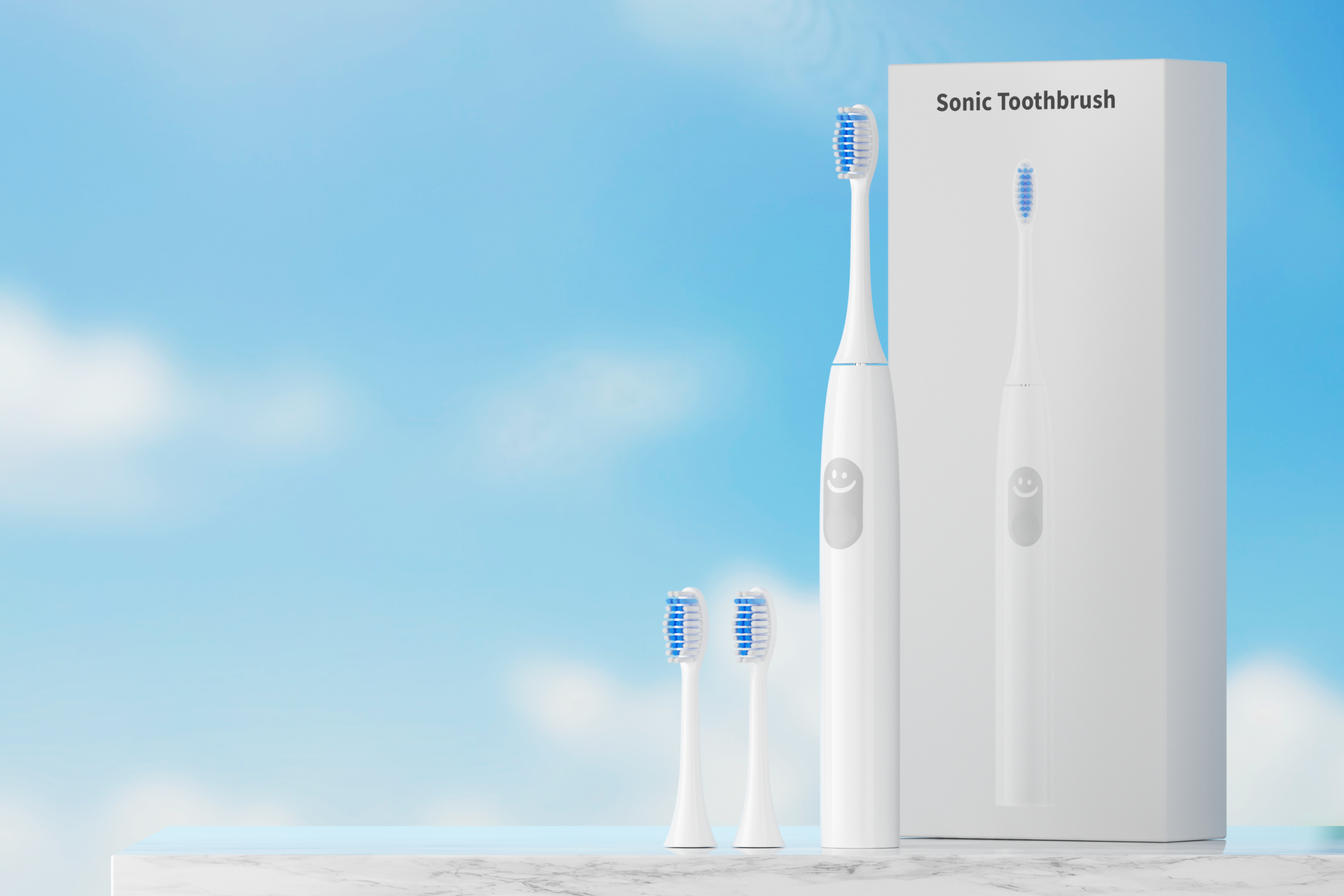
Why Partner with Water Flosser Nozzle Production Experts and Water Flosser Pump Suppliers?
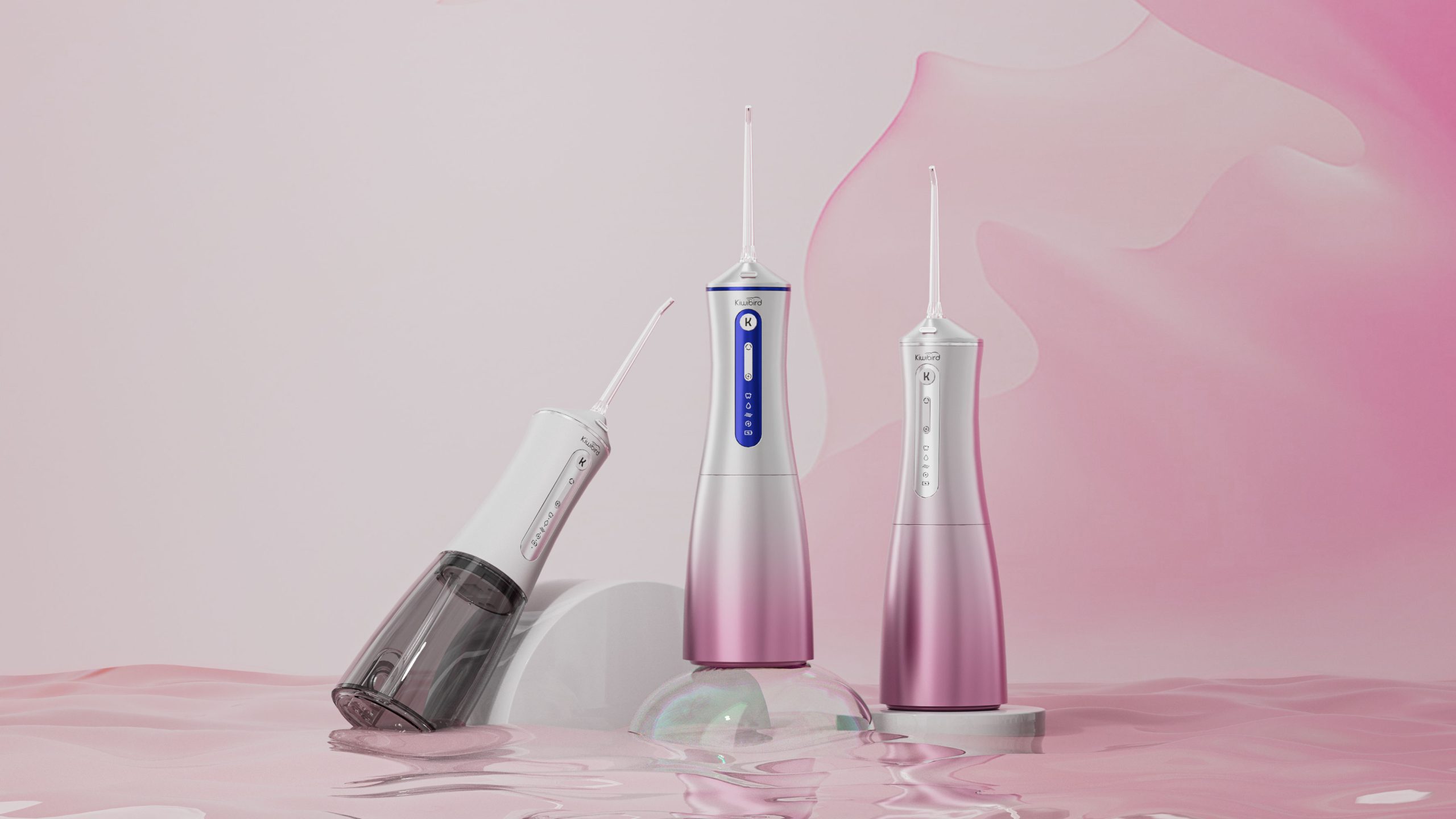
How to Solve the Common Charging Problems When Using a Water Flosser?
Dual Clean Head Electric Toothbrush Bulk Supply | High-Volume OEM Manufacturing
Brush Shedding with Sensor Failure? What B2B Buyers Must Know!
Gel Crystallization with Gingival Discoloration – Alarming?
New Electric Toothbrush Technology Trends in Texas
Smart Tech Diwali Gifts Electric Toothbrush | Powsmart
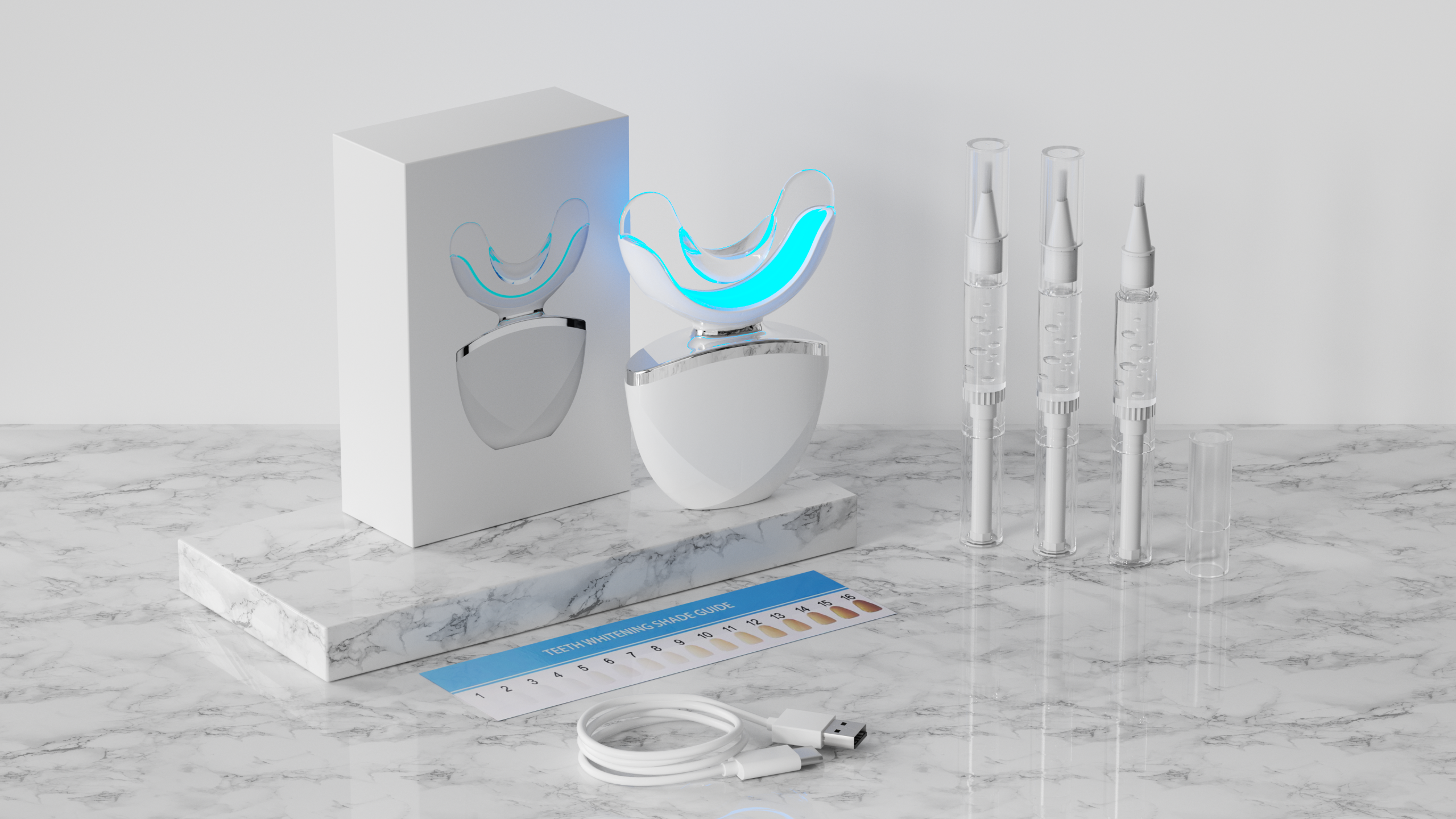
Need a Fathers Day Texas gift that supports gum health?
Innovative Teeth Whitener Solutions | Specialized Production Line
Rechargeable Sonic Toothbrush Exporter Serving Global B2B Markets
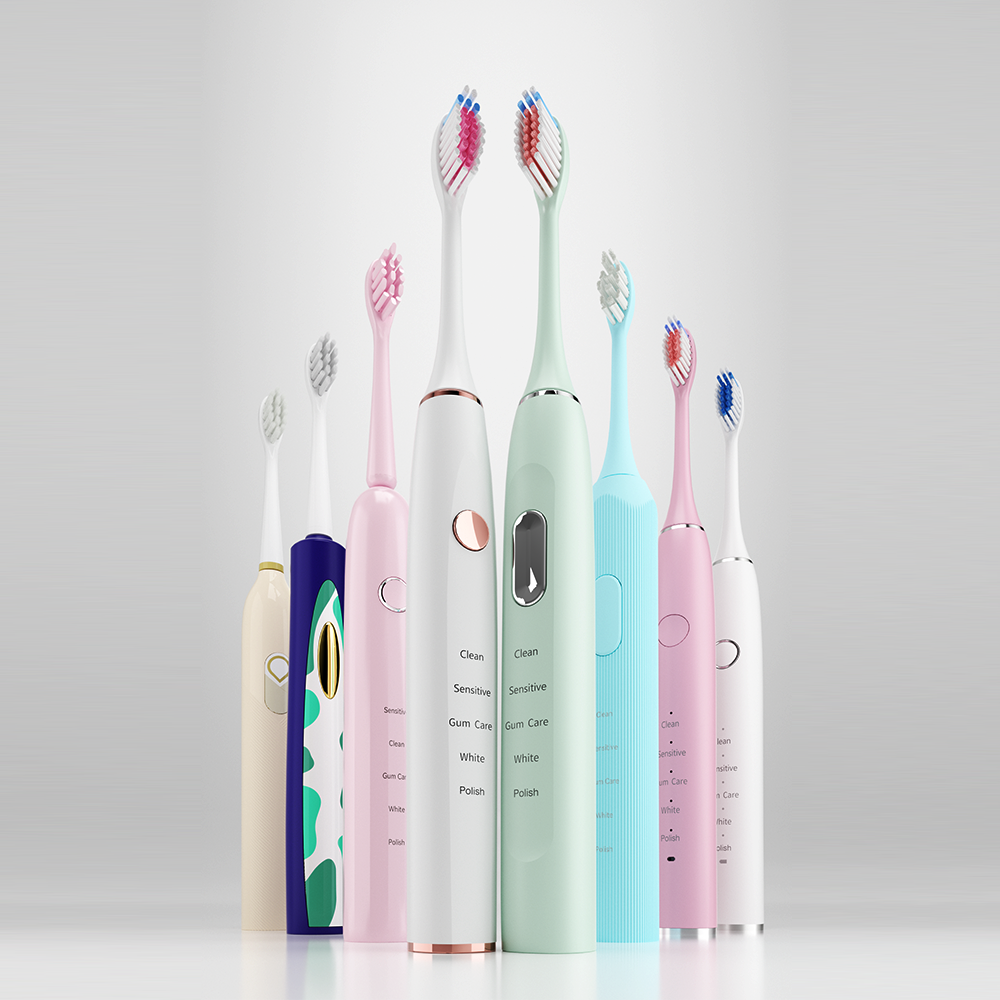
Difference between sonic toothbrush and sweeping electric toothbrush
Can an Orthodontic Jet Tip Benefit from a Smart Multi-pressure Setting Chip?
Affordable Electric Toothbrush Recommendations for Students: A Guide for Oral Care Brands


.jpg)
.jpg)
.jpg)
.jpg)
.jpg)






.jpg)

.jpg)