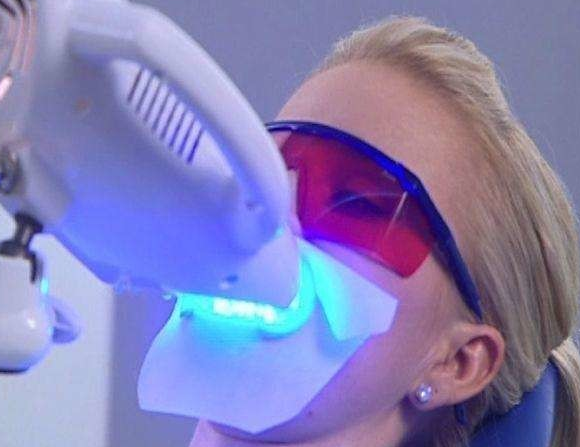
Modern oral-care devices increasingly integrate optical diagnostics, and a secure Brush Head Attachment Mechanism plays a critical role in enabling accurate Subsurface Scattering measurement for enamel health assessment. When the brush head remains stable and aligned, optical sensors can reliably capture light-scattering patterns beneath the enamel surface, improving overall device performance and diagnostic precision.
A secure Brush Head Attachment Mechanism minimizes vibration and micro-shifts during brushing. This stability is essential for Subsurface Scattering sensors, which rely on consistent positioning to detect light absorption and diffusion inside enamel layers.
Subsurface Scattering analysis depends on controlled light entry angles. If the brush head is loose or misaligned, the path of emitted light changes, compromising sensor data. A well-engineered attachment system ensures optical alignment throughout brushing motions.
Advanced toothbrush designs may embed LEDs, photodiodes, or micro-optical modules directly into the brush head. A secure attachment mechanism not only prevents electrical or structural disruptions but also protects these sensitive optical components during operation.
Unstable brush heads introduce mechanical noise, which can distort Subsurface Scattering readings. Secure attachment reduces unnecessary mechanical resonance, allowing the sensor to isolate true enamel-light interaction signals from noise.
A stable brush head also helps users maintain consistent brushing pressure. Variations in pressure can affect enamel translucency readings, as Subsurface Scattering shifts with compression. A robust attachment mechanism helps regulate force for more uniform optical measurements.
For manufacturers, a reliable Brush Head Attachment Mechanism ensures that calibration settings for Subsurface Scattering sensors remain valid across production batches. Consistent head positioning reduces QC variability and enhances long-term measurement accuracy. Contact us

.jpg)
Noise Disturbance plus Sensitivity Spikes – Unbearable?
Child Compatibility Meets Cold Light Sensitivity: Safe?
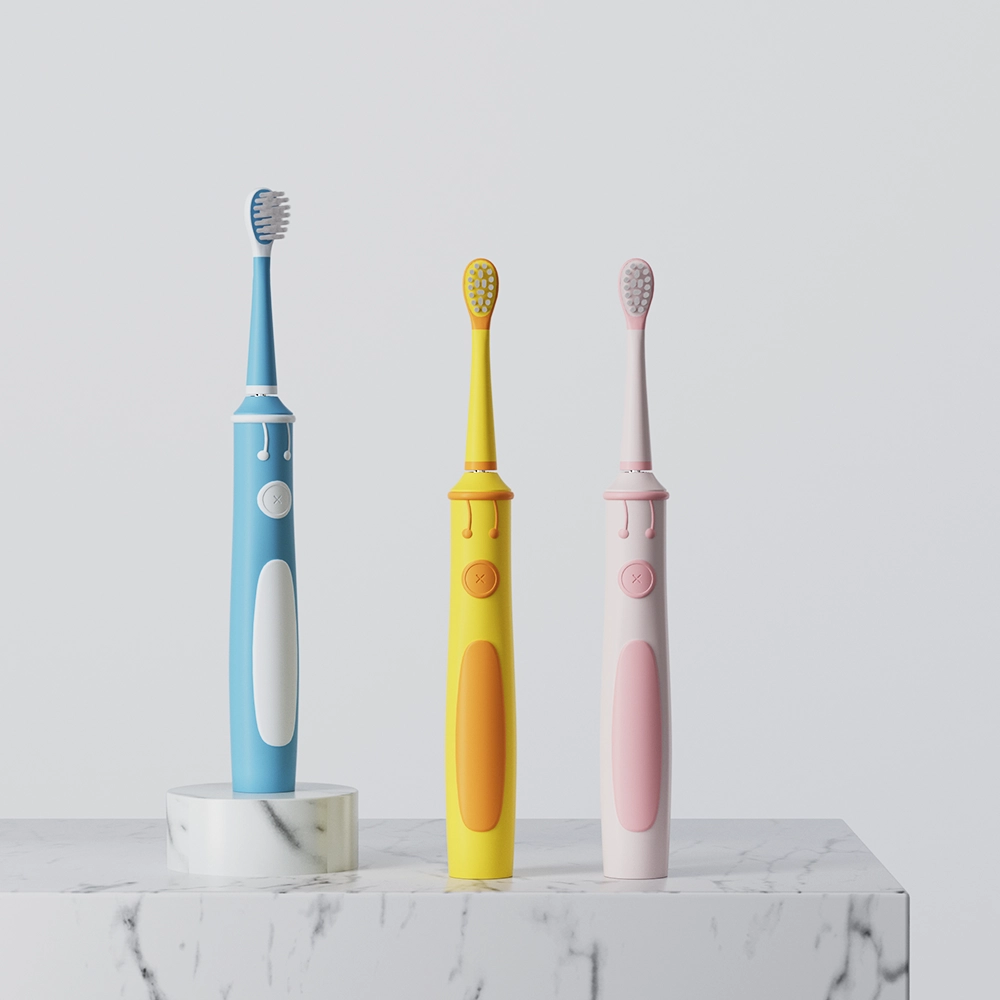
Why Kids’ Electric Toothbrushes Need Antibacterial Materials
Jet Stream Water Flosser – High-Pressure Oral Irrigator
Clinical Strength Electric Toothbrush Colaba Clinic
Understanding Water Flosser Compliance Certification for Global Markets
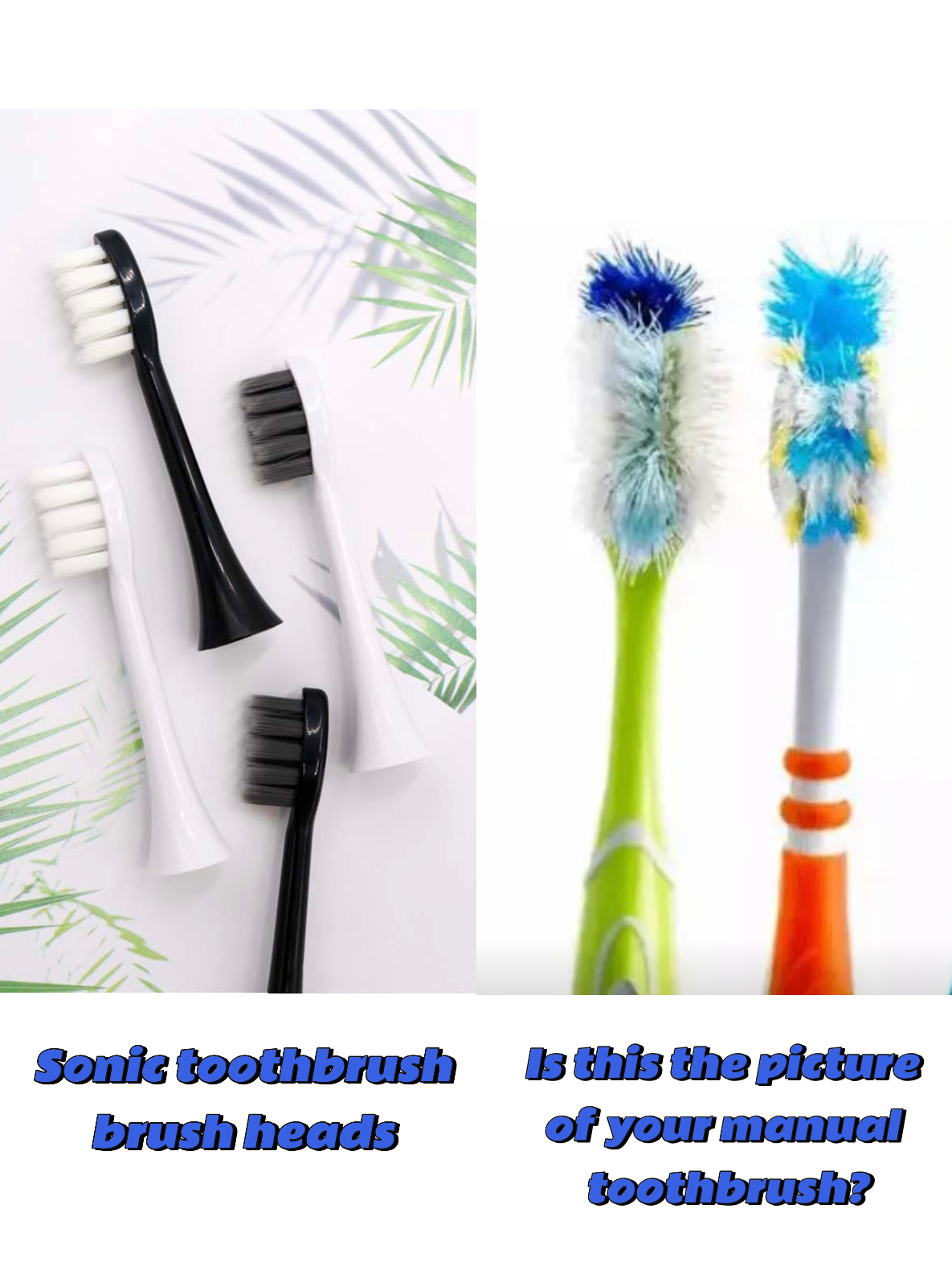
About the roundness of electric toothbrushes head
.jpg)
Tacoma sonic toothbrush distributor
Looking for a Lithium Battery Pack Suited for Eco-friendly Material Products?

Knowledge of Surface Treatment of Electric Toothbrush Handle Shell
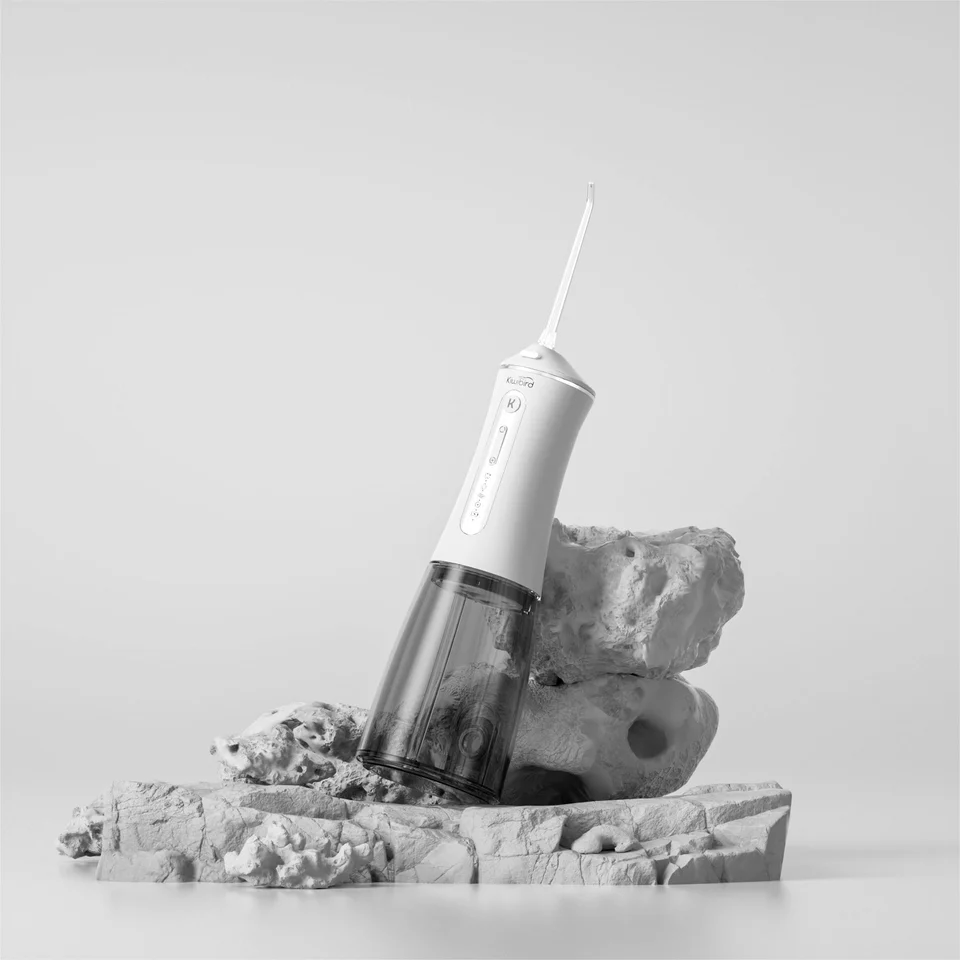
How to Solve the Problem of Water Flosser Nozzle Leakage
Best Toothbrush Kolkata | Trusted Oral Care
.jpg)
The Ultimate Guide to Purchasing Water Flosser from China for Maximum Value
Hose Kinking Leading to Weak Suction—A Hidden Efficiency Killer?
Home Teeth Whitening Kit Manufacturer
Waterproof Travel Electric Toothbrush OEM | Portable Oral Care


.jpg)
.jpg)
.jpg)
.jpg)
.jpg)






.jpg)
.jpg)