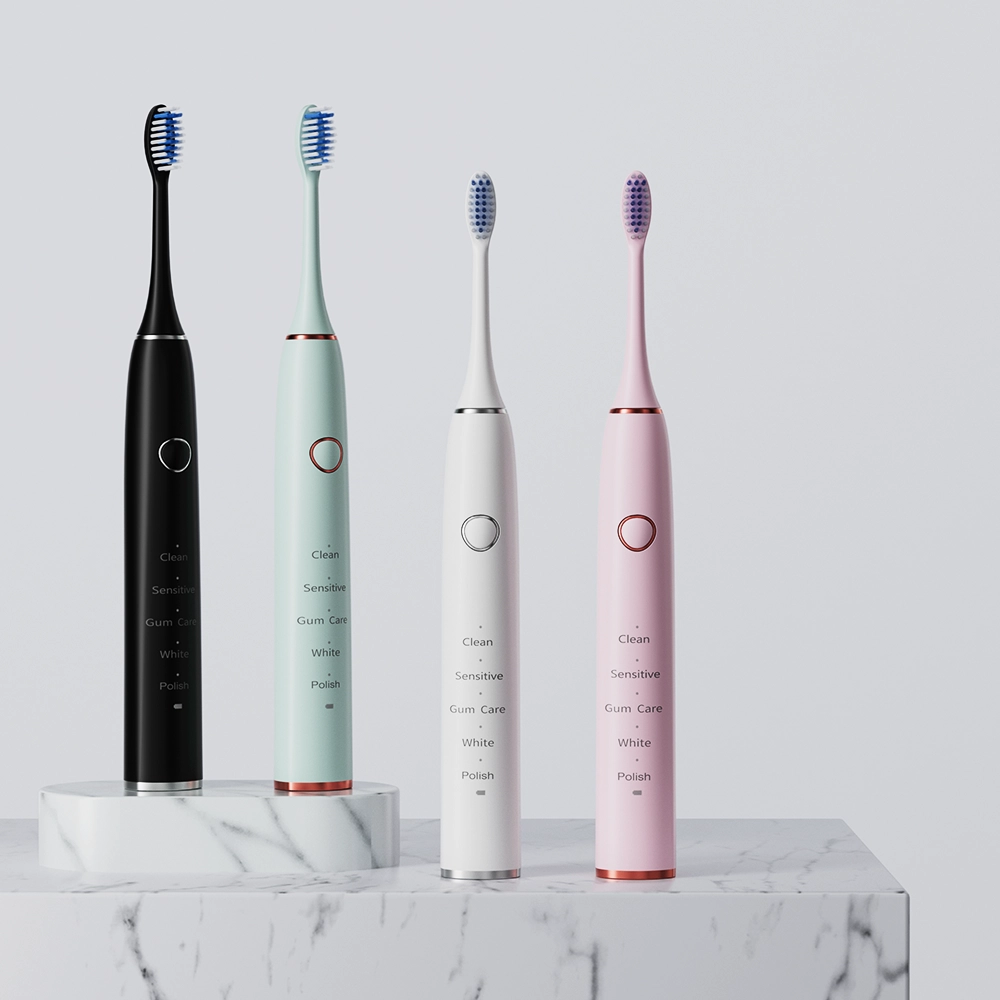
Sonic technology has rapidly become a differentiator in the oral-care category, and for good reason: when thoughtfully implemented in a Kids toothbrush, it improves cleaning performance while enabling safer, more engaging products that drive repeat sales and stronger clinic/retailer relationships. Below we break the case down into three business-focused parts — science & benefit, design & safety, and commercial strategy — and finish with six concrete takeaways your product team can act on today.
First, the fundamentals. Sonic technology uses high-frequency vibrations to agitate the fluid and plaque matrix around teeth and gums, creating micro-streaming and cavitation effects that reach beyond bristle contact. For children — who typically have inconsistent technique and short attention spans — that means a higher chance of removing plaque from interdental and sub-gingival areas even when mechanical coverage is imperfect.
From a B2B perspective this translates into three measurable advantages:
Sonic hardware for children is not a down-scaled adult brush: it must be engineered specifically for small mouths, sensitive gingiva, and caregiver trust. Sonic technology
Key product engineering considerations:
Moreover, sonic implementation must pass rigorous durability tests (motor lifespan, head retention, seal integrity) because kids subject devices to drops, chewing, and rough handling — realities that affect warranty rates and lifecycle costs for B2B customers.
Sonic kids brushes succeed only when product teams align specs with go-to-market tactics.
B2B recommendations:
In short, sonic technology is not a gimmick for the kids category — when engineered and marketed correctly it is a performance and safety upgrade that buyers (parents, clinicians, retailers) can understand and value. For manufacturers and ODMs, the opportunity is twofold: deliver kid-specific sonic hardware that reduces friction and risk, and back it up with clinic partnerships, consumable economics, and evidence that converts skeptical buyers into loyal customers.
If you’d like, I can convert these takeaways into a one-page spec checklist for your R&D team (motor amplitude targets, IP spec, head dimensions, and safety test list) or draft a pilot retail bundle for targeting pediatric clinics and family retailers. Which would you prefer? Contact Powsmart
.jpg)
-1024x1024.jpg)
.jpg)
Why Is Smart Toothbrush APP Development Crucial for Rechargeable Toothbrush Battery Optimization?
Confused by dental insurance? Which coverage plans include implants?
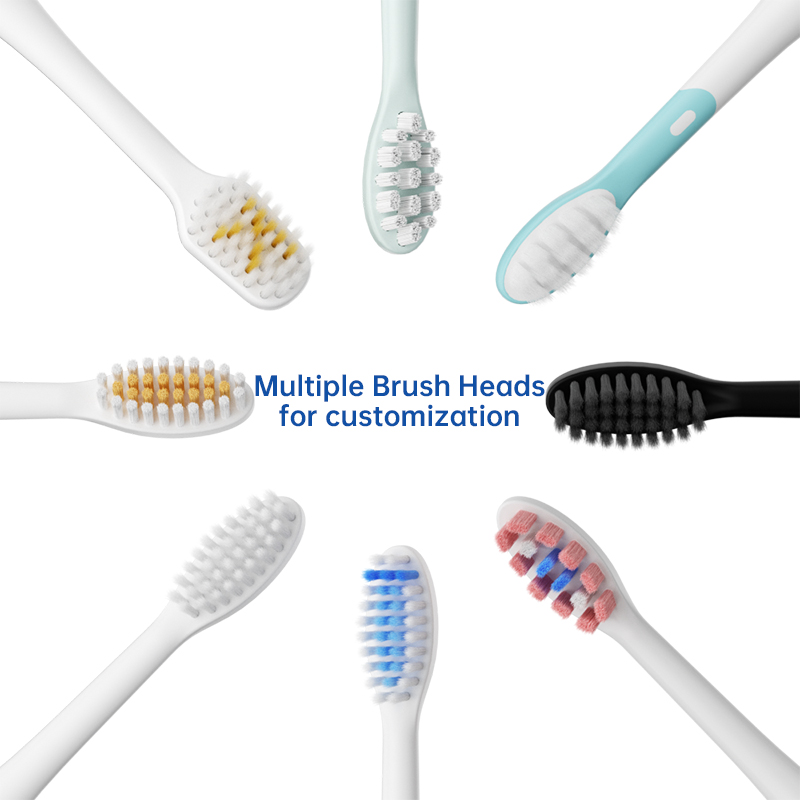
Subscription Model for Oral Care: OEM Strategies for Brush Head Replacement
.jpg)
Struggling with patient acquisition? Dental marketing that converts
.jpg)
Electric Toothbrush Reseller Program Wholesale
What is the Leonard Method of Brushing Teeth? An OEM Manufacturer’s Guide
.jpg)
Are Electric Toothbrushes Allowed in Carry-On Luggage? A Guide for Travel Brands

Voice-Activated and AI-Driven Toothbrushes – The Next OEM Frontier
Electric Toothbrush with Dual Motor Technology OEM
Ergonomic Electric Toothbrush for OEM Buyers | Comfortable Grip & High-Performance Sonic Cleaning
Can an ISO13485 Electric Toothbrush Meet Quality Standards from a Waterproof Electric Toothbrush Factory?
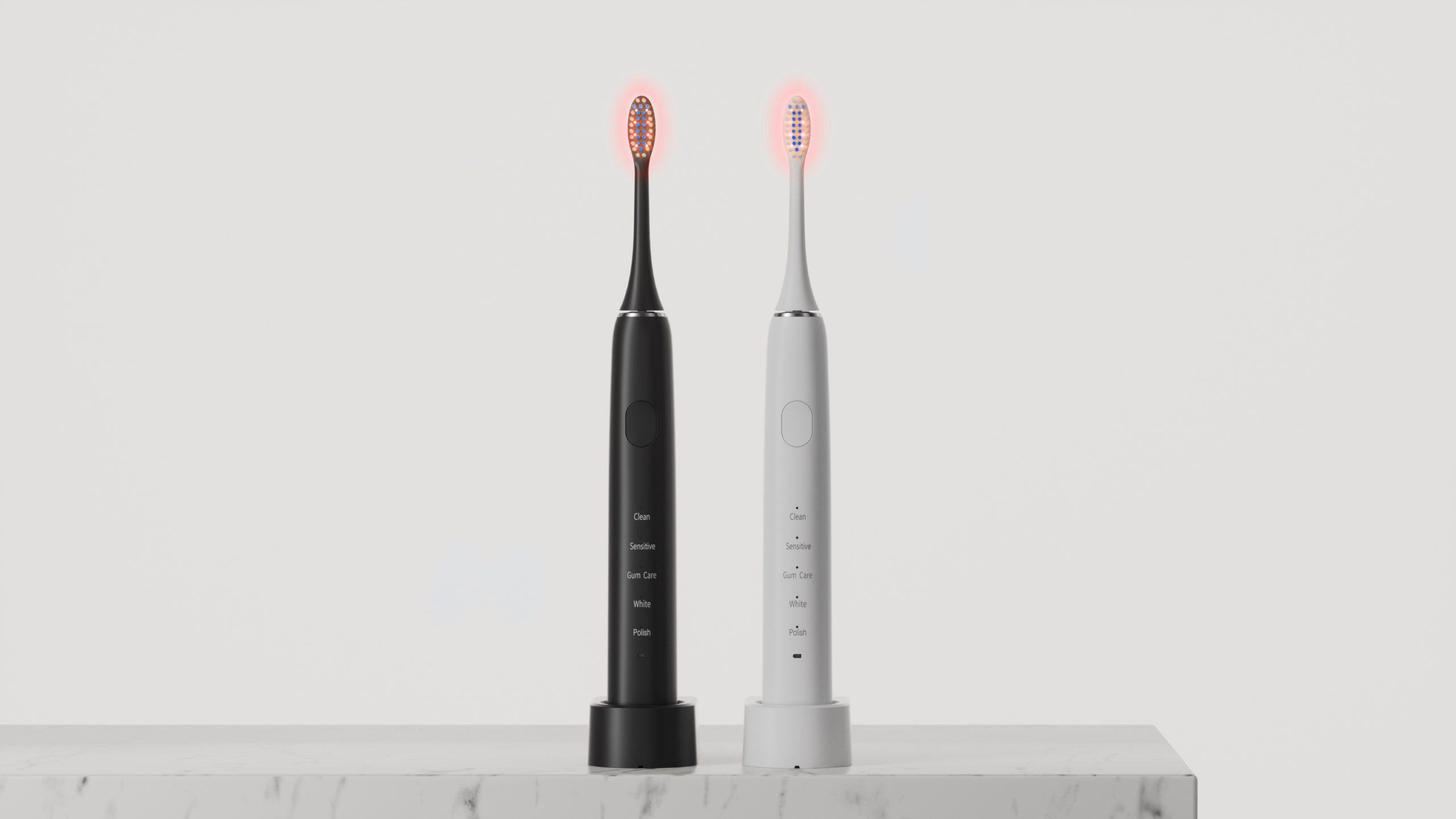
Can Red Light Therapy Regrow Gums? A Science-Based OEM Perspective
Electric Toothbrush with Whitening Mode OEM
Toothbrush Head Replacement Bulk Supplier
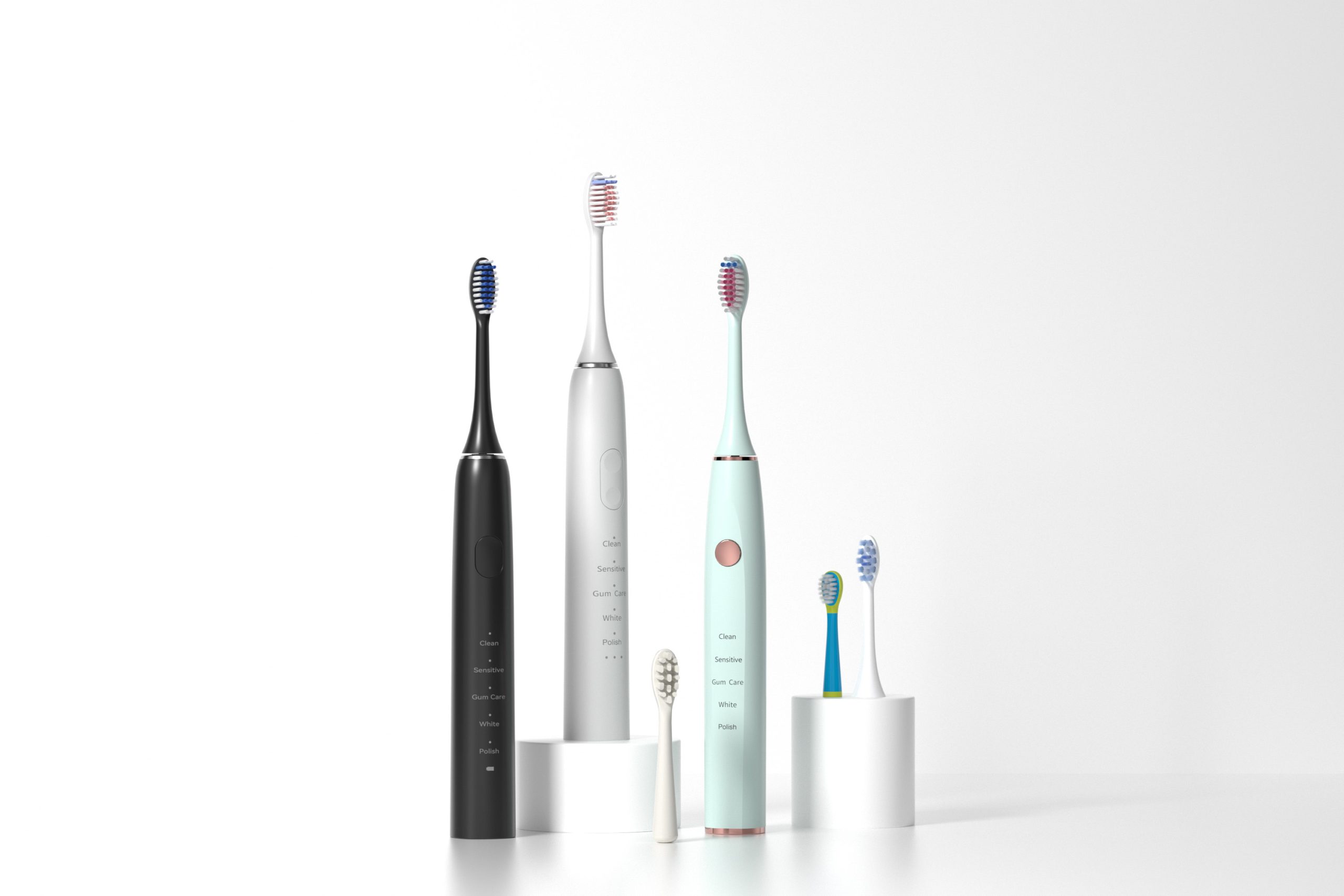
What Dental trends dominate 2025 innovations?
How Does Electric Toothbrush PCB Assembly Integrate with a UV Toothbrush Sanitizer Manufacturer for Smart Hygiene?


.jpg)
.jpg)
.jpg)
.jpg)
.jpg)






.jpg)