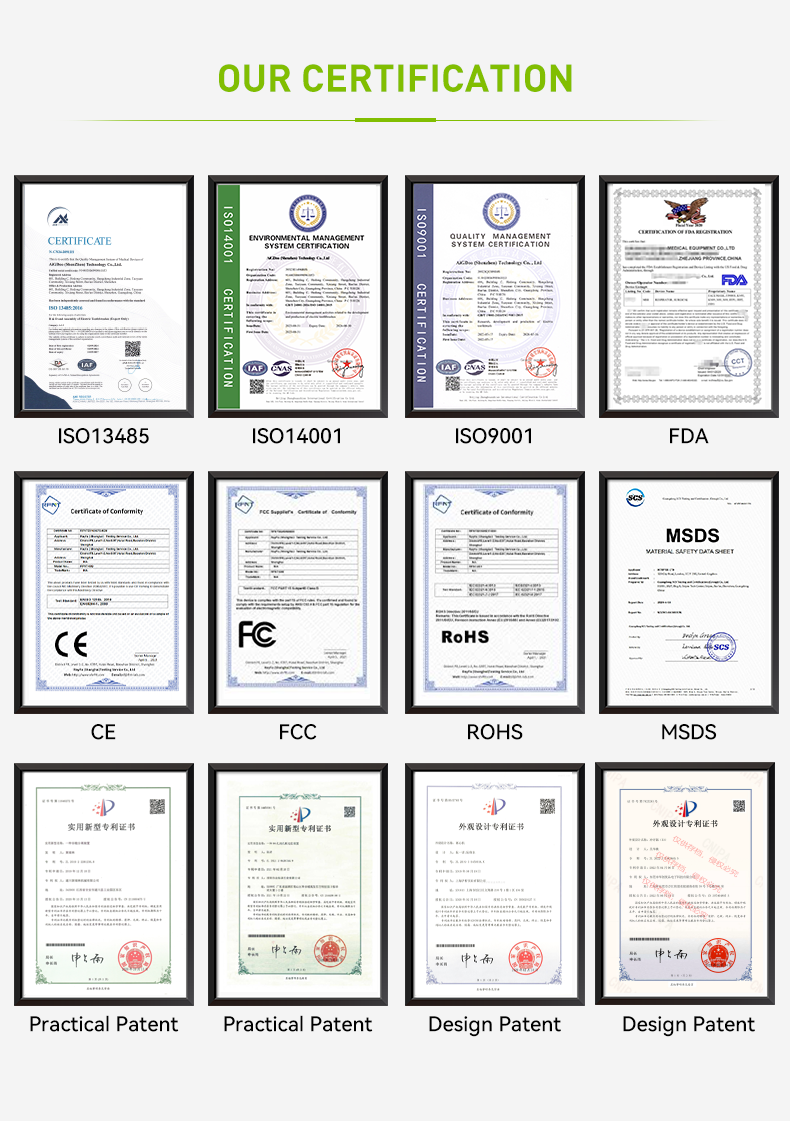
In the oral care and aesthetic device industry, regulatory approval is often seen as a benchmark of trust. However, while an FDA Approved Device confirms compliance with safety and regulatory requirements, it does not automatically ensure effective Sensitivity Reduction. For B2B manufacturers and OEM partners, understanding this distinction is essential when designing products that balance compliance, performance, and user comfort.
An FDA Approved Device meets defined safety, manufacturing, and labeling standards. However, FDA approval focuses on risk control rather than guaranteeing outcomes such as Sensitivity Reduction.
Safety and comfort are related but not identical. While an FDA Approved Device is safe for intended use, Sensitivity Reduction depends on formulation, exposure time, and device interaction beyond regulatory minimums.
Engineering factors such as output control, material selection, and delivery precision strongly influence Sensitivity Reduction. These elements must be optimized independently of FDA Approved Device status.
Sensitivity often arises from system mismatches. Even with an FDA Approved, improper gels, trays, or applicators can increase discomfort, undermining Sensitivity Reduction goals.
FDA approval does not replace real-world testing. Demonstrating Sensitivity Reduction typically requires additional clinical studies, user trials, and performance evaluations beyond regulatory clearance.
OEM brands must communicate clearly that FDA Approved status ensures safety, not guaranteed comfort outcomes. Positioning Sensitivity Reduction as a design and formulation achievement builds credibility and trust.
An FDA Approved Device provides a strong foundation of safety and compliance, but it does not inherently guarantee Sensitivity Reduction. For B2B manufacturers and OEM partners, achieving true user comfort requires thoughtful system design, compatible components, and validation beyond regulatory approval alone. Contact us
.jpg)
kids electric toothbrush OEM factory
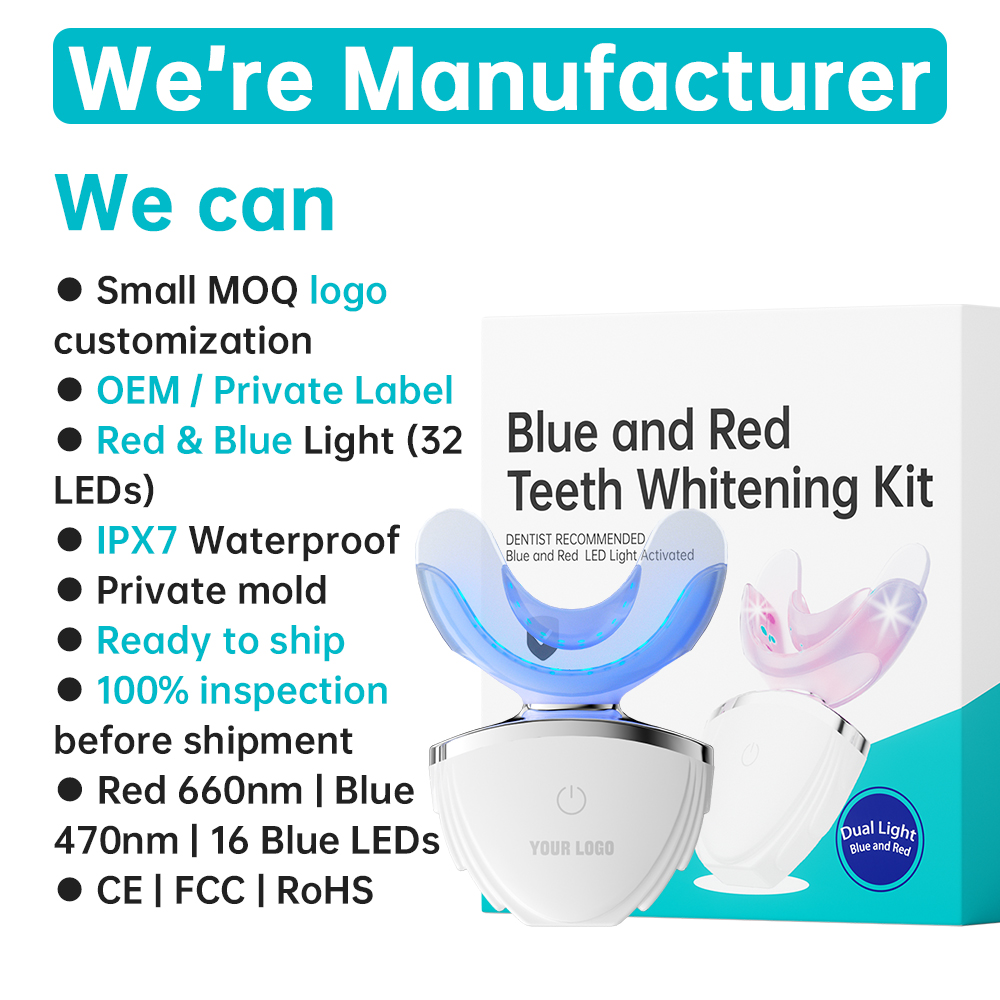
Why Bundle Oral Care Kit Bundling with Cosmetic Whitening Equipment?

Is a UV Free Whitening System Inherently More Enamel Safe?
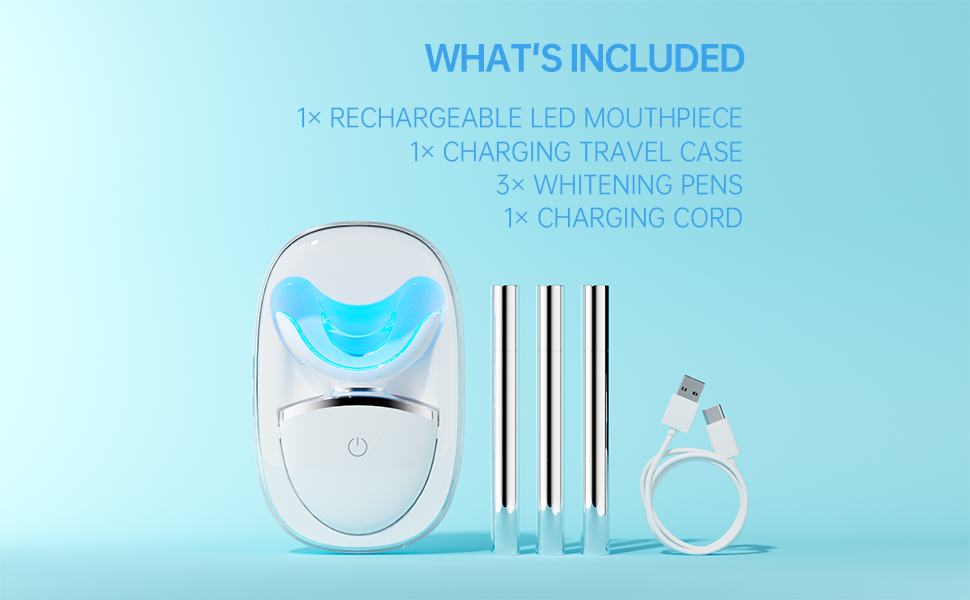
LED Teeth Whitening Kits: Maximizing Value with the Right OEM Partner
.jpg)
Why choose a budget electric toothbrush from a trusted brand?
ADA Accepted Electric Toothbrush OEM – Certification Support
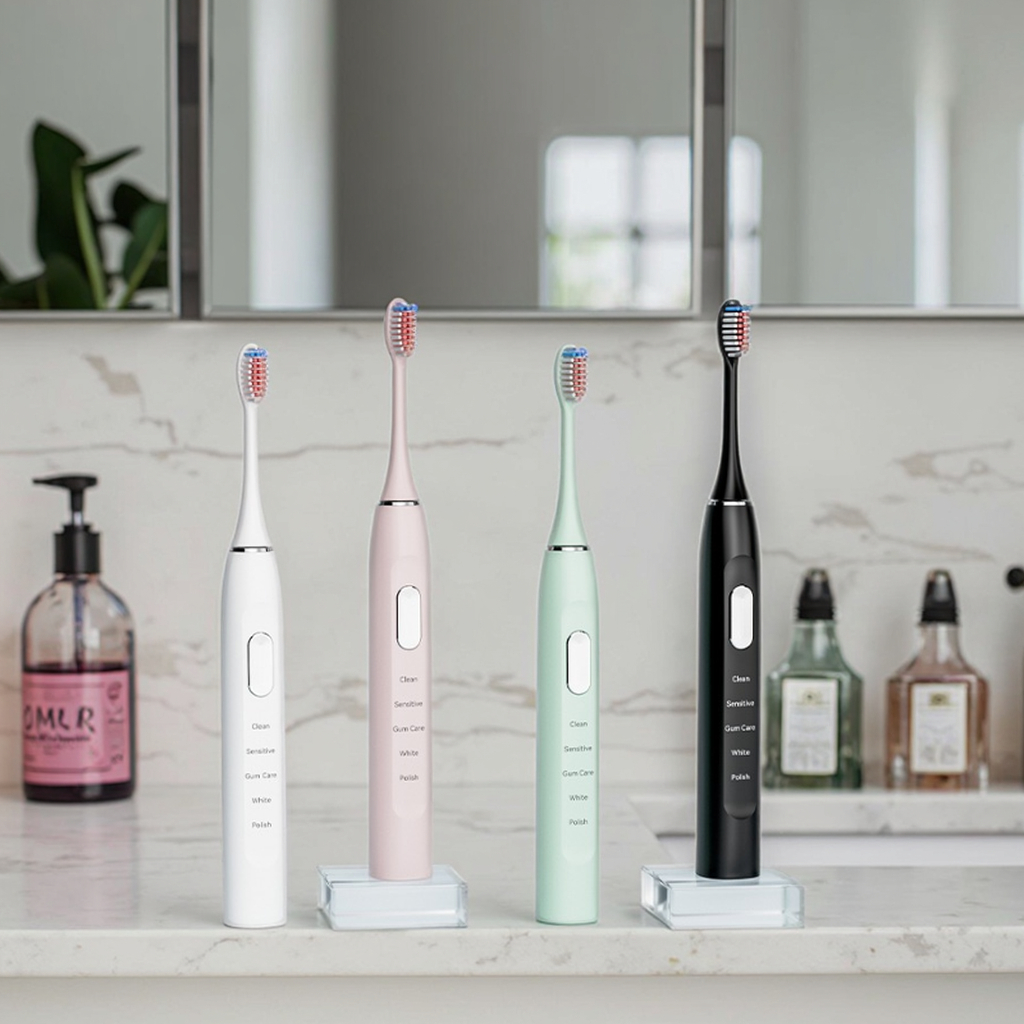
What Functions Are the Most Concerned by Electric Toothbrush Users?
Luxury Electric Toothbrush OEM: Premium Materials and Finishes

Can Sonic Wave Technology Benefit from a Motor Efficiency Upgrade?
multi-mode electric toothbrush supplier
How Does a Gravity Feed System Enable a Truly Cordless Portable Design?

Does Jet Stream Precision Depend on Long-Term Hose Durability?
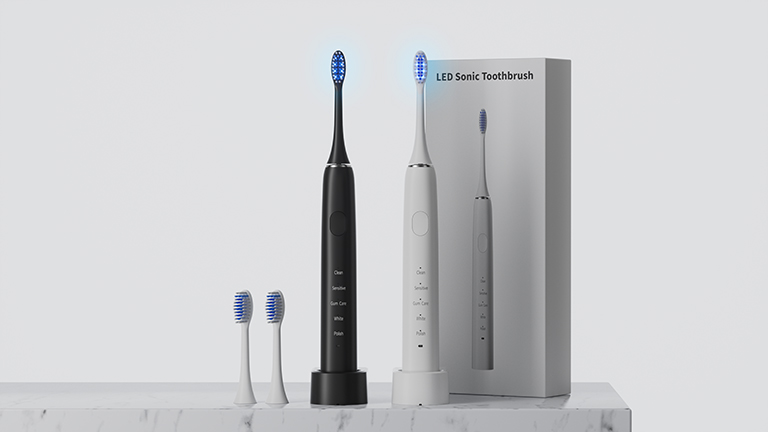
Why Is a Dependable Toothbrush Battery Supplier Crucial for a Long-Lasting Toothbrush?
electric toothbrush for dental hygiene kits
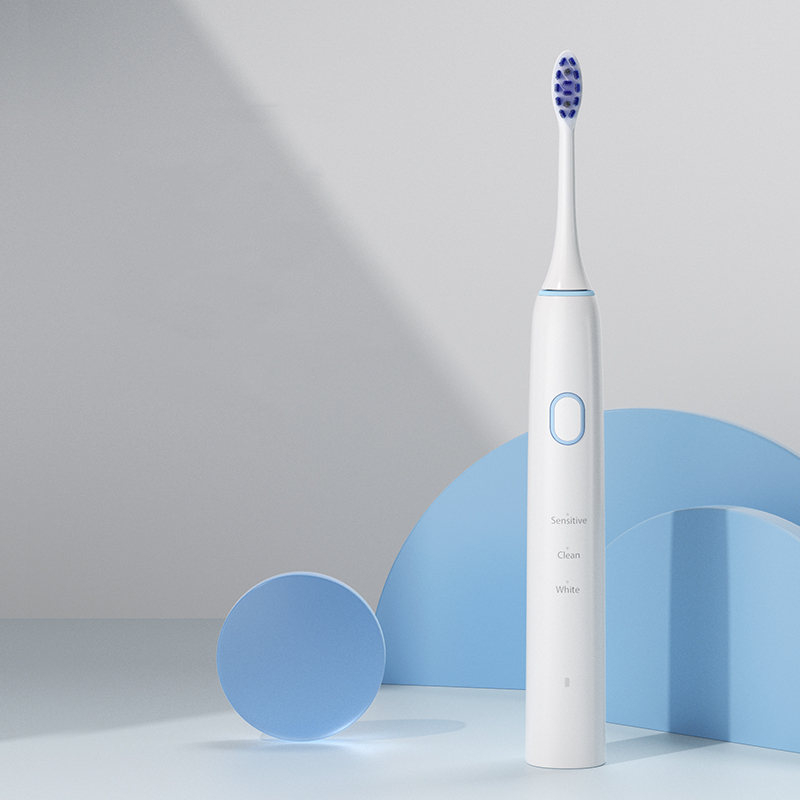
Houston electric toothbrush
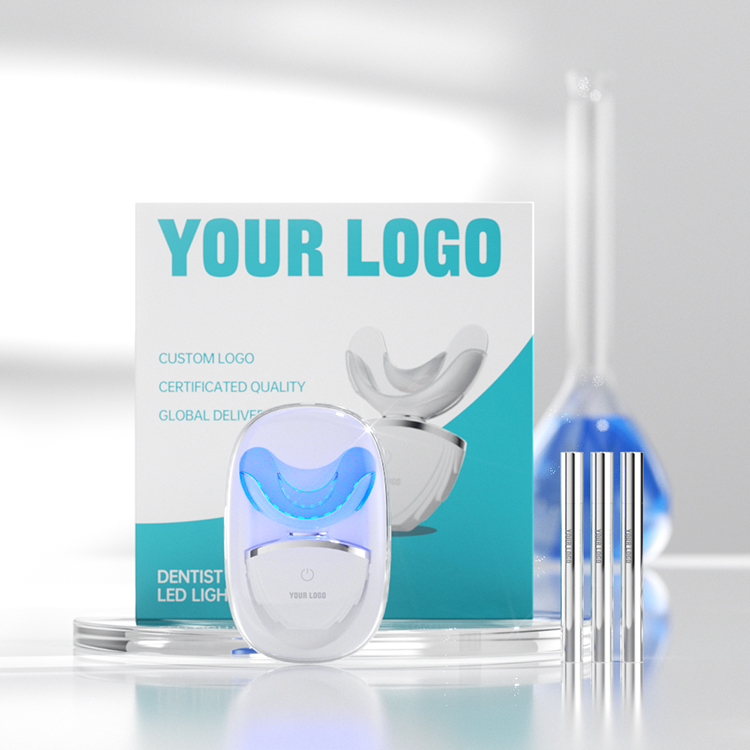
Why Should a Cosmetic Grade Whitening Gel Come with a Precision Gel Applicator?


.jpg)
.jpg)
.jpg)
.jpg)
.jpg)