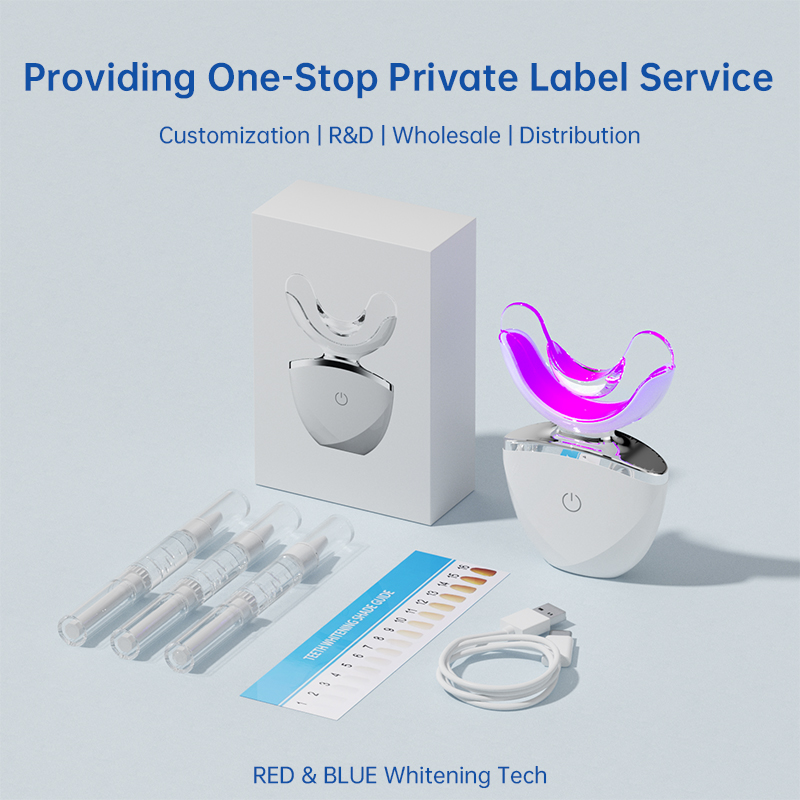
In the competitive landscape of oral beauty devices, setting the right pricing strategy is critical to success. Whether you are an OEM teeth whitening device manufacturer or a brand owner, balancing costs with market positioning ensures both profitability and competitiveness. Below, we explore key considerations for an effective pricing strategy.
The foundation of any pricing strategy starts with a detailed manufacturing cost analysis. This includes raw materials, labor, R&D, production efficiency, and quality control measures. Manufacturers must also factor in indirect costs such as compliance certifications and packaging. A clear cost breakdown helps businesses set a baseline price to ensure profitability without compromising product quality.
A successful teeth whitening device pricing strategy requires an understanding of market demand and consumer spending behavior. Market research should assess competitors’ pricing models, target audience demographics, and regional preferences. Premium consumers may prioritize high-end features, while budget-conscious buyers look for affordability. Identifying these segments helps in structuring a tiered pricing approach.
Pricing should align with the brand’s market positioning. Are you targeting a mass-market audience, a premium segment, or a niche category? A lower price point can drive higher sales volume but may lead to thin margins. Conversely, premium pricing can enhance brand perception and profitability but requires strong differentiation in product features and marketing.
For businesses involved in OEM manufacturing, pricing strategies differ based on bulk order volumes, customization levels, and contractual agreements with brand partners. Offering flexible pricing based on order quantities and long-term partnerships can enhance customer retention. Additionally, value-added services like private labeling and customized formulations can justify a higher price point.
The chosen sales channels—direct-to-consumer (DTC), e-commerce, retail, or B2B partnerships—significantly impact pricing. Online platforms may allow dynamic pricing strategies, such as discounts and bundled offers, while traditional retail demands fixed pricing with distributor margins included. A multi-channel strategy helps optimize revenue streams.
Regularly revisiting your pricing model is crucial to stay competitive. Factors such as raw material price fluctuations, regulatory changes, and consumer trends in oral beauty should be considered. Introducing periodic price adjustments, promotions, or subscription-based pricing can help maintain market share without eroding margins.
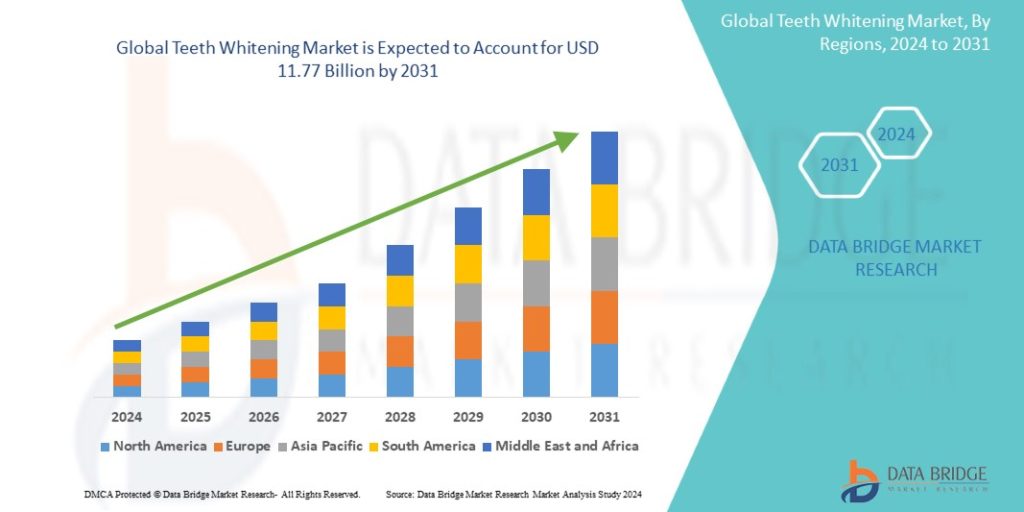
Establishing a teeth whitening device pricing strategy requires balancing costs and market positioning. Whether you are an OEM teeth whitening device producer or a brand owner, a well-structured pricing approach ensures sustained profitability and competitiveness. By understanding costs, market positioning, and distribution strategies, businesses can develop a pricing model that drives growth and customer loyalty.
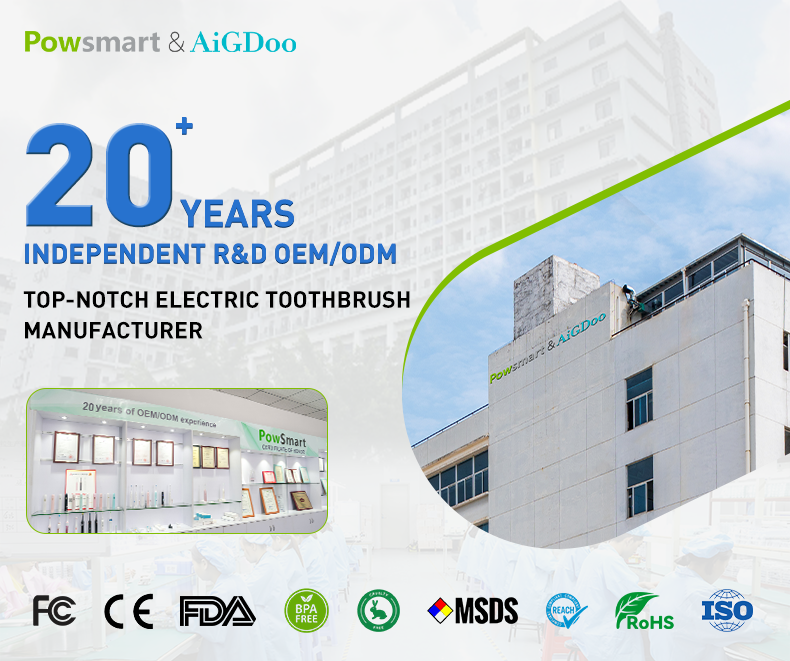
Developing a Whitening Kit Custom Formulation? Need CE/FDA Certification Guidance?
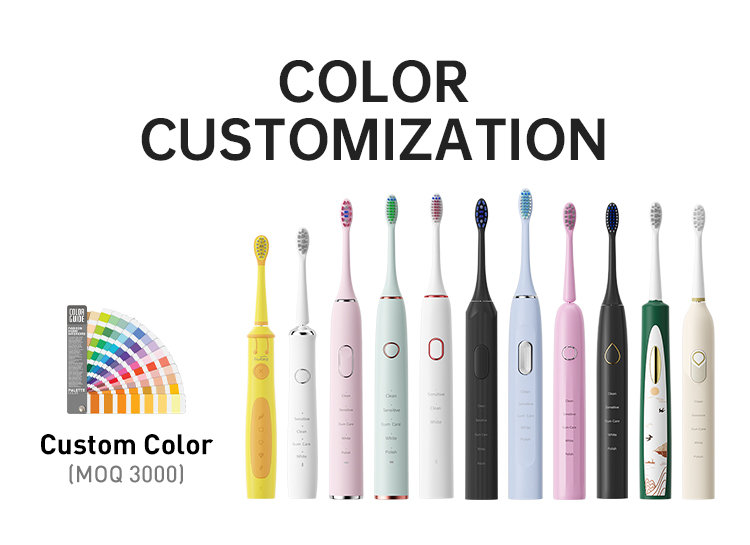
Considering a Rental Service Model Under an Exclusive Territory Distribution Agreement?
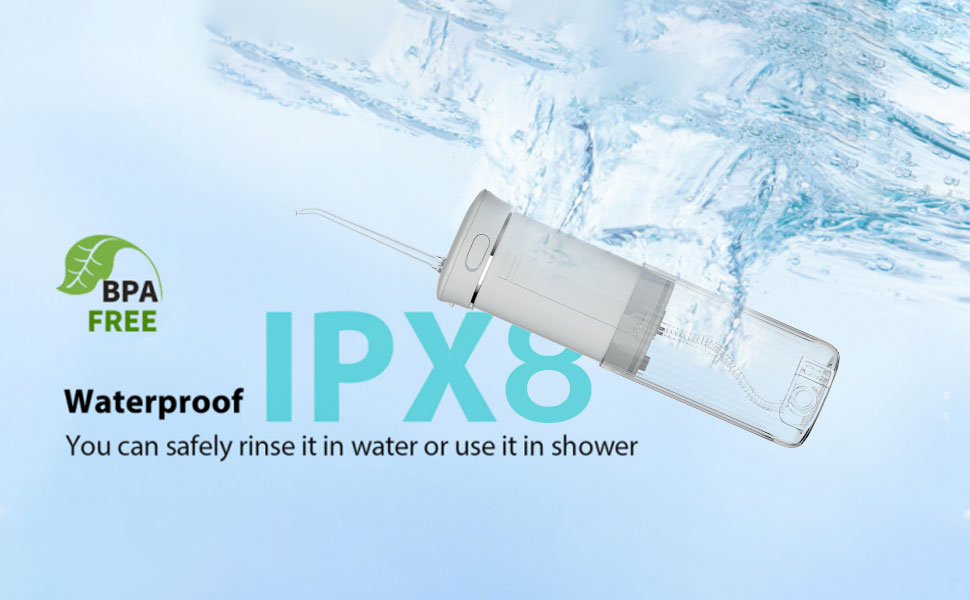
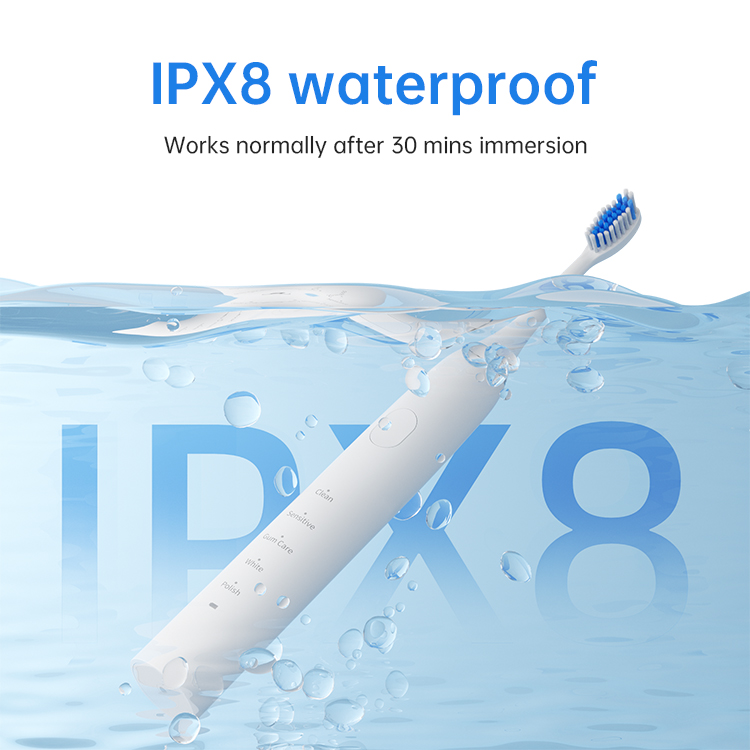
How to Identify the Waterproof Rating of an Electric Toothbrush?
How Can a Sleep Health Companion Device Incorporate Stress Response Monitoring?
.jpg)
multi-mode electric toothbrush supplier
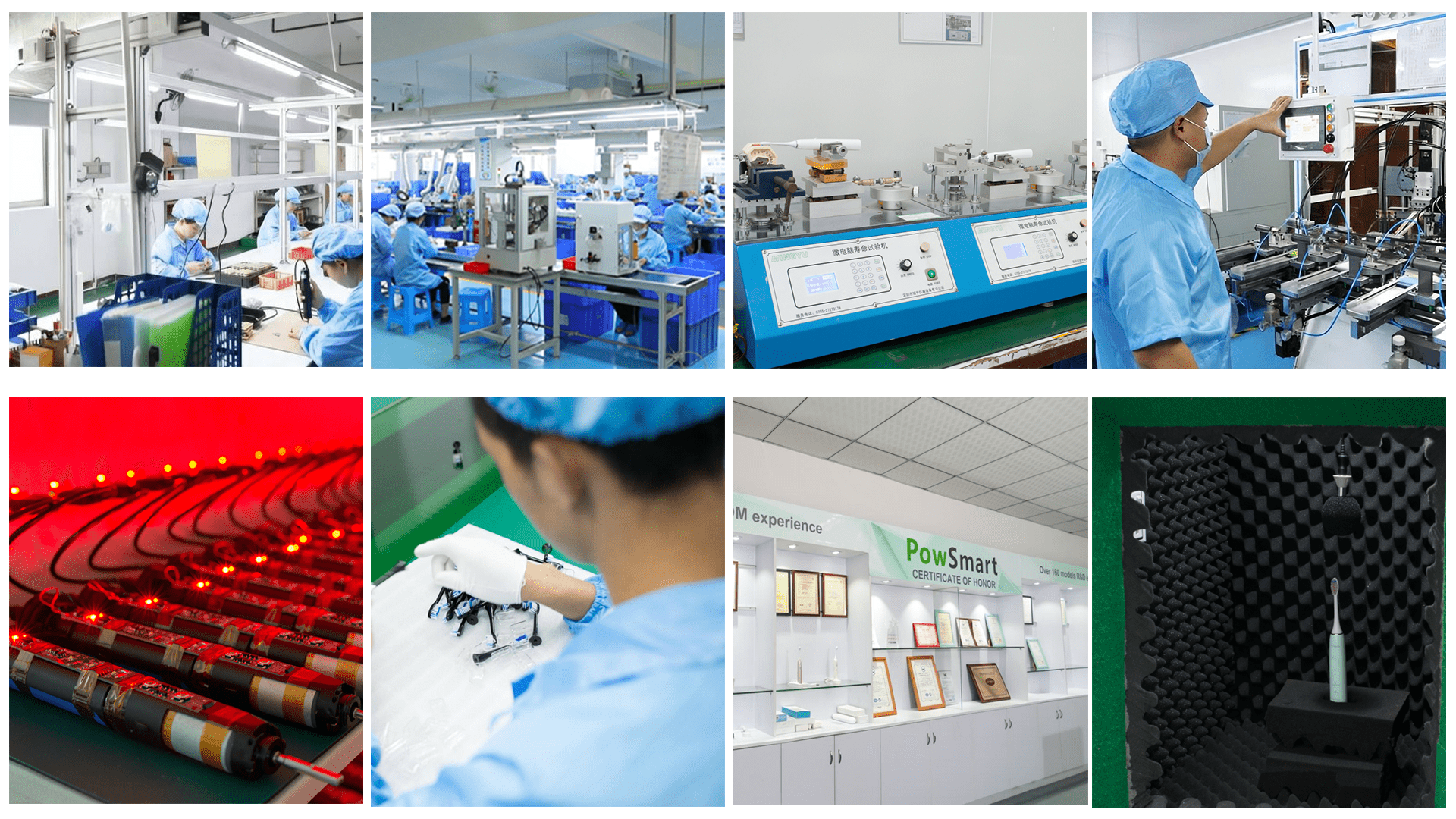
Analysis of the Core Competitiveness of Electric Toothbrushes: How to Win the Market Through Technological Innovation?
Need a Pilot Production Run Service to Test the Market for Haptic Guidance Feedback Toothbrushes?
Red Blue LED Toothbrush Manufacturer for OEM Brands
Floral Tea Teeth Stains | Hibiscus Tea Whitening Tips

Can Reliable Water Flosser Component Suppliers Support Cordless Water Flosser Manufacturing?
Placing a Periodontal Care Bulk Order? Don’t Forget the Jet Nozzle Multi-Packs?
Electric Toothbrush Quality Control Checklist
Electric Toothbrush Waterproof Testing for OEM and B2B Manufacturing
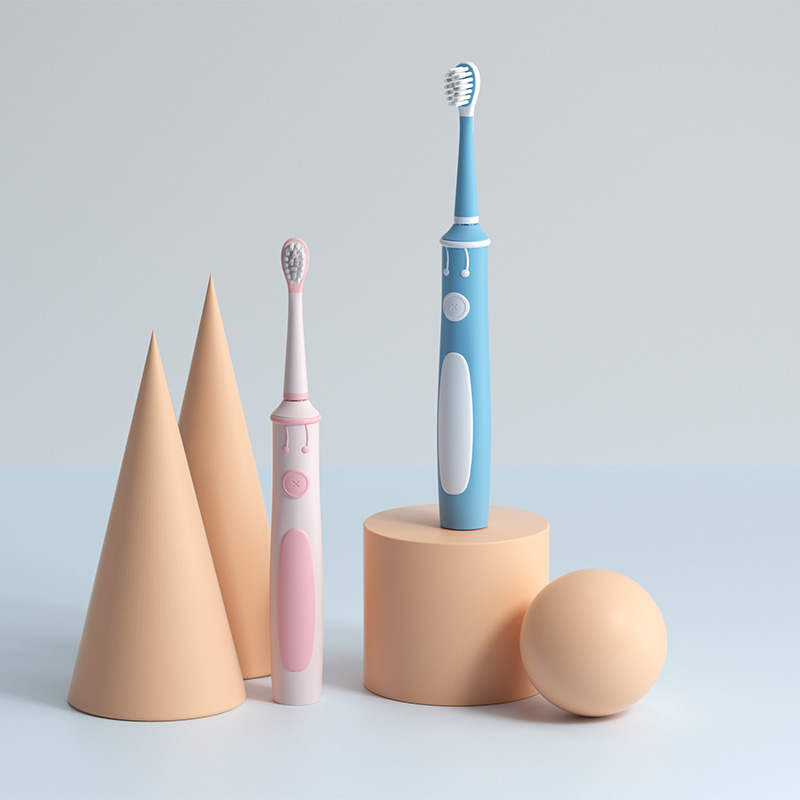
High-Flexibility Electric Toothbrush OEMs: Customization for Diverse Demographics
Who Shouldn’t Use an Electric Toothbrush? Professional Advice from Manufacturers

Building a Teeth Whitening Brand from 0 to 1: Differentiation Strategy Under the OEM Model


.jpg)
.jpg)
.jpg)
.jpg)
.jpg)