In today’s competitive electric-toothbrush market, adaptor compatibility and grip ergonomics flaws often go hand-in-hand—poorly designed handles can misalign charging contacts or make it hard for users to seat the charger correctly. Below, we explore six key factors that link ergonomics missteps to charging‐base failures, and how B2B manufacturers can deliver both comfortable grips and rock-solid compatibility.
First, when a handle’s shape or texture forces users to hold it off-center:
Ensuring symmetrical, slip-resistant grips is the first step toward reliable adaptor compatibility.
Moreover, grip ergonomics flaws that cause fatigue can shorten the time users apply downward force:
Designing handles that distribute weight and dampen feedback encourages stable docking for consistent charging.Company web: https://www.powsmart.com/product/electric-toothbrush/
In addition, handle materials influence both ergonomics and adaptor fit:
Selecting a uniform, high-friction, low-creep elastomer balances comfort with dimensional stability.
To eliminate the conflict between ergonomics and compatibility, consider:
This co-design approach means the handle naturally “snaps” into proper adaptor alignment every time.
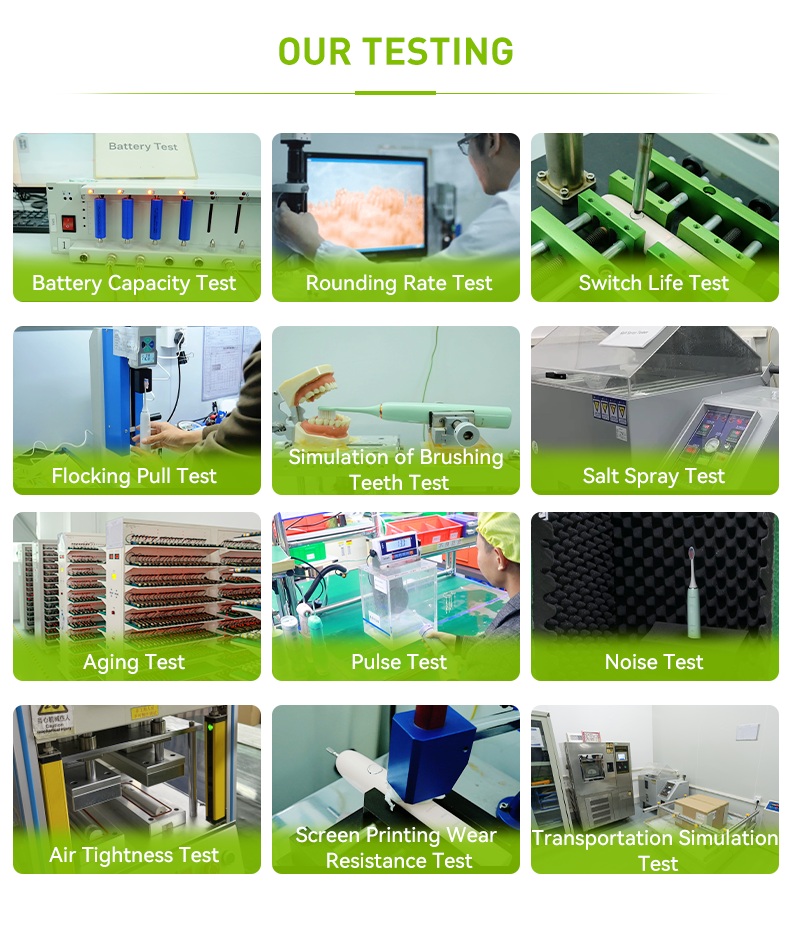
Furthermore, comprehensive testing uncovers hidden ergonomic-compatibility issues:
Incorporating these tests into your QA pipeline guarantees fit and feel in the hands of real users.
Finally, even the best design benefits from clear instruction:
Equipping distributors and end users with these resources ensures that ergonomic comfort and adaptor compatibility go hand in hand—literally.
Conclusion
By tackling grip ergonomics flaws—from handle geometry and material selection to user fatigue and feedback zones—manufacturers can eliminate the adaptor compatibility headaches that plague many electric toothbrush lines. Through co-design, rigorous testing, and clear user guidance, B2B partners can deliver devices that feel great in the hand and dock flawlessly every time. Contact us to learn how we can help perfect both your form and function!
Motor Lifespan Matters! Importance of Premium Electric Toothbrush Durability
.jpg)
Uneven Whitening Results: Is Enamel Damage Related to Improper Frequency Settings?
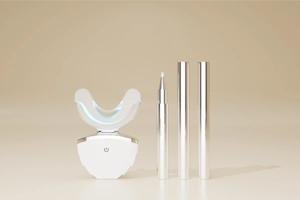
Complete Analysis of Teeth Whitening Gel Ingredients: Safe Hydrogen Peroxide Levels, Desensitizing Agents & pH Balance
.jpg)
Where to read a Bangalore gadget review for an App-connected toothbrush?
Are Brush Head Compatibility Issues Hiding Liquid Residue Buildup?
Why Do App Connectivity Loss and Battery Swelling Coexist?

Can Blue Light Teeth Whitening Devices and Whitening Gels Be Used During Pregnancy?
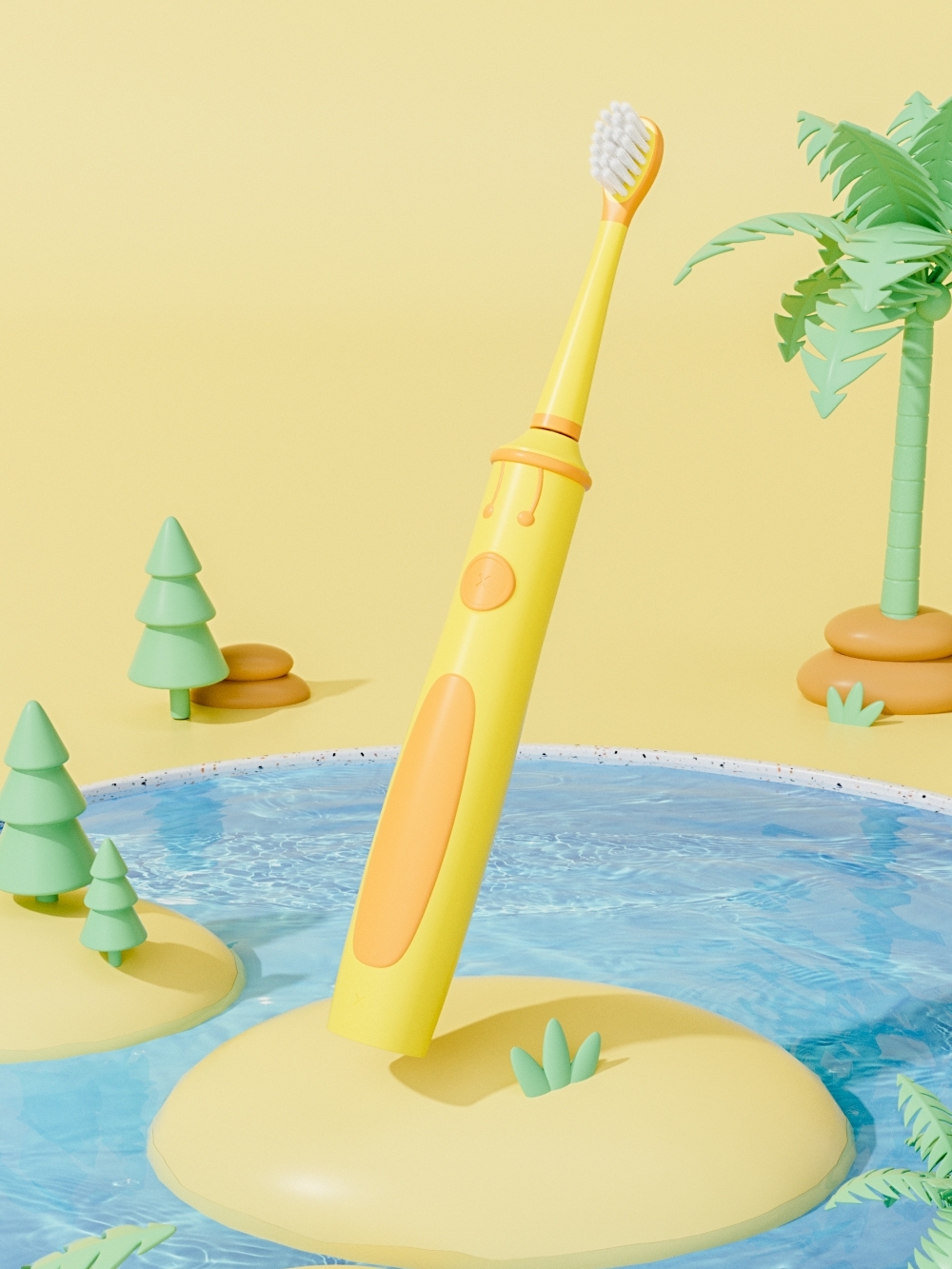
Gingival Abrasion with Saliva Depletion – A Silent Crisis in Oral Care Design?
How Does Gum Recession Relate to Maintenance Complexity?
Why Are Battery Recycling Challenges Ignored Despite Gum Massage Inconsistency?

Water Flosser OEM vs ODM: How to Choose the Best Business Mode?

Preventing Mold in Water Flosser Tanks: Silver Ion vs. UV Sterilization
.jpg)
A Complete Analysis of the Electric Toothbrush OEM Shell Process: ABS vs PP vs Bio-Based Materials, How to Choose?
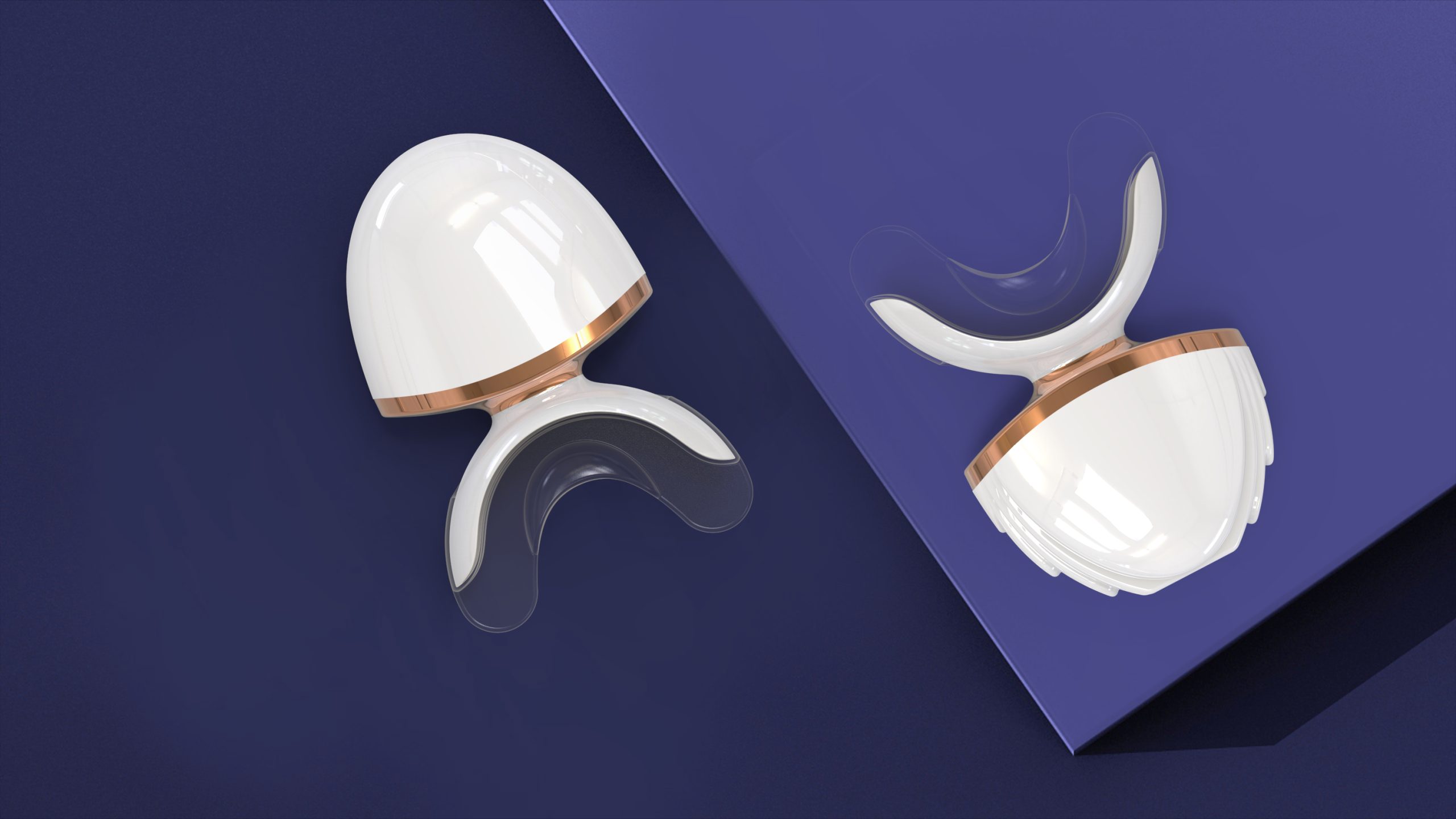
Is Blue Light Under 480nm Safe for Teeth Whitening Devices?
Charging Time Efficiency & Oral pH Alteration: A Subtle Link?
-3-scaled.png)
Home vs. Professional Red and Blue Light Teeth Whitening Devices: Wavelength Stability and Energy Density Comparison


.jpg)
.jpg)
.jpg)
.jpg)
.jpg)