In the world of oral care product design, bristle splaying is often treated as a wear-and-tear inevitability. However, mounting clinical feedback suggests that splayed bristles—especially in poorly engineered toothbrush heads—may play a contributing role in gum recession, raising critical concerns for B2B buyers and ODM developers alike. Can this issue be effectively prevented through better materials and design? In this blog, we’ll analyze the root causes, risks, and preventive measures around this overlooked yet impactful defect.
Bristle splaying refers to the outward bending or deformation of toothbrush filaments after extended use. It’s often caused by:
While seemingly minor, splayed bristles disrupt brushing dynamics, reducing plaque removal efficiency and increasing the risk of unintended pressure points on the gums. For users with sensitive gumlines, this change can turn routine brushing into a damaging experience.
As bristles splay, they lose directional control. Instead of gliding smoothly along the tooth-gum margin, they begin to scratch, jab, or scrub at unnatural angles. This leads to:
Over time, this can result in permanent tissue loss—particularly for consumers using mid- to high-frequency sonic toothbrushes where force concentration increases with tip distortion. Company web:https://www.powsmart.com/product/electric-toothbrush/
.jpg)
Not all toothbrush bristles are created equal. Substandard or poorly processed materials are more prone to bristle splaying. Manufacturers should pay attention to:
Using high-quality, FDA-compliant PBT or nylon-6.12 with precision-rounded tips can significantly extend bristle shape retention and minimize the risk of gum impact.
The toothbrush head design also plays a crucial role. Structural flaws that promote bristle splaying include:
Optimizing head shape, tuft density, and multi-zone hardness gradients can delay splaying while improving cleaning coverage and pressure distribution—key factors in gum recession prevention.
To ensure real-world performance, manufacturers should adopt dedicated bristle splaying resistance tests as part of quality assurance. These may include:
By implementing these tests, B2B partners can offer product assurances that go beyond marketing and into proven gingival safety.
Even with top-quality designs, bristles eventually wear. Educating consumers on replacement intervals—ideally every 3 months, or sooner if bristle splaying occurs—helps maintain gum health and enhances brand credibility. Manufacturers can further differentiate by:
These strategies don’t just address gum health—they create a premium ownership experience built around preventing gum recession, not just reacting to it.
The connection between bristle splaying and gum recession is real, measurable, and—most importantly—preventable. For B2B toothbrush manufacturers, the opportunity lies in shifting from passive acceptance to active design innovation. By combining superior materials, structural optimization, and thoughtful user education, brands can significantly reduce the risks of gum damage and build long-term trust with both business partners and end-users. Contact us
Unlocking Business Opportunities in Children’s & Family Dental & Orthodontic Products
The Evolution of the User Experience: How Dentistry Technology is Changing Everyday Oral Care
.jpg)
Sonic Whitening Toothbrush Manufacturer

Require a High Torque Brushless Motor and Adjustable Pressure Water Flosser Spec for Professional Models?
Are Your Professional Water Flosser Units Suitable as an Orthodontic Clinic Water Flosser?
New Electric Toothbrush Texas – Innovative Oral Care Launch
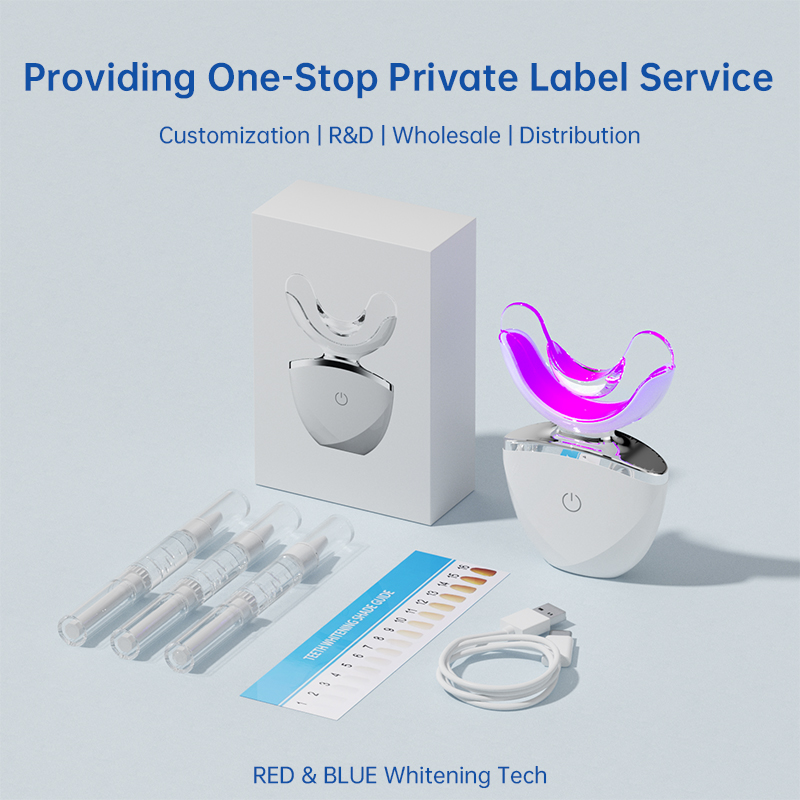
Impact of Using Teeth Whitening Equipment and Gel Together – OEM System Design
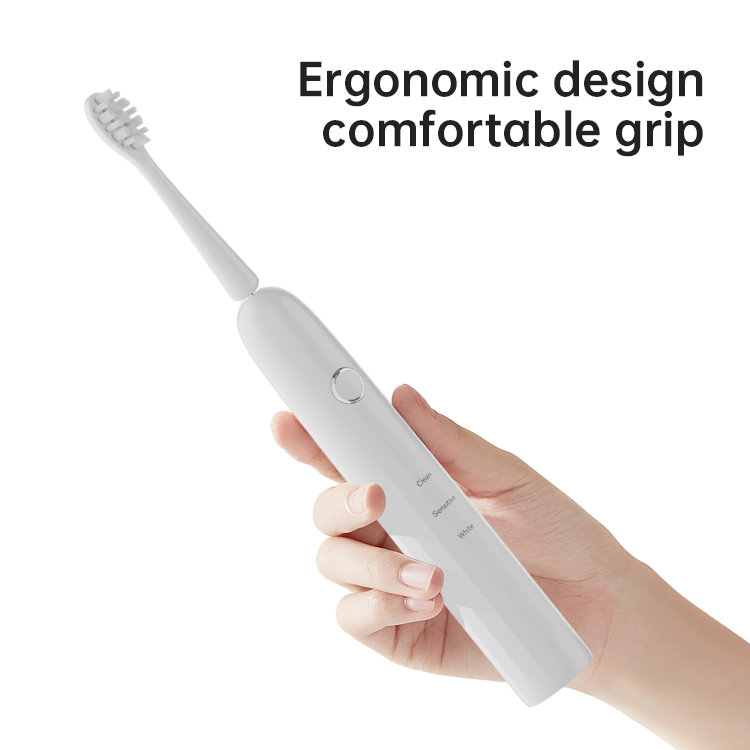
Why Is Bristle Configuration Design Critical for Saline Solution Compatibility in Irrigators?
Electric Toothbrush Warranty Coverage Explained: What Your Warranty Actually Covers
How to Choose a Reliable Home-Use Whitening Device Supplier for Your Brand

As a Water Flosser Nozzle Supplier, Can You Provide Wholesale Water Flosser Tips for All Models?
Does Optimal Flow Channel Design Reduce the Load on the Battery Management System?
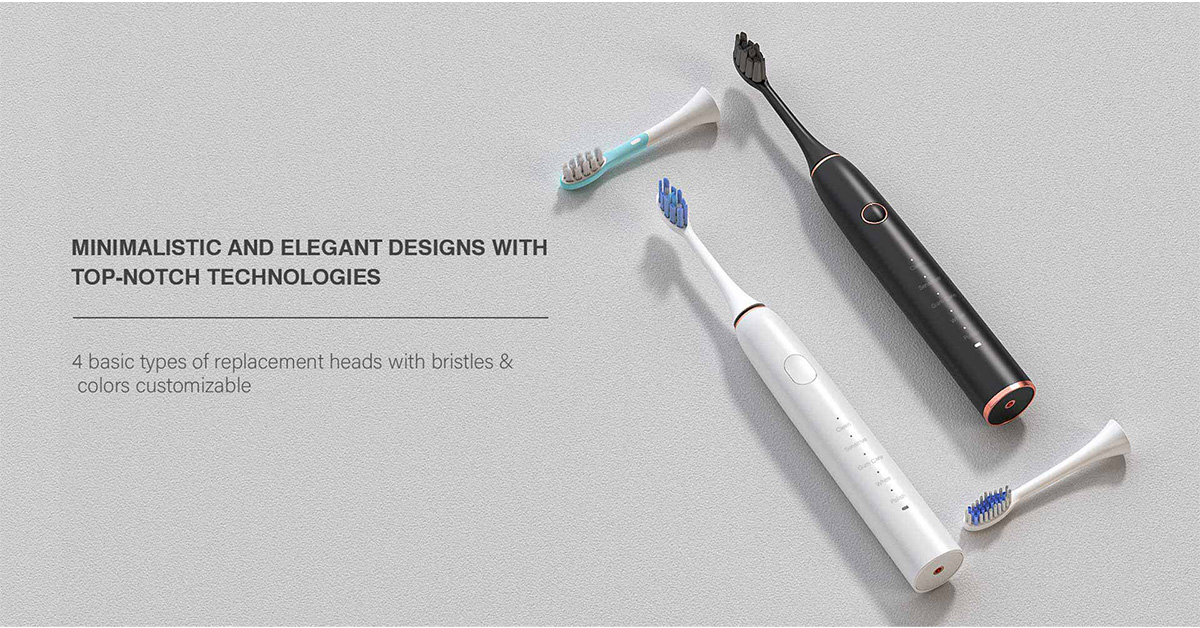
Why is There a Gap Between the Toothbrush Head and the Handle?
Which Electric Toothbrush Works Best in Hard Water Areas in Arizona and Colorado?
Can Pulse Water Technology Function Reliably Without a Leakage Prevention Valve?
.jpg)
Can the right oral care products prevent pain this National Toothache Day?


.jpg)
.jpg)
.jpg)
.jpg)
.jpg)




.jpg)
.jpg)