After completing a tooth-whitening treatment, maintaining results relies not only on using a waterproof seal in your bleaching trays to block pigments but also on rigorous allergen testing to select safe post-treatment foods. Any dietary allergen or cross-contamination can trigger gum inflammation, accelerate stain redeposition, or undermine whitening effects. Therefore, testing every recommended ingredient for allergens is essential for B2B partners to ensure product safety and user satisfaction.
First, bleach leaves dentinal tubules open and enamel slightly demineralized for about 48–72 hours:
During this “high-sensitivity window,” consuming allergenic foods risks discomfort or color relapse.
Consequently, allergen testing of common post-whitening ingredients is crucial:
Only data-driven testing provides B2B clients with quantifiable, traceable food-safety assurances. Company web: https://www.powsmart.com/product/electric-toothbrush/
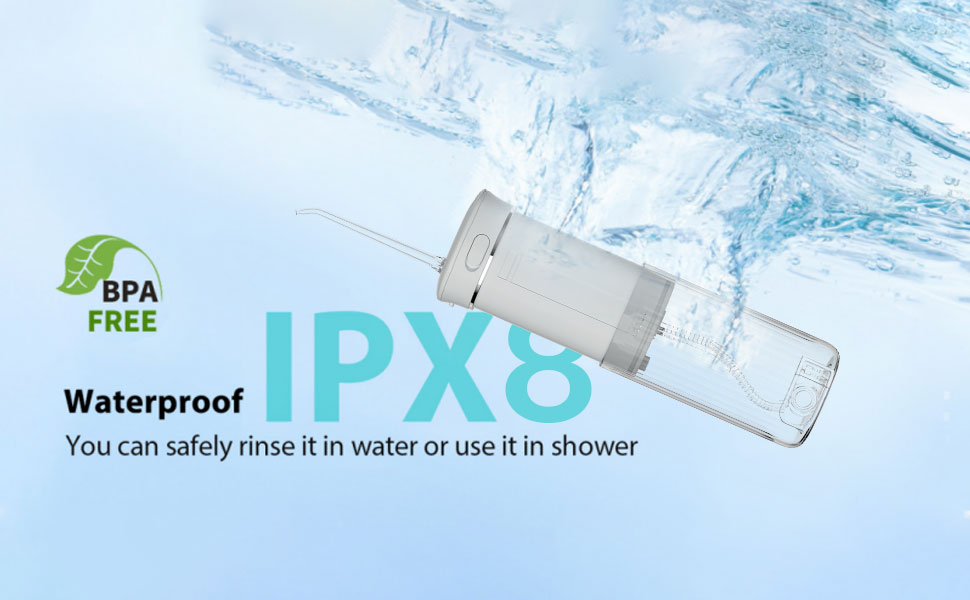
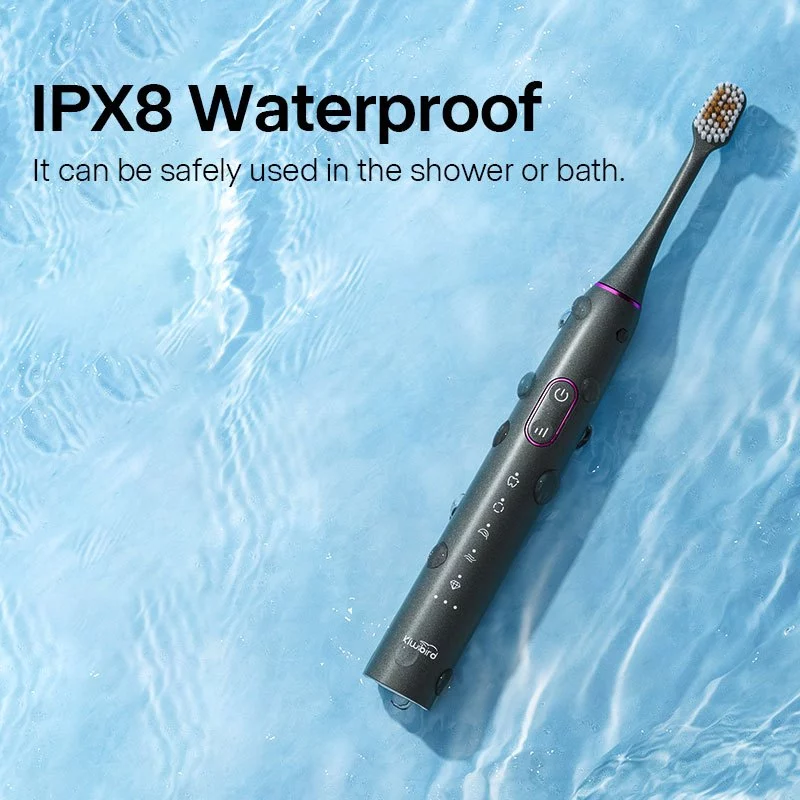
Meanwhile, a robust waterproof seal design helps users rinse or soak their trays immediately after meals:
This hardware protection paired with dietary controls delivers a double-layer defense.
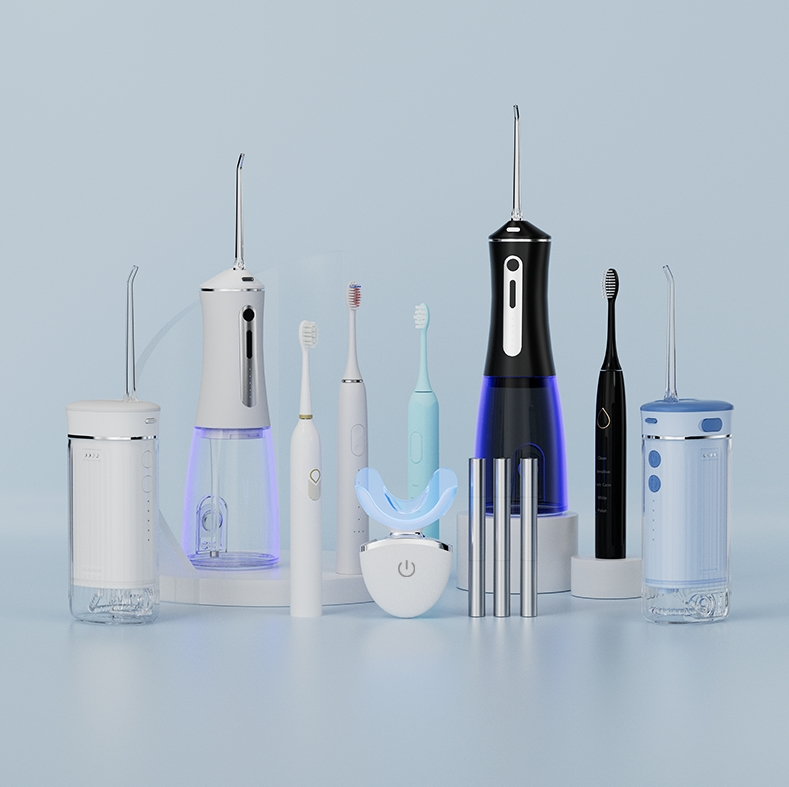
Based on allergen testing, B2B partners might propose:
All menu items have passed multiple allergen panels and avoid strong pigments or acids.
For B2B manufacturers, providing robust guidance is key:
A full-service support model ensures partners can confidently deliver safe whitening aftercare.
Finally, ongoing improvements include:
Through relentless iteration, B2B firms will lead the market in post-whitening dietary safety and performance.
Conclusion
During the critical post-bleaching recovery phase, allergen testing and a reliable waterproof seal form an indispensable dual barrier: the former guarantees food safety, and the latter provides a physical shield. Only by investing in testing, design, training, and data services can B2B manufacturers deliver an effective, worry-free whitening aftercare experience. Contact us to co-develop an innovative, safety-first post-whitening ecosystem!

Application of Phototherapy Technology in Teeth Whitening and Oral Care
.jpg)
Can Unstable Vibration Worsen Tooth Sensitivity?
Why Should Restricted Users Avoid Stain Residuals?
Does Black Electric Toothbrush ODM Face Handle Corrosion?
Smart Electric Toothbrush Customization by Powsmart
The Ultimate Checklist for Evaluating an Oral Care Product Manufacturer
.jpg)
Gentle Gum Care Electric Toothbrush Production for Sensitive Teeth
.jpg)
How to Choose a Professional ultraviolet sterilized water flosser Manufacturer?
Does Gum Health Sonic Toothbrush Worsen Jaw Discomfort?
Rechargeable Whitening Device OEM for Global B2B Brands
Wholesale Smart Electric Toothbrushes: Bulk Order Advantages
Home Use Teeth Whitening Device OEM for Global Oral Care Brands
Teeth Whitening Kit Private Label Solutions for B2B Brands
Do Noisy Water Flossers Pose Aspiration Risk?
How Does Cold Light Wavelength Affect Bleach Decomposition?
Fast Lead Time Electric Toothbrush Supplier for Global B2B Buyers


.jpg)
.jpg)
.jpg)
.jpg)
.jpg)