Many people enjoy chewing ice, especially on hot days, but this seemingly harmless habit can wreak havoc on your dental health. While it may feel refreshing, ice chewing poses serious risks to your teeth and dental work. Let’s examine why you should break this habit and how to protect your smile.
Your enamel is the hardest substance in your body, but it’s no match for ice’s rigid crystalline structure. The extreme hardness of ice creates micro-fractures in enamel over time, weakening your teeth’s natural defense against decay and sensitivity. Once enamel is gone, it doesn’t grow back.
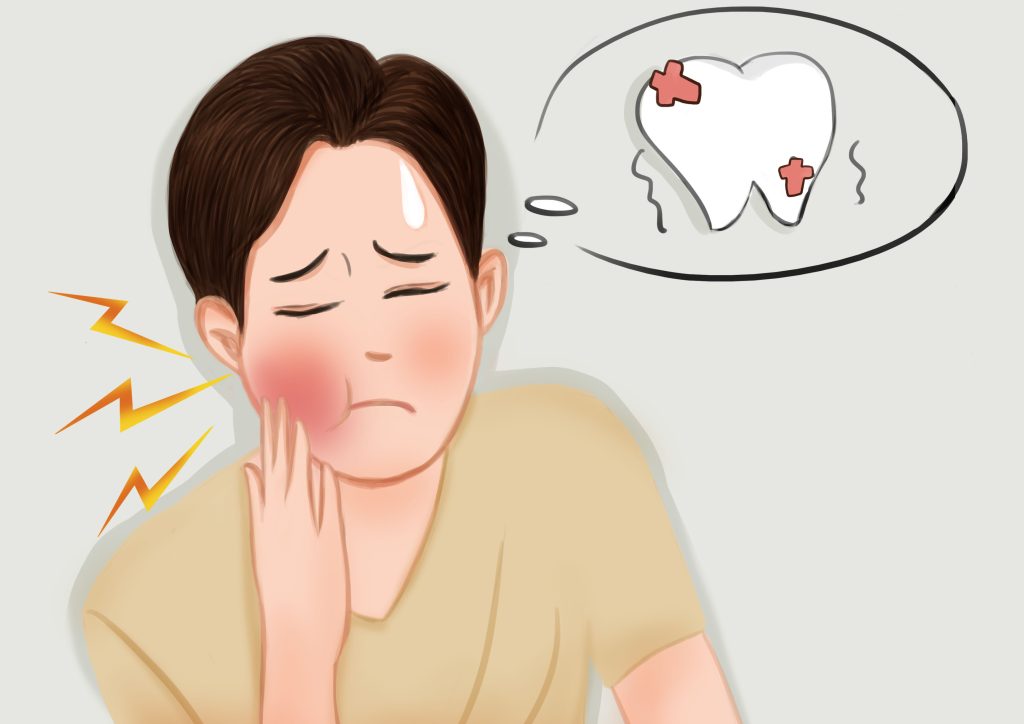
Chewing ice dramatically increases your chances of fractured teeth. The pressure from biting down on ice can cause hairline cracks or even complete tooth breaks, potentially requiring expensive treatments like crowns or root canals. Molars are particularly vulnerable due to their chewing function.
If you have any dental fillings, ice chewing is especially dangerous. The expansion and contraction caused by temperature changes can loosen fillings, while the chewing force may crack them. This creates openings for bacteria to enter, leading to new decay beneath your existing dental work.
For those with orthodontic appliances like braces or retainers, ice chewing can bend wires, loosen brackets, or crack plastic aligners. This extends treatment time and may lead to additional orthodontic visits and costs. Even clear aligners aren’t safe from ice’s damaging effects.
If you crave that icy crunch, try these safer options:
Chilled (not frozen) fruit like watermelon or cucumber
Crunchy vegetables such as carrots or celery
Sugar-free gum (which also stimulates saliva production)
Using a straw with your cold drinks to avoid ice temptation
Maintain your dental health with these essential practices:
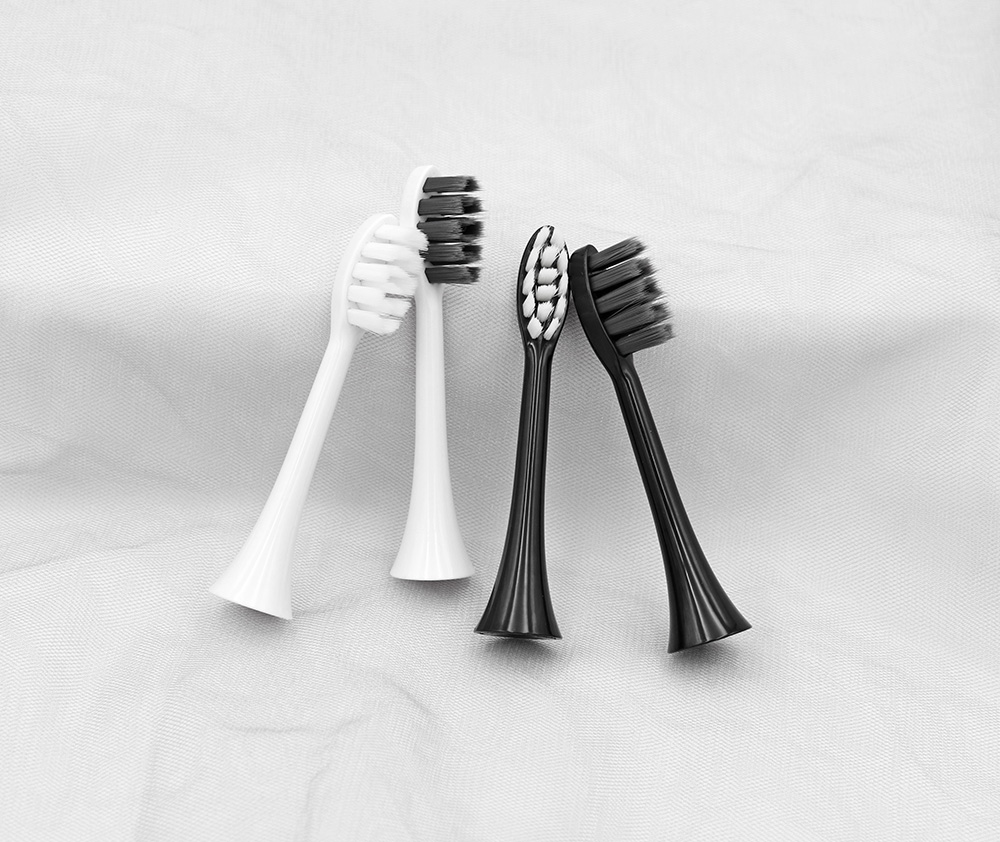
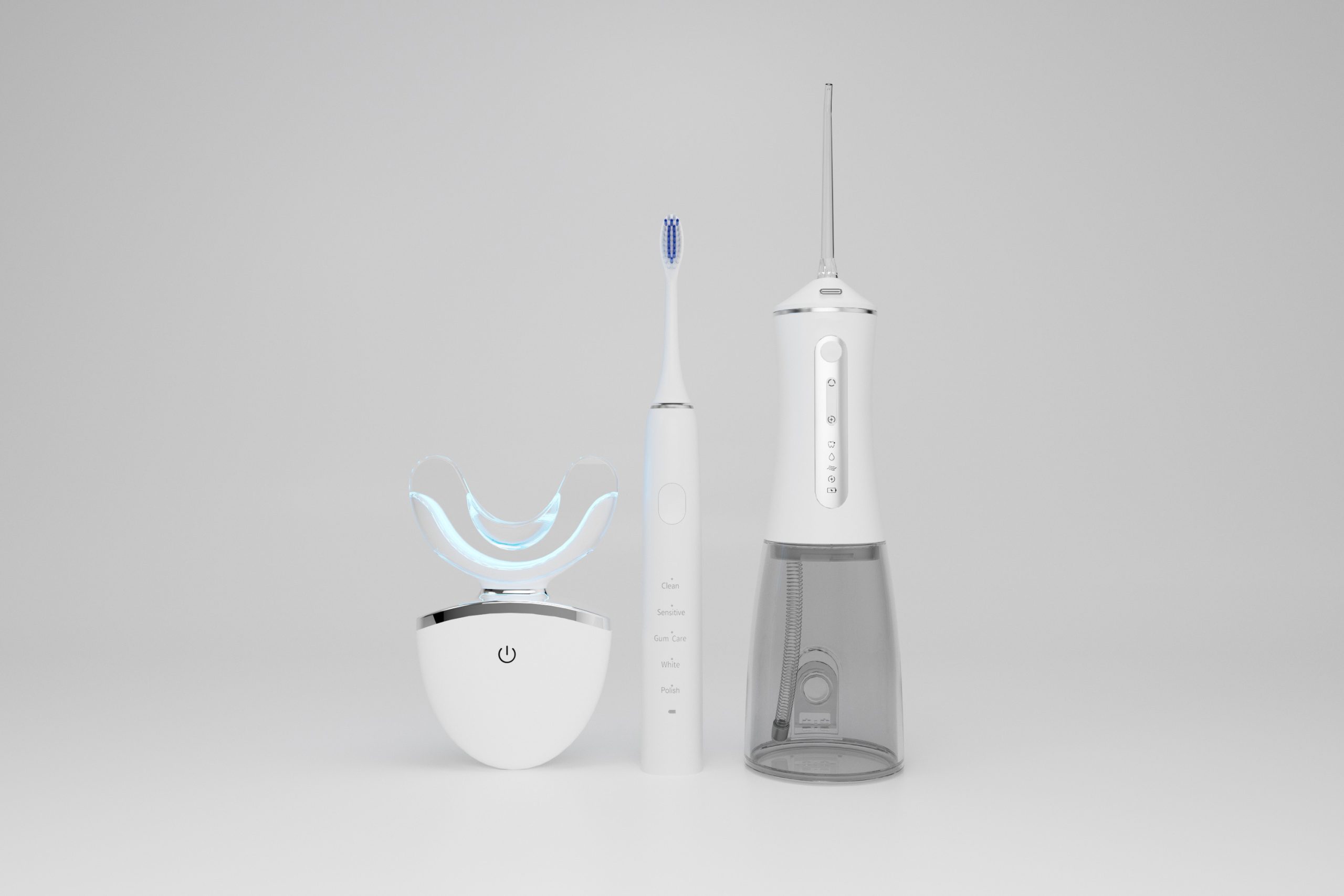
Use an electric toothbrush with pressure sensors to clean effectively without harming enamel
Switch to a toothpaste designed for sensitive teeth if ice chewing has already caused damage
Schedule regular dental checkups to catch any early signs of enamel erosion or cracks
While occasional ice chewing might seem harmless, the cumulative damage to your enamel, risk of fractured teeth, potential to destroy dental fillings, and danger to orthodontic appliances make it a habit worth breaking. Your future self (and your dentist) will thank you for protecting your smile.
Concerned about enamel damage from ice chewing? Our professional-grade electric toothbrushes and enamel care products can help restore and protect your teeth. Explore Our Dental Care Solutions https://www.powsmart.com/about-powsmart/
.jpg)
Why Do Battery Overheating Risks Coincide with Whitening Tray Warping?
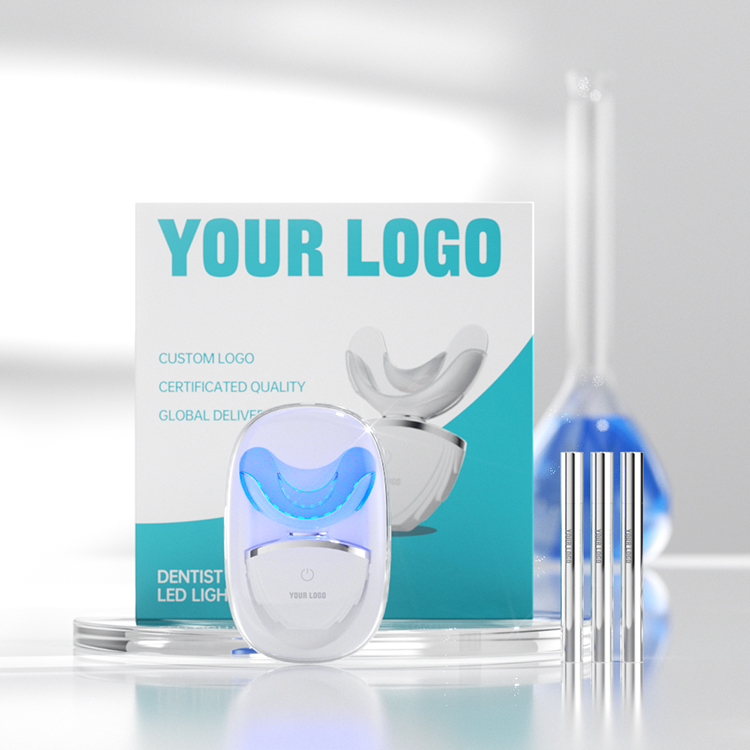
Professional-Grade OEM Teeth Whitening: Options for Premium Brand Positioning
Whitening Gel Compatibility Device — OEM/ODM Considerations for Global Brands
Rechargeable Sonic Toothbrush Wholesale | High-Performance Oral Care Supplier
Hose Leakage Leading Mucosal Lesions – Double Damage?
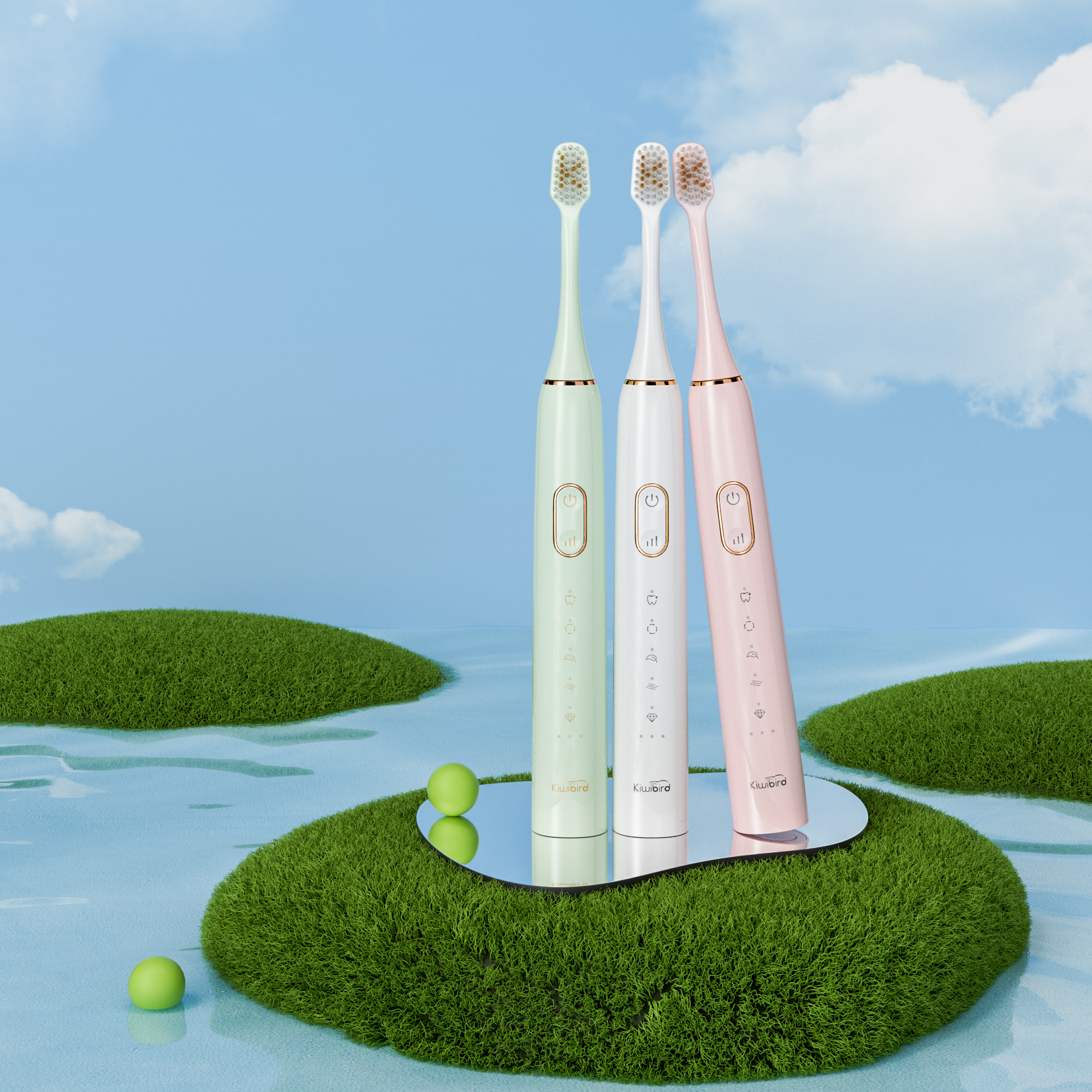
Why Is a Long Endurance Electric Toothbrush a Selling Point?
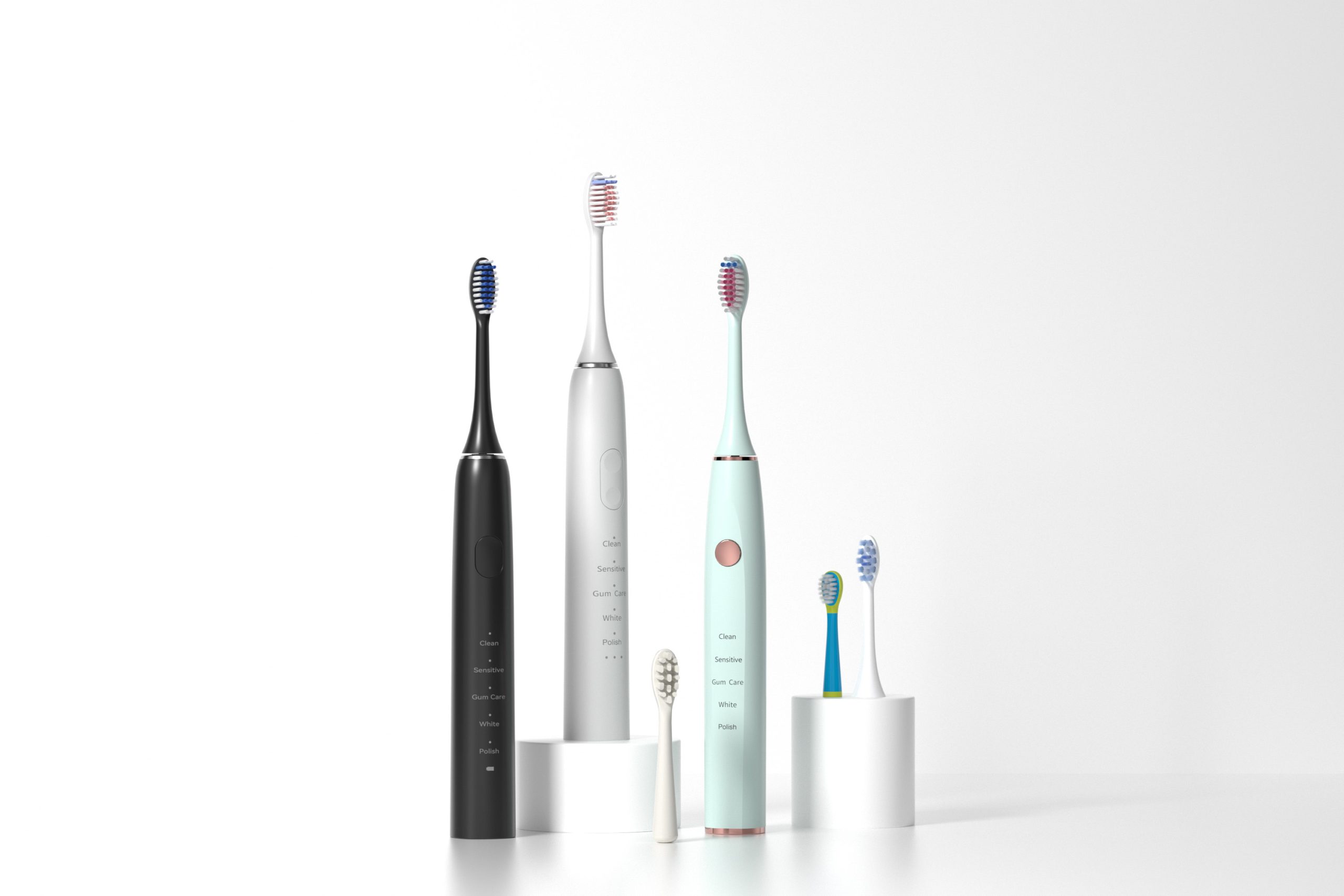
Can an electric toothbrush Houston truly elevate your Houston dental care routine?
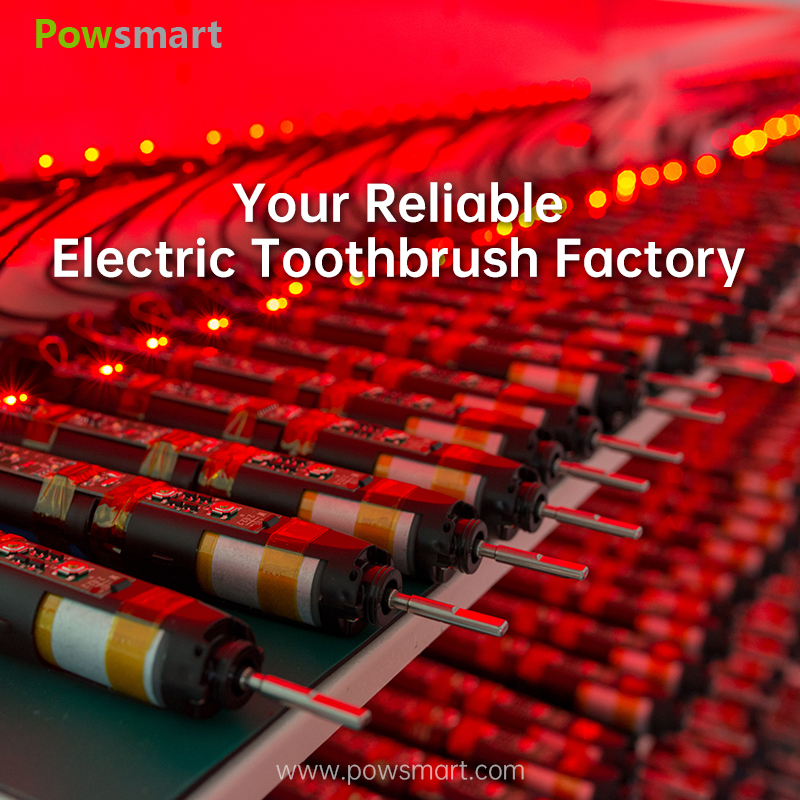
Red, Blue & Purple Light: A Complete OEM Solution for Advanced Oral Care Products
.jpg)
Why Offer B2B Water Flosser Customization for Eco Friendly Water Flosser Demand?
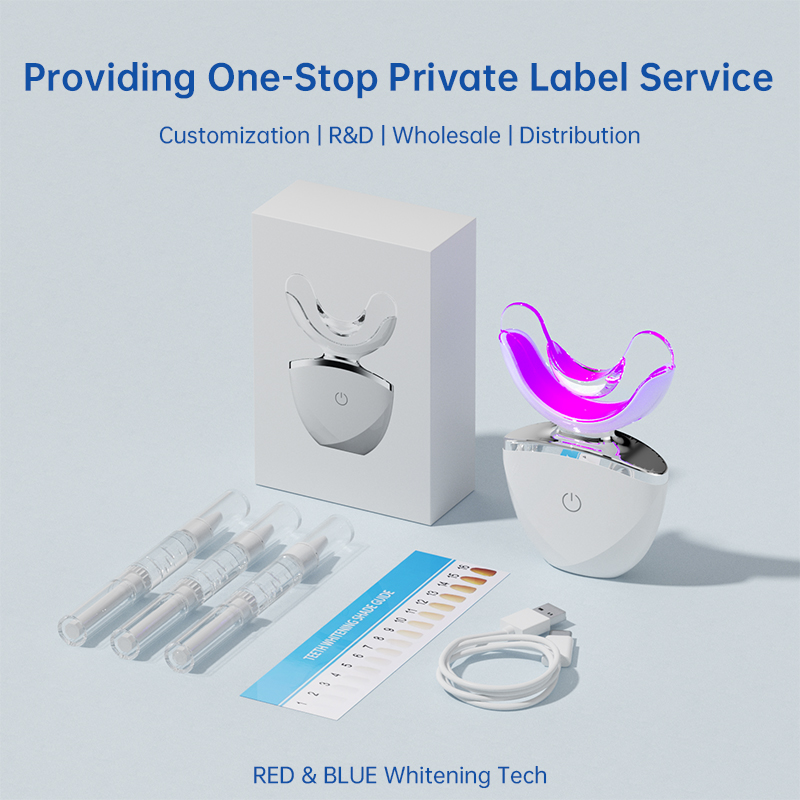
Teeth Whitening Kit OEM Manufacturing Compliance Standards
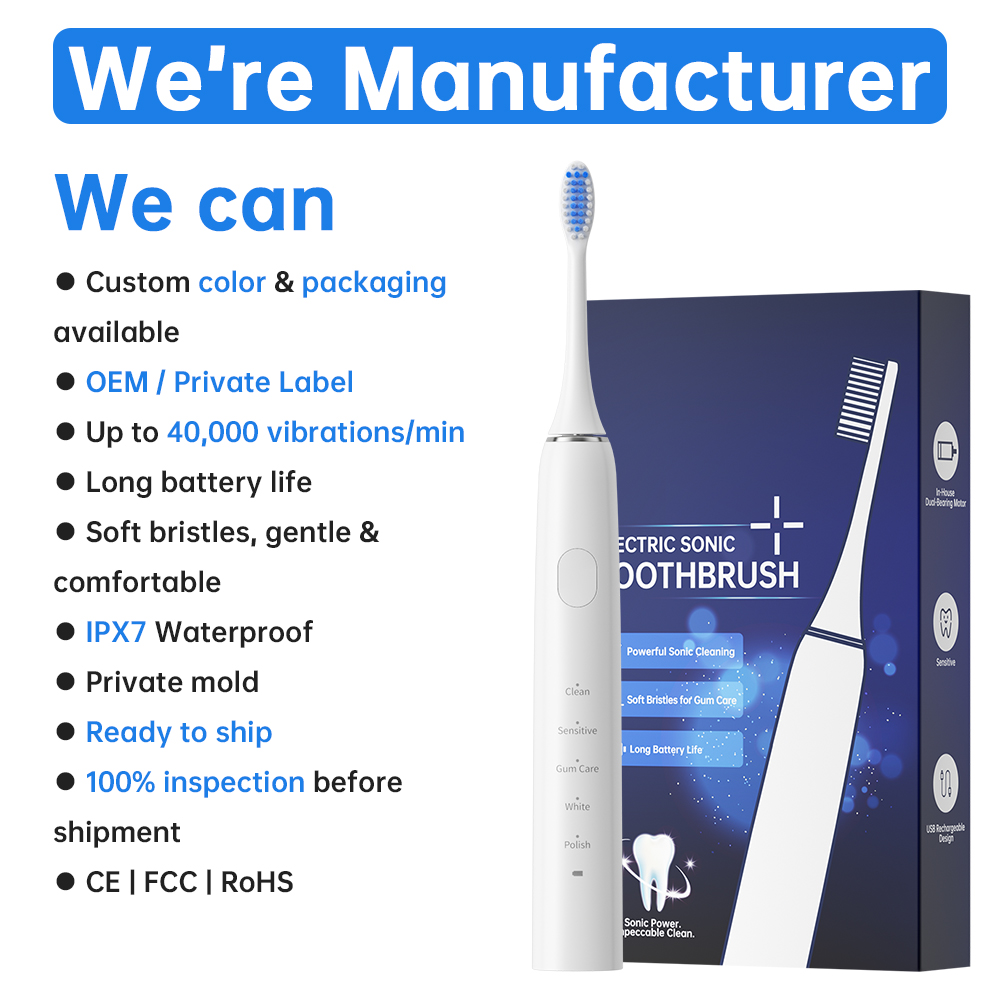
Does Your Sonic Vibration Core Require a Reliable PCB Assembly Service?
Vibration Decay with Timer Malfunction – Time to Retire?
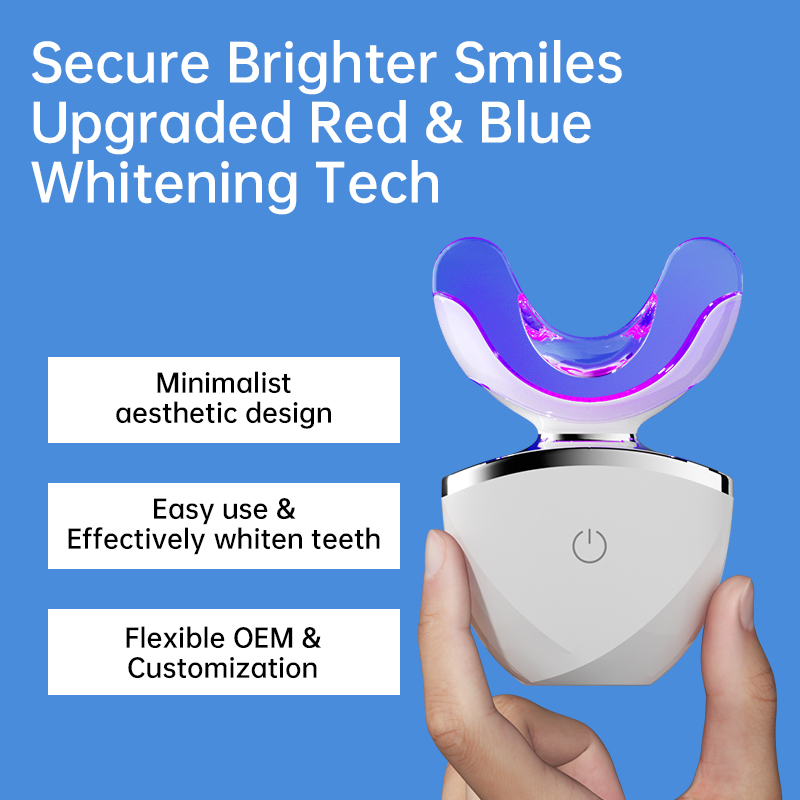
Why Pair Custom Teeth Whitening Tray Services with a Teeth Whitening Pen Manufacturer for Diverse Options?
Sourcing Electric Toothbrush Travel Case Wholesale from a Sonic Toothbrush Manufacturer China?
Corporate Wellness Electric Toothbrush Pack | Bulk Oral-Care Gift Supplier
.jpg)
Must-Have Features for a Market-Leading Water Flosser


.jpg)
.jpg)
.jpg)
.jpg)
.jpg)






.jpg)
.jpg)