In the world of manufacturing, ensuring high-quality products is essential for maintaining customer satisfaction and reducing costly defects. Automated Optical Inspection (AOI) is one of the most powerful tools in quality control, enabling manufacturers to detect defects early and improve product reliability. When combined with Failure Mode Analysis (FMA), AOI provides invaluable insights into potential failure points in products or components. This integration creates a proactive approach to identifying and addressing defects before they escalate into costly failures. In this blog, we will explore how Automated Optical Inspection feeds into Failure Mode Analysis to improve manufacturing processes and enhance product quality.
Automated Optical Inspection (AOI) is an advanced technology that uses cameras, sensors, and specialized software to visually inspect components or assemblies for defects during the manufacturing process. AOI systems are designed to detect a wide range of issues, such as misalignment, component shortages, incorrect part placements, or surface defects, by comparing the image of the product with a reference model. This method significantly reduces human error and speeds up the inspection process, making it ideal for high-volume manufacturing.
By automating the inspection process, AOI helps manufacturers identify defects at various stages of production, from assembly to final inspection, enabling quicker response times and minimizing the risk of defective products reaching the customer.
Failure Mode Analysis (FMA) is a structured approach to identifying the potential failure points of a product or process. FMA focuses on assessing every step of the production cycle to determine what could go wrong and how those failures could impact the end product’s performance, reliability, and safety. It involves systematically reviewing design documents, processes, and historical data to predict possible defects and failure modes.
The goal of FMA is to proactively identify potential weaknesses in a product or manufacturing process, allowing teams to implement corrective actions before failures occur. FMA is widely used in industries such as automotive, aerospace, and electronics, where failure prevention is critical to maintaining quality standards.
Automated Optical Inspection plays a crucial role in feeding valuable data into Failure Mode Analysis, helping manufacturers take a more proactive approach to identifying and mitigating potential risks. Here’s how the two processes work together:
The integration of Automated Optical Inspection with Failure Mode Analysis offers several key benefits:
In the electronics manufacturing industry, for example, Automated Optical Inspection is used to detect defects in circuit boards, such as misaligned components or missing solder joints. By feeding this inspection data into Failure Mode Analysis, manufacturers can identify common failure modes such as overheating, poor electrical conductivity, or circuit failures.
In automotive manufacturing, the integration of AOI with FMA ensures that defects like misaligned parts or inadequate welds. With FMA, engineers can analyze these failure modes to make design improvements.
To successfully integrate Automated Optical Inspection with Failure Mode Analysis, manufacturers must invest in advanced AOI. This includes setting up real-time data collection and analysis systems, training staff in failure mode identification.
Manufacturers should also continuously monitor performance and adjust their approach as necessary. By consistently analyzing inspection data and failure modes, businesses can maintain high-quality standards, reduce defects, and ensure product reliability.
Combining Automated Optical Inspection with Failure Mode Analysis is a powerful strategy for enhancing quality control and preventing defects in manufacturing processes. The real-time data collected from AOI systems feeds directly into the proactive analysis of potential failure modes. By adopting this integrated approach, manufacturers can stay ahead of defects. Contact us
.jpg)
Can Incorrect Brush Head Replacement Frequency Accelerate Enamel Wear?
The Truth About Blue Light Whitening in OEM Electric Toothbrushes

Why Market Orthodontic Oral Care Products Through a Dental Clinic Partnership Program?
Whitening Electric Toothbrush Features: Stain Removal vs. Superficial Brightening
Fourth of July Red Blue Electric Toothbrush

How Much Does It Cost to Manufacture a Toothbrush?
Mouth Ulcers After Allergic Rashes – Coincidence?
Why Is Toothbrush Firmware Development Crucial for Responsive Tactile Feedback Button Functionality?
Taste Alteration After Tray Misalignment – Coincidence?
Hotel Amenity Electric Toothbrush OEM: Luxury Guest Experiences
FAQ for New Water Flosser Brands: Avoiding Costly OEM Mistakes

Electric Toothbrush Industry Forecast for the Next 5 Years: Changes in Technology, Policy, and Consumption Scenarios
Is Your Bulk Material Sourcing Strategy Backed by Robust Quality Certification Support?
Tips for Preventing Mold in Water Flosser Tanks
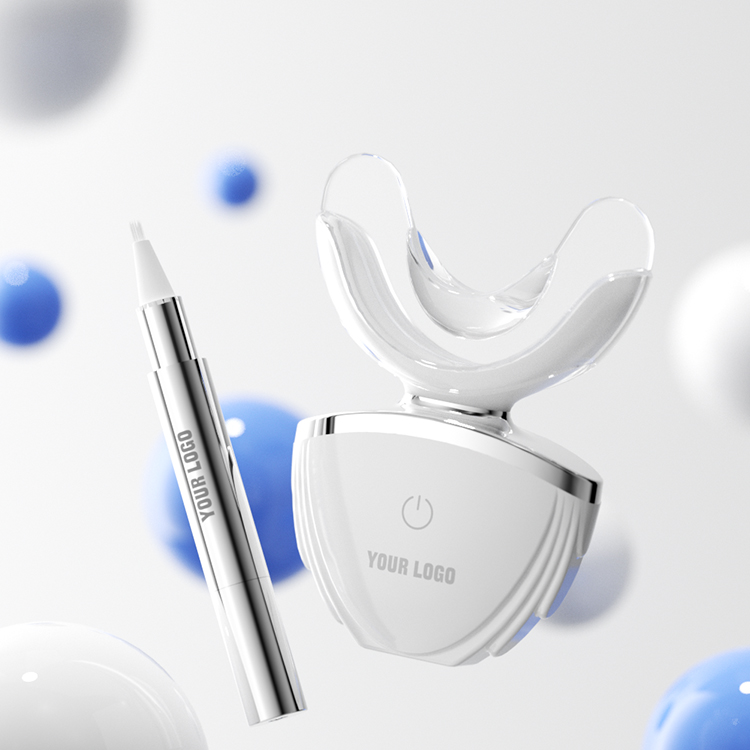
What’s the Most Effective Way to Whiten Teeth at Home? An OEM Factory’s Insight
Sonic Toothbrush OEM China – Professional Manufacturing for Global Brands


.jpg)
.jpg)
.jpg)
.jpg)
.jpg)






.jpg)