In modern electric toothbrush design, user interaction must feel immediate, intuitive, and reliable. While hardware components such as a Tactile Feedback Button determine the physical pressing experience, true responsiveness depends heavily on advanced Toothbrush Firmware Development. Firmware acts as the bridge between mechanical input and motor output, ensuring precise recognition, accurate mode switching, and seamless user feedback. For OEM/ODM manufacturers, optimizing firmware architecture is essential to delivering premium interaction quality.
A Tactile Feedback Button generates electrical signals when pressed, but these signals often contain noise or rapid fluctuations known as “bouncing.” Toothbrush Firmware Development implements debouncing algorithms to filter unwanted signals and recognize intentional presses accurately.
This ensures:
Firmware precision guarantees reliable button performance.
Electric toothbrushes commonly offer multiple cleaning modes. When a user presses the Tactile Feedback Button, the firmware must instantly execute predefined logic to switch between vibration settings.
Through optimized Toothbrush Firmware Development:
Efficient firmware programming enhances perceived product quality.
Different brands require distinct interaction patterns. Some prefer long-press activation, while others use single-click cycling. Toothbrush Firmware Development allows manufacturers to customize how the Tactile Feedback Button behaves.
Customization options include:
Flexible firmware enables product differentiation in private-label projects.
A responsive Tactile Feedback Button often works alongside vibration pulses or LED signals to confirm user input. Toothbrush Firmware Development synchronizes these feedback elements in real time.
This coordination ensures:
Integrated firmware control strengthens the overall user experience.
Button input directly impacts device activation and power control. Toothbrush Firmware Development must ensure that the Tactile Feedback Button does not trigger unintended motor operation during charging or low-battery conditions.
Safety-focused firmware design provides:
Smart programming protects both users and hardware.
As smart toothbrushes evolve, firmware upgrades may introduce new features or optimize responsiveness. A well-structured Toothbrush Firmware Development framework allows performance refinement without hardware redesign.
Scalability benefits include:
Firmware flexibility supports long-term innovation.
While the Tactile Feedback Button defines the physical interaction point, its responsiveness and reliability depend on advanced Toothbrush Firmware Development. From signal processing and mode switching to safety logic and future scalability, firmware acts as the intelligent core behind user interaction. Contact us

.jpg)
Pet Owners Oral Care Guide: Water Flosser Tech for Furry Friends
Sonic Toothbrush Cleaning Performance Engineering for OEM Manufacturing
Electric Toothbrush Brush Head Replacement Supplier: Reliable OEM Supply
Electric Toothbrush with LED Light OEM Manufacturing
Light Therapy Electric Toothbrush ODM Development

How Does a High-pressure Pump Module Integrate with a Pulse Frequency Controller for Effective Flossing?
How Can Smart App Connectivity Boost User Engagement Through Bluetooth App Integration?
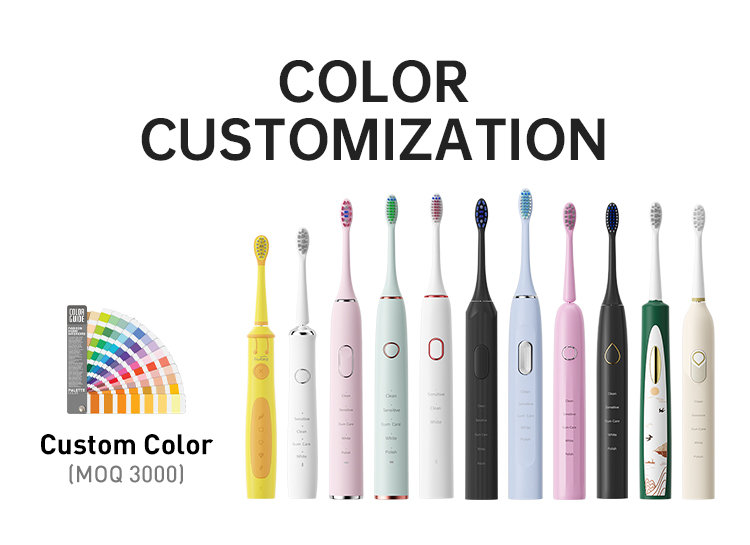
Why Is Pressure Sensor Calibration Important After Brush Head Injection Molding?
San Diego Electric Toothbrush Factory | Powsmart Manufacturer
Whitening Kit Bulk Supplier
dental student toothbrush guide: pressure sensors
Electric Toothbrush Vibration Level Selection Guide for OEM Product Development
Electric Toothbrush Sealing Technology OEM
Electric Toothbrush Vibration Stability Design: OEM Engineering Guide
Sonic Electric Toothbrush Factory for OEM & ODM Manufacturing
CPAP dry mouth toothbrush: oral health tips


.jpg)
.jpg)
.jpg)
.jpg)
.jpg)






.jpg)