
In the realm of medical and personal care devices, ensuring Electromagnetic Compatibility (EMC) Compliance and effective Thermal Suppression in Oral Irrigators is paramount. Adherence to industry standards minimizes electromagnetic interference and enhances device stability, preventing overheating that could damage electronic components or degrade user experience. This article delves into strategies for integrating precise design and advanced technologies to achieve EMC compliance while optimizing thermal management in oral irrigators.
EMC compliance is a fundamental requirement for all electronic products, including oral irrigators, to be legally sold in the market. EMC testing ensures that devices do not emit excessive electromagnetic interference (EMI) and are immune to external electromagnetic disturbances.
To meet EMC standards such as FCC, CE, and IEC 60601-1-2, manufacturers should incorporate appropriate shielding, filtering, and grounding techniques during the research and development phase.
When undergoing EMC testing, oral irrigators face several challenges:
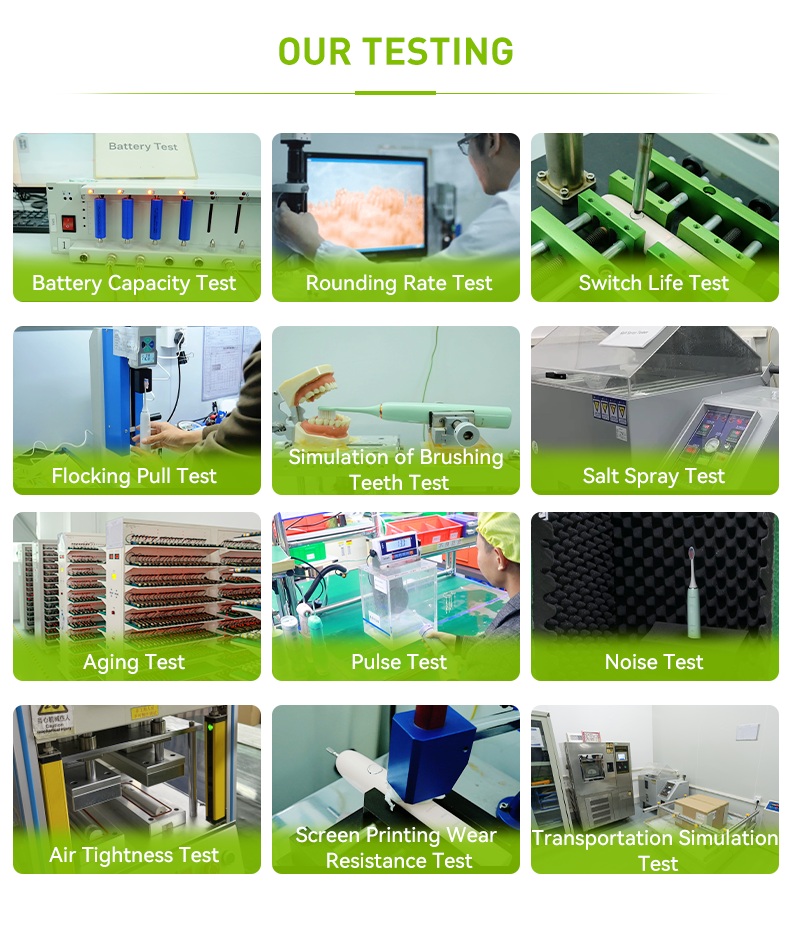
Solutions include optimizing circuit layouts, employing appropriate filtering circuits, adding shielding materials, and conducting rigorous EMC testing to ensure compliance.
Beyond electromagnetic compatibility, thermal management is a critical aspect of oral irrigator design. The integration of motors, heating elements (in some models), and control circuits can lead to heat accumulation, potentially affecting product lifespan and performance.
Implementing these measures ensures that oral irrigators operate efficiently while maintaining low temperatures, thereby enhancing user experience and product longevity.
EMC compliance and thermal management often influence each other; optimizing one aspect may impact the other. Therefore, a balanced approach is essential during the design process:
Through systematic optimization strategies, manufacturers can ensure EMC compliance while maintaining effective thermal management performance.

Various markets impose different regulatory requirements for EMC and thermal management. Key testing standards include:
Manufacturers must ensure products comply with target market standards and undergo testing by third-party certification bodies to facilitate market entry.
As the oral care industry evolves, advancements in EMC compliance and thermal suppression technologies continue to emerge. Future trends include:
Continuous innovation enables manufacturers to improve product reliability and strengthen market competitiveness.
In the design and production of oral irrigators, EMC compliance and thermal suppression are critical factors. By implementing appropriate circuit designs, shielding techniques, thermal solutions, and rigorous testing and compliance certifications, manufacturers can ensure product safety, stability, and alignment with market demands.
If your enterprise seeks to optimize EMC and thermal management solutions for oral irrigators, our team offers professional support. https://www.powsmart.com/contact-us/
.jpg)
Need a Portable Water Flosser ODM that Incorporates Leak-proof Flosser Technology?
.jpg)
bulimia teeth protection guide: acid neutralization
Electric Toothbrush vs Normal: Unveiling the Superior Choice for Your Brand
water flosser dental floss comparison
Private Label Whitening Device Manufacturer for Cosmetic Brands
Electric Toothbrush India | Affordable Oral Care

What Did the Dentist Say About Natural Ingredient Tooth-Whitening Products?
Is It Bad to Use a Dental Water Flosser Every Day?

Will the Water Flosser Make the Gaps Between Teeth Bigger?
Does Cold-Light Teeth Whitening Aggravate Enamel Wear?
Short Battery Life and Motor Overheating in Electric Toothbrushes: How to Enhance Durability?
Kids Water Flosser Safety Guide: Is It Safe for Young Smiles?
exposed dentin whitening risks: safe alternatives
Seeking a Teeth Whitening Kit OEM That Is Also a Professional Whitening Gel Supplier?
How Does a Simple Gravity Feed System Benefit from Precise Jet Stream Collimation?
Brush Head Blockage Causing Motor Stalling?


.jpg)
.jpg)
.jpg)
.jpg)
.jpg)




.jpg)

.jpg)