In the competitive world of personal care device manufacturing, cosmetic defects are often considered secondary. However, when brush discoloration becomes a recurring issue, it may be more than a visual flaw—it can be an early sign of material degradation that leads to allergy outbreaks among users. This blog explores how these two seemingly unrelated issues are in fact closely connected, and what manufacturers must do to address them.
Brush discoloration refers to changes in color or surface texture of bristles over time or after limited usage. Common causes include:
While often dismissed as cosmetic, this discoloration may reflect chemical instability—raising red flags for B2B buyers concerned about quality and safety.
Discolored bristles may signal deeper material breakdown. During degradation, polymers can release residual monomers, plasticizers, or dyes, many of which are known skin or mucosal irritants. These substances may cause:
Thus, the visual cue of brush discoloration could be the first symptom of a larger health issue. Company web:https://www.powsmart.com/product/electric-toothbrush/
The following risk factors tend to exacerbate reactions:
Any of these conditions can turn a discolored brush into a hidden allergen source.
From a B2B manufacturing perspective, the issue of allergy outbreaks tied to brush discoloration can result in:
Ignoring discoloration risks creates long-term liability—not just aesthetic dissatisfaction.
To ensure product safety and quality, OEM/ODM manufacturers should:
Early detection and rigorous material screening are critical in preventing downstream allergic reactions.
In a market where end-users are increasingly health-conscious, positioning your brand as allergy-safe can be a major differentiator. Proactively addressing brush discoloration and preventing potential allergy outbreaks sends a powerful message of responsibility and product excellence.
While brush discoloration may seem like a minor issue at first glance, its potential link to allergy outbreaks cannot be ignored in quality-focused manufacturing. By understanding and addressing the root causes of material degradation, manufacturers can deliver safer, more reliable oral care products that protect both user health and brand reputation. Contact us
.jpg)
.jpg)
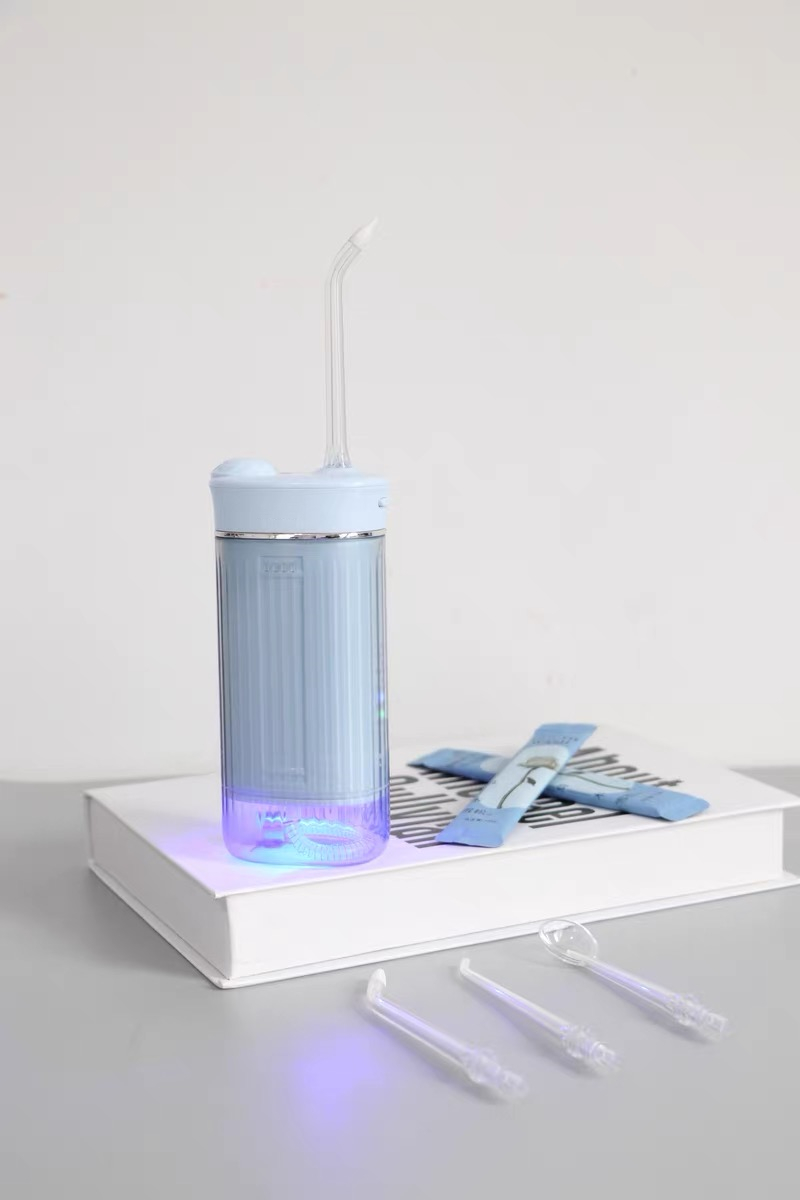
Is It Bad to Use a Dental Water Flosser Every Day?
How does a Multi-pressure Setting Chip optimize the use of Filter Cartridge Supply in flossers?
How Does Pulse Water Technology Work with a Quiet Flosser Motor?
.jpg)
Whitening Mode USB-C Toothbrush OEM | Rechargeable Sonic Solutions
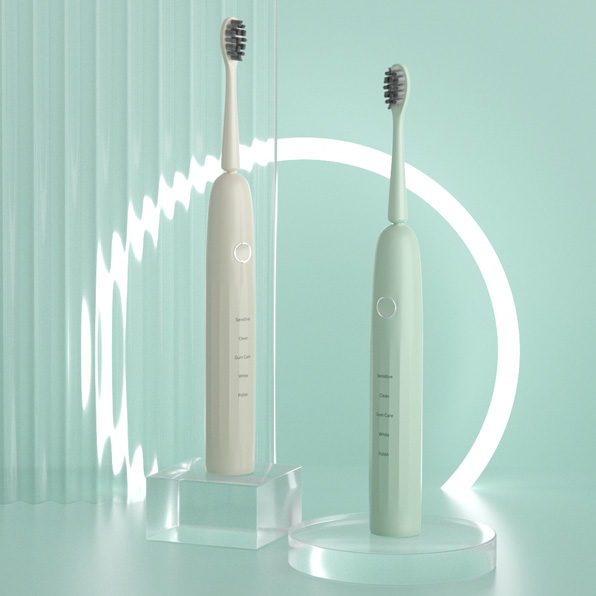
How Can Sweeping Oscillation Toothbrush Technology Benefit from a Reliable Magnetic Levitation Motor Supplier?
Electric Toothbrush Distributor Europe
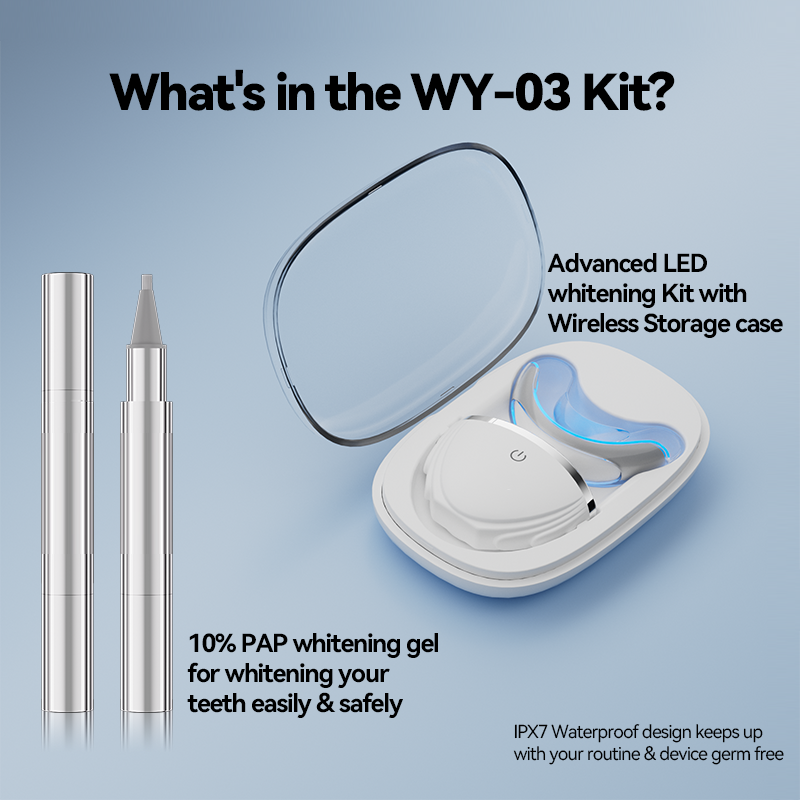
What Gives Some Teeth Whitening Devices Competitive advantage?
.jpg)
sonic electric toothbrush Los Angeles
-3-scaled-1.jpg)
Carbamide Peroxide vs Hydrogen Peroxide: Choosing the Right OEM Whitening Formula
Waterproof Sonic Toothbrush for Spas | Professional LED Oral Care Devices
Smart Pressure Sensor Toothbrush Supplier | Intelligent Brushing Solutions
Runtime Shortening with Connection Drops – Fixable?
Electric Toothbrush with Travel Case OEM

Powsmart-Los Angeles electric toothbrush wholesale
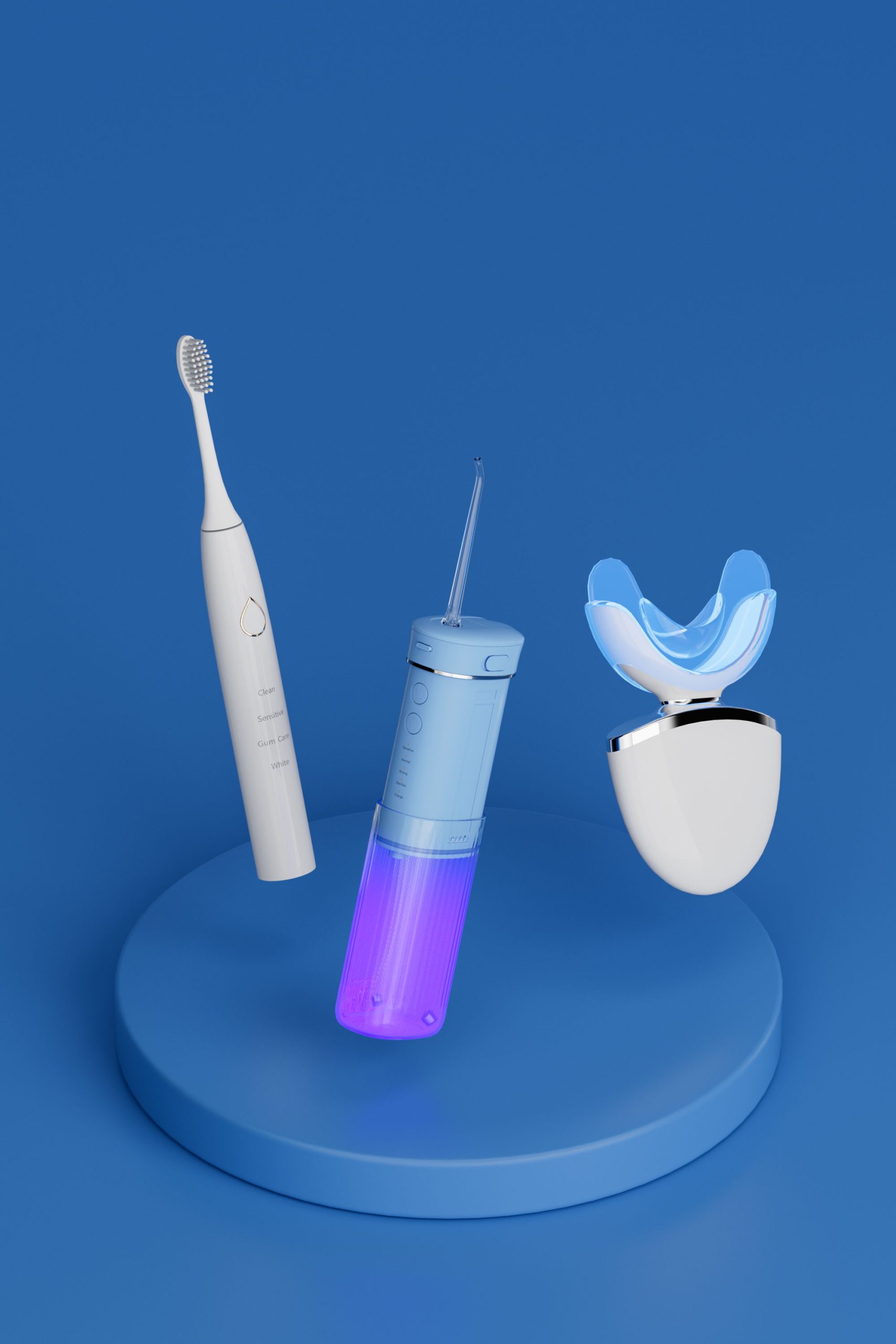
Creating the Ultimate Oral Care Combo: Keys to the Best Toothbrush Water Flosser Design
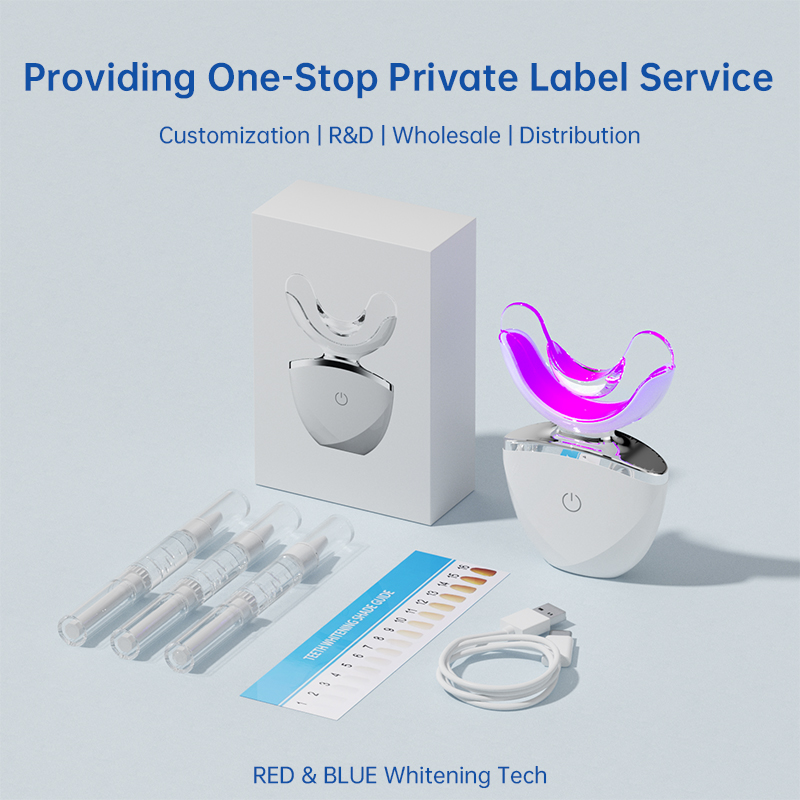
Market Access Made Simple: Understanding Regulations for Your OEM Whitening Kits


.jpg)
.jpg)
.jpg)
.jpg)
.jpg)



.jpg)

.jpg)