Accurate color evaluation is essential in modern whitening device and gel development, and metrics such as the CIE Whiteness Index and Hue Saturation Lightness (HSL) offer manufacturers a standardized and quantifiable way to measure results. By adopting these globally recognized colorimetry systems, OEM whitening brands can ensure consistent performance validation, regulatory compliance, and reliable consumer claims across diverse markets.
The CIE Whiteness Index translates visual whiteness into numerical values, giving manufacturers an objective reference point. This eliminates subjective interpretation and ensures that every batch of whitening products meets targeted shade-enhancement thresholds.
Hue Saturation Lightness offers a more nuanced evaluation by measuring tonal shifts, saturation changes, and brightness. This helps manufacturers detect subtler improvements that may not be visible through shade tabs alone, especially when comparing before-and-after photos for clinical studies.
Using standardized color metrics ensures that whitening performance is consistent across different production runs, facilities, and regions. This is especially critical for multinational B2B clients who require reliable quality control across all markets.
Clear numerical improvements in the CIE Whiteness Index and HSL metrics strengthen claim substantiation. Brands can confidently communicate phrases like “X units increase in whiteness” backed by quantifiable laboratory data.
Chemists and product engineers use these metrics to fine-tune peroxide concentration, gel viscosity, LED activation profiles, and application protocols. Small adjustments guided by colorimetry data can significantly enhance overall whitening performance.
When developing LED lamps, home-use trays, pens, and professional whitening gels, harmonized color measurement methods allow manufacturers to evaluate how each component contributes to the final visual outcome. This ensures cohesive and predictable whitening effects across the entire product portfolio.
For B2B whitening manufacturers, adopting the CIE Whiteness Index and Hue Saturation Lightness metrics is more than a technical choice—it’s a foundation for product consistency, scientific credibility, and global competitiveness. These measurements provide the accuracy and repeatability needed to develop high-performing whitening solutions backed by reliable, reproducible data. Contact us
.jpg)
Electric Toothbrush with Extra Battery Life for RV Travelers
.jpg)
Is a Quiet Electric Toothbrush Best for NYC Apartments?
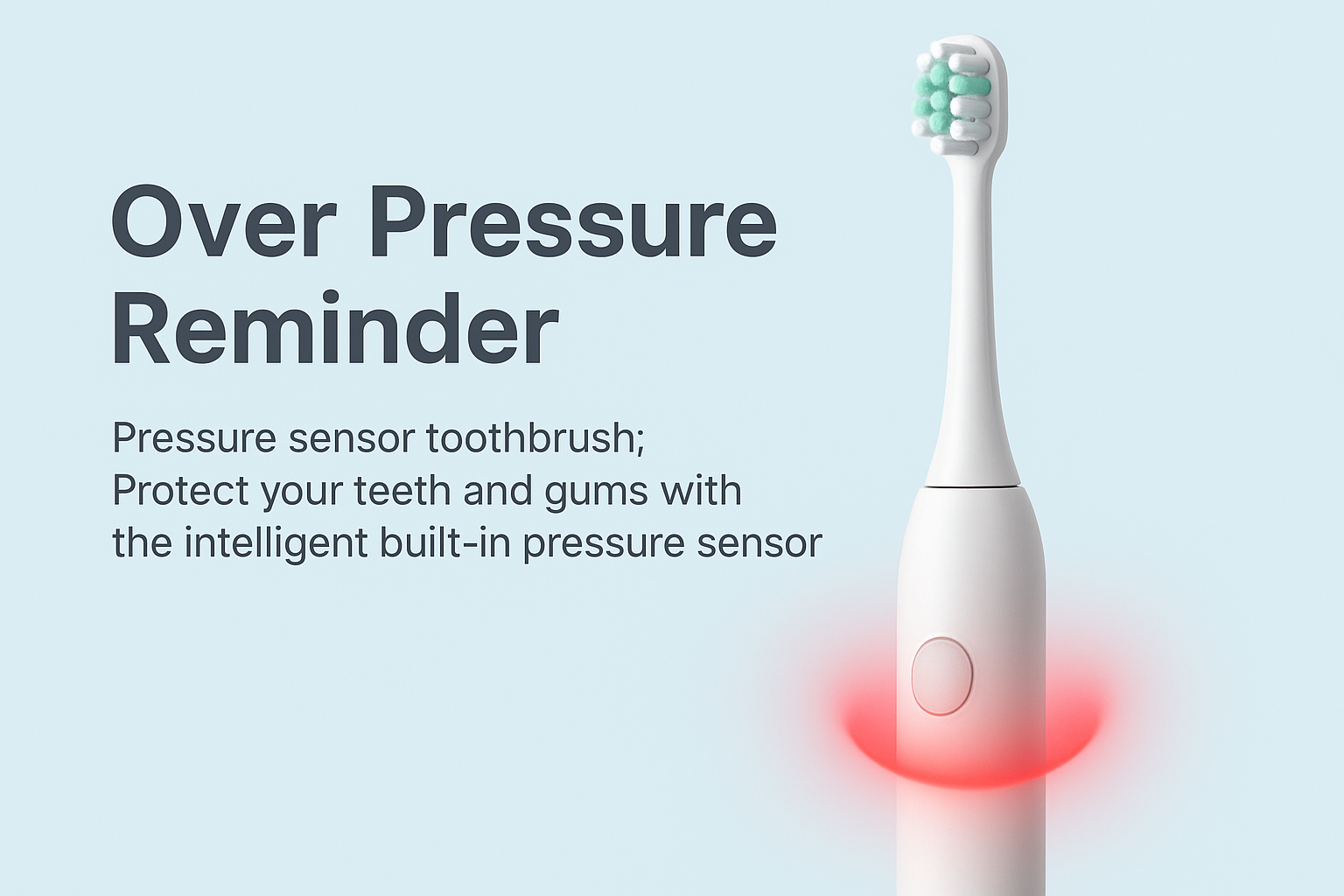
Are the Integrated Invisible Buttons of the Electric Toothbrush Good or Bad?
1-scaled.jpg)
Texas sensitive gums — do they pair well with the Austin eco toothbrush?
premium electric toothbrush exporter | High-End Sonic Toothbrush Supplier
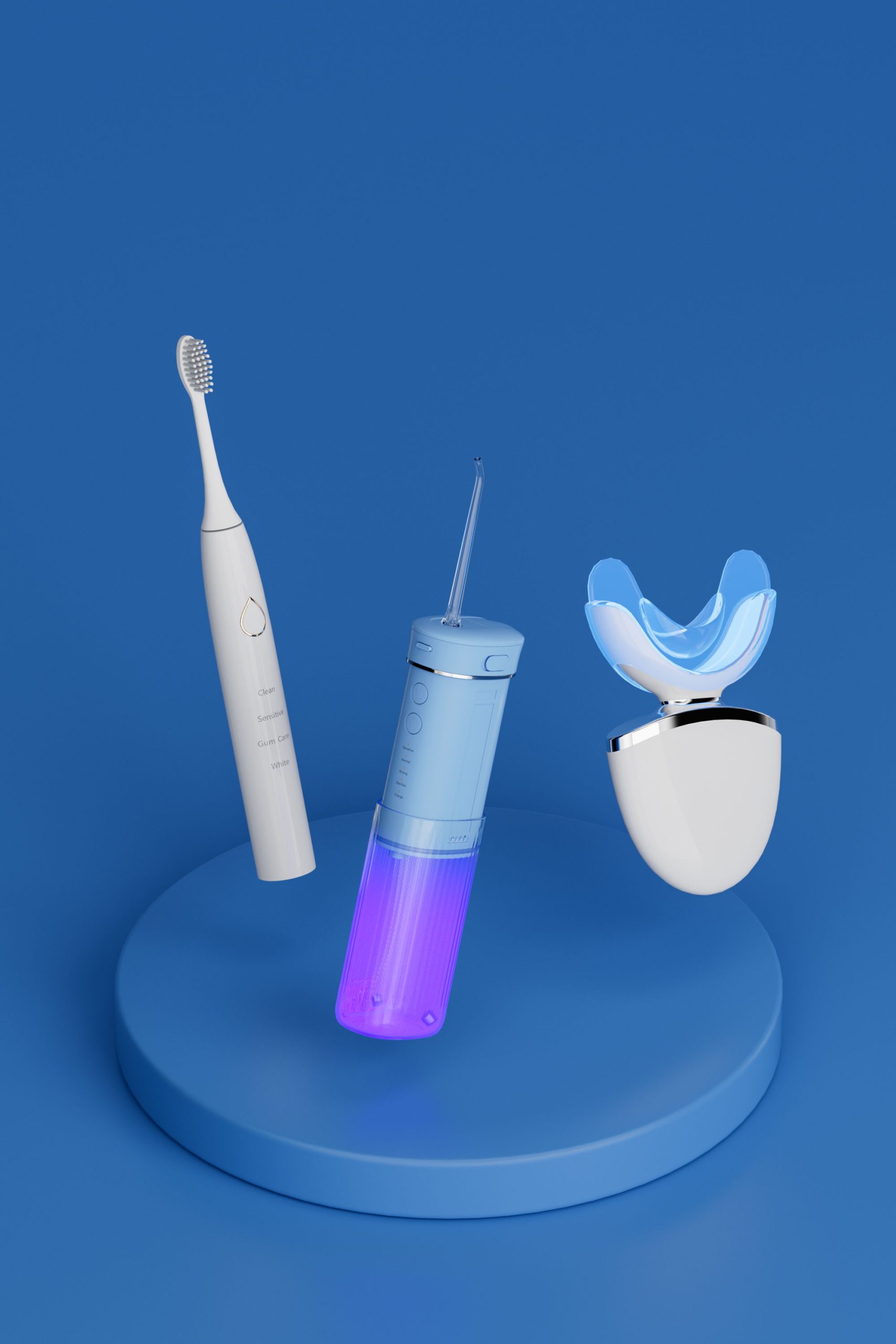
POWSMART: Your Trusted Electric Toothbrush Manufacturer in USA, San Antonio

Why Isn’t It Suggested to Design Patterns on the Brush Heads of Electric Toothbrushes?
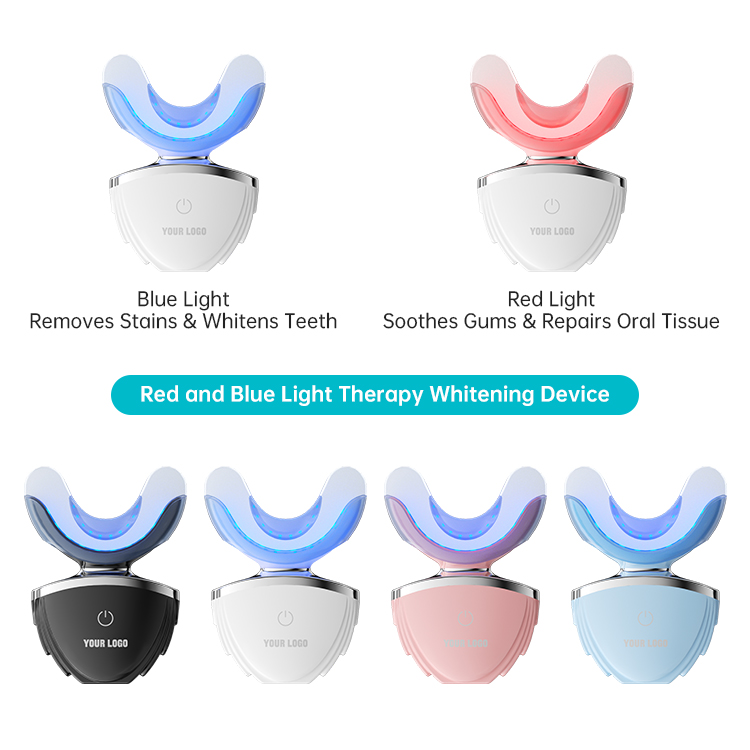
Why Combine Kinematic Pair Design with Non-slip Grip Texture for High-End Electric Toothbrushes?
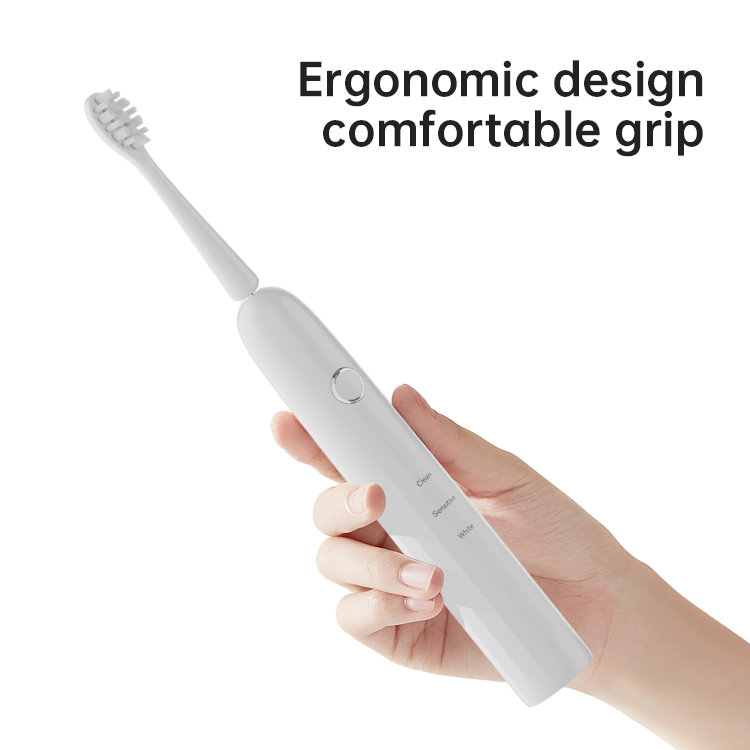
How Does Waterproof IPX7 Design Enhance the Durability of a Wireless Charging Base in B2B Oral Care Products?
.jpg)
Manhattan Replacement Heads Sync with NYC App Connectivity?
top toothbrush brands

Why Is Bristle Configuration Design Critical When Developing a Brush Handle Mold for Ergonomic Toothbrushes?
Magnetic Levitation Toothbrush Manufacturer – Advanced Sonic Technology for Brands
Low-Noise Sonic Toothbrush Wholesale – Quiet Performance for Global Markets
Can a Smart Timer Chip integrate with a Surface Reflectance Sensor to optimize brushing analytics?
California Water Flosser: Advanced Factory Solutions


.jpg)
.jpg)
.jpg)
.jpg)
.jpg)