In high-frequency consumer electronics and medical-grade equipment, adapter overheating and circuit shorting are not just performance concerns—they may signal a potential fire hazard. While these issues are often treated independently, their co-occurrence can rapidly escalate the risk of thermal runaway or device ignition. This article explores the root causes, failure mechanisms, and proactive design measures manufacturers must take to prevent catastrophic outcomes.
Before failure becomes critical, several warning signs often appear:
Adapter overheating can result from improper load regulation, degraded thermal paste, or substandard power ICs. If unresolved, this heat buildup may lead to insulation degradation, ultimately triggering circuit shorting.
Excessive adapter heat can weaken or deform internal insulation, especially in low-cost or poorly ventilated designs. As heat degrades barrier layers or softens solder joints:
The result? A circuit shorting event, which may ignite nearby polymer materials or cause localized arc faults.
While not every instance of overheating leads to combustion, the combination of high current flow, compromised insulation, and combustible casing significantly raises the fire risk. According to IEC 62368-1 and UL 94 standards:
Manufacturers that ignore these parameters risk not just product failure, but liability for property damage or personal injury. Company web: https://www.powsmart.com/product/electric-toothbrush/


Several recurring engineering oversights contribute to the twin failure of adapter overheating and circuit shorting:
Each of these can become a compounding variable in a worst-case thermal-electrical failure chain.
To prevent failures and protect brand reputation, OEM and ODM manufacturers should integrate the following safeguards:
Moreover, every adapter design should pass through robust environmental stress testing (EST), including over-temperature cycling, high humidity tests, and voltage spike tolerance.
Regulatory compliance is not just a box to check—it’s a guarantee of safety and trust. For products sold internationally, consider:
Documentation of protection mechanisms against adapter overheating and circuit shorting should be part of your technical file and supplier audit package.
Is the combination of adapter overheating and circuit shorting a fire risk? Absolutely—and an avoidable one. As electronic device integration becomes denser, proactive thermal and electrical safeguards are no longer optional. For forward-thinking manufacturers, early investment in robust circuit architecture, certified components, and predictive thermal design is the only way to stay competitive—and safe. Contact Kiwibird
Is Your Whitening Syringe Supplier Qualified for Home Use Whitening System Kits?
.jpg)
electric toothbrush private label supplier | Custom Sonic Toothbrush Manufacturing
.jpg)
Managing LED Whitening Device Production?
.jpg)
Executive Diwali gift or Status symbol toothbrush — what truly impresses?
.jpg)
Solution for Color Customization of Water Flossers: From Pantone Code to Actual Machine – A Comparison of Two-Color Injection Molding and Gradient Spraying

Electric Toothbrush for Family Diwali Gift: Seasonal OEM Solutions
.jpg)
In-depth Analysis of the Logo Craftsmanship of Water Flossers

What is the Average Lifespan of an Electric Toothbrush? Manufacturer’s Insight
Oral care beauty trend :How Oral Care Became Beauty’s Sexiest New Category
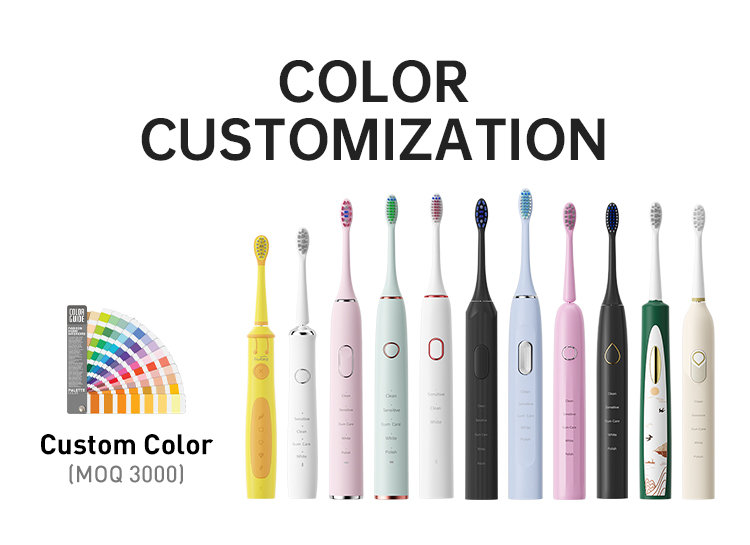
Can a Whitening Booster Solution Enhance Results from UV Whitening Technology?

What’s Driving the Oral Care Category Now?
Travel Size Electric Toothbrush Wholesale

How Can Servo Motor Customization Optimize Precision in Brush Head Injection Molding for B2B Toothbrush OEMs?

Can a soft-bristle brush head designed for sensitive gums make your brushing process more comfortable?
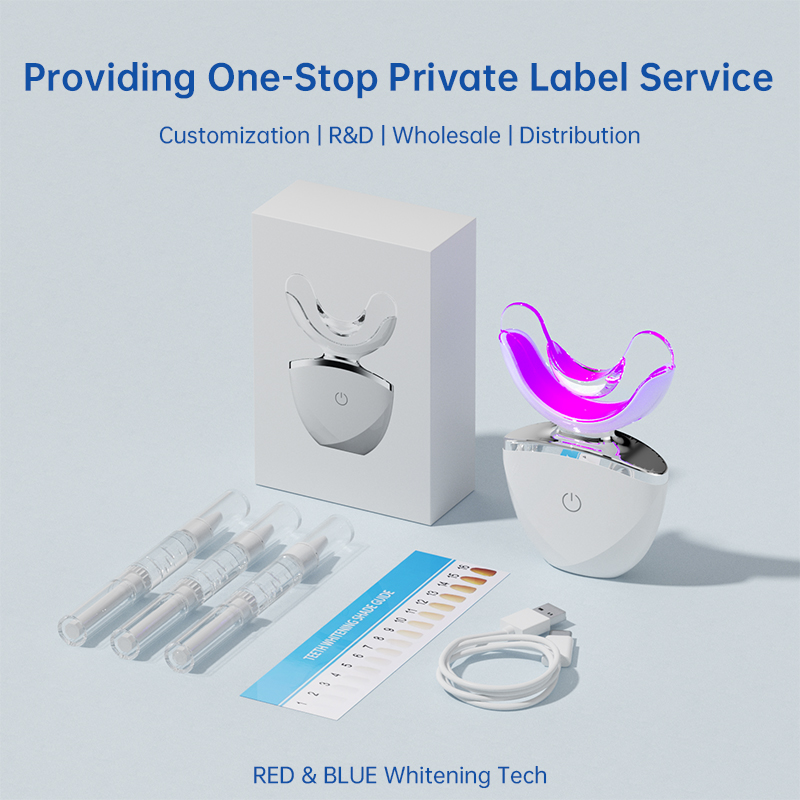
Capitalizing on the LED Oral Care Boom: Essential Market Insights for Brands

Identifying Chinese Electric Toothbrush Manufacturers That Listen and Improve With Your Feedback


.jpg)
.jpg)
.jpg)
.jpg)
.jpg)